The Week The Week
flag of US
US
flag of UK
UK
https://cdn.mos.cms.futurecdn.net/skoGBi9qKFoUtnNWkovjJQ.jpg

SUBSCRIBE

Try 6 Free Issues

Sign in
  • View Profile
  • Sign out
  • The Explainer
  • Talking Points
  • The Week Recommends
  • Podcasts
  • Newsletters
  • From the Magazine
  • The Week Junior
  • More
    • Politics
    • World News
    • Business
    • Health
    • Science
    • Food & Drink
    • Travel
    • Culture
    • History
    • Personal Finance
    • Puzzles
    • Photos
    • The Blend
    • All Categories
  • Newsletter sign up Newsletter
  • The Week Evening Review
    Farmer drama, US nukes on UK soil, and a Maga meltdown

     
    TODAY’S BIG QUESTION

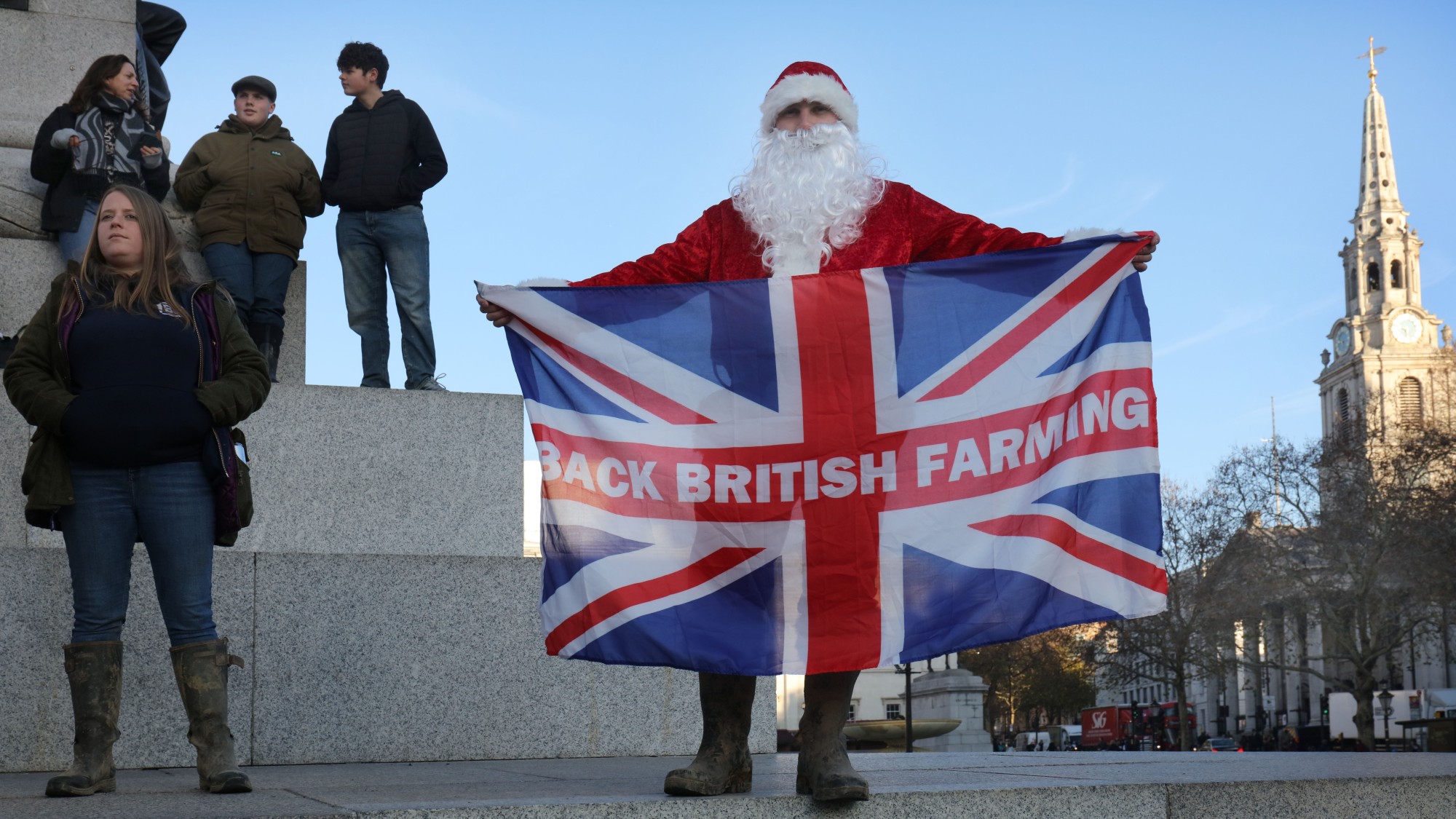
    Is it a Christmas truce in the farmer Starmer ding-dong? 

    Following months of protest and weeks of negotiation, the threshold for inheritance tax on farmers is being raised from the originally planned £1 million to £2.5 million. But while Keir Starmer’s U-turn may be welcome news to farmers, many will not be best pleased by the government’s newly launched Animal Welfare Strategy, which includes plans to ban pig farrowing crates, snare traps and trail hunting.

    Amid the ongoing farmer drama, Starmer continues to face claims that he is waging a war on country life.

    What did the commentators say?
    The original plan to set the inheritance tax threshold at £1 million “was a cock-up from the start”, said Tim Shipman in The Spectator. Designed to close a loophole that allowed very wealthy people to buy land to shield themselves from inheritance tax, it “quickly became clear” that it “did no such thing”. This climbdown by Labour is an “early Christmas present” to ordinary farmers but, more pertinently, a “huge political U-turn, the latest of many, after months of digging in and insisting there was nothing to see here”. 

    The upcoming animal welfare reforms look like yet another attack on country life, said Jamie Blackett in The Telegraph. In a purely political move, the government is throwing “red meat to its backbenchers to distract from its catastrophic handling of the economy”.

    Back in 2023, Starmer was “writing of his love for the countryside for the rural bible Country Life magazine”, and he and his party gained some respect in rural areas, said the Countryside Alliance’s Tim Bonner in The Times. Countryside voters were “ready to give them a chance” in last year’s election, especially given the Conservatives’ “strange determination to alienate” rural communities. Now, with these animal welfare reforms and that “spectacularly stupid Treasury policy”, the “strategy for re-engaging rural voters” is “in tatters” – just like it was after Tony Blair banned fox hunting.

    What next?
    Labour strategists may believe that animal welfare reforms can “soothe its angry backbenchers” and prevent voters from “flirting with the Greens”, said Bonner in The Times. But “they risk descending into a mire that even Blair could not talk his way out of”.


    THE EXPLAINER

    The contentious history of US nuclear weapons on UK soil

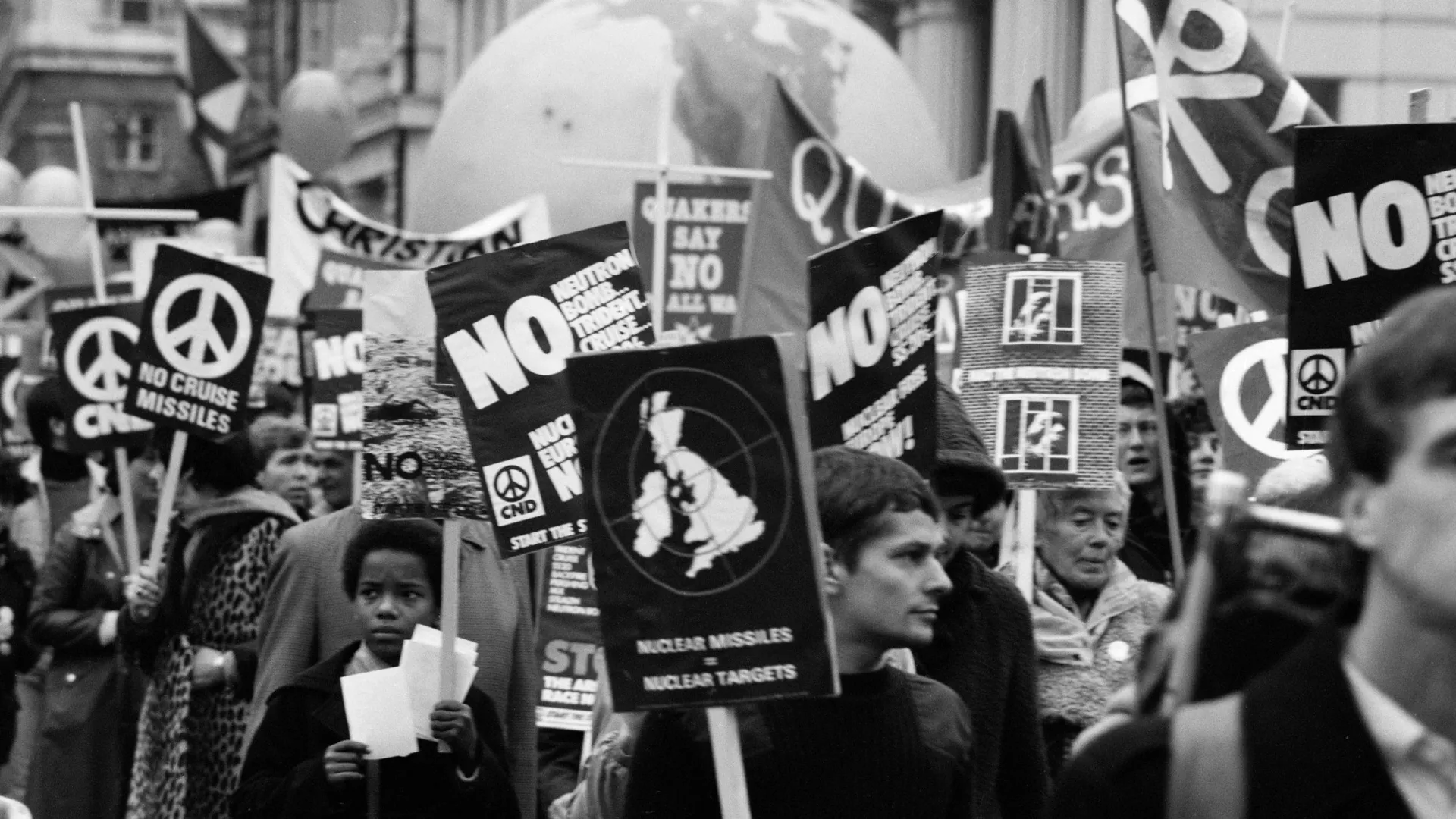
    Donald Trump plans to turn the UK into a “potential nuclear launchpad”, said the Daily Mail, amid speculation that American nuclear missiles are to be housed on British soil for the first time since 2008.
    The presence of US nukes on these shores could prove controversial, as was the case in the past.

    When did they arrive?
    The history of US nuclear weapons in the UK began in September 1954, when the first arrived at RAF Lakenheath in Suffolk, as part of Nato’s strategy against the Soviet Union. Two years later, a B-47 bomber on a routine training mission crashed into a storage unit there that contained nuclear weapons, killing four servicemen. Official US documents declared it a “miracle” that none of the bombs had detonated, and said it was “possible that a part of Eastern England would have become a desert”. 

    In 1980, RAF Molesworth in Cambridgeshire was chosen to host more US nuclear missiles. But seven years later, the US and USSR signed a treaty to eliminate intermediate-range nuclear arms, which included those at Molesworth, so the project was an “expensive waste of time”, said Cambridgeshire Live.

    US cruise missiles arrived at RAF Greenham Common in Berkshire in November 1983, with 96 nuclear warheads based here. The site became synonymous with the Women’s Peace Camp – protesters who first arrived in 1981, with the last leaving in 2000, when it was decommissioned.

    The US began removing its nuclear weapons from Britain from around 2007, ending a “contentious presence spanning more than half a century”, said The Guardian. The last 110 American nuclear weapons on UK soil were withdrawn from RAF Lakenheath by June 2008, on the orders of George W. Bush as part of a post-Cold War strategic shift.

    Are they coming back?
    Speculation has grown over the past two years that the US plans to deploy nuclear weapons in the UK again. Reports in July suggesting that some nukes had already arrived were neither confirmed nor denied.

    But according to documents seen by the Mail, Pentagon funding proposals include a $264 million upgrade of RAF Lakenheath, with plans to knock down at least half a dozen buildings, set up secure intelligence facilities, protect the surrounding area against enemy electronic pulse attacks, and send in more than 200 American personnel.


    QUOTE OF THE DAY

    “There are two options – either the war continues, or something will have to be decided regarding all potential economic zones.”

    Volodymyr Zelenskyy outlines an updated peace plan that would meet Russia’s demands for the withdrawal of Ukrainian troops from the Donbas region. Under the US-proposed compromise, the disputed eastern territories would become a demilitarised “economic free zone”, the Ukrainian leader told reporters.


    Poll watch

    A majority of Brits (66%) consider 2025 to have been a bad year for the UK. Of 6,285 adults polled by YouGov, only 6% thought it had been a “very” or “fairly” good year for the nation, while 24% said it had been “average” and the remainder were undecided.


    in the spotlight

    The Maga meltdown at Turning Point USA

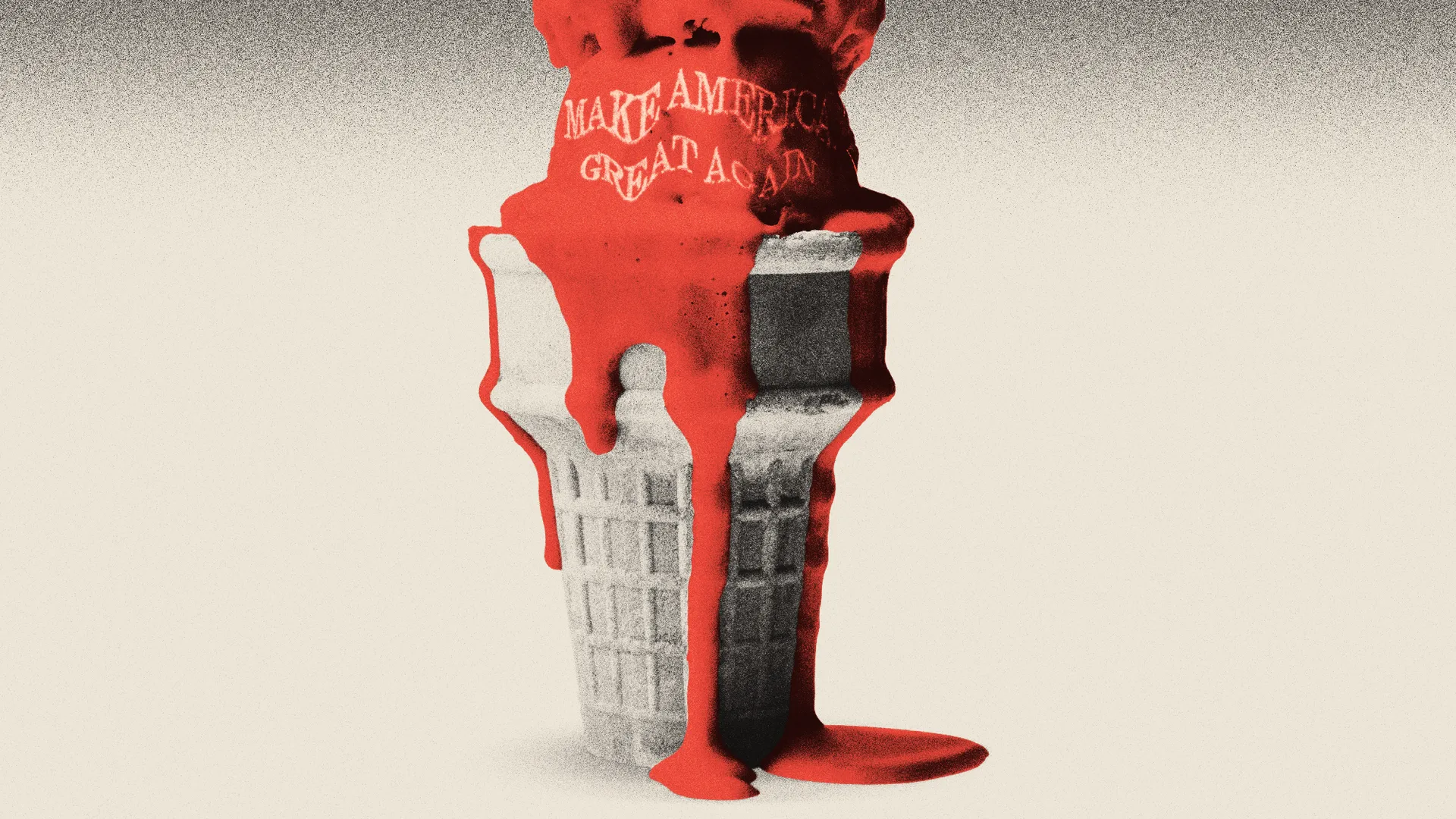
    Maga is eating itself. That was the takeaway from last weekend’s AmericaFest, the first major meeting of Charlie Kirk’s Turning Point USA since his assassination. During four days of duelling speeches, deep fracture lines were exposed within the self-proclaimed “largest Conservative student movement” in the US, and within the wider push to Make America Great Again.

    ‘Grifters’ and ‘charlatans’ 
    The strain on the Maga movement “has been growing for months, accelerated by Kirk’s murder and the Trump administration’s handling of the Epstein files”, said The Economist. At the root of the problem is that as “the right begins to look past” Donald Trump “and debate the Republican Party’s future”, they are “brawling over how big the conservative movement’s tent should be”.

    Conservative broadcaster Ben Shapiro used his address at last weekend’s conference to lash out at “charlatans who claim to speak in the name of principle but actually traffic in conspiracism and dishonesty”. A decision by Fox News host Tucker Carlson to interview antisemite Nick Fuentes on his podcast was an “act of moral imbecility”, Shapiro said. 

    Carlson returned fire in his own speech, dismissing Shapiro’s attempt at “deplatforming and denouncing people” as a joke. Carlson “downplayed the problem of anti-Jewish hate”, said The Times of Israel, and framed antisemitism as “less pervasive than bias against white men”. Vice President J.D. Vance, who also attended the conference, declined to condemn the “streak of antisemitism that has divided the Republican Party”, said The Associated Press. 

    ‘Civil war’
    The schisms exposed over the weekend “laid bare” the challenge for any conservative hoping to succeed Trump as the figurehead of the Maga movement: how to address the “explosive debate” about whether conspiracy theorists and extremists should be “embraced or excluded from the conservative coalition”,  said The New York Times.

    In many ways, the conference felt like Vance’s “coming-out party”, said The Economist. The vice president argued that unity was possible under the banner of “America First”, but “that is debatable”. Sean Miles, an 18-year-old who started a Turning Point chapter at his Illinois high school, said the rift was like a “civil war” that had online wins for the principal instigators. “They’re trying to be edgy,” he told the magazine, “because that’s what’s getting likes. That’s what’s getting views.”


    Good day 🛬

    … for nervous flyers, after a plane landed itself following an in-flight emergency, in a first for aviation automation. The twin-engine aircraft, which was carrying two people, touched down safely at an airport near Denver under the control of Garmin’s Autoland system after the pilot lost contact with air traffic control. 


    Bad day 🏏

    … for Ollie Pope, who is paying the price for England’s Ashes debacle. The No.3 has been dropped for Jacob Bethell for the upcoming fourth Test on Boxing Day. Opener Ben Duckett keeps his place in the team despite a video on social media that appears to show him drunk on a night out prior to the third Test in Adelaide. 


    picture of the day

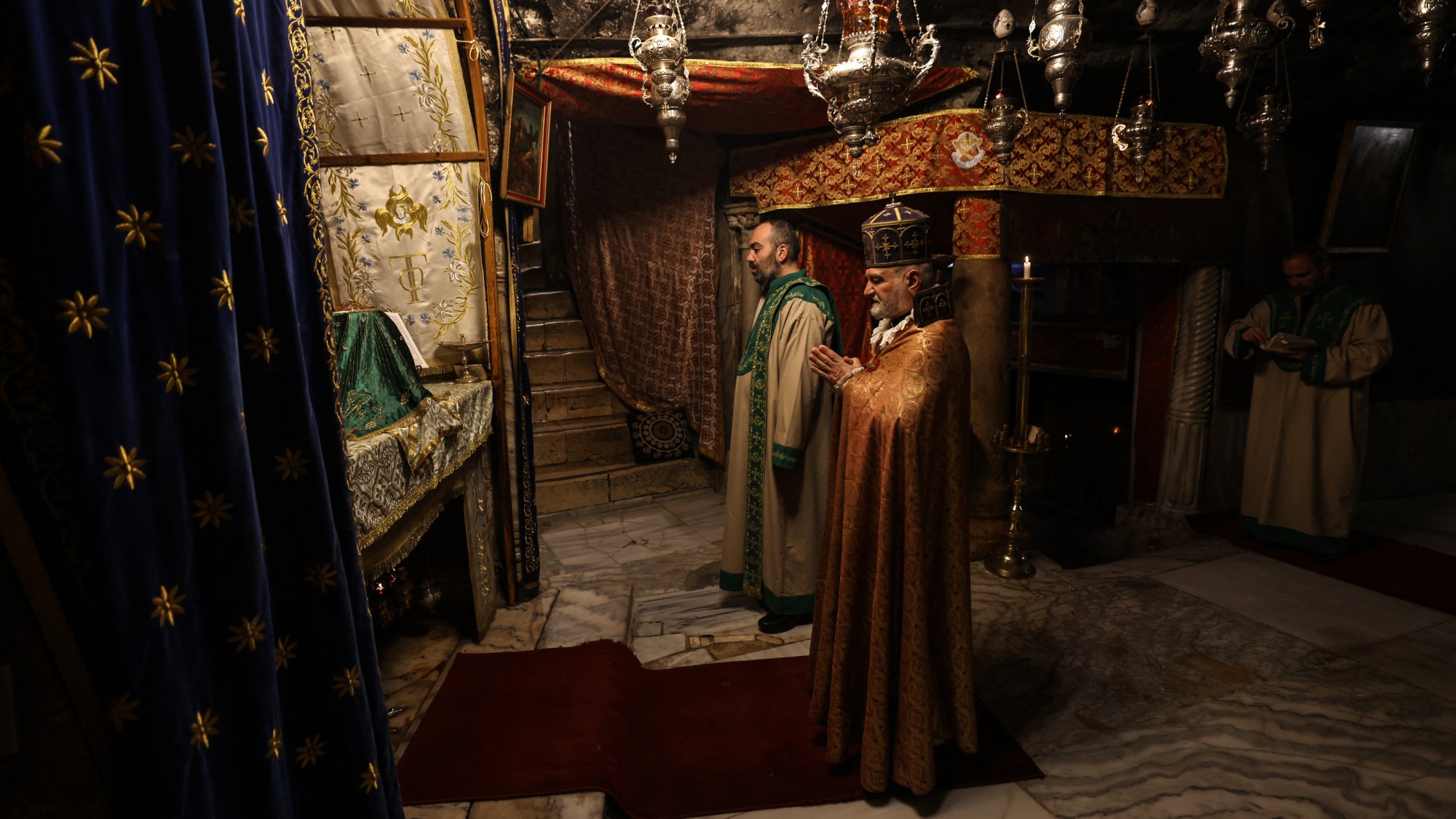
    O Little Town of Bethlehem

    Members of the clergy pray in the grotto where Christ is believed to have been born beneath the Church of the Nativity in Bethlehem, in the Israeli-occupied West Bank. The Palestinian city is celebrating its first festive Christmas since the Gaza war began.

    Hazem Bader / AFP / Getty Images


    Puzzles

    Daily crossword

    Test your general knowledge with The Week’s daily crossword, part of our puzzles section, which also includes sudoku and codewords

    Play here


    THE WEEK RECOMMENDS

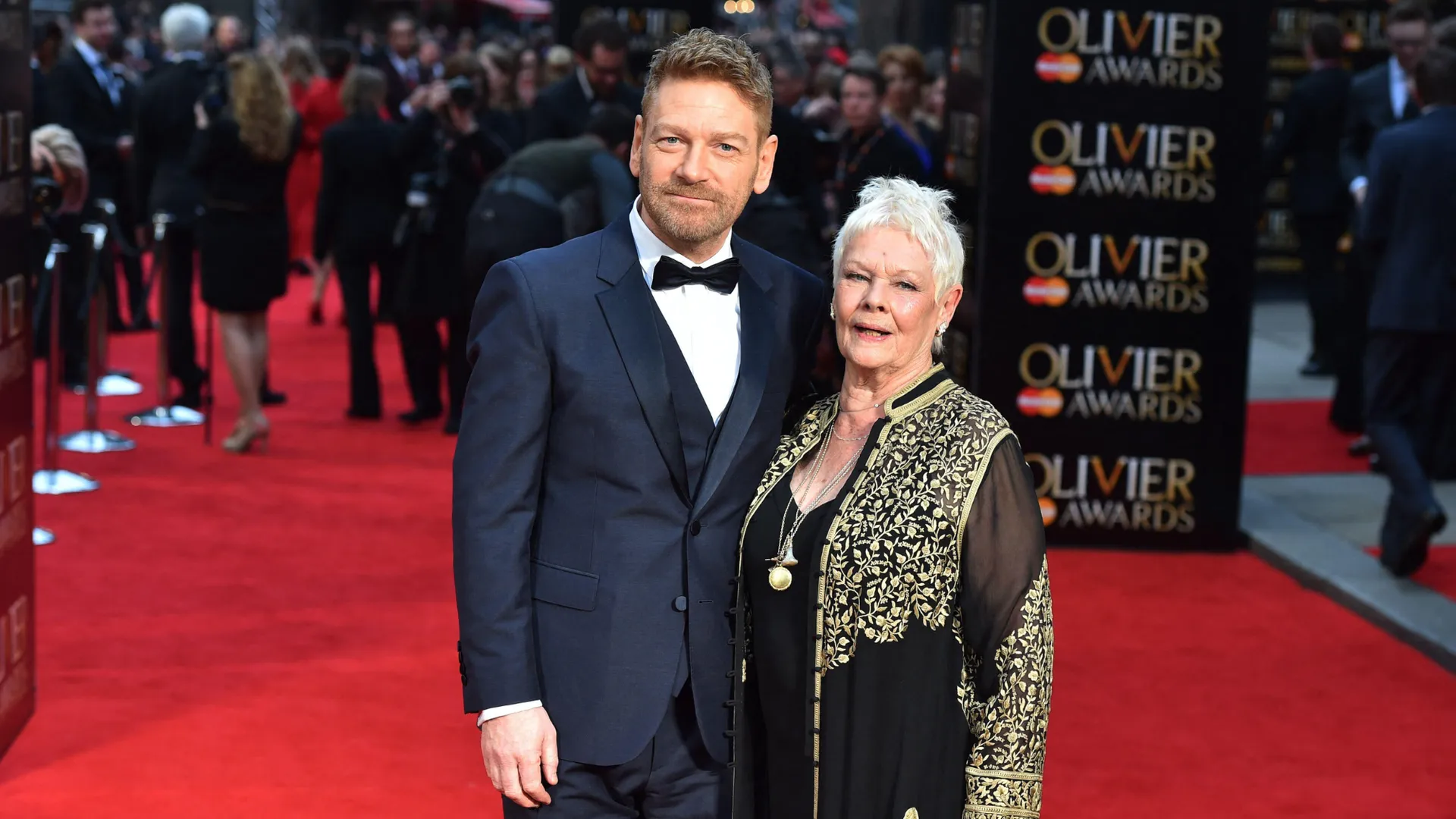
    Tea with Judi Dench: must-watch Christmas TV

    “Tea with Judi Dench” is “the most touching TV you’ll watch all Christmas”, said Stuart Heritage in The Guardian. On the surface, it doesn’t sound that exciting. “Someone comes to visit Dench for a cup of tea and that’s literally it” – which could be “dispiriting” were it not so “relentlessly charming”.

    Kenneth Branagh is Dench’s guest at her home in Surrey, and the pair – who have been friends for almost 40 years – have a “lovely, easy, breezy relationship”. Over the next 45 minutes, the actors “natter away pleasantly with no real direction”.

    Blending “personal anecdotes” with “rarely seen archive material”, this “unflinching” documentary opens the doors to the Oscar-winning actor’s “stunning” country home, said Emma Guinness in the Daily Mail.
    Dench gets “tearful” as she reflects on the loss of her late husband Michael Williams, who died of lung cancer in 2001. We’re also “treated to more lively conversation, humorous insights and moments of genuine candour and emotion”.

    The parts that “interested me the most are when she talks of memory”, said A.N. Wilson in The Times. Like many nonagenarians, Dench explains how she often can’t remember what happened the day before – but the “consoling thing” is that her head is still filled with Shakespeare.

    Dench is an “extraordinarily intent listener” and a “nimble” interviewer, said Heritage in The Guardian. She manages to tease out details from Branagh that might otherwise have been left unsaid. It’s a style that risks encouraging “indulgent waffle”, but for “Tea with Judi Dench”, an edited show about two very old, close friends, it’s “perfectly pitched”.


    Statistic of the day

    5.1 million mph: The speed at which Father Christmas will have to travel tonight to deliver presents to children worldwide. According to calculations by physicist Laura Nicole Driessen of the University of Sydney, Santa’s sleigh needs to move at 0.8% of the speed of light to get the job done.


    instant opinion

    Today’s best commentary

    New geopolitical words we learned in 2025
    Elisabeth Braw on Foreign Policy
    The world has “split into different, increasingly fractious economic and political blocs”, writes Elisabeth Braw, so “multipolarization” should take the honours as the “geopolitical word of the year”. Other phrases of note include “asylum fatigue”, “drone wall”, “narcoterrorism” and “supply chain sovereignty”. And because no list would be complete without “something related” to Donald Trump, there’s “TACO”: “nothing to do with” Mexican food and “everything to do” with US tariffs from which “Trump Always Chickens Out”.

    Everyone has forgotten party etiquette
    Philip Womack in The Spectator
    It used to be the “height of rudeness” not to turn up to a party after saying you would, writes Philip Womack. Now, “people don’t even bother RSVPing”. That request is “a polite way of saying please bloody well answer” so I don’t “order too much food and wine”. If there’s a party invite that you haven’t answered yet, “now’s the time”, or your hosts “may decide that if you can’t be bothered, neither can they”.

    Stick with family, whatever it says online
    Sarah Ditum in The Times
    “Spending time with family can feel more like an obligation than a pleasure,” writes Sarah Ditum, and many of us might “fantasise” about “opting out”. There can be “good reasons why someone might choose estrangement”, but social media has swung the pendulum too far and “never speaking to your family again” is now considered “obviously healthy”. Relatives can be “flawed” but that doesn’t “qualify as ‘toxic’”, whatever TikTok says. “Sometimes, love means shrugging off the disagreements” and “just rubbing along”.


    word of the day

    Bonheur

    “Happiness” in French, and one of the high-frequency words that students in England and Wales will learn as part of a shake-up of language GCSEs. Stock textbook phrases such as “où est la piscine?” will be ditched in favour of a focus on a more modern vocabulary featuring words such as “diversity, internet, fashion, protest and blog post”, according to The Times.


    Evening Review was written and edited by Jamie Timson, Rafi Schwartz, Will Barker, Chas Newkey-Burden, Helen Brown, Irenie Forshaw, Stephanie Jones and Kari Wilkin, with illustrations from Stephen Kelly.

    Image credits, from top: Martin Pope / Getty Images; Simon Dack / Keystone / Hulton Archive / Getty Images; illustration by Stephen Kelly / Getty Images; Hazem Bader / AFP / Getty Images; Matt Crosick / Alamy

    Morning Report and Evening Review were named Newsletter of the Year at the Publisher Newsletter Awards 2025
     

    Recent editions

    • Morning Report

      Epstein and ‘The Invisible Man’

    • Evening Review

      Is Starmer being hoodwinked by China?

    • Morning Report

      Denmark furious as Trump appoints Greenland envoy

    VIEW ALL
    TheWeek
    • About Us
    • Contact Future's experts
    • Terms and Conditions
    • Privacy Policy
    • Cookie Policy
    • Advertise With Us
    • FAQ
    Add as a preferred source on Google

    The Week UK is part of Future plc, an international media group and leading digital publisher. Visit our corporate site.

    © Future Publishing Limited Quay House, The Ambury, Bath BA1 1UA. All rights reserved. England and Wales company registration number 2008885.