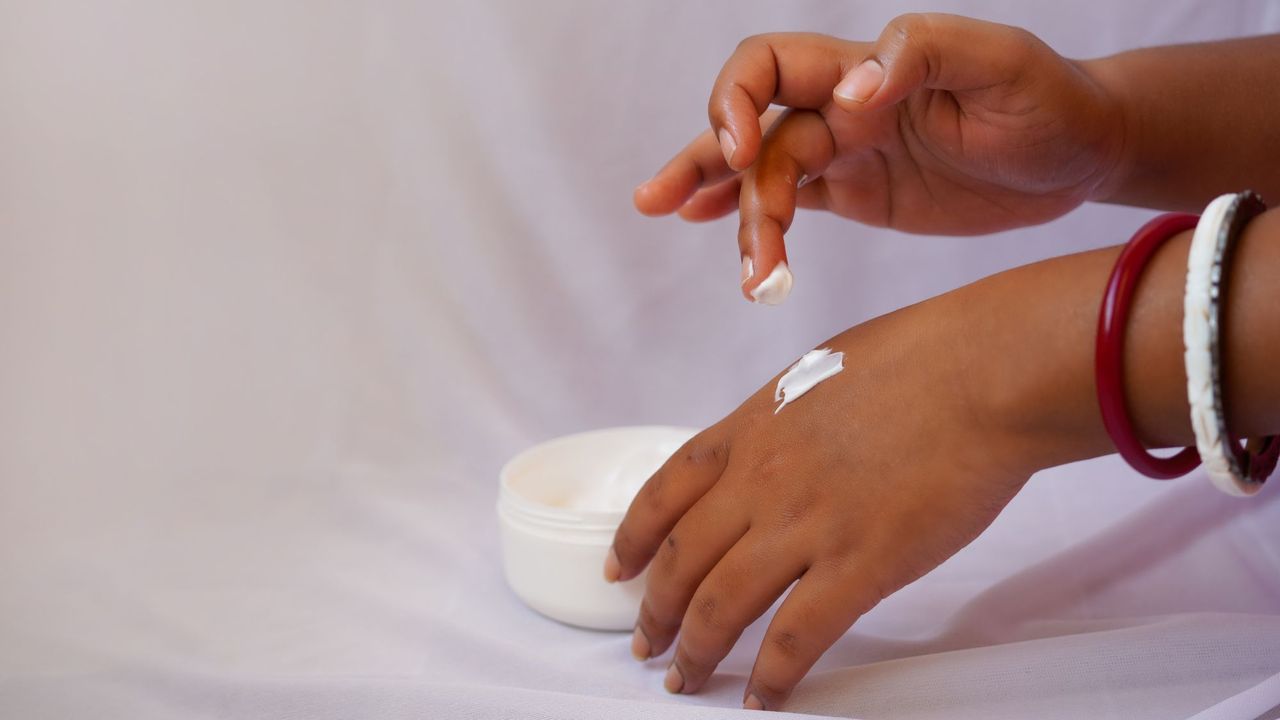
Illegal skin-lightening products are on sale in UK outlets ranging from grocery and specialist food stores to butcher shops, a watchdog has warned. The Chartered Trading Standards Institute is urging consumers to avoid these harmful creams, oils, lotions and serums and to report the shops and online retailers that continue to sell them.
‘Invisible’ health hazards
Skin-lightening creams containing certain dangerous ingredients were banned in the UK and the EU in 2001. Authorities say anyone found selling the illicit products in the UK will face prosecution, but enforcement has turned into a game of whack-a-mole, with seized stock quickly replaced. A South London retailer was recently fined £30,000 after twice being caught stocking banned skin-lightening products.
Such products generally are “not labelled with mandatory safety or traceability information, a sign they may contain banned substances”, said The Voice. These include hydroquinone, a prescription-only compound that if used without medical oversight, can cause irritation and eye damage. Once absorbed into the bloodstream, it may also “overload the liver and kidneys”, said Chemistry World. Another common ingredient, mercury, can cause high blood pressure, rapid weight gain, renal damage and “can even be transferred to infants through breastmilk, carrying silent, long-term health risks”.
Many of the most serious health impacts of these products are initially “invisible”, so consumers “underestimate the danger” – until it is too late.
Driven by colourism
The illicit UK skin-lightening market is just part of a “thriving, multi-billion-dollar industry” trading on the notion that “lighter skin is worth chasing – no matter the cost”, said The McGill International Review. Such ideas date back to the “colonial belief that lighter skin conferred greater worth”, said The Guardian. Even now, the myth “seems to endure” in many countries worldwide, particularly for women of colour.
Hoardings advertising skin-lightening products and featuring “images of white or lighter-skinned black women” are a common sight across African cities, said NPR. There are also creams marketed specifically for use on children. Multiple African nations have banned products containing harmful ingredients, and Nigeria declared a state of emergency over the issue in 2023. Even so, the industry continues to boom.
|