The Week The Week
flag of US
US
flag of UK
UK
https://cdn.mos.cms.futurecdn.net/skoGBi9qKFoUtnNWkovjJQ.jpg

SUBSCRIBE

Try 6 Free Issues

Sign in
  • View Profile
  • Sign out
  • The Explainer
  • Talking Points
  • The Week Recommends
  • Podcasts
  • Newsletters
  • From the Magazine
  • The Week Junior
  • More
    • Politics
    • World News
    • Business
    • Health
    • Science
    • Food & Drink
    • Travel
    • Culture
    • History
    • Personal Finance
    • Puzzles
    • Photos
    • The Blend
    • All Categories
  • Newsletter sign up Newsletter
  • WeekDay AM: 10 Things you need to know this morning
    UK helps seize tanker, a fatal ICE operation, and the rise of the deathbed marriage 

     
    today’s international story

    UK forces aid US seizure of Russian oil tanker

    What happened
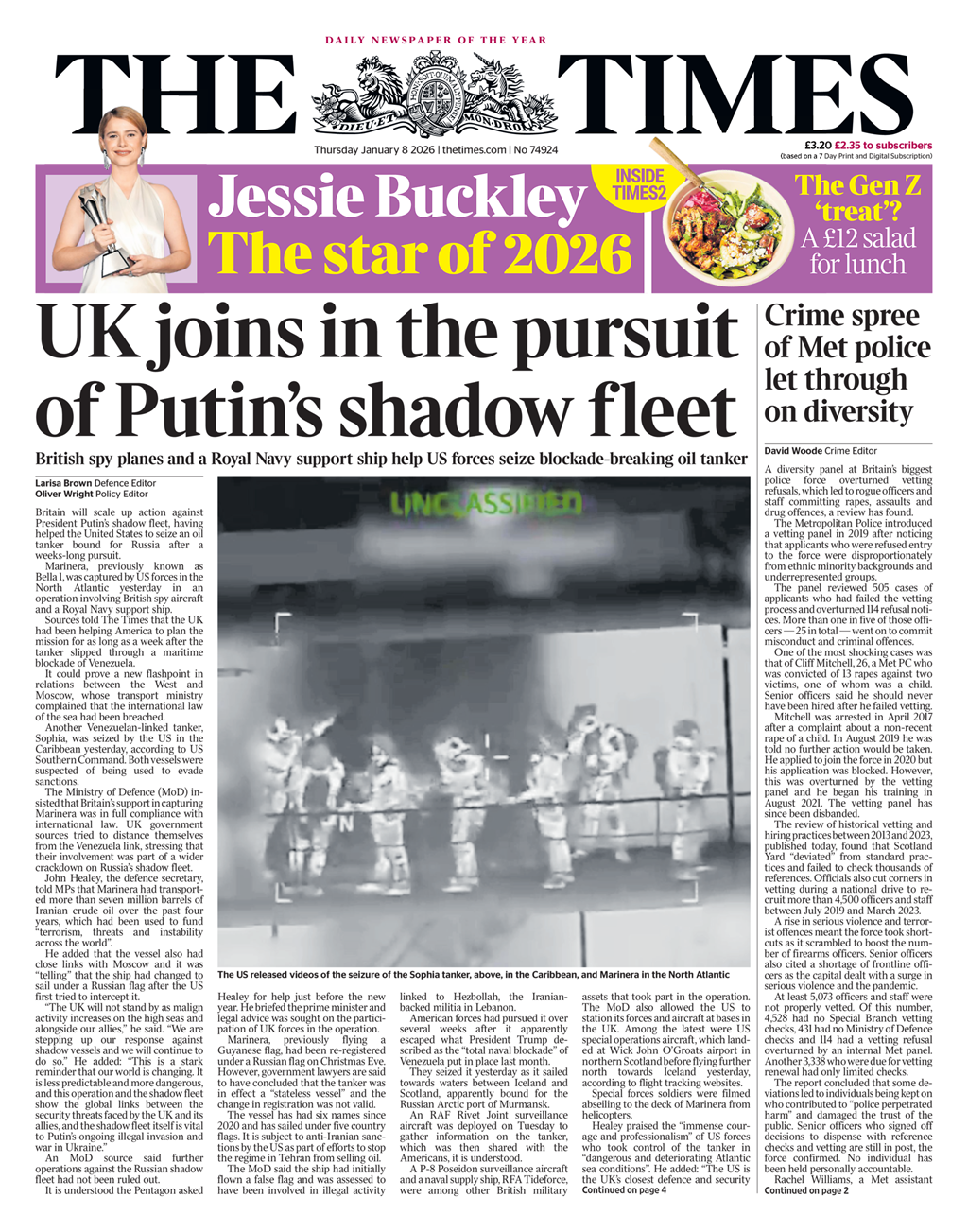
    British military assets have assisted a US-led mission that resulted in the boarding and capture of a Russian-registered oil tanker in waters between Iceland and the UK. The vessel, now called Marinera but formerly operating as Bella 1, was intercepted after being tracked for roughly a fortnight. American Coast Guard units and special forces carried out the boarding, with UK aircraft and bases enabling the operation. Russian naval units, including a submarine, were operating nearby, raising the stakes of the encounter.

    Who said what
    The Ministry of Defence confirmed that Britain provided logistical and basing assistance following a US request. Defence Secretary John Healey said the ship had a “nefarious” past and linked it to a “Russian-Iranian axis”, adding that the UK would intensify action against sanctions evasion. In Washington, officials said the tanker was subject to a US court warrant and accused it of breaching restrictions on Venezuelan oil. 

    The move to seize the Marinera, along with a second tanker the M/T Sophia in the Caribbean yesterday, “comes as the US seeks to choke off most exports of Venezuelan crude oil”, said Jaroslav Lukiv on the BBC. The twin operations represent a “significant escalation in the (Trump) administration’s campaign to capture sanctioned ships”, said Paul McLeary on Politico.

    What next? 
    The US has signalled further enforcement actions will continue as part of its broader strategy to control Venezuelan oil exports. 


    today’s US news story

    Conflicting accounts after ICE agent shoots bystander

    What happened
    Protests have erupted after a woman was fatally shot by a US Immigration and Customs Enforcement (ICE) agent in Minneapolis during a federal immigration operation. Homeland Security said agents were obstructed while conducting targeted arrests. Video shows officers surrounding a burgundy SUV and ordering the driver to get out. As the vehicle reverses and then moves forward, an agent fires three shots, after which the car hits a parked vehicle and a light pole. Police said the middle-aged woman appeared to be an uninvolved bystander.

    Who said what
    Homeland Security spokesperson Tricia McLaughlin said the driver “weaponised her vehicle”, and that the agent fired “defensive shots”. Homeland Security Secretary Kristi Noem labelled the incident “an act of domestic terrorism.” Minneapolis Mayor Jacob Frey rejected that account, saying after viewing the footage: “I want to tell everybody directly that is bullshit.” 

    What next?
    Federal officials have “framed their crackdown as a response to illegal immigration”, said Julie Bosman in The New York Times. Local leaders have disputed the need for ICE’s deployment and demanded they leave the city as federal authorities review the shooting.


    Today’s road safety story

    Drink-drive limit set to be slashed

    What happened
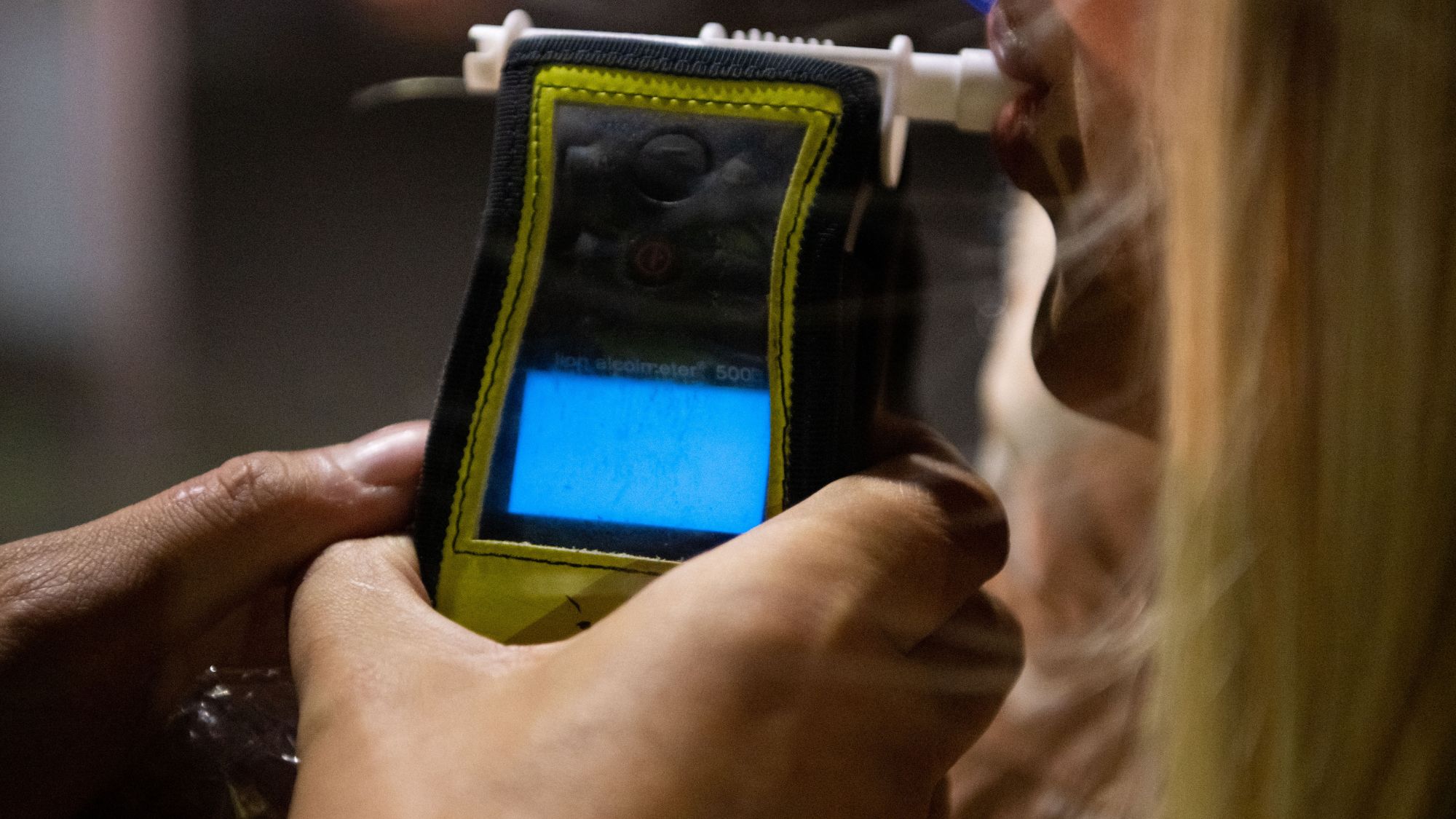
    Drivers in England and Wales have been advised to abstain from alcohol altogether when driving, as the government prepares to lower the drink-drive limit for the first time since 1967.

    Who said what
    “How quickly someone goes over the limit depends on age, metabolism and whether they have eaten,” said The Sun, but a lower threshold than the current 35 micrograms per 100 millilitres of breath could put some drinkers over the limit after one pint or a large glass of wine. 

    Transport minister Lilian Greenwood told Sky News that the “best advice” was not to drink at all. “If you’re going to drive, don’t have a drink. If you want to have a drink, leave your car at home.” Reform UK leader Nigel Farage said a lower limit would be a “death knell” for rural pubs whose trade relies on motorists.

    What next?
    The specifics of the Road Safety Strategy will be unveiled today, but it is thought the limit in England and Wales could be lowered to 22 micrograms, “bringing those nations into line with Scotland”, said The Independent.


    It’s not all bad

    Two futuristic transport ideas unveiled at the CES tech show in Las Vegas promise to make getting around faster and more fun. French start-up Aemotion showcased an ultra-slim electric microcar that tilts like a motorbike, seats two, protects riders from the weather and could save commuters hundreds of hours lost to traffic. Meanwhile, the jet-powered LEO JetBike offers thrill-seekers a safe, licence-free taste of low-altitude electric flight.


    under the radar

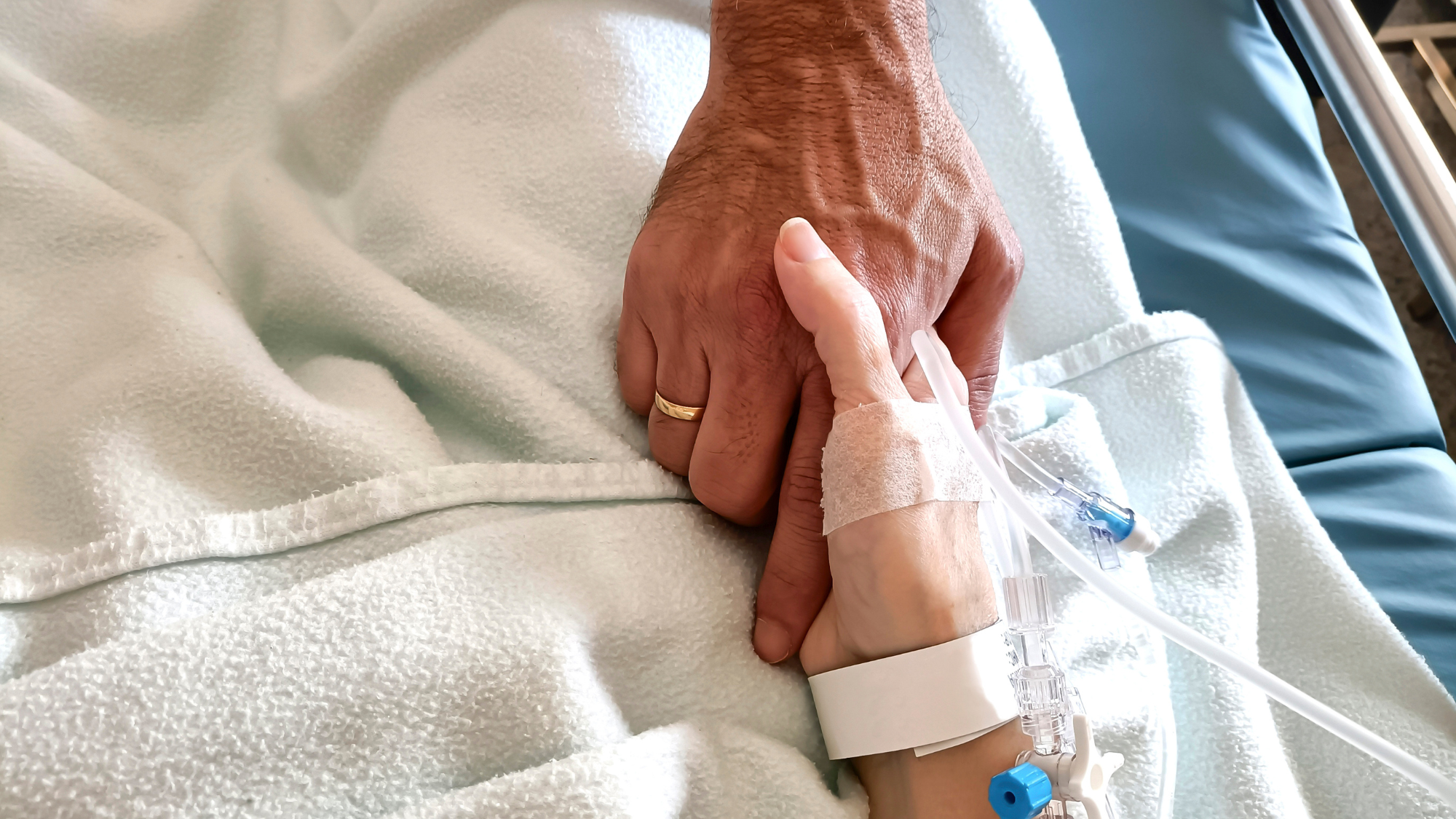
    Rise of the deathbed marriage 

    Increasing numbers of people are saying “I do” at the eleventh hour – although it may not be so much the “ultimate romantic gesture” as “simply a sensible financial move”, said The Times.

    “So-called deathbed marriages” have increased by 13.5% in the past year, according to recently released General Register Office data. More than 1,600 couples applied for a short-notice marriage in England and Wales in the year up to March 2025, General Register Office statistics show – an uptick from 1,567 in 2024 and 1,420 in 2023, and a big jump from 500 or so a decade ago. 

    The rise could be explained by the “growing trend” for couples to live together instead of marrying, said Alison Fernandes, a partner at Hall Brown family law solicitors, told The Times. This means more people find themselves facing death with a cohabiting, rather than married, partner – and that can have an effect on inheritance. 

    The appeal of deathbed marriages is the ability to “dodge hefty inheritance tax bills”, said the Daily Mail. Only married couples and civil partners can inherit each other’s assets without having to pay death duties.

    A terminally ill person will often want to tie the knot quickly once they understand that, if they remain unmarried, their other half will be hit with inheritance tax or miss out on a pension. “People don’t realise,” Fernandes told The Times. “They think it’s nicer to live together but, financially, it’s a no-brainer” to get married.


    on this day

    8 January 1940

    Britain introduced food rationing to ensure fair distribution of supplies in response to shortages caused by the outbreak of the Second World War. In recent months, industry experts have raised alarm about the fragility of the UK’s food supply chain in the event of a similar global catastrophe.


    Today’s newspapers

    ‘Putin pursuit’

    The UK has joined the “pursuit of Putin’s shadow fleet”, says The Times, which has provoked “fury” at the Kremlin, The Independent says. The UK is “ready to seize more of Putin’s shadow ships”, as the “grey war” grows, says The i Paper. “You need to be on fat jabs for life”, experts tell the Daily Mail. “Our pub-owning dreams are facing a terrible fate”, says The Telegraph, responding to Labour’s new drink-driving plans. “Look who’s Huw”, says The Sun, reporting on the casting of Martin Clunes in a new drama about former BBC News presenter, Huw Edwards.

    See the newspaper front pages


    tall tale

    Influencing immigration

    A US visa scheme designed for “individuals with an extraordinary ability in the arts” is being flooded with applications from social media influencers and OnlyFans content creators, according to a report in the Financial Times. Some immigration lawyers told the FT that more than half of their business now comes from influencers looking to land an O-1B visa, using their follower count and online reach as proof of their “extraordinary ability”.


    Morning Report was written and edited by Arion McNicoll, Rebecca Messina, Harriet Marsden, and Chas Newkey-Burden.

    Image credits, from top: Kristi Noem via X; Stephen Maturen / Getty Images; Finnbarr Webster / Getty Images; Elizabeth Fernandez / Getty Images.

    Morning Report and Evening Review were named Newsletter of the Year at the Publisher Newsletter Awards 2025
     

    Recent editions

    • Evening Review

      Artemis II: back to the Moon

    • Morning Report

      Britain signs deal to deploy troops to Ukraine

    • Evening Review

      Would Europe defend Greenland?

    VIEW ALL
    TheWeek
    • About Us
    • Contact Future's experts
    • Terms and Conditions
    • Privacy Policy
    • Cookie Policy
    • Advertise With Us
    • FAQ
    Add as a preferred source on Google

    The Week UK is part of Future plc, an international media group and leading digital publisher. Visit our corporate site.

    © Future Publishing Limited Quay House, The Ambury, Bath BA1 1UA. All rights reserved. England and Wales company registration number 2008885.