The Week The Week
flag of US
US
flag of UK
UK
https://cdn.mos.cms.futurecdn.net/flexiimages/jzblygzdxr1769609154.gif

SUBSCRIBE

Try 6 weeks free

Sign in
  • View Profile
  • Sign out
  • The Explainer
  • Talking Points
  • The Week Recommends
  • Podcasts
  • Newsletters
  • From the Magazine
  • The Week Junior
  • More
    • Politics
    • World News
    • Business
    • Health
    • Science
    • Food & Drink
    • Travel
    • Culture
    • History
    • Personal Finance
    • Puzzles
    • Photos
    • The Blend
    • All Categories
  • Newsletter sign up Newsletter
  • WeekDay AM: 10 Things you need to know this morning
    Landmark tech ruling, Iran rejects US truce, and South Africa’s anti-migrant movement

     
    today’s international story

    Jury finds social media giants liable for teen harm

    What happened
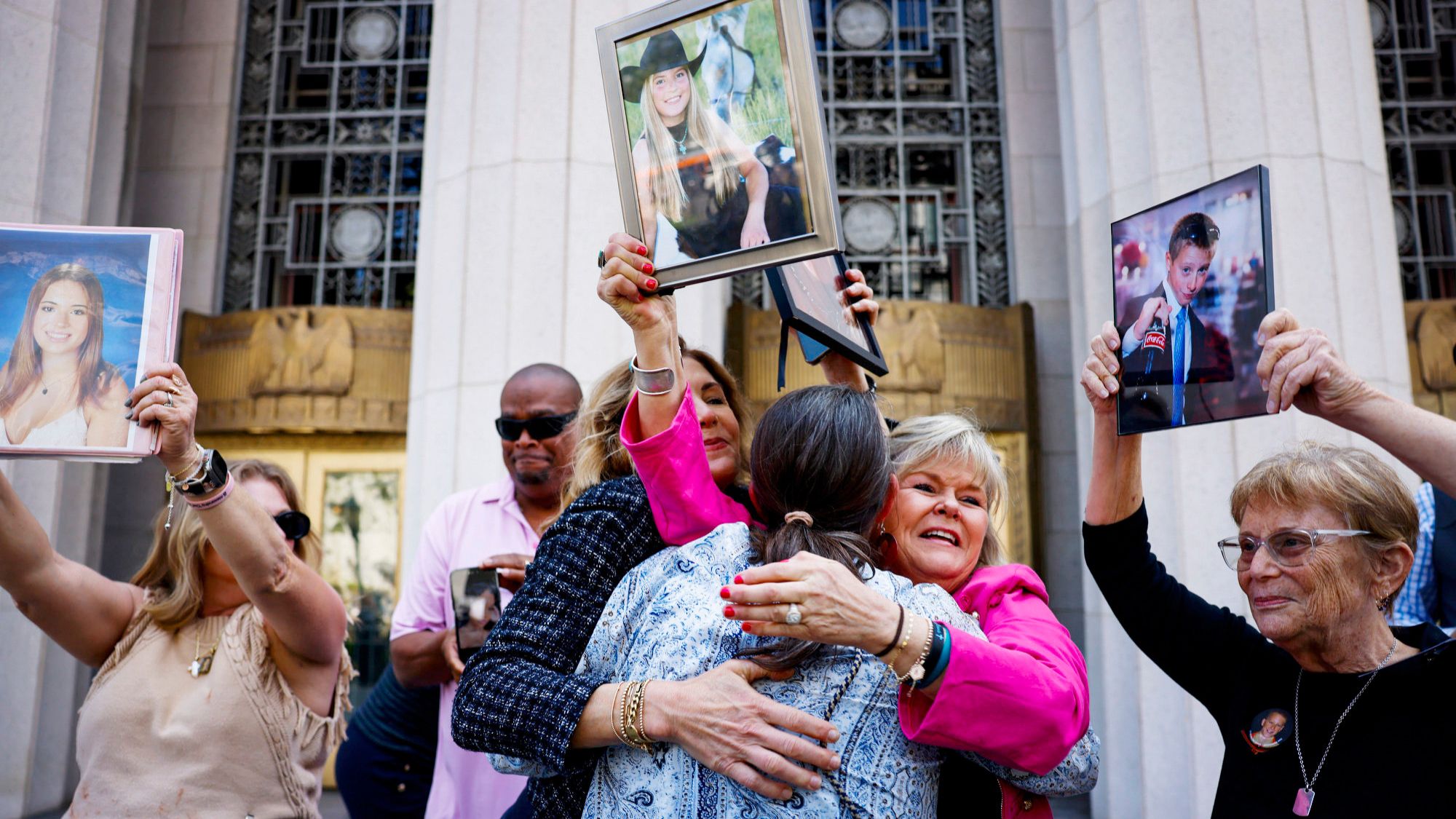
    A civil jury in Los Angeles has ruled in favour of a 20-year-old woman who brought legal action against Meta and Google over the impact of their platforms during her childhood. The panel concluded that the companies knowingly created features that encouraged excessive use, contributing to her mental health struggles. The plaintiff, identified as Kaley, was awarded $3 million (£1.6 million), with Meta, which owns Instagram, Facebook and WhatsApp, assigned 70% of the liability and Google, owner of You Tube, 30%.

    Who said what
    Kaley told the jurors: “I stopped engaging with family because I was spending all my time on social media.” Her legal team argued that the platforms functioned as “addiction machines”. In response, Meta said: “Teen mental health is profoundly complex and cannot be linked to a single app.”

    The plaintiffs’ arguments “mirrored those brought against big tobacco in the 1990s”, said Dara Kerr in The Guardian. Those focused on “cigarettes’ addictive qualities as well as companies’ public denial despite knowledge of their products’ harms”.

    What next?
    Both companies have indicated that they will challenge the decision. Additional damages are yet to be determined and could significantly increase the payout. Meanwhile, further cases are set to proceed, including another trial in California later this year.


    today’s technology story

    UK to trial youth social media ban

    What happened
    Scores of British teenagers will experience an Australian-style social media ban as part of a government consultation to establish whether it should be introduced nationwide.

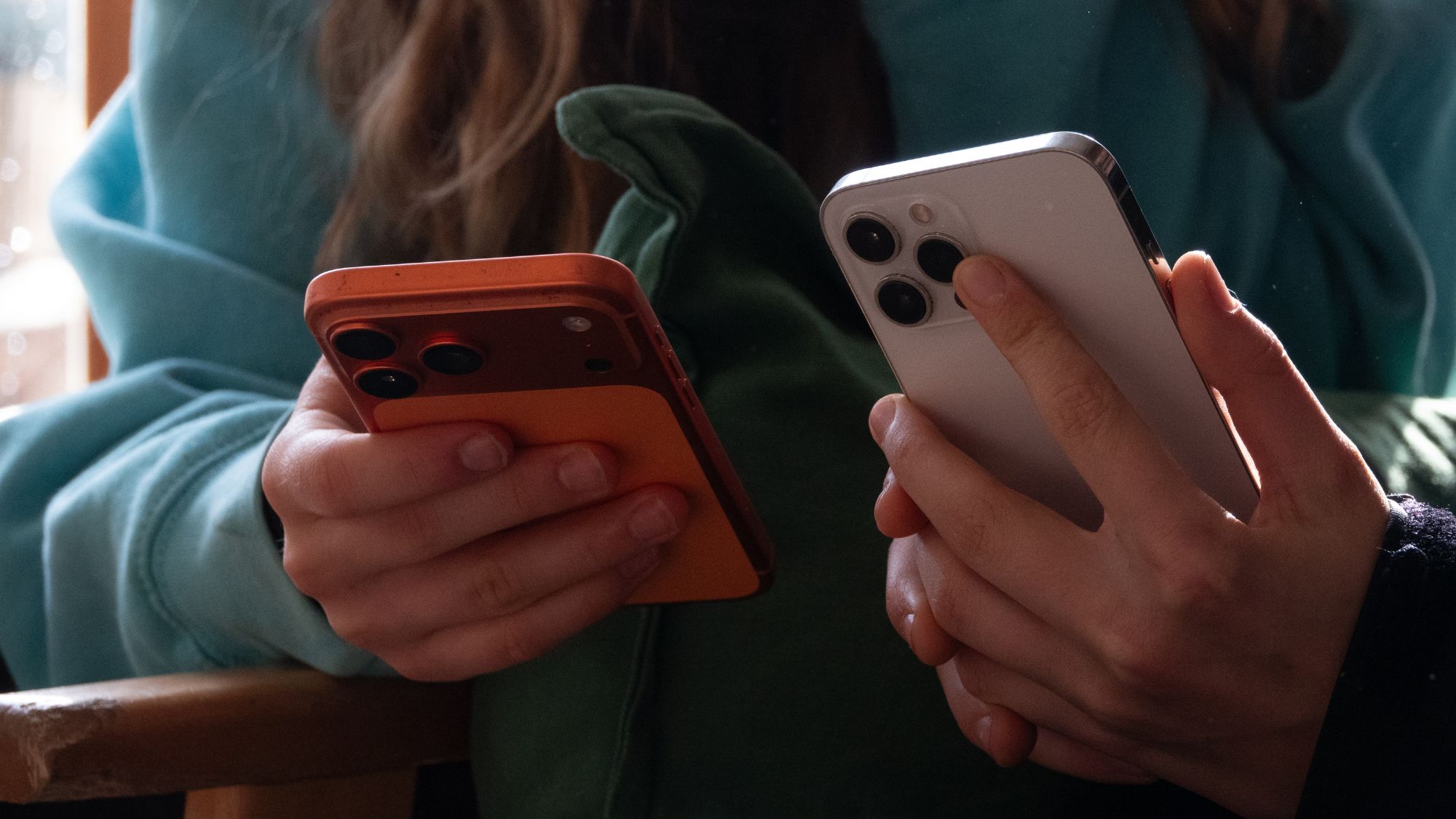
    A proportion of 300 teens across all four nations of the UK will have their social apps completely disabled, “mimicking the enforcement of a social media ban at home”, said the government. Another group will have access blocked overnight or capped to one hour’s use on the most popular social media apps for teenagers, including Instagram, TikTok and Snapchat. Others will experience no restrictions at all, so that the test group’s experiences can be compared.

    Who said what
    Run by the Department for Science, Innovation and Technology, “the trial comes as ministers consider possible measures to keep children safe online”, said The Times.

    The government has “come under increasing pressure to follow Australia’s move to block access to social media sites for under-16s”, said The Guardian, with France, Spain and Indonesia “also considering such a ban”.

    What next?
    The government’s consultation on an Australian-style social media ban is set to conclude on May 26.


    Today’s diplomacy story

    ‘Derisive’ Iran rebuffs US peace plan

    What happened
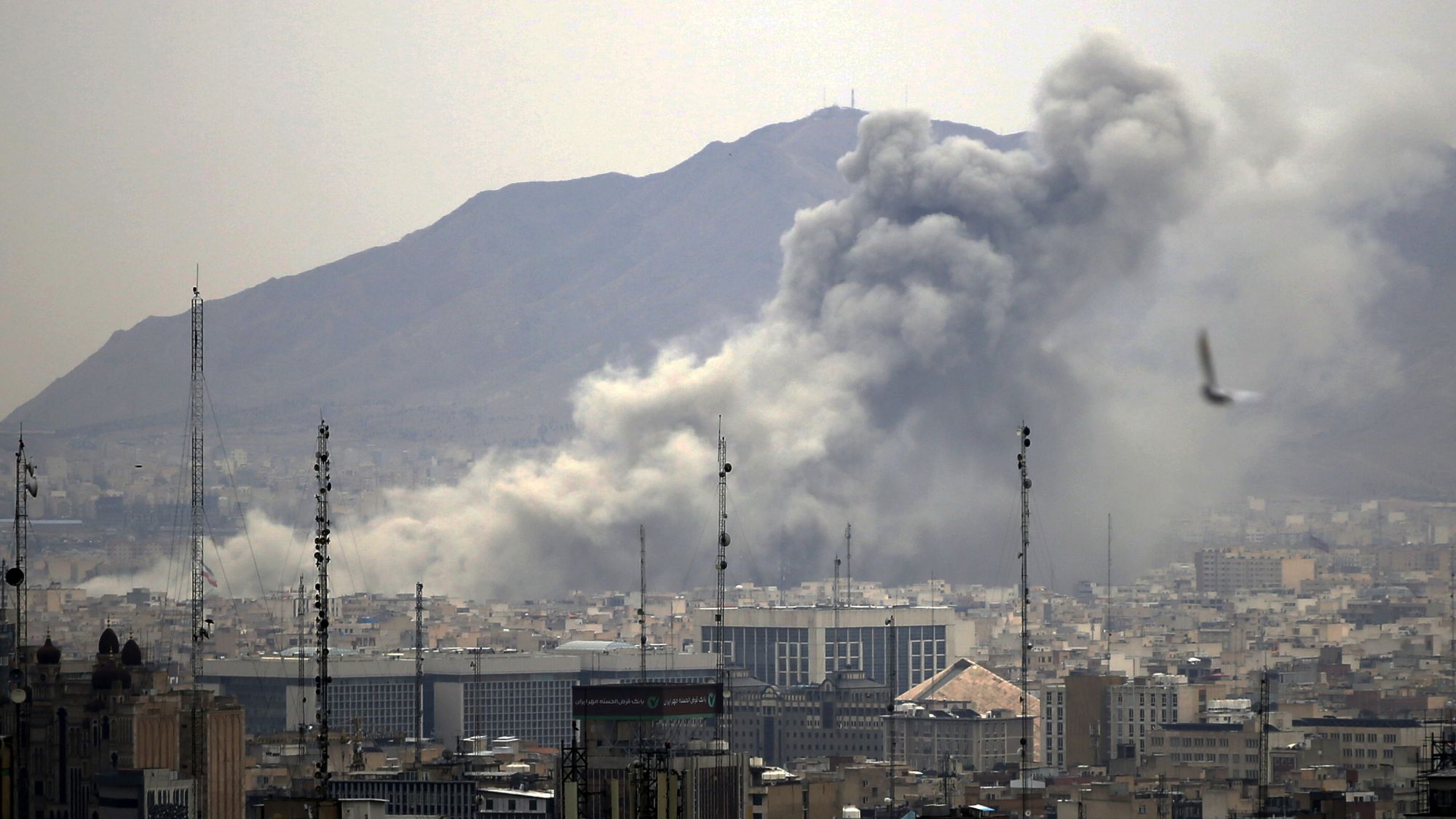
    Iran has dismissed a proposed peace framework from the White House, despite confirming that messages have been passed indirectly through intermediaries. Officials in Tehran said they had no intention of entering into direct negotiations with Donald Trump. The US plan, which includes limits on nuclear activity and missile capabilities, was rejected outright, with Iran responding with its own list of maximalist demands. 

    Who said what
    Iran’s Foreign Minister Abbas Araghchi said exchanges via mediators “does not mean negotiations”. An Iranian official added: “Iran will end the war when it decides to do so, and when its own conditions are met.” From Washington, White House press secretary Karoline Leavitt warned: “President Trump does not bluff and he is prepared to unleash hell.”

    “We’ve reached the stage where even the Iranians are trolling Trump,” said Sean O’Grady in The Independent. The US president’s claim that Iran had sent him a “very significant prize” and was desperate for peace prompted a “derisive” reply from the Iranian leadership that “the man who started this latest conflict is only negotiating with himself”.

    What next?
    Further military deployments and looming deadlines suggest that the risk of a broader confrontation remains high.


    It’s not all bad

    Padel’s surge in popularity across the UK is delivering a welcome health boost, with 860,000 people picking up a racket last year, according to the Lawn Tennis Association. The fast-paced sport that combines tennis and squash, regarded as being easy for beginners to learn, is attracting players seeking physical activity and social connection. High-profile fans including Andy Murray and Cristiano Ronaldo have helped fuel padel’s rise.


    under the radar

    South Africa’s anti-migrant movement

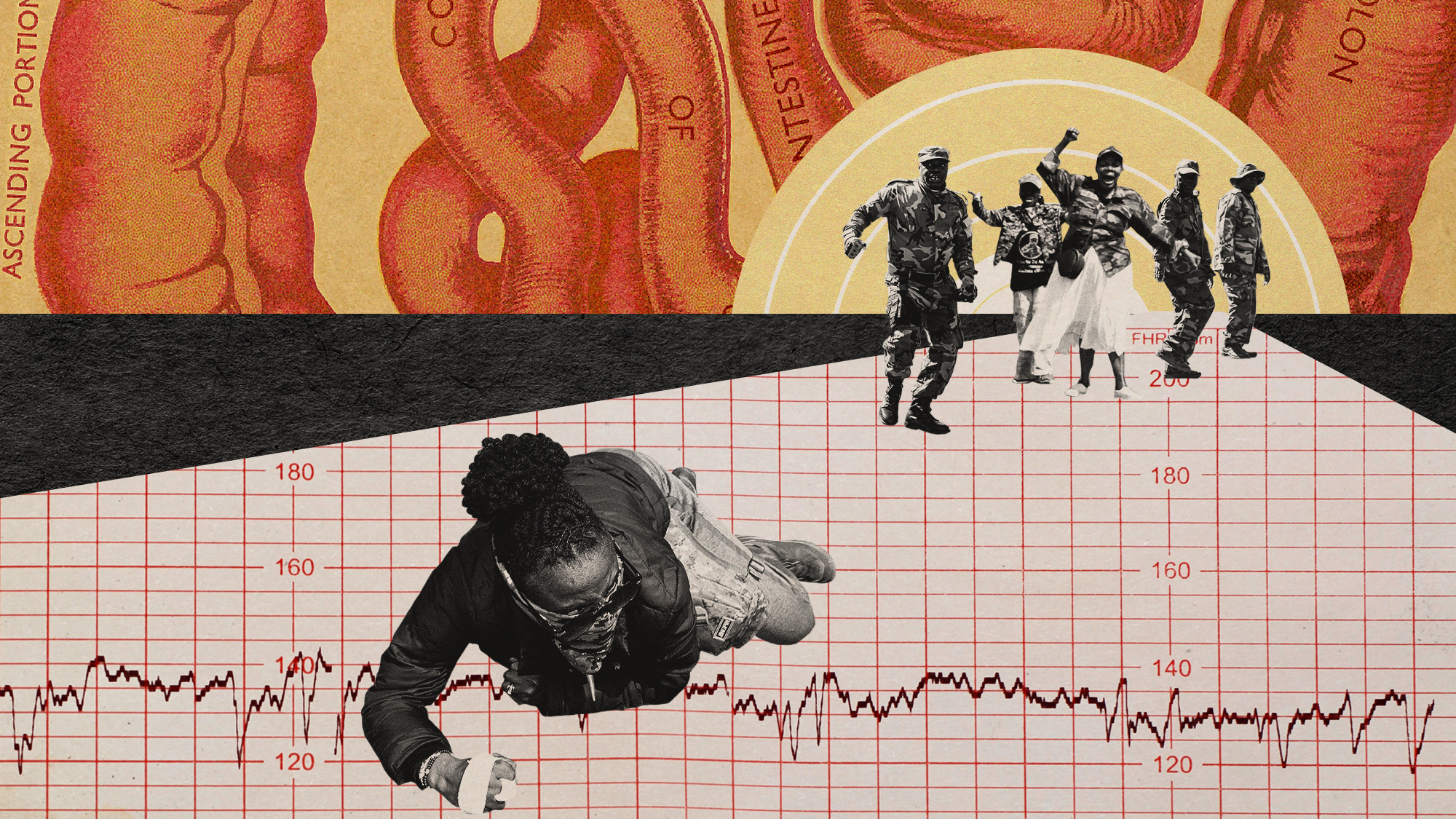
    Activists have returned to court in South Africa to try to enforce a court order banning an anti-migrant group from blocking foreign nationals from accessing public health facilities and schools.

    The campaigners say that migrants and their children are still being barred from two Johannesburg clinics by Operation Dudula, a controversial group, despite a judge ordering authorities to “stop the harassment” in December, said News 24.

    In the Zulu language “dudula” means to remove something by force. The “populist movement” was founded in 2021 as a vigilante group working against crime and drug trafficking in the township of Soweto, just outside Johannesburg, said Deutsche Welle.

    Operation Dudula, now registered as a political party, also campaigns against migrants in South Africa, which is home to about 2.4 million of them, or just under 4% of the population. They come mainly from neighbouring countries such as Mozambique, Lesotho and Zimbabwe.

    The group’s supporters are known for “aggressive tactics”, including “forcing their way into residential buildings, searching for migrants, checking their ID cards and blocking access to public services”.

    In 2022, a report by the Institute for Security Studies in Pretoria found that many of Operation Dudula’s claims were based on exaggerations about the number and effect of foreign nationals in South Africa, including “false claims that immigrants commit the most crimes or overload public services”.

    But the “fringe movement poses no real threat” to the country’s democracy, Lizette Lancaster, one of the report’s authors, told DW, because “most South Africans, over 90%, do not support violence against migrants in their communities”.


    on this day

    26 March 1971

    Bangladesh, led by Sheikh Mujibur Rahman, declared its independence from Pakistan. Last month Tarique Rahman, a scion of the political dynasty, became the country’s prime minister in the first election held in Bangladesh since student-led protests toppled the last government – led by Sheikh Mujibur Rahman’s daughter Sheikh Hasina – in 2024.


    Today’s newspapers

    ‘Trump rage’

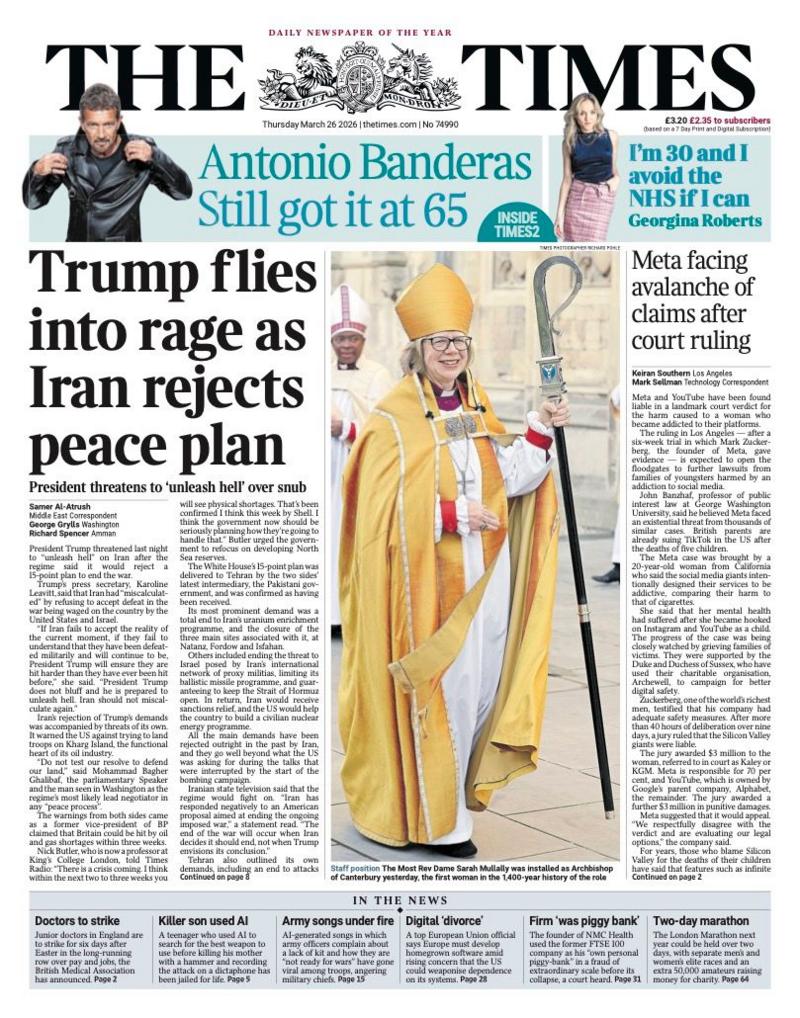
    “Trump flies into rage as Iran rejects peace plan”, The Times says. Tehran has counted with its “own plan” and “vows to continue fighting”, The Guardian says. “AI bot told teen to use a hammer to kill his mother”, says the Daily Mail. “Do your duty”, says The Mirror, reporting on a “new demand” for the “shamed former prince” Andrew Mountbatten-Windsor to give evidence in America. “Why isn’t Huw in jail?” asks The Sun. Kemi Badenoch vows to “protect safe spaces for women”, the Daily Express says.

    See the newspaper front pages


    tall tale

    Nipple power

    A Finnish man has used his body piercings to break the Guinness World Record for the heaviest vehicle pulled by the nipples, setting a new mark of 2,184 pounds (991kg). The professional circus performer, known as The Baron, got his partner to sit in a carriage to bring it up to weight on the set of Guinness World Records’ German TV show in Munich. He used his piercings and what he described as “the world’s strongest nipples” to pull the carriage, surpassing the record of 2,179.27 pounds set by Sage Werbock, an American who is also known as “The Great Nippulini”.


    Morning Report was written and edited by Arion McNicoll, Jamie Timson, Ross Couzens and Chas Newkey-Burden, with illustrations by Julia Wytrazek.

    Image credits, from top: Kayla Bartkowski / Los Angeles Times / Getty Images; Anna Barclay / Getty Images; Fatemeh Bahrami / Anadolu / Getty Images; Illustration by Julia Wytrazek / Getty Images.

    Morning Report and Evening Review were named Newsletter of the Year at the Publisher Newsletter Awards 2025
     

    Recent editions

    • Evening Review

      Are we heading for a global recession?

    • Morning Report

      US to send 3,000 more troops to the Middle East

    • Evening Review

      Could Iranian missiles reach London?

    VIEW ALL
    TheWeek
    • About Us
    • Contact Future's experts
    • Terms and Conditions
    • Privacy Policy
    • Cookie Policy
    • Advertise With Us
    • FAQ
    Add as a preferred source on Google Add as a preferred source on Google

    The Week UK is part of Future plc, an international media group and leading digital publisher. Visit our corporate site.

    © Future Publishing Limited Quay House, The Ambury, Bath BA1 1UA. All rights reserved. England and Wales company registration number 2008885.