The Week The Week
flag of US
US
flag of UK
UK
https://cdn.mos.cms.futurecdn.net/flexiimages/jzblygzdxr1769609154.gif

SUBSCRIBE

Try 6 weeks free

Sign in
  • View Profile
  • Sign out
  • The Explainer
  • Talking Points
  • The Week Recommends
  • Podcasts
  • Newsletters
  • From the Magazine
  • The Week Junior
  • More
    • Politics
    • World News
    • Business
    • Health
    • Science
    • Food & Drink
    • Travel
    • Culture
    • History
    • Personal Finance
    • Puzzles
    • Photos
    • The Blend
    • All Categories
  • Newsletter sign up Newsletter
  • WeekDay AM: 10 Things you need to know this morning
    Trump extends ceasefire, smoking ban passes, and is the Internet Archive history?

     
    today’s international story

    Trump extends ceasefire in dramatic climbdown

    What happened
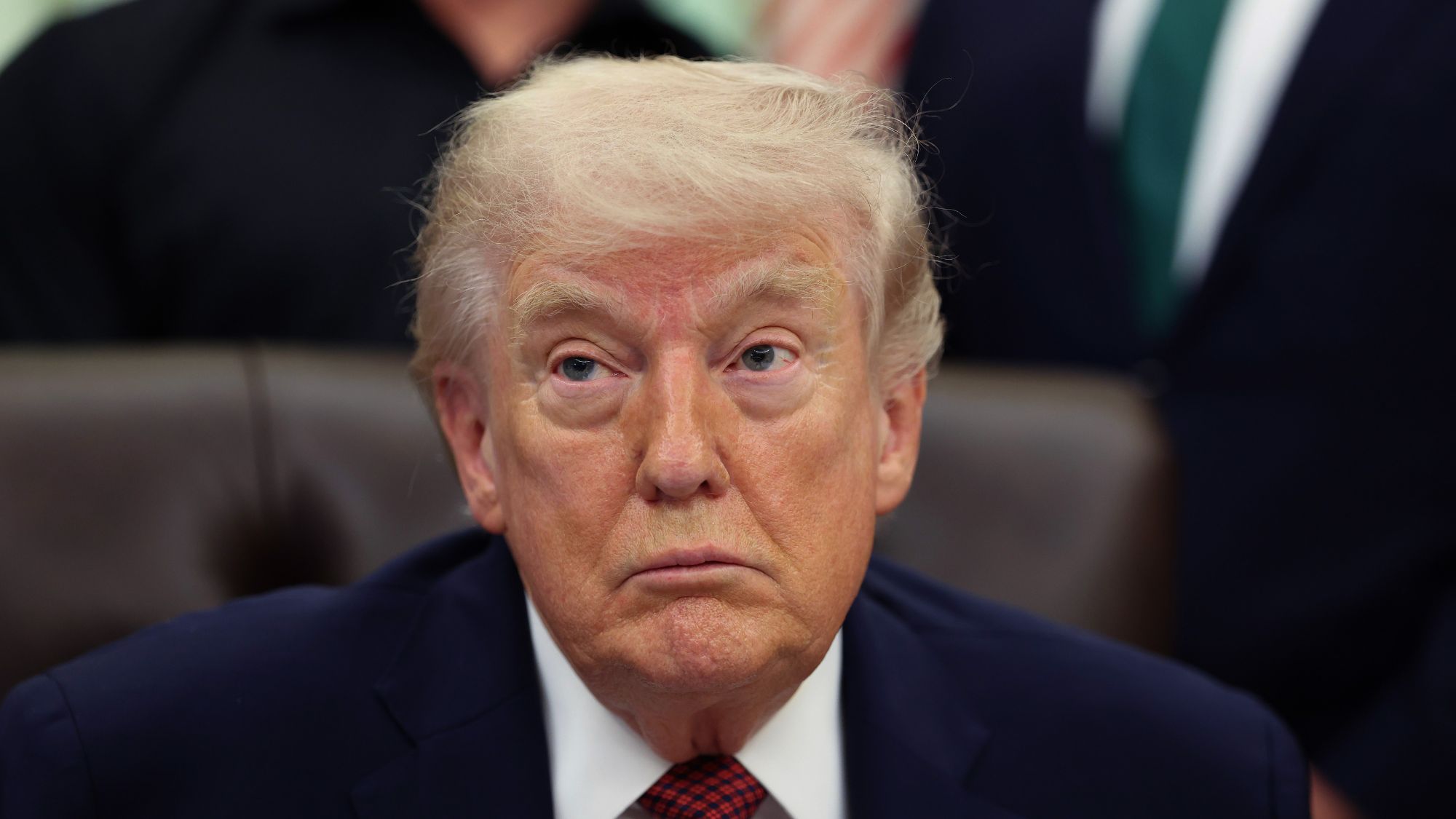
    Donald Trump has prolonged a temporary halt in hostilities with Iran, reversing his earlier suggestion that military action was imminent. The US president said the pause would remain in place while Tehran works on a unified proposal for talks, despite having earlier announced that he “expected to be bombing”.

    Who said what
    Referring to mooted negotiations, Trump wrote that he would unilaterally “extend the Ceasefire until such time as their proposal is submitted”. Iranian officials responded with scepticism. An adviser to parliamentary speaker Mohammad Bagher Ghalibaf dismissed the move as “a ploy to buy time for a surprise strike”, adding: “The losing side cannot dictate terms.”

    Trump’s declaration came in a “topsy-turvy day”, said The Guardian, in which an expected trip to Islamabad by JD Vance for talks with Iran was put on hold and Trump “ramped up his bellicose rhetoric”. Just hours earlier the president had said the US military was “raring to go”.

    What next?
    Attention now turns to whether Iran will engage in a second round of talks in Islamabad. An obstacle to progress on a deal is that “Trump and Israel killed Iran’s moderates” and “now the more hardline military has stepped into the power vacuum”, said Maira Butt in The Independent. Consequently, Tehran will likely be “much harder-line, much more nationalist and much less willing to compromise” in any talks, said Dr Vuk Vuksanović, a lecturer in foreign policy at King’s College London.


    today’s health story

    Parliament approves landmark smoking ban

    What happened
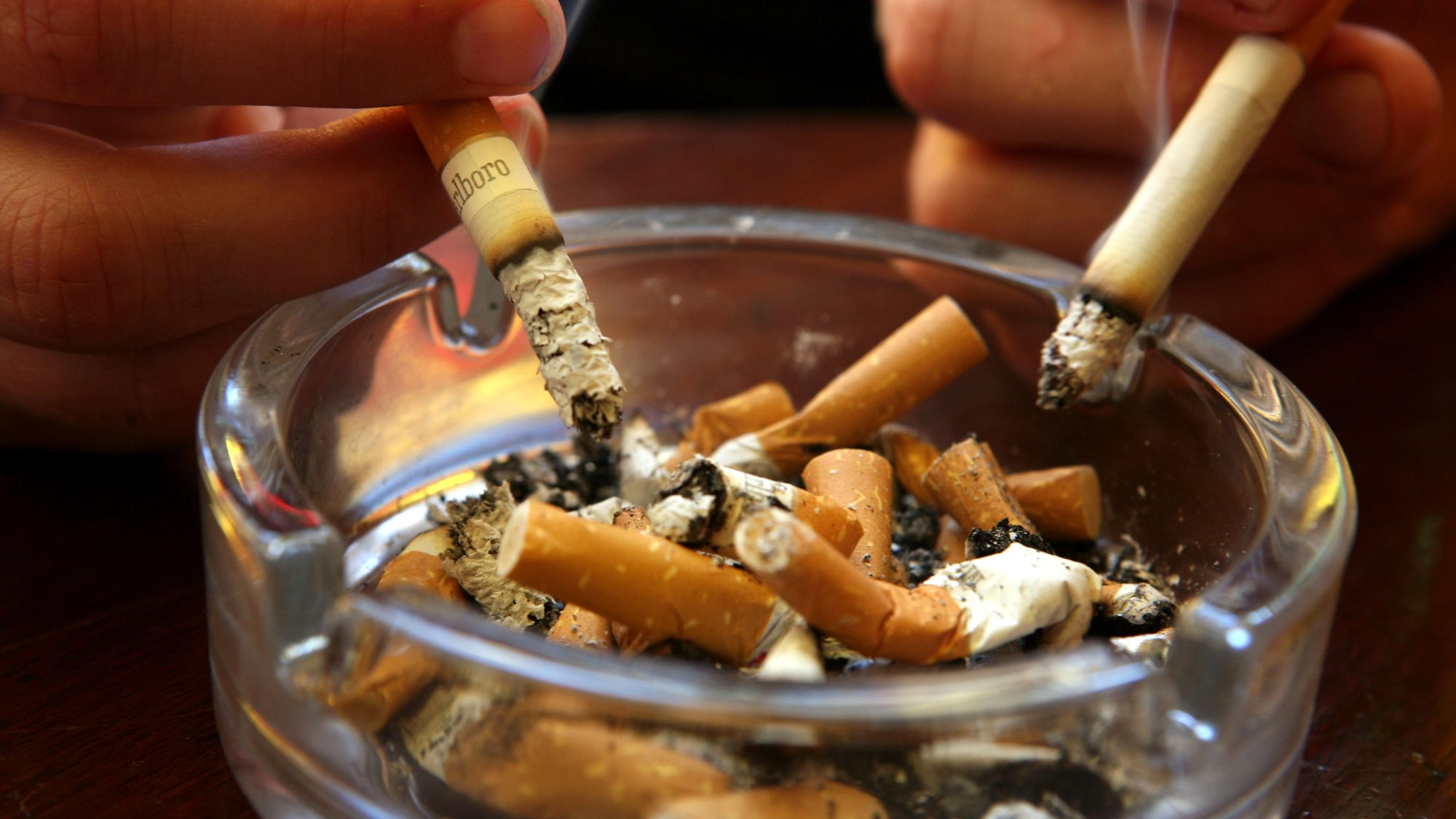
    Parliament has passed legislation that will prohibit anyone born on or after 1 January 2009 from ever legally purchasing cigarettes, marking a major shift in UK tobacco policy. The bill has cleared both houses and now awaits royal assent, after which it will come into force. The law is designed to phase out smoking over time by ensuring that younger generations never gain legal access to cigarettes.

    Who said what
    Health Under-Secretary Gillian Merron described the measure as transformative, telling peers: “It is a landmark bill; it will create a smoke-free generation.” But Conservative peer Michael Morris warned that the policy would concern businesses, saying it “does upset a great many people in that industry”.

    What next?
    From a public health perspective, “the logic is well established”, said Professor Lisa McNally on The Conversation. Most smokers begin when they are young and “preventing uptake has long been the most effective way to reduce smoking rates”. As the ban gets underway, “the world will be watching”, added McNally, noting that “it won’t be easy”.


    Today’s crime story

    Teen admits to synagogue fire attack in London

    What happened
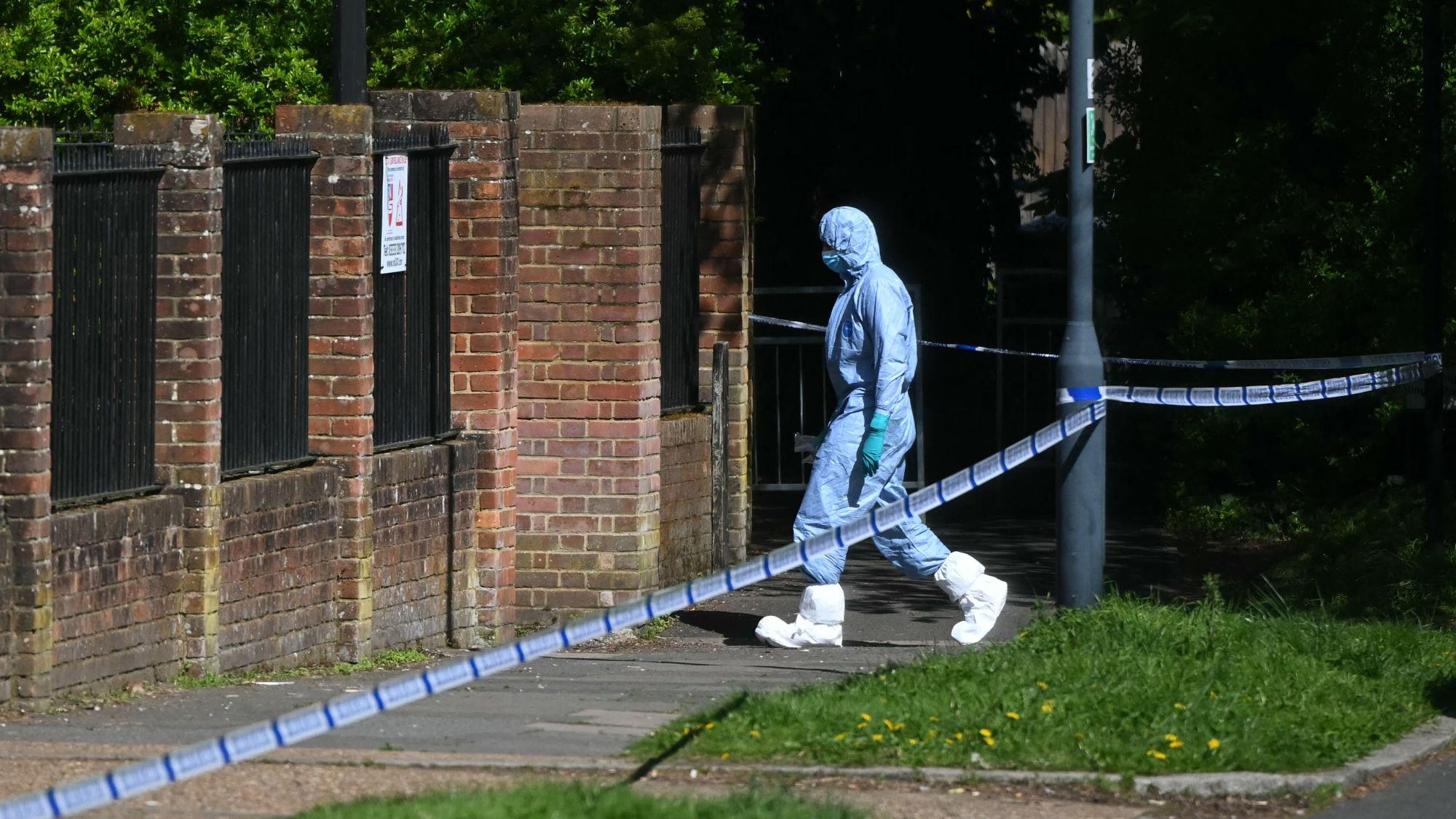
    A teenage boy has pleaded guilty to arson after the attack on the Kenton United Synagogue in Harrow, northwest London, on Saturday. The 17-year-old British national from Brent, who can’t be named for legal reasons, admitted to arson not endangering life at Westminster Magistrates’ Court yesterday.

    Who said what
    The district judge released the minor on bail with conditions, including to live and sleep at his home address and not enter a synagogue.

    Two other suspects remain “outstanding” in the investigation, the court heard. Footage was posted online of someone in dark clothes setting fire to a bottle of liquid and throwing it through the window, causing minor damage but no injuries.

    The attack was “the latest in a string” of incidents targeting Jewish sites in London, said the BBC. An alleged Iran-backed group calling itself Harakat Ashab al-Yamin al-Islamia has claimed responsibility for most of the attacks.

    What next?
    The boy is due to appear at Willesden Youth Court on 4 June. A 19-year-old man was also arrested on suspicion of arson reckless as to whether life was endangered, and has been bailed pending further inquiries.


    It’s not all bad

    Wildlife and people are thriving within Unesco-protected sites, offering a rare environmental success story. While global wildlife populations have plunged since 1970, those in protected areas have remained stable. These sites now shelter many endangered species and support local communities, showing how conservation can work. Covering vast areas and storing significant carbon, they are proving resilient – and offering a hopeful model for protecting nature while sustaining human life.


    under the radar

    The Internet Archive is in danger

    The Internet Archive has been responsible for saving and providing access to trillions of websites over the past 30 years. But AI is putting a damper on its work as large language models are using the data without permission. As a result, many companies are no longer allowing their content to be archived, which could lead to a substantial loss of historical records in the future.

    The Internet Archive is a non-profit organisation that is building a “digital library of internet sites and other cultural artifacts”, according to its website. It uses web crawlers to capture snapshots of sites. These are then made available through the public-facing tool the Wayback Machine, which operates like a library. However, amid the rise of AI, the Internet Archive’s “commitment to free information access has turned its digital library into a potential liability for some news publishers”, according to an analysis by Nieman Lab.

    Currently, “241 news sites from nine countries explicitly disallow at least one out of the four Internet Archive crawling bots”, including The New York Times and Reddit, said Nieman Lab. The Guardian has also restricted the Internet Archive; the publication does not block the crawlers, but it “excludes its content from the Internet Archive API and filters out articles from the Wayback Machine interface, which makes it harder for regular people to access archived versions of its articles”, said tech site Wired.

    There is “no widely available public tool comparable to the Wayback Machine”, added Wired. If it “continues to lose access to major news sources, its preservation efforts could erode to the point where early digital records of history become much harder to access or are even lost altogether”.


    on this day

    22 April 1969

    British sailor Robin Knox-Johnston arrived in Falmouth in his boat Suhaili after 313 days at sea – becoming the first person to complete a solo non-stop circumnavigation of the world. The current record is held by Frenchman Charlie Dalin, who completed his own circumnavigation in January last year in just under 65 days.


    Today’s newspapers

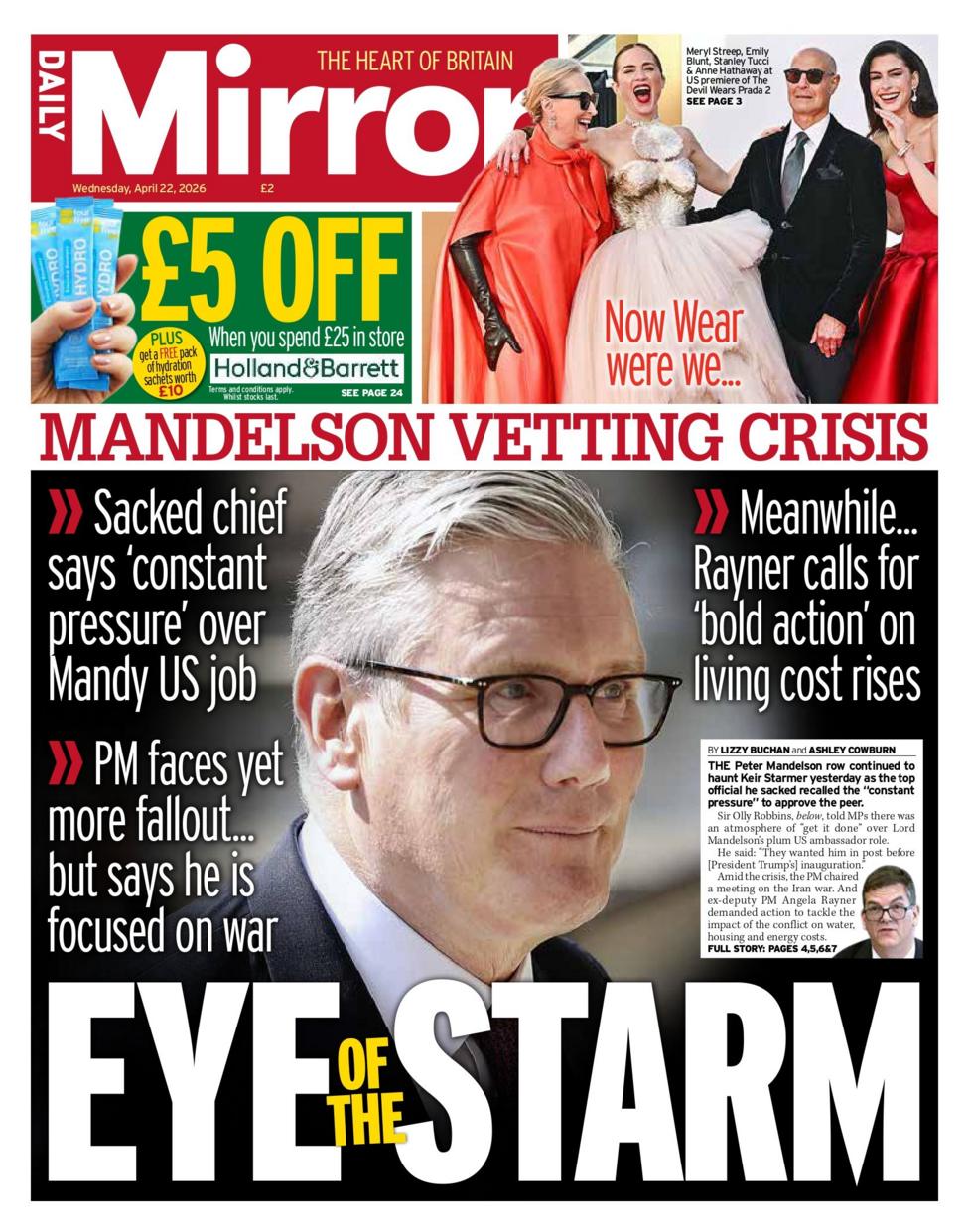
    ‘Eye of the Starm’

    “Eye of the Starm”, says The Mirror. “Wounded Starmer” was given a “public dressing down”, says The i Paper. “Starmer’s support starts to crack” as the “poison spreads”, says the Daily Mail. “Peers pressure” says Metro, reporting that No 10 wanted an ambassador role for “another lord sacked over links” to a “sex offender”. A “hero manager” should “get his job back”, says the Daily Express, after store manager Sean Egan has said he was sacked by Morrisons for tackling a repeated shoplifter.

    See the newspaper front pages


    tall tale

    One-track minds in cockpit

    A group of Finnish Air Force cadet pilots have “raised eyebrows” after embarking on training flights whose routes “resembled the shape of a penis”, according to Finnish national broadcasted YLE. The “crude shapes”, originating from the Tikkakoski air base, were picked up on flight radars, prompting an investigation. A spokesperson for the air force noted that personnel were required to observe “good manners and rules of conduct”, and that the trainees would be reprimanded in an “appropriate manner”.


    Morning Report was written and edited by Arion McNicoll, Rebecca Messina, Will Barker, Devika Rao, Ross Couzens and Chas Newkey-Burden, with illustrations by Julia Wytrazek.

    Image credits, from top: Tasos Katopodis / Getty Images; Matt Cardy/Getty Images; Justin Tallis / AFP / Getty Images; Illustration by Julia Wytrazek / Getty Images.

    Morning Report and Evening Review were named Newsletter of the Year at the Publisher Newsletter Awards 2025
     

    Recent editions

    • Evening Review

      What next for Starmer?

    • Morning Report

      Trump says ceasefire extension is ‘unlikely’

    • Evening Review

      Mandelson vetting: who knew what?

    VIEW ALL
    TheWeek
    • About Us
    • Contact Future's experts
    • Terms and Conditions
    • Privacy Policy
    • Cookie Policy
    • Advertise With Us
    • FAQ
    Add as a preferred source on Google Add as a preferred source on Google

    The Week UK is part of Future plc, an international media group and leading digital publisher. Visit our corporate site.

    © Future Publishing Limited Quay House, The Ambury, Bath BA1 1UA. All rights reserved. England and Wales company registration number 2008885.