Poor architecture can lead to a public health crisis, but moving families into specially designed Star Homes in Tanzania saw a marked reduction in the spread of certain deadly diseases among the children living within them. These homes have features that make them cooler and more hygienic, and they can be built with fewer resources while also reducing emissions.
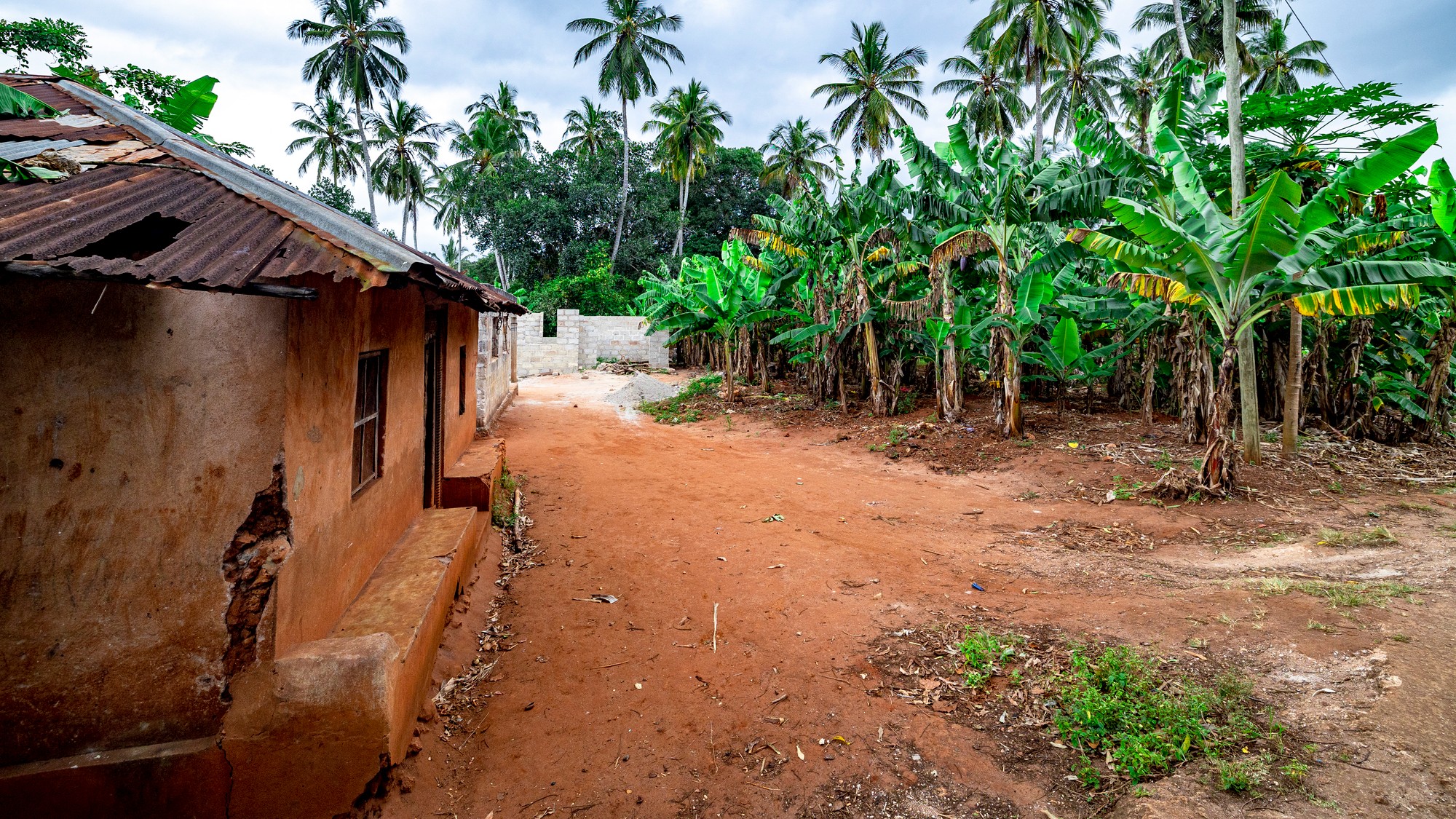
Most housing in Tanzanian villages “uses mud and thatch”, and is “single-story, placing the sleeping spaces at-grade”, said The Architect’s Newspaper. These living arrangements are likely contributing to the spread of malaria, diarrhea and acute respiratory infections, which are the “major causes of mortality in young children in sub-Saharan Africa”, according to a study published in the journal Nature Medicine.
Researchers designed a structure called the Star Home to provide an improved environment for Tanzanian children. It is a “novel double-story house” that can “provide an insect-proof, cleaner, cooler and smoke-free environment, with a reliable supply of water and sanitation”, said the study. The houses contain “screened facades to allow airflow while keeping out insects; bedrooms on the top floor because mosquitoes mostly stay close to the ground; and an outdoor latrine and system to harvest and store rainwater to help reduce the spread of diarrheal diseases”, said Science. They also have a “rodent-proof storage room, self-closing doors and a solar-powered electric light”.
The Star Home solves multiple problems and “costs 24% less in materials than a conventional single-story cement-block house, requires 73% less concrete and generates 57% less embodied carbon”, said a release about the study. |