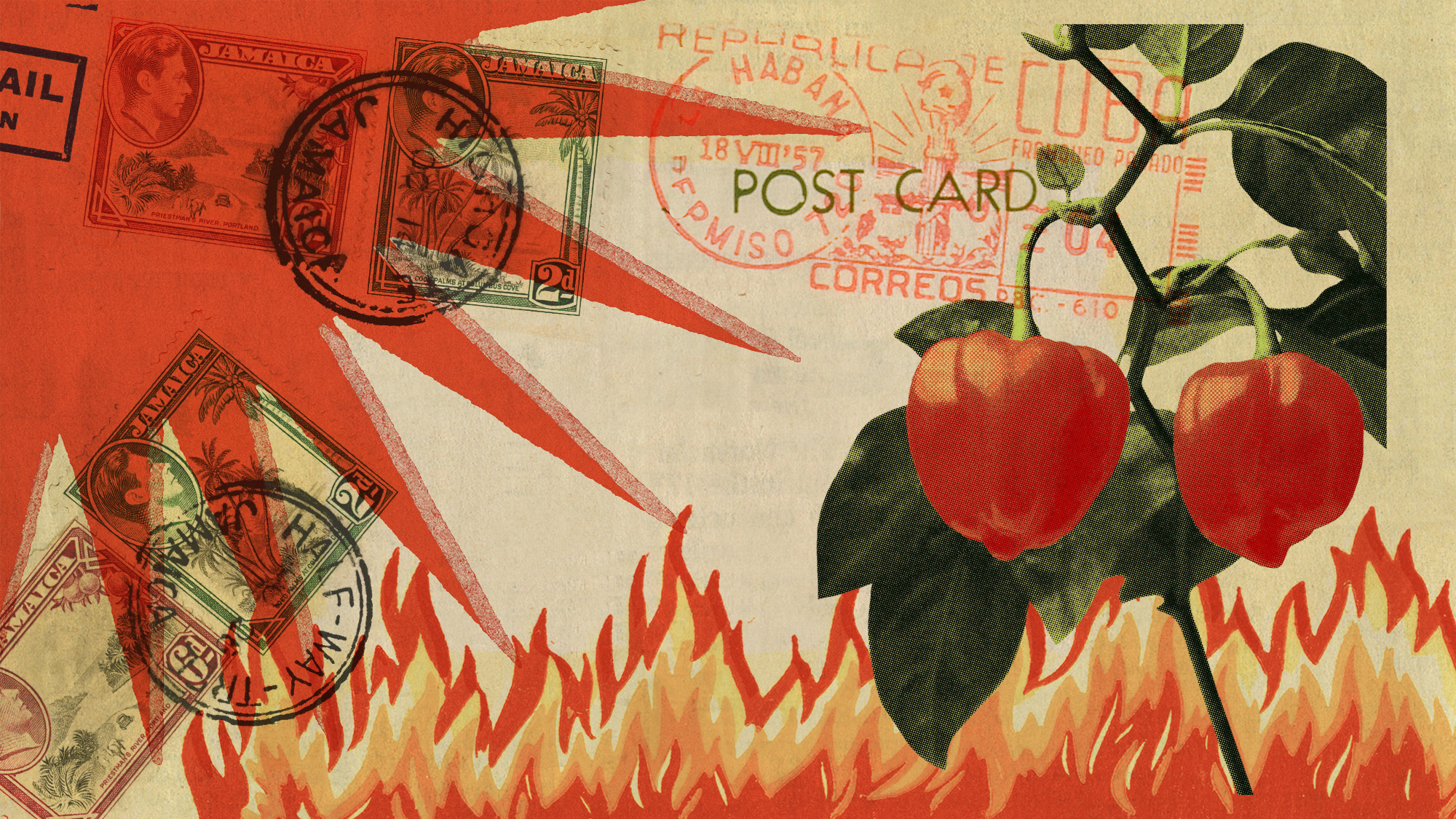
“As pervasive as ketchup” on chips, hot pepper sauce is an “obligatory accompaniment” for Caribbean cuisine, said the BBC. But a shortage of the fiery-flavoured condiment is leaving tastebuds unfulfilled – both in the Caribbean and countries like the US, the UK and Australia, where consumers have developed a liking for its sweet, smoky punch.
It’s all about the main ingredient: Scotch bonnet, a scorching hot chilli pepper with an intense, fruity flavour. But the plant is susceptible to both “heavy rain and viruses”, and having been “walloped” by recent hurricanes, harvests have become devastatingly poor.
“From Jamaican jerk chicken to Haitian beef stew,” the Scotch bonnet pepper is a “foundational element” of Caribbean cuisine, according to foodie site Chowhound. Not only does it pack a punch, it also adds “sweetness and an unmistakable scent”. It has a “smoky, recognisable spiciness” that has been successfully marketed the world over. But now it is “particularly hard to source”, added the BBC.
The Scotch bonnet shortage, blamed by many on climate change, “may be lasting”, said news platform Semafor. That’s not only a blow to the hot sauce industry, but it could also change the landscape of plant growth in the Caribbean altogether. Continually disappointed by the “temperamental” Scotch bonnet, many producers are instead turning to “hardier crops”, including sweet potatoes, to make a living.
Some parts of the Caribbean do seem to have escaped unscathed, though. The island of Barbados has been “marked ‘safe’” from the hot pepper shortage, said Barbados Today. Its crops remain “resilient, pest-free and available for production”. |