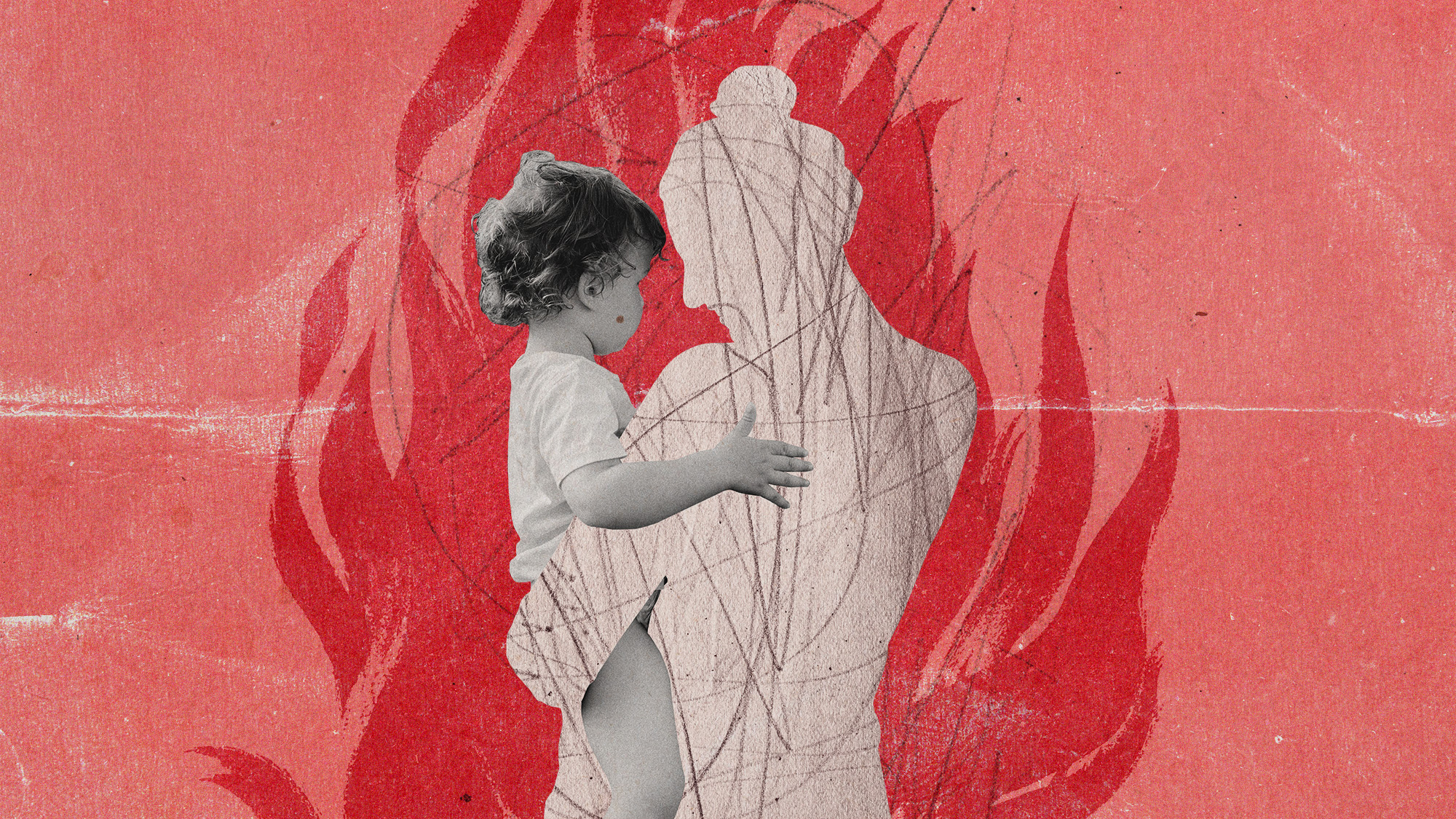
All over the world a growing number of late-in-life mothers are facing overlapping symptoms as they deal with postpartum challenges while also entering the perimenopause period. With so little research available on either condition, women are turning to each other to parse their experiences.
Last year in the United States the number of births among women aged 35 to 39 was up by 90% compared to 1990, according to the Centers for Disease Control and Prevention. In 2023, births among women aged 40 and older exceeded teen births for the first time in the country’s history.
As these figures increase, more women are confronting the “bewildering convergence of two mind- and body-altering hormonal events”, said The Washington Post: the postpartum period and the transitional years of perimenopause marked by “hormonal instability” that can “wreak havoc for up to a decade before menopause occurs”.
The symptoms can overlap because, post-childbirth, estrogen and progesterone drop to their pre-pregnancy levels. In perimenopause, those same two hormones “tumble downward, often on a zigzagging path”, which can trigger “similar mental symptoms, like anxiety or a short fuse”, said Self magazine.
In the medical community there is a “dearth of knowledge” about the intersection of the postpartum and perimenopausal stages, Dr Suzanne Fenske, an obstetrician-gynecologist who specialises in perimenopause and menopause, told The Washington Post.
With so many grey areas in our knowledge of the overlap, it is of paramount importance to listen to and believe patients, fellow obstetrician-gynecologist Dr Talat Uppal told the Australian Financial Review. With more women birthing after 40, “we need to really give them the respect of more research”. |