The Week The Week
flag of US
US
flag of UK
UK
https://cdn.mos.cms.futurecdn.net/skoGBi9qKFoUtnNWkovjJQ.jpg

SUBSCRIBE

Try 6 Free Issues

Sign in
  • View Profile
  • Sign out
  • The Explainer
  • Talking Points
  • The Week Recommends
  • Podcasts
  • Newsletters
  • From the Magazine
  • The Week Junior
  • More
    • Politics
    • World News
    • Business
    • Health
    • Science
    • Food & Drink
    • Travel
    • Culture
    • History
    • Personal Finance
    • Puzzles
    • Photos
    • The Blend
    • All Categories
  • Newsletter sign up Newsletter
  • The Week Evening Review
    A land strike on Venezuela, Israel recognizes Somaliland, and astronomy this year

     
    TODAY’S BIG QUESTION

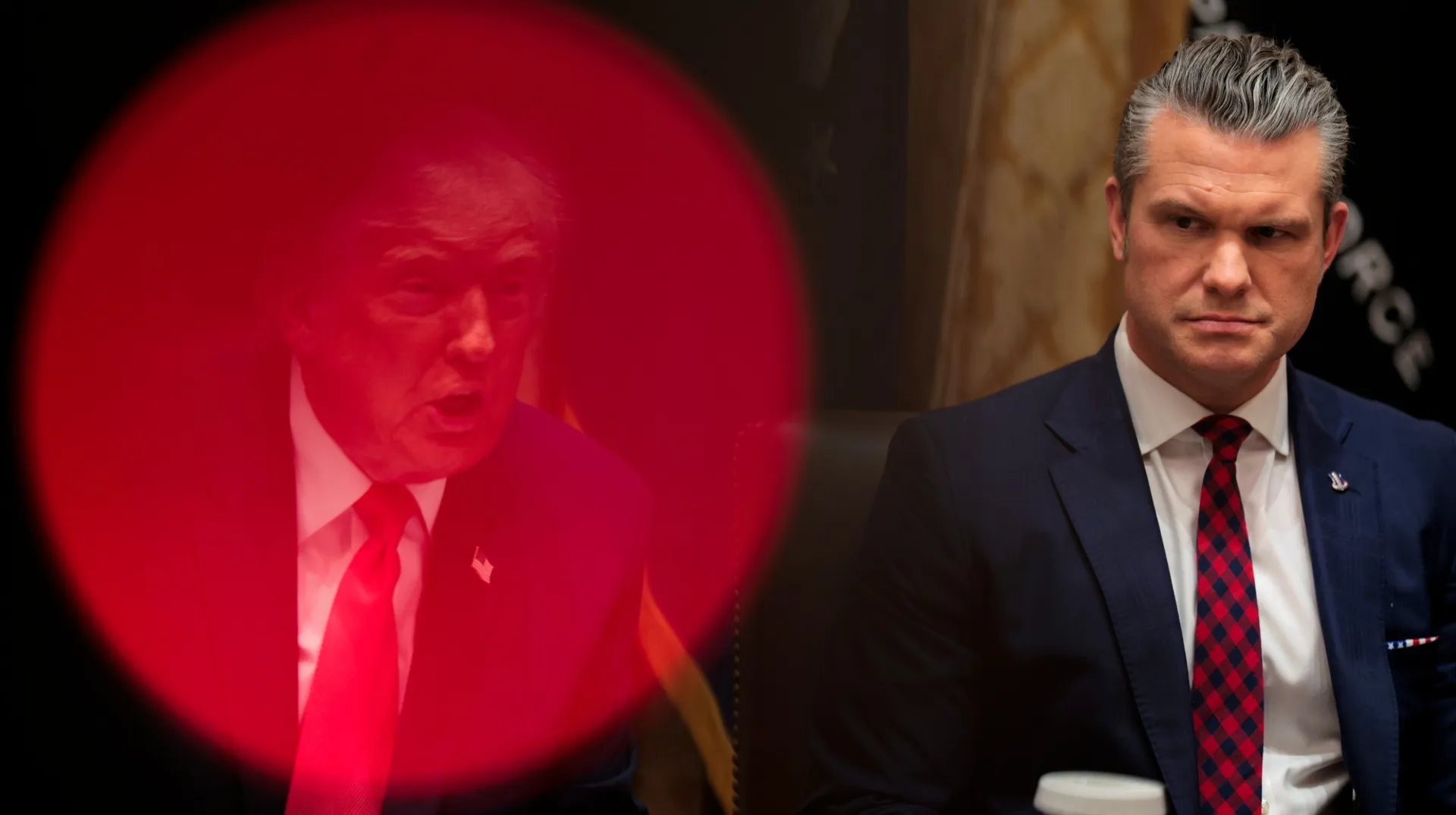
    Why is Trump’s alleged strike on Venezuela so secretive?

    President Donald Trump let slip on Friday that his administration had “knocked out” a “big plant or a big facility” in Venezuela. It was an admission of sorts that the U.S. military had conducted its first land strike on Venezuelan soil. Yesterday, he expanded on the announcement, saying the strike was on an “implementation area” for alleged drug smuggling.

    Trump’s revelation, made during a radio interview with John Catsimatidis, comes amid rising aggression toward the South American nation by the White House. The administration has bombed boats it claims are Venezuelan drug smuggling vessels in international waters. But unlike those strikes, which the White House has enthusiastically promoted across social media, the details of this alleged mainland attack have remained largely mysterious since Trump first raised the subject. Independent reports have identified the attack as a CIA drone strike with zero casualties, but the typically braggadocious Trump administration has been conspicuously tight-lipped.

    What did the commentators say?
    The White House and CIA “declined to comment” on Trump's ambiguous claims, while military officials said they had “no information to share” about the strike, said The New York Times. Trump’s “vague comments” left “questions about which part of the U.S. government acted and what target was hit,” said Reuters. 

    The alleged drone strike is “largely symbolic,” since it hit “just one of many port facilities used by drug traffickers leaving Venezuela,” an anonymous U.S. official said to CNN. The strike also “appeared to attract little to no attention, even inside the country, in real time.”

    An attack on a Venezuelan mainland facility would “cross a red line” and could potentially prompt acts of self-defense from Venezuela, said Just Security Editor-in-Chief Ryan Goodman to Axios. Given those constraints, it may be covert to “minimize blowback from the international community, including our allies.”

    What next?
    The White House has been promising land strikes on Venezuela for weeks as part of its “intensifying pressure campaign” against Venezuelan President Nicolas Maduro, said the Times. Ultimately, it “should not be a mystery for days” to determine “whether or not their president has just bombed a new sovereign nation, without any declaration of war,” said Zeteo. Not in a “modern, free and truly democratic society.”


    QUOTE OF THE DAY

    ‘Individual UN agencies will need to adapt, shrink or die.’

    U.S. State Department in a statement to humanitarian agencies on reducing what it calls “bureaucratic overhead, unnecessary duplication and ideological creep.” The White House will provide an initial $2 billion this coming year in aid, even as it drastically scales back the level of support.


    THE EXPLAINER

    Why the recognition of Somaliland is so risky for Israel

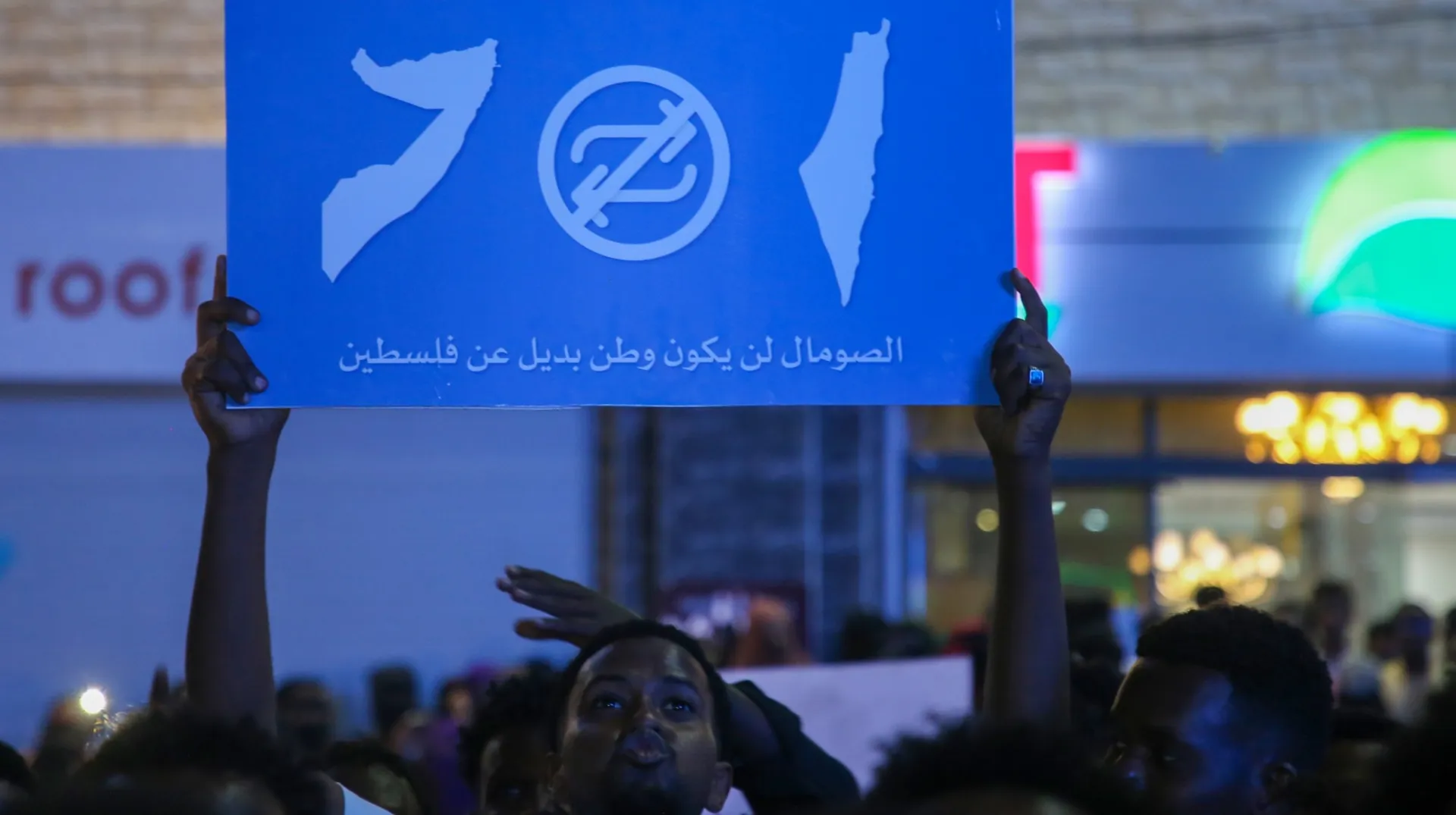
    In the decades since residents in Somalia’s northwest region broke away from the East African nation during its 1991 civil war, Somaliland, as the area is known, has enjoyed relative stability despite no global recognition — until now. On Friday, the Israeli government became the first United Nations member nation to officially recognize Somaliland as an “independent and sovereign state,” pledging in a press release to “immediately expand its relations” with the nascent African nation. But by recognizing Somaliland, Israel (still internationally ostracized over its war in Gaza) risks antagonizing the global community.

    How did it get to this point?
    Ties between Israel and authorities in Somaliland “emerged” during the former’s search for countries “willing to take in Gazans it was looking to move out of the Strip during the war,” said the Times of Israel. Also central to Israel’s “motivation for deepening ties with Somaliland” is its “proximity to Yemen.” Access to Somaliland ground and airspace could be used to “conduct strikes and surveil the Iran-backed Houthi rebels in Yemen.” 

    Israel’s upgraded relations are a “breakthrough” in Somaliland’s “quest for international recognition,” said The Guardian. Somaliland officials hope Israel’s move will “break decades of diplomatic isolation” and “encourage other countries to follow suit,” said DW.

    Who is and isn’t happy and why?
    While both Israeli and Somaliland officials have celebrated their newfound relationship, the global community has broadly condemned the agreement. Any effort to “undermine the unity, sovereignty and territorial integrity of Somalia” risks “setting a dangerous precedent with far-reaching implications for peace and stability across the continent,” said African Union Chairperson H.E. Mahmoud Ali Youssouf in a statement that did not mention Israel. The European Union’s diplomatic arm reiterated the “importance of respecting” a united Somalia in a brief statement. 

    The news was welcomed, however, by Taiwan, which hailed the “like-minded democratic partners sharing the values of democracy, freedom and rule of law” in a statement. In return, the Chinese government, which claims authority over Taiwan, decried Israel’s violation of Somalia’s integrity.

    What next?
    Somaliland officials hope Israel’s recognition will set the stage for a more impactful agreement with the Trump administration. One other “possible result” of the change, said Haaretz, is an Israeli military presence in the area.


    Statistic of the day

    347: The number of people Saudi Arabia put to death in 2025 — the highest ever annual execution total for a second consecutive year, according to legal-action nonprofit Reprieve. Most of those executed were sentenced for nonlethal crimes, primarily involving drugs, including 96 solely linked to hashish.


    in the spotlight

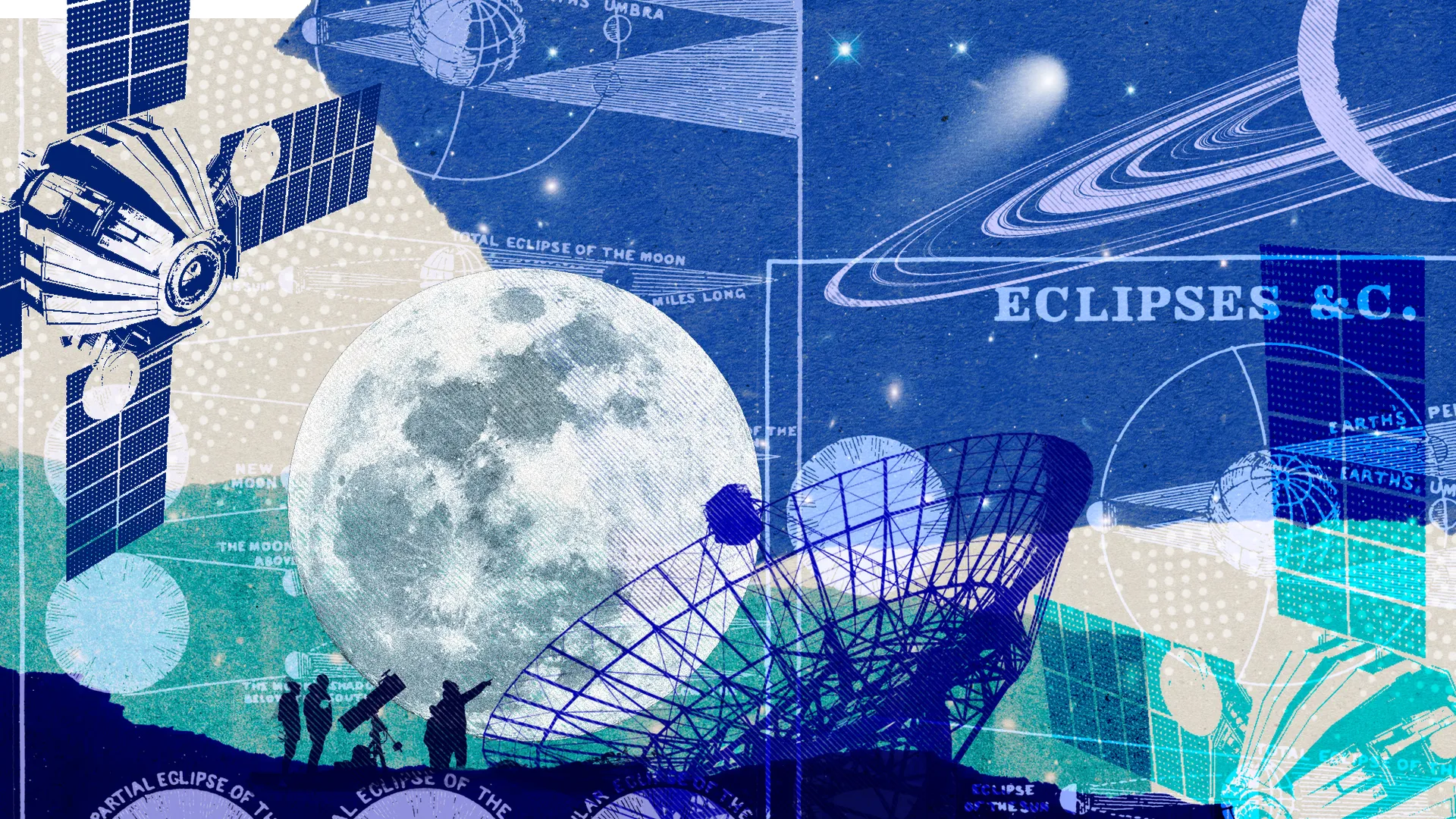
    The biggest astronomy stories of 2025

    The cosmos has taken up its fair share of space in the news this year. Here are some of the major stories from beyond Earth that happened during 2025.

    Deep space comet
    The 3I/ATLAS comet was first discovered in July and was only the “third interstellar object ever recorded to pass through Earth’s solar system from another star,” said Al Jazeera. The comet is thought to have been ejected from a giant exoplanet and traversed the Milky Way for billions of years. As a result, scientists are now jumping at the opportunity to study it.

    The comet was the closest it has ever been to Earth during July, providing prime viewing opportunities. Astronomers can “glean information about celestial bodies by observing the light reflected off them with telescopes,” Darryl Z. Seligman, an assistant professor of physics and astronomy at Michigan State University, said at Space.com. 

    Alien debate
    Scientists claimed to have found signs of life on a planet called K2-18b, which orbits a star 120 light-years from Earth, according to a study published in The Astrophysical Journal Letters in April. Analysis of the exoplanet showed an abundance of dimethyl sulfide, which is a “molecule that on Earth has only one known source: living organisms such as marine algae,” said The New York Times.

    However, following the study’s release, the results were questioned, and three separate analyses were unable to find any evidence of life on K2-18b. The claim “just absolutely vanishes,” Luis Welbanks, an astronomer at Arizona State University and an author of one of the studies, said to the Times.

    New moons
    Scientists discovered 128 new moons orbiting Saturn, bringing the planet’s total to 274. Many of these moons are “only a few miles across,” said The New York Times. This is “small compared with our moon, which is 2,159 miles across.”

    But size does not matter when it comes to moon classifications. If they have “trackable orbits around their parent body, the scientists who catalog objects in the solar system consider them to be moons,” said the Times.

    Read more


    Good day 🦕

    … for big discoveries. A cache of dinosaur footprints has been unearthed by a nature photographer seeking shots of bearded vultures and red deer in the Italian Alps. The remarkable finding in Stelvio National Park consists of thousands of well-preserved fossilized footprints that are over 200 million years old.


    Bad day 🦁

    … for big expectations. After being eliminated from playoff contention, the Detroit Lions are now ranked below the 14 teams expected to compete in the postseason. The NFL team was considered a Super Bowl contender at the beginning of the season, so being the best among those eliminated offers little consolation.


    Picture of the day

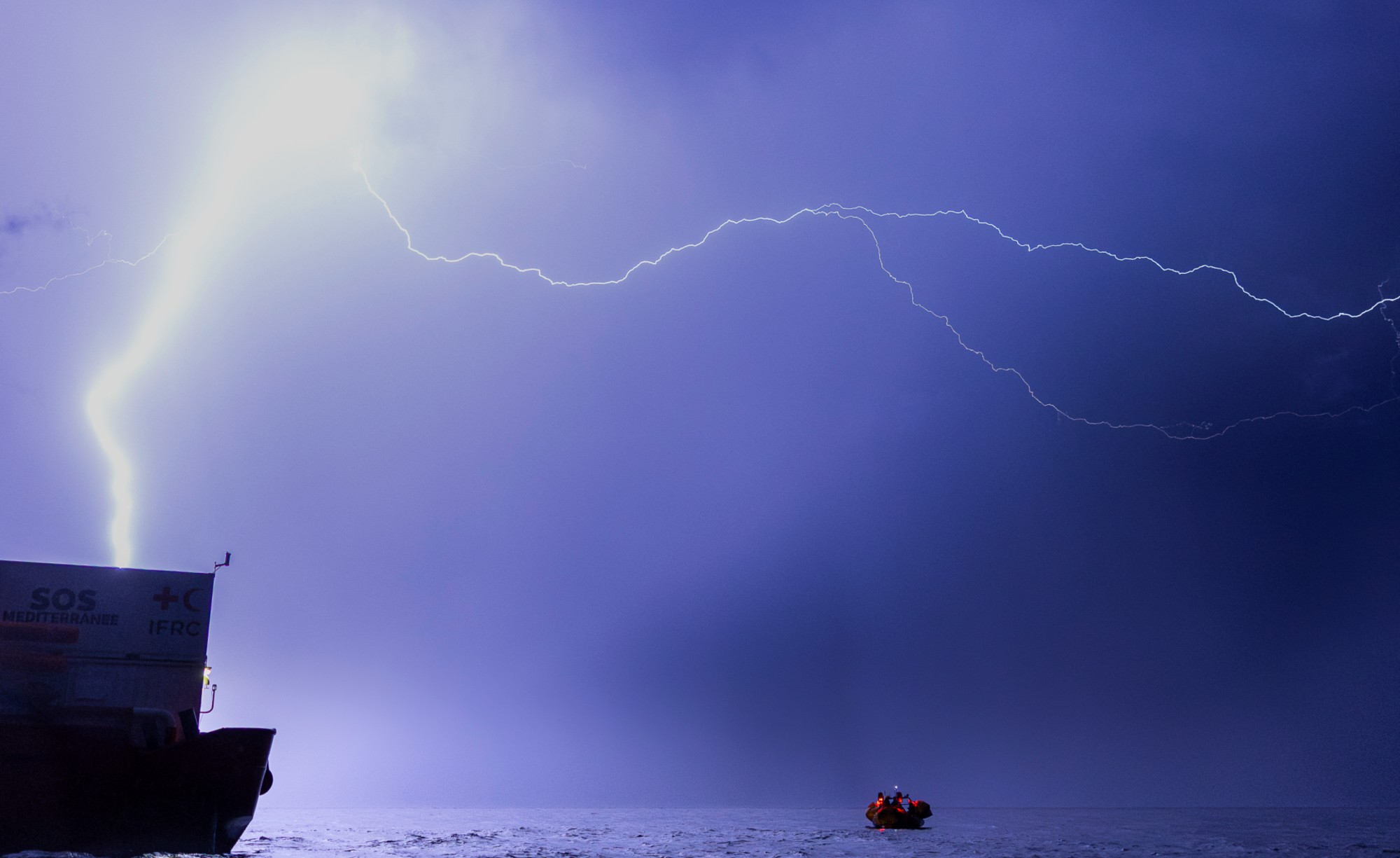
    Lightning watch

    Crew members on the Ocean Viking rescue ship, operated by the French SOS Méditerranée humanitarian group, take part in a night exercise during a thunderstorm. The vessel, which has been rescuing migrants since 2019, is preparing to resume operations after it was fired on by the Libyan Coast Guard in August.
    Sameer Al-Doumy / AFP / Getty Images


    Quizzes

    Year-end quiz

    Test your grasp of current affairs and general knowledge with our festive quiz

    Play here


    The Week recommends

    The best comedy movies of 2025

    With young people increasingly fixated on social media, YouTube and short-form video, 2025 might be the year that studios panicked about the state of the film industry. But filmmakers nonetheless churned out an impressive mix of laugh-oriented films, including rom-coms and dark, surreal comedies.

    ‘Friendship’
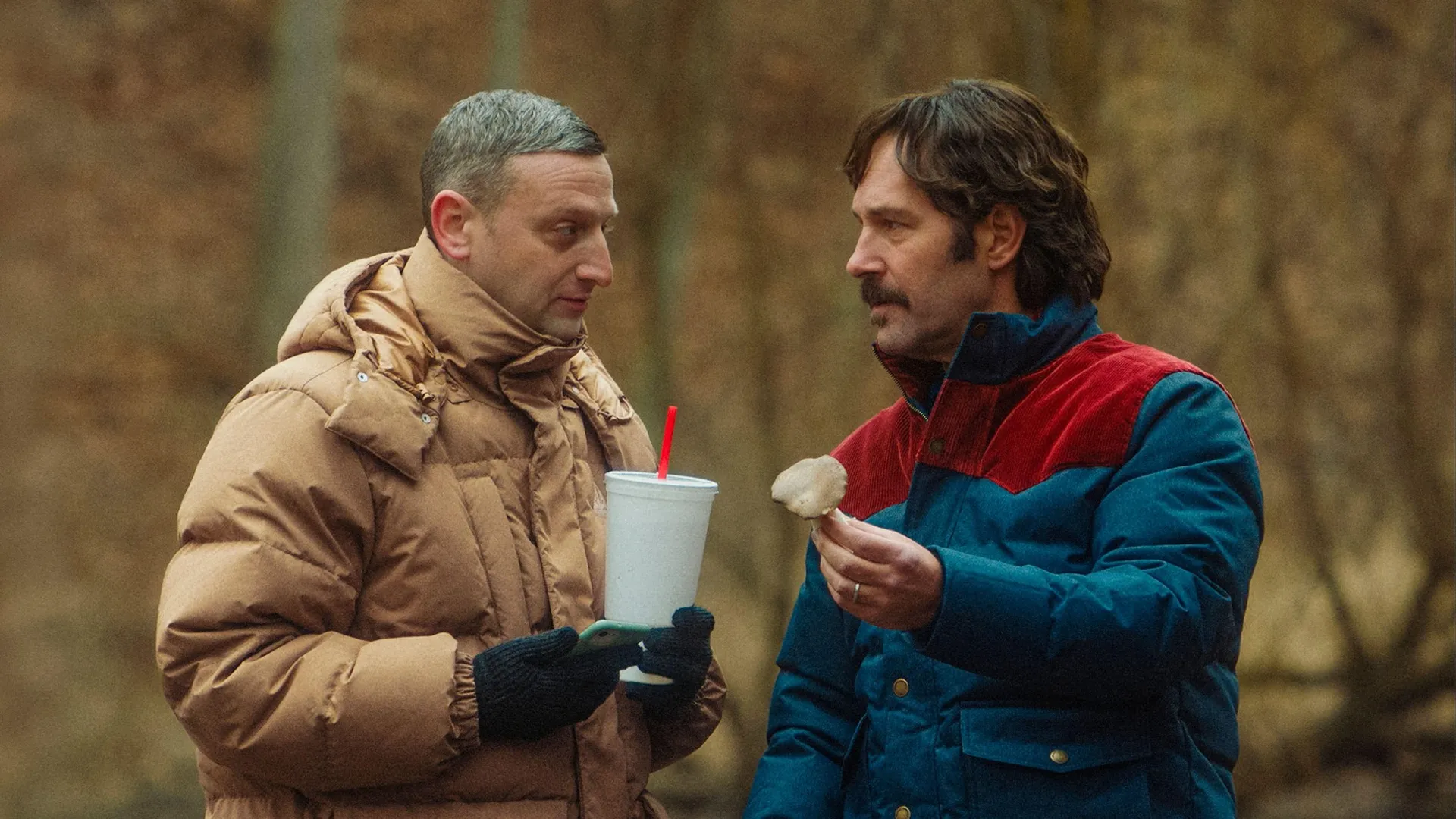
    Tim Robinson is Craig Waterman, an awkward and lonely family man. After Craig tries to spark a friendship with his new neighbor, Austin (Paul Rudd), he’s rejected by the local celebrity’s tight-knit circle of male friends. Craig soon spirals out of control. “Friendship” (pictured above) is “one of those singular movies that epitomizes a comedian’s appeal,” said Deep Focus Review. (HBO Max)

    ‘A Nice Indian Boy’
    When Indian American doctor Naveen (Karan Soni) falls in love with a white photographer named Jay (Jonathan Groff) who was fostered by Indian parents, Naveen struggles to find a way to get his more traditional immigrant parents to accept the relationship. The movie takes what “easily could have been a by-the-numbers romance” and makes it into a “story of true tenderness,” said The Queer Review. (Hulu)

    ‘One of Them Days’
    The straightforward pleasures of the buddy comedy are what make “One of Them Days” a kind of “Friday” for the 2020s. Dreux (Keke Palmer) and Alyssa (SZA) are best friends and roommates who face eviction from their Los Angeles apartment. Instead of pratfalls and body humor gags, the film finds its best humor on the “character level in clever dialogue and sharp line deliveries from the entire ensemble,” said The New York Times. (Netflix)

    Read more


    Poll watch

    Fewer than one in five Americans (17%) approve of Congress heading into the new year, according to a Gallup survey. The poll of 1,016 adults found dissatisfaction with both parties, as only 24% approve of congressional Democrats and 29% approve of congressional Republicans. 


    INSTANT OPINION

    Today's best commentary

    ‘JD Vance must outgrow Trump to become president’
    Jesse Edwards at Newsweek
    Vance can “only become a serious contender for the White House if he figures out how to get out from under Donald Trump without alienating MAGA in the process,” says Jesse Edwards at Newsweek. He must break from Trump and “convincingly argue that he played along to get close to power, fully aware of who Trump was,” if he’s to be “remotely appealing.” If Vance “makes the turn clean enough and early enough, people will listen.”

    ‘An anti-AI movement is coming. Which party will lead it?’
    Michelle Goldberg at The New York Times
    Despite artificial intelligence’s promising future, the “list of things it’s ruining is long,” says Michelle Goldberg at The New York Times. It’s “true that new technologies often inspire dread,” but AI is rightfully alarming to many Americans, and it “divides both parties.” Going into 2026, one major question is “which party will speak for the Americans who abhor the incursions of AI into their lives and want to see its reach restricted”?

    ‘I used cannabis daily for 25 years. I support reform — cautiously.’
    Adam Levin at USA Today
    As the country “reexamines federal cannabis restrictions, a long-overdue conversation about reform is finally underway,” says Adam Levin at USA Today. “Prohibition failed. Criminalization caused real harm,” and cannabis has “legitimate medical uses.” But there’s “something missing from much of the celebration: an honest conversation about addiction.” Legal substances such as alcohol are “widely available, yet regulated, researched and accompanied by public health messaging because access carries risk. Cannabis deserves the same treatment — not stigma, but honesty.”


    WORD OF THE DAY

    Manus

    A Singapore AI startup with Chinese founders that Meta will acquire for $2 billion. The company “conducts deep research and performs other tasks for paying users,” said The Wall Street Journal. The acquisition is “among the highest-profile examples of a major U.S. tech company buying an artificial-intelligence product developed in Asia’s AI and startup ecosystem.”


    Evening Review was written and edited by Theara Coleman, Nadia Croes, Scott Hocker, Justin Klawans, Joel Mathis, Summer Meza, Devika Rao and Rafi Schwartz, with illustrations by Stephen Kelly and Julia Wytrazek.

    Image credits, from top: Chip Somodevilla / Getty Images; Abuukar Mohamed Muhidin / Anadolu / Getty Images; Illustration by Marian Femenias Moratinos / Getty Images; BFA / A24 / Alamy
     

    Recent editions

    • Evening Review

      Should Alaa Abd el-Fattah be stripped of UK citizenship?

    • Sunday Shortlist

      A ‘hypnotic’ revival of Into the Woods

    • Saturday Wrap

      The drumbeats of war

    VIEW ALL
    TheWeek
    • About Us
    • Contact Future's experts
    • Terms and Conditions
    • Privacy Policy
    • Cookie Policy
    • Advertise With Us
    • FAQ
    Add as a preferred source on Google

    The Week UK is part of Future plc, an international media group and leading digital publisher. Visit our corporate site.

    © Future Publishing Limited Quay House, The Ambury, Bath BA1 1UA. All rights reserved. England and Wales company registration number 2008885.