The Week The Week
flag of US
US
flag of UK
UK
https://cdn.mos.cms.futurecdn.net/flexiimages/jzblygzdxr1769609154.gif

SUBSCRIBE

Try 6 weeks free

Sign in
  • View Profile
  • Sign out
  • The Explainer
  • Talking Points
  • The Week Recommends
  • Podcasts
  • Newsletters
  • From the Magazine
  • The Week Junior
  • More
    • Politics
    • World News
    • Business
    • Health
    • Science
    • Food & Drink
    • Travel
    • Culture
    • History
    • Personal Finance
    • Puzzles
    • Photos
    • The Blend
    • All Categories
  • Newsletter sign up Newsletter
  • The Week Evening Review
    Shortages in Cuba, anti-ICE ‘wine moms,’ and Bangladesh’s election

     
    In the Spotlight

    Trump’s fuel blockade puts Cuba in crisis mode

    It has been just over a month since President Donald Trump accused Cuba of undertaking “extraordinary actions that harm and threaten” the U.S. in an executive order that imposed strict penalties on anyone selling oil to the isolated communist nation. Since then, Cuba has plunged into a nationwide fuel crisis, with the island’s already-fragile power grid suffering even more extreme outages. 

    ‘Grief, sorrow and indignation’
    The Trump-imposed fuel blockade has created a “severe energy crisis on the island,” leading to “rolling blackouts, a strain on hospitals, and the grounding of jets,” said Time. Already “struggling” after decades of American sanctions, the situation in Cuba “rapidly deteriorated” following the January arrest of President Nicolás Maduro of Venezuela, previously Cuba’s main fuel supplier. Should Cuba’s oil needs go “unmet,” the humanitarian situation on the island could worsen “if not collapse,” said United Nations Spokesperson Stéphane Dujarric. 

    Cubans have faced the intensified blockade with “resilience,” said Francisco Pichon, the U.N.’s resident coordinator for Cuba. But that resilience has been tempered with “grief, sorrow and indignation.”

    What fuel Cuba has on hand will be reserved for “essential services for the population,” as well as “indispensable economic activities,” said Deputy Prime Minister Óscar Pérez-Oliva Fraga in televised remarks. Cuban authorities have notified airlines that there simply “isn’t enough fuel for airplanes to refuel on the island,” said CBS News. The rationing presents a “significant challenge for long-haul routes” from places like Russia and Canada, which represent a “critical pillar of Cuba’s tourism economy.”

    International response
    Cuba’s dire straits have prompted a mixture of responses from an international community struggling to balance trade and aid obligations with concern over the Trump administration’s geopolitical unpredictability. “No one can ignore” the situation in Cuba stemming from the sanctions that the U.S. is “imposing in a very unfair manner,” said Mexican President Claudia Sheinbaum this week at a press conference. “You cannot strangle a people like this.” 

    China will “always provide support and help to the Cuban side to the best of our ability,” said Foreign Ministry Spokesperson Lin Jian at a news conference. Similarly, said former Canadian Ambassador to Cuba Mark Entwistle to CBC, there may “soon come a time when Canada needs to step in and send significant humanitarian aid despite the tariff threats.”


    QUOTE OF THE DAY

    ‘How many times has Amazon Prime shot a mom three times in the face?’

    Rep. Eric Swalwell (D-Calif.) asking ICE Acting Director Todd Lyons during a House Committee on Homeland Security hearing about ICE’s deportation tactics. Lyons said last year that he wanted ICE to use a process that was “like Amazon Prime but with human beings.”


    TODAY’S BIG QUESTION

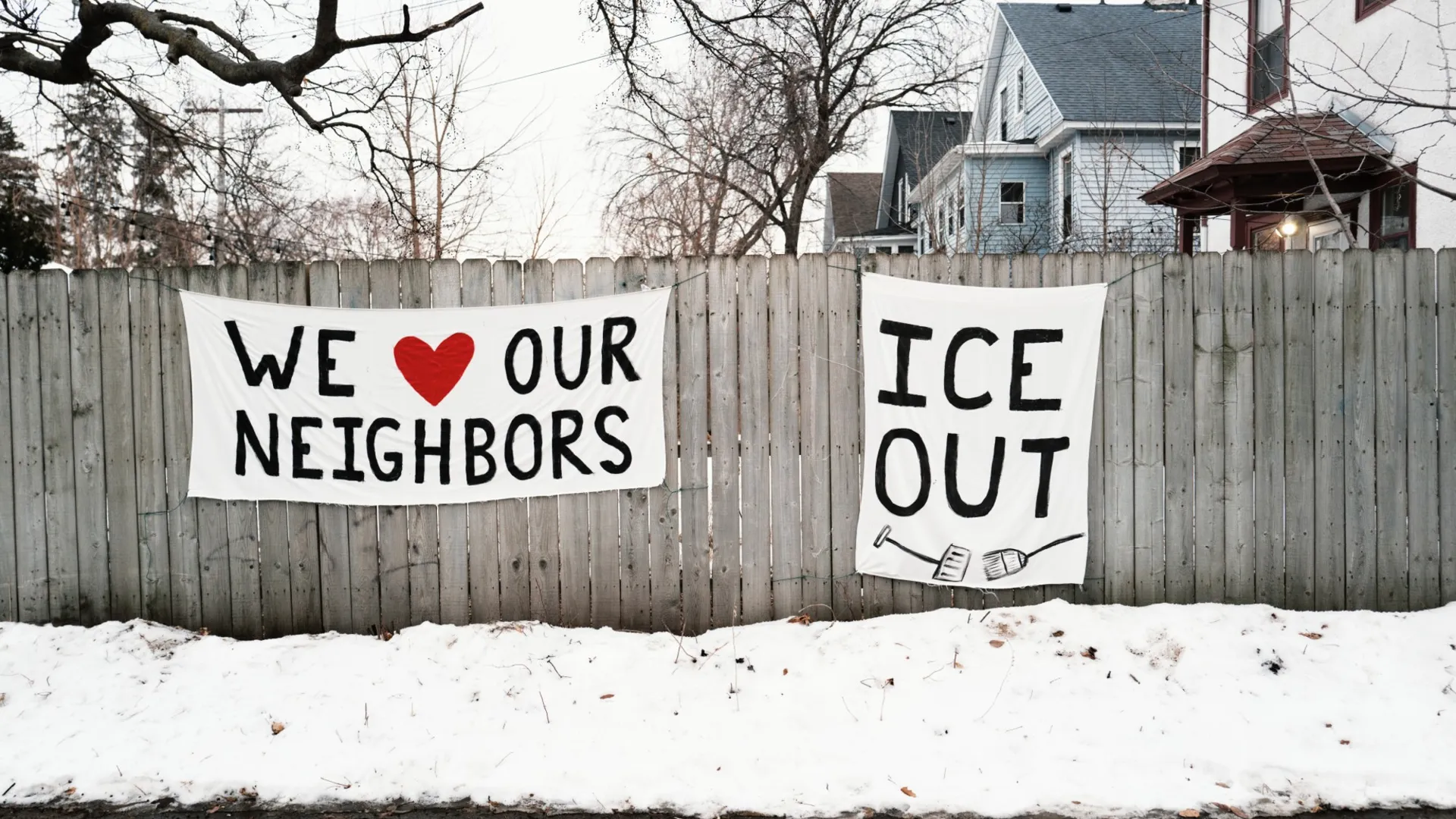
    How did ‘wine moms’ become the face of anti-ICE protests?

    Forget antifa. So-called wine moms are fronting the anti-ICE backlash to President Donald Trump’s mass deportation efforts. And Trumpist conservatives are taking notice.

    Women are “leading the opposition” during Trump’s second term, said The 19th. A new PBS News/NPR/Marist poll found that while 40% of men approve of ICE’s actions, just 26% of women do. That’s why moms like Renee Good have figured so prominently in protests and in documenting the activities of federal agents.

    What did the commentators say?
    “Momfluencers” are on the “front lines” of ICE protests in Minneapolis, said Salon. Women social media influencers who usually portray a “very curated version of motherhood” are now focusing on the presence of federal immigration agents in their communities. It’s a natural pivot because “we are in the headspace of protecting our communities and protecting our children,” said Yelena Kibasova, a Twin Cities mom, to the outlet. Staying neutral “feels impossible if you care about your community or your kids’ future.”

    “Organized gangs” of wine moms are using “antifa tactics” to harass ICE agents in Minnesota, said David Marcus at Fox News. Their efforts to resist deportation arrests by “following, harassing and doxxing” agents are a crime. Just 24% say it’s acceptable to go “beyond peaceful protest” to resist ICE, according to a recent poll, but that number “leaps to an astounding 61%” among white women ages 18 to 44. 

    Blaming wine moms for the deaths of Good and Alex Pretti is a “baseless, misogynist myth,” said Darryn DiFrancesco at The Conversation. The strategy “aims to divert blame” from the Trump administration by once again “blaming mothers for social problems.” We should recognize that mothers have a “long history of trying to fix” society’s ills. Mothers like Good are “no exception.”

    What next?
    The wine mom phenomenon may be new, but the tactics are not. There’s a “debt of gratitude to Black liberation movements” like the Black Panther Party of the 1960s, said Jill Garvey, the founder of grassroots organizing network States at the Core, to The New York Times. Methods have also been borrowed from the American Indian Movement, an indigenous-rights group. The hope is that ICE-watching will one day be embedded in the social structure of cities, said one organizer, in the “same way that people organize a PTA.”


    Statistic of the day

    10: The number of days that the FAA instituted an unexpected shutdown of airspace over El Paso, Texas, before revoking the order today. The restriction, which was due to a drone breach by Mexican cartels, would have grounded all flights up to 18,000 feet, shutting down El Paso International Airport.


    the explainer

    Why the Bangladesh election is one to watch

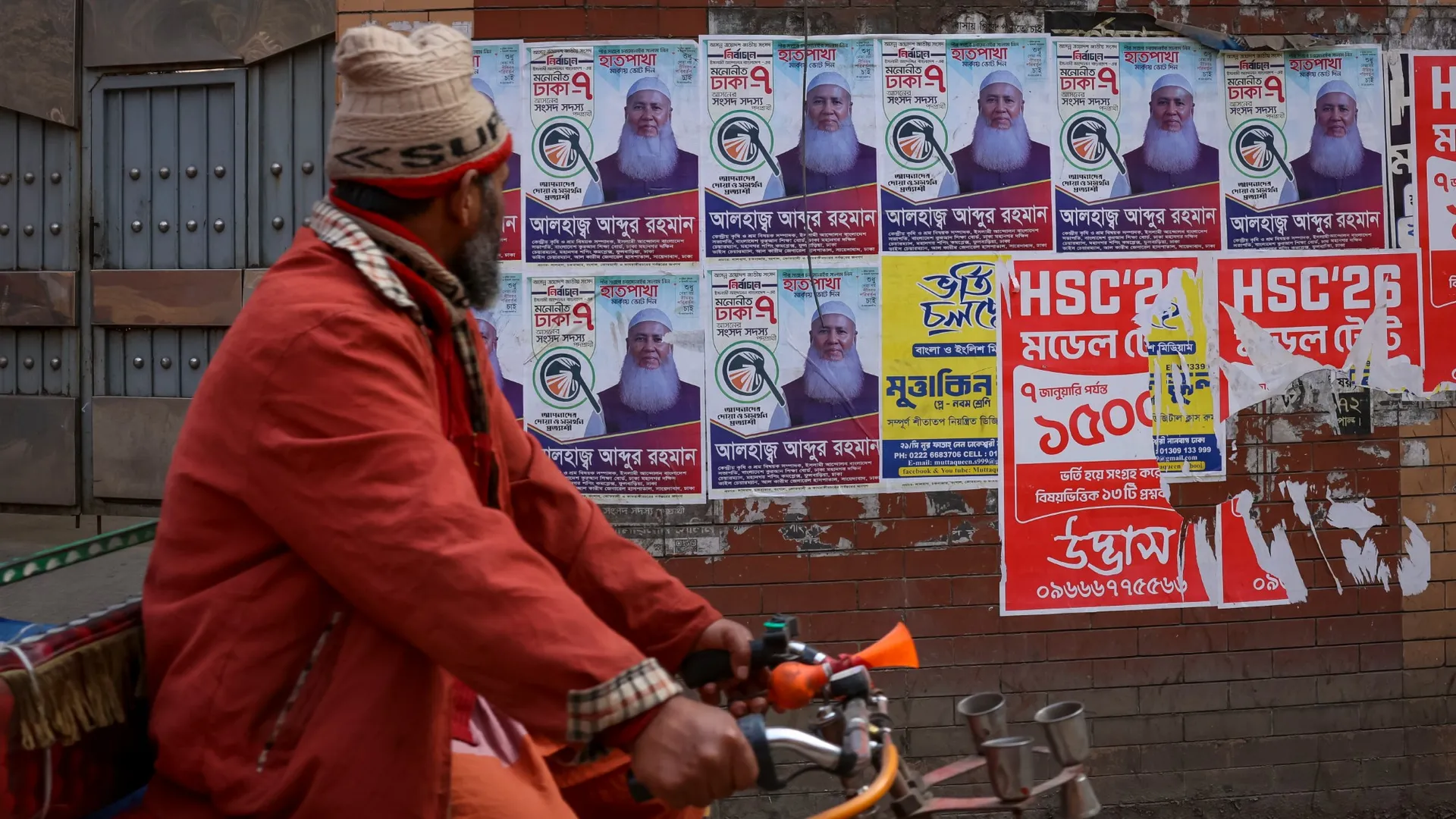
    Bangladesh goes to the polls tomorrow in its first general election since former Prime Minister Sheikh Hasina was deposed by youth-led protests in 2024. Tomorrow will be seen as a verdict on that student uprising and also as a signal of the political direction of the subcontinent more broadly. 

    In a country of more than 127 million registered voters, it will be the “biggest democratic process of 2026 anywhere,” said the EU delegation to Bangladesh on X. For the “first free and fair election in more than a decade, the prevailing mood” on Dhaka’s streets is “one of anticipation,” said CNN. 

    Who’s in the running? 
    Of the 59 registered political parties in Bangladesh, 51 are taking part, with 1,981 candidates standing, including 249 independents. Hasina’s party, the Awami League, has been banned. 

    The contest is expected to be a battle between two rival coalitions. The first is headed by the center-right Bangladesh Nationalist Party, led by Tarique Rahman, the son of former Prime Minister Khaleda Zia and a representative of the entrenched political elite. The other coalition is led by the Islamist party Jamaat-e-Islami and includes the National Citizen Party, formed by student leaders of the 2024 uprising. 

    What’s at stake? 
    The vote will reflect deep-seated concerns on issues including high inflation (which reached 8.58% last month), economic stagnation, law and order, and endemic corruption. Nearly half of those registered to vote are between the ages of 18 and 37, and youth unemployment and the lack of opportunities for young Bangladeshis have been central campaign issues. For many, the question of national identity is also at stake, as religious and secular forces vie for power. 

    As well as voting for representatives in the national parliament, Bangladeshis will also cast their ballot in a referendum on reforms to restructure state institutions and limit executive power. “Everyone agreed that there must be reform in the system so that no one can become a dictator in the future,” Salman Al-Azami, of Liverpool Hope University, said to Anadolu Agency. 

    The polling will also be seen as a verdict on the success of the student uprising. As many as 1,400 people died in the protests, the majority of them killed in the security crackdown ordered by Hasina. After the election, said the BBC, students will “learn whether their revolution, and the bloodshed, were worth it.”


    Good day ⛓️‍💥

    … for historic preservation. A safe house linked to the Underground Railroad, the network used to help slaves escape to freedom, has been discovered inside the Merchant’s House Museum in Manhattan. The discovery is “generational” and a “significant find in historic preservation,” Michael Hiller, a preservation attorney, said to Spectrum News NY1.


    Bad day 🏳️‍🌈

    … for historic commemoration. The Trump administration has removed a rainbow flag from the Stonewall National Monument, also in Manhattan, in a move seen as a “swipe at the country’s first national monument to LGBTQ+ history,” said The Associated Press. The flagpole stands near the site of the riots that “helped catalyze the modern LGBTQ+ rights movement.”


    Picture of the day

    Crash landing

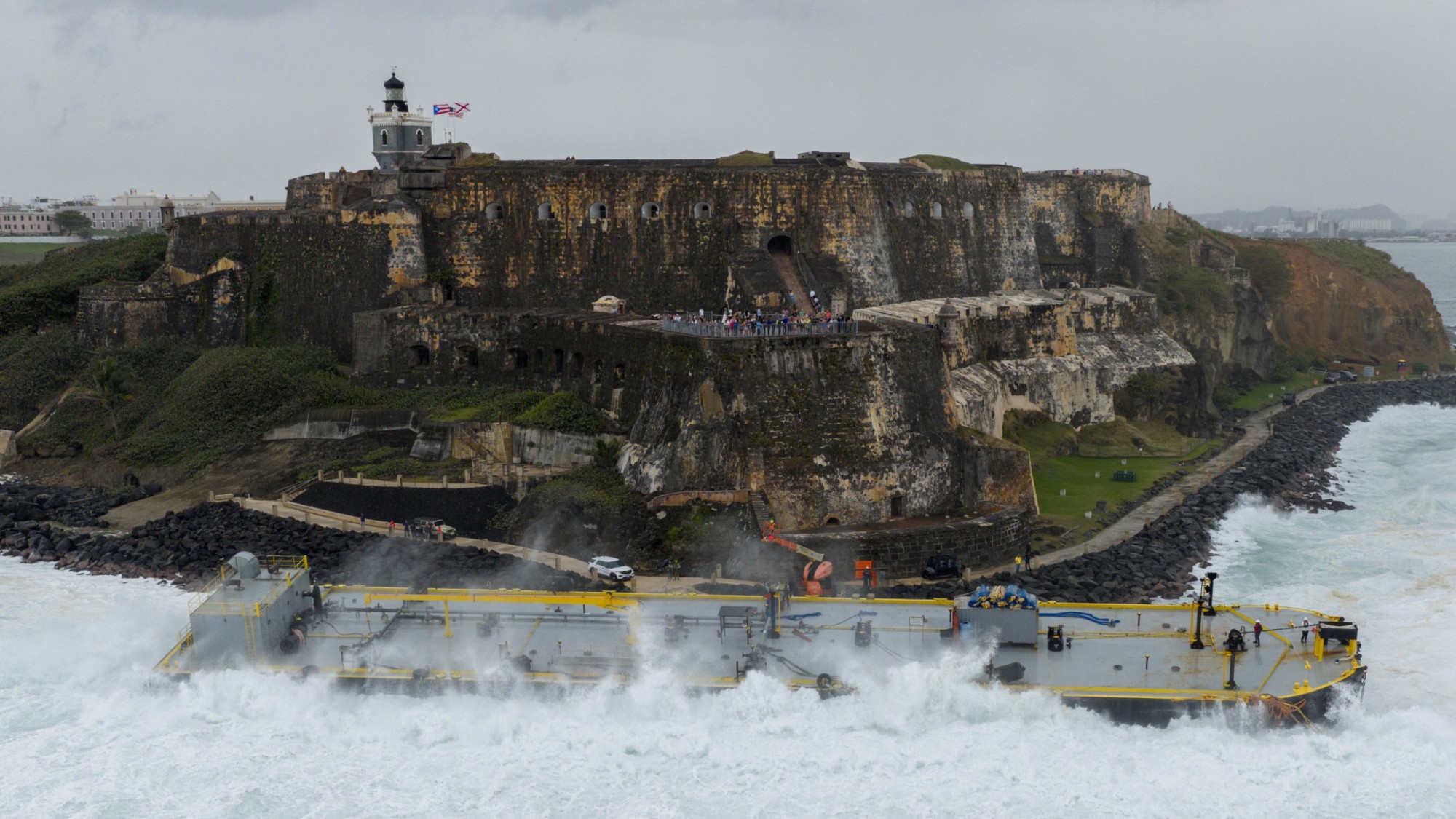
    Waves crash over a fuel barge after running aground near Castillo San Felipe del Morro at the entrance to San Juan Bay, Puerto Rico. The 265-foot vessel became stranded after losing maneuvering capability but was empty at the time of the accident, and no pollution was reported.
    Ricardo Arduengo / Reuters


    Puzzles

    Daily sudoku

    Challenge yourself with The Week’s daily sudoku, part of our puzzles section, which also includes guess the number

    Play here


    The Week recommends

    Cook pasta better than ever before 

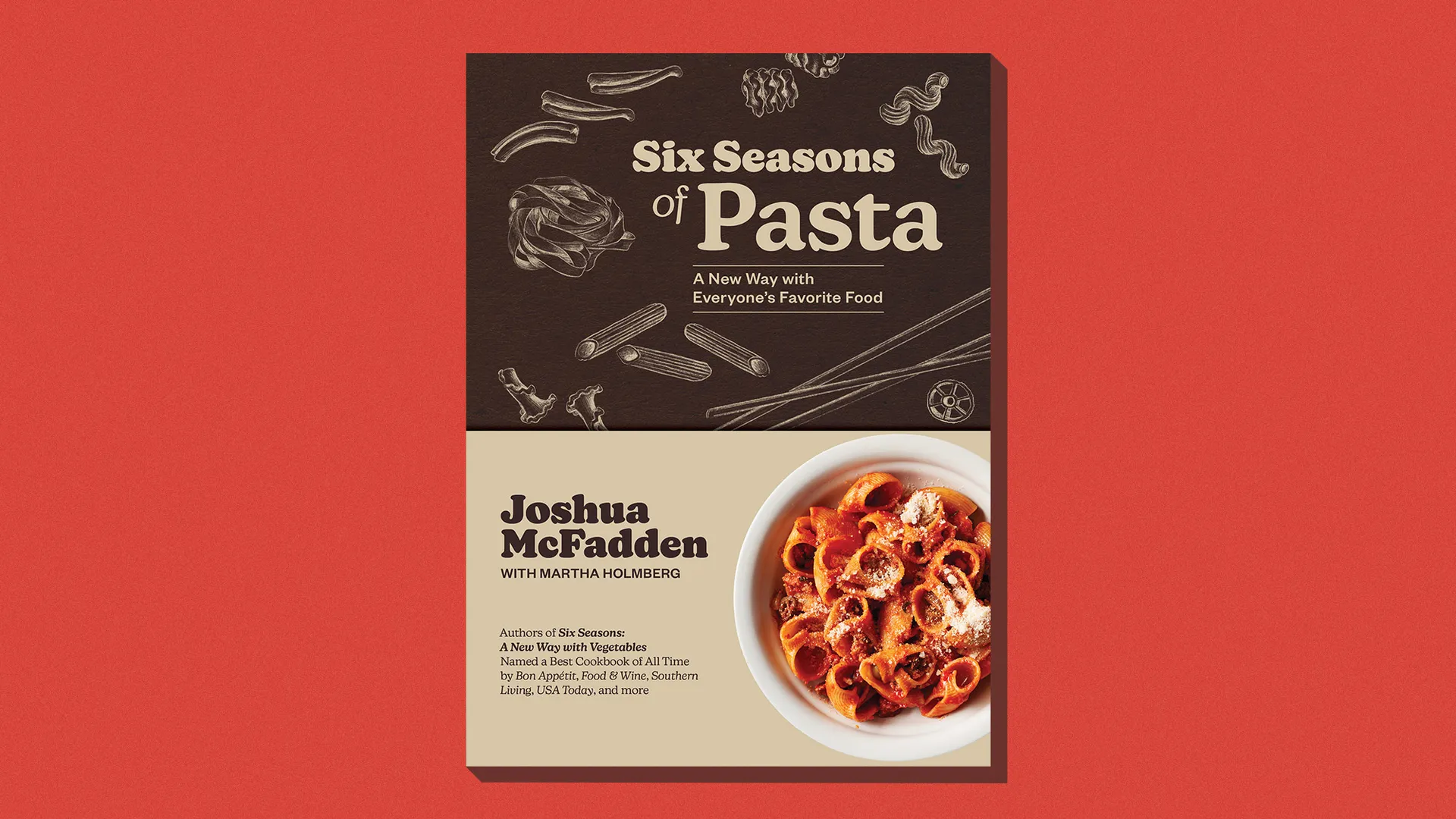
    A classic cookbook is often formed in the forges of time. Years of kitchen use and page-flipping transform a tome into a genre fixture. Now and again, a brand-new example is towed into the kitchen. “Six Seasons of Pasta: A New Way with Everyone’s Favorite Food” is one such cookbook.

    Division as greatness
    Chef-author Joshua McFadden had been known for years as a vegetable soothsayer. His debut cookbook, “Six Seasons: A New Way with Vegetables,” showed how to bring vegetables to glorious life. His co-author, Martha Holmberg, translated McFadden’s restaurant-minded technique into unimpeachable recipes for the home cook.

    McFadden is as impassioned about pasta as he is about the garden. This book is anchored by six chapters that divide the year: spring, early summer, midsummer, late summer, fall and winter. Artichokes star in five pastas for spring, including in radiatore with chicken and lemon-flavored ricotta. Eggplant appears with linguine, tomato and almond pesto or nestled with capers and golden raisins between ribbons of mafaldine. 

    Boil, boil, toil and (no) trouble
    The book includes a series of treatises on the fundamentals of McFadden’s pasta-cooking style. He clarifies how much salt is the right amount to add to your boiling water. He reveals the effortlessness of building your sauce in the skillet as the pasta boils. And he tells you why you should add any cheese while you finish cooking the pasta in said skillet: so it has an opportunity to melt and emulsify the sauce. Simple tips for faultless recipes.

    Read more


    Poll watch

    Almost three-fifths of white evangelicals (58%) support all or most of Trump’s plans and policies — an 8-point drop from one year ago, according to a Pew Research Center survey. And the number of evangelicals who believe Trump acts ethically while in office dropped by 15 points over the same period.


    INSTANT OPINION

    Today’s best commentary

    ‘A foreign policy worse than regime change’
    John Bolton at The Atlantic
    Trump campaigned in 2024 saying he would “begin ‘no new wars,’ ‘regime change’ and ‘nation building’ and generally prioritize domestic policy over foreign affairs,” says former National Security Adviser John Bolton. But Trump has “instead opted for global buccaneering: attacking Islamic terrorists in Nigeria, launching pinprick swipes at Yemen’s Houthis and seeking a massive, elusive trade deal with China.” He has done so “inconsistently and incoherently,” and “this is much worse as a policy model than ‘regime change’ ever was.”

    ‘The Dow just broke 50,000. Here’s what that means.’
    Michael Hiltzik at the Los Angeles Times
    The Dow Jones “crossed 50,000 points for the first time, but that doesn’t mean the economy is healthy,” says Michael Hiltzik. The Dow “doesn’t rank as a reliable picture” of the U.S. economy and “doesn’t rank as a picture of the stock market as a whole.” As for “whether it’s possible to read conclusions about the economy in the Dow Industrial figures, it’s hard to discern.” The Dow had a “very nice day. That doesn’t mean the euphoria will last.”

    ‘On Ukraine, “liberal” war hawks make the far right look like peacemakers’
    Leonid Ragozin at Al Jazeera
    Ukraine is “stuck between two kinds of Western populism,” says Leonid Ragozin. One is that of Trump and his “European far-right equivalents, who don’t care much about either Ukraine or the rules-based order.” The other one is that of the “anti-Russian (and anti-Trump) hawks who tend to wrap the cynical interests of the military-industrial complex in phony liberal rhetoric.” Claims “misinterpreting Russia’s motives and intentions are an integral part of jingoistic populism, which has been fueling this conflict.”


    WORD OF THE DAY

    cocido

    A hearty traditional Spanish chickpea stew that contains chorizo, chicken, black pudding and pork fat and can take days to prepare. Once the “ preserve of the poor,” cocido has been elevated to protected status as a Bien de Interés Cultural (Good of Cultural Interest), the highest legal protection category for cultural heritage in Spain, said The Times. 


    Evening Review was written and edited by Theara Coleman, Nadia Croes, Scott Hocker, Anya Jaremko-Greenwold, Justin Klawans, Joel Mathis, Summer Meza, Chas Newkey-Burden and Rafi Schwartz, with illustrations by Stephen Kelly and Julia Wytrazek.

    Image credits, from top: Illustration by Stephen Kelly / Getty Images / AP Photo; Jerome Gilles / NurPhoto / Getty Images; Kazi Salahuddin Razu / NurPhoto / Getty Images; Hachette


    Recent editions

    • Morning Report

      Shootings at Canadian school and home claim 10 lives

    • Evening Review

      Prince William’s mission in Saudi Arabia

    • Morning Report

      King ready to work with police over Andrew

    VIEW ALL
    TheWeek
    • About Us
    • Contact Future's experts
    • Terms and Conditions
    • Privacy Policy
    • Cookie Policy
    • Advertise With Us
    • FAQ
    Add as a preferred source on Google

    The Week UK is part of Future plc, an international media group and leading digital publisher. Visit our corporate site.

    © Future Publishing Limited Quay House, The Ambury, Bath BA1 1UA. All rights reserved. England and Wales company registration number 2008885.