The Week The Week
flag of US
US
flag of UK
UK
https://cdn.mos.cms.futurecdn.net/flexiimages/jzblygzdxr1769609154.gif

SUBSCRIBE

Try 6 weeks free

Sign in
  • View Profile
  • Sign out
  • The Explainer
  • Talking Points
  • The Week Recommends
  • Podcasts
  • Newsletters
  • From the Magazine
  • The Week Junior
  • More
    • Politics
    • World News
    • Business
    • Health
    • Science
    • Food & Drink
    • Travel
    • Culture
    • History
    • Personal Finance
    • Puzzles
    • Photos
    • The Blend
    • All Categories
  • Newsletter sign up Newsletter
  • The Week Evening Review
    A cruise ship outbreak, the Trump-Xi summit, and the thymus’ health implications

     
    today’s big question

    Could hantavirus be a pandemic threat?

    Hantavirus is typically spread by exposure to rodent droppings. But health experts are alarmed that a deadly ship-borne outbreak of the virus might be spreading from human to human.

    The possibility of person-to-person transmission is “very surprising” and a “rare occurrence,” said Kari Debbink of Johns Hopkins Bloomberg School of Public Health to NPR. Three people aboard the MV Hondius cruise ship have already died from the outbreak, and there are several other suspected cases among the 147 passengers and crew. 

    Hondius passengers have been isolated in their cabins in a “lockdown reminiscent of the Covid-19 pandemic,” said The Associated Press. The Andes strain of hantavirus at issue “requires very close, prolonged contact” to spread between people, said Celine Gounder, of KFF Health News, on “PBS NewsHour.” That’s “very different” from Covid or flu viruses that can be “transmitted much more easily through the airborne respiratory route.”

    What did the commentators say?
    The outbreak is “serious and frankly a bit unnerving,” said Katherine J. Wu at The Atlantic. A human-transmitted hantavirus could “pose an additional threat” to people at the ship’s destination or to healthcare workers treating the sick. Once the ship’s passengers disembark, officials cannot yet say the risk that passengers and crew will pose to the “broader global community.” 

    There’s “no reason for panic,” said Lisa Jarvis at Bloomberg. Hantavirus is “ubiquitous” in parts of the U.S., such as the desert Southwest, while actual infections are “still rare.” The current outbreak is “unlikely to turn into anything bigger.”

    The World Health Organization was “built to manage” emergencies like this, said Krutika Kuppalli at Stat News. Indeed, the WHO is “coordinating the response.” But the U.S. government has not taken advantage of the information generated by the agency, having withdrawn from the WHO in 2025. And the outbreak should be a “warning sign to the U.S.” of the costs of that decision.

    What next?
    The Hondius “remains at sea” while regional leaders “clash over its docking,” said The New York Times. Spain has said the ship can dock in the Canary Islands, but regional government officials have “objected to the ship docking there.” 


    talking points

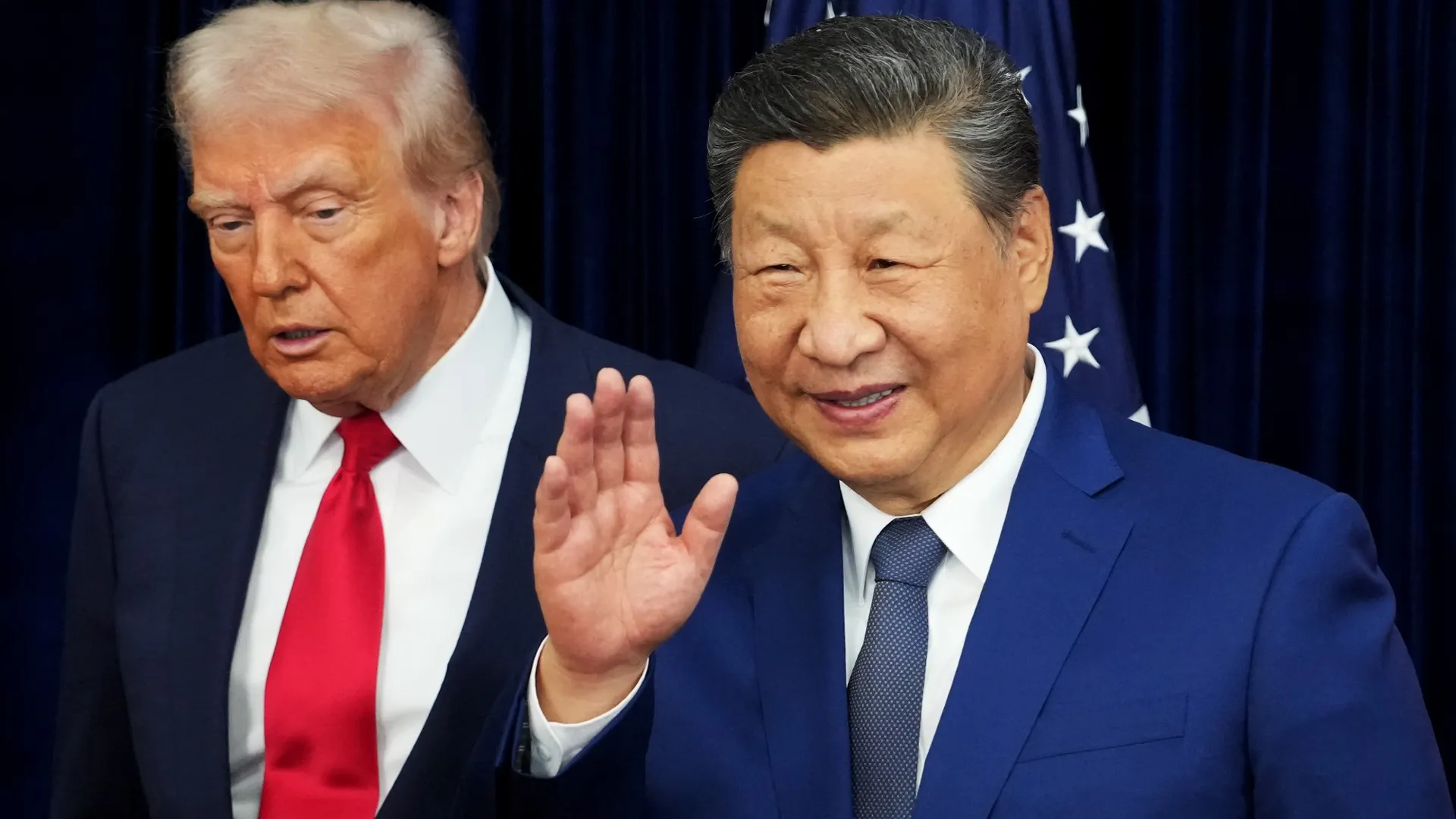
    What can Trump achieve at the China summit?

    Plans for a summit between President Donald Trump and Chinese leader Xi Jinping were underway before the U.S. went to war with Iran. That war delayed the meeting, now set for next week, and will overshadow other issues the two leaders planned to discuss.

    The Iran conflict has “significantly altered” the agenda for the Trump-Xi summit and could be a “major obstacle” to resolving trade issues between the two countries, said Lyle J. Goldstein at Responsible Statecraft. The “tensions are palpable” in part because China has reportedly shared weapons and intelligence with Tehran, but both countries want to keep the world economy from “careening off the looming cliff.” 

    Trump may want to “temper his expectations” for the summit, said Jacob Dreyer at The New York Times. China once saw presidential visits as “global validation” for its rise but now has “begun to chart its own course” as its leaders realize their country has “learned all it can” from the U.S.

    ‘Creditor-debtor dynamic’
    The president has “fewer cards to play” at the summit, said Brahma Chellaney at The Hill. His choice to go to war against Iran has “boomeranged” into a “global energy shock,” with the result that a meeting intended as a “show of strength” for the U.S. president may end up being more about “damage control.”

    Trade issues will “take center stage at the summit,” said Patricia M. Kim at Brookings. Trump and Xi will likely continue the “trade truce” between their countries, with the U.S. getting Chinese exports of rare earth minerals and sales of American farm products, while China gets tariff and regulatory relief from Washington. 

    Breakthroughs unlikely
    The number of Americans with favorable views about China has “ticked up,” nearly doubling since 2023 to 27%, said Pew Research. Fewer Americans say China is an enemy, but most “still see it as a competitor.”

    The summit is “unlikely to deliver decisive breakthroughs” between the U.S. and China, said Yingfan Chen and Dingding Chen at The Diplomat. Its significance will not be a “transforming” of the dynamic between the two countries but instead a “maintaining” of a “minimum level of predictability” in the relationship.


    QUOTE OF THE DAY

    ‘I actually thought he was going to hit me.’

    OpenAI President Greg Brockman testifying in Oakland federal court about a heated 2017 exchange with company co-founder Elon Musk, who was angry after being refused majority ownership. The billionaire has sued OpenAI, Brockman, investor Microsoft and OpenAI CEO Sam Altman for allegedly violating its founding agreement by turning for-profit.


    Statistic of the day

    $100: The cost of a hot dog at the Miami Grand Prix. The Golden Glizzy is an “Australian wagyu hot dog on a Ficelle Bakery croissant bun,” said The Athletic, topped with “crème fraîche, mascarpone, 30 grams of classic osetra caviar, chives and 24-karat edible gold flakes.”


    in the spotlight

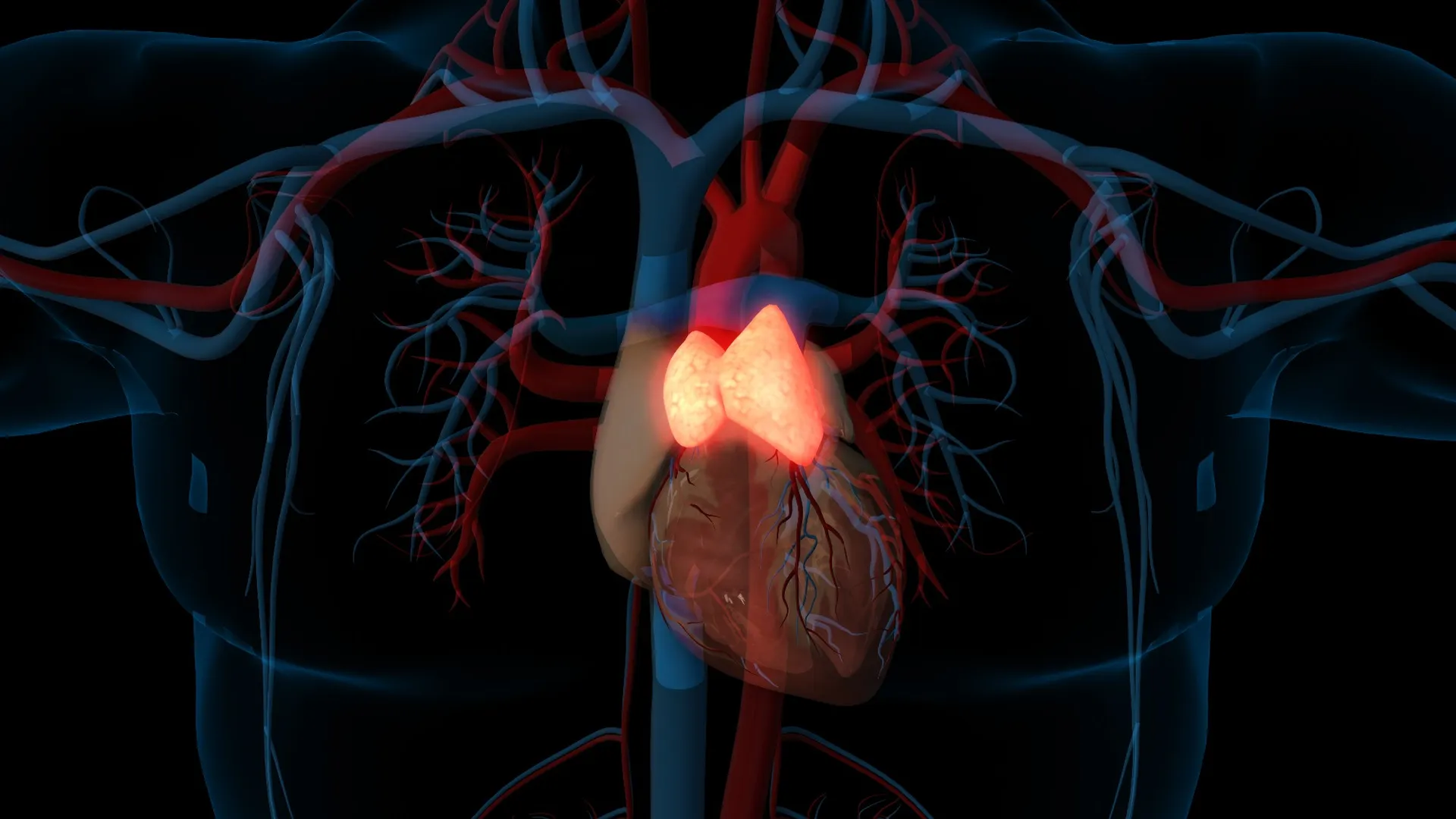
    A long-ignored organ plays a big role in health outcomes

    The thymus is a small organ behind the breastbone that helps to establish the body’s immune system early in life. Since it shrinks with age, it was once thought to become mostly inactive over time. But two different studies published in the journal Nature — one connecting the long-term health of adults with their thymic health and the other analyzing cancer therapy outcomes and thymic health — point to the thymus as playing an important role in wellness. 

    This organ has been “overlooked for decades,” said Hugo Aerts, a corresponding author on both studies, in a press release. And it may be a “missing piece in explaining why people age differently and why cancer treatments fail in some patients.”

    T-cells and immunity
    The thymus’ main function is to “generate a diverse T-cell repertoire, which provides adaptive immunity throughout life,” said the Nature study on thymic long-term health consequences. While the “relevance and abundance of the T-cell repertoire at a young age are well documented,” the thymus likely “retains a continued role in T-cell production throughout adulthood.”

    Higher thymic health scores are “associated with laboratory markers of continued T-cell production, greater T-cell diversity in blood and tumors, and stronger activity of immune pathways, supporting thymic health as a proxy for immune competence,” said the press release. “When thymic health and T-cell diversity decline, the immune system becomes less able to respond to new threats.”

    Surprising health indicator
    People with better thymic health had “about a 50% lower risk of premature death, 63% lower risk of cardiovascular death, and 36% lower risk of developing lung cancer compared to those with low thymic health,” said the release. And researchers saw “similar patterns across many other causes of death.” A healthy thymus was also “associated with reduced risks of progression and all-cause mortality” in cancer patients, said the Nature study on thymic health and cancer. 

    Future solutions
    There’s now interest in finding ways to “slow down the thymus’ natural deterioration,” said The Washington Post. This could have “many applications in autoimmune diseases, improving people’s responses to vaccinations as they age, or improving how people respond to cancer immunotherapies.”


    Good day 👨🏽‍🍼

    … for fatherhood. Being a dad is associated with reduced mortality, according to a study published in the journal JAMA Pediatrics. Compared to men in general, the death rate of fathers is “lower at all ages after the age of 25,” so there’s something “protective” about paternity, Craig Garfield, the lead author of the study, said to Stat News. 


    Bad day 💉

    … for transparency. Officials at the Food and Drug Administration have blocked publication of several studies supporting the safety of vaccines against Covid-19 and shingles in recent months, said a spokesman for the Department of Health and Human Services to The New York Times. Agency scientists conducted the studies and found that serious side effects were very rare.


    Picture of the day

    Celestial rainbow

    The Milky Way arcs over a salt flat in northwest Argentina. Titled “My Perfect Night,” the image was captured by Daniel Viñé Garcia and is among 25 winners of the 2026 Milky Way Photographer of the Year competition, published on the Capture the Atlas blog. 
    Daniel Viñé Garcia / Milky Way Photographer of the Year


    Puzzles

    Daily sudoku

    Challenge yourself with The Week’s daily sudoku, part of our puzzles section, which also includes guess the number

    Play here


    The Week recommends

    Horror and comedy return, and a sci-fi series debuts

    Studios never take a breath these days, especially in an uncertain and highly competitive streaming environment. And so, once again, the weeks ahead are teeming with intriguing new and returning series for fans of everything from the funny to the scary.

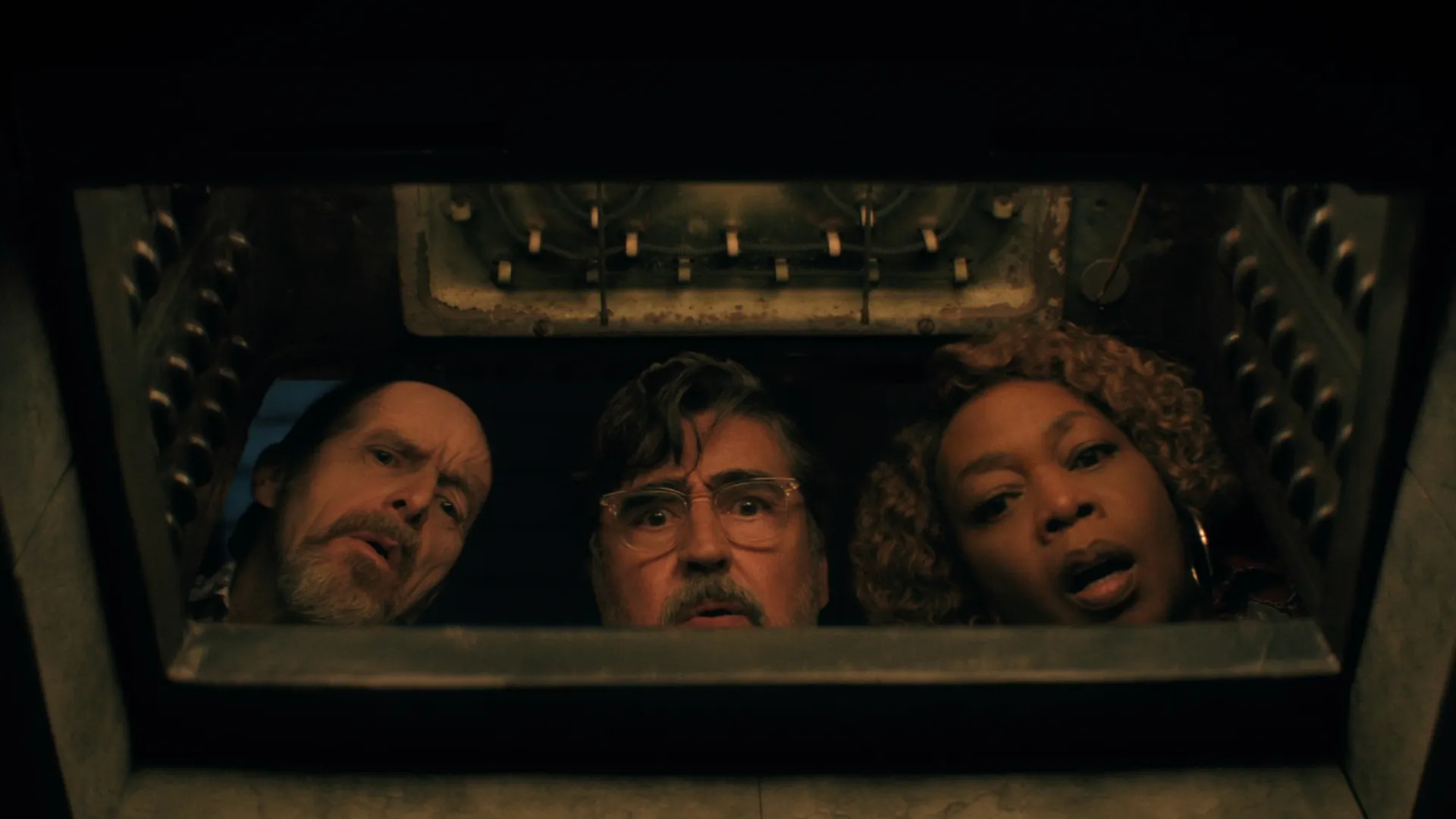
    ‘The Terror: Devil in Silver’
    Three years after the short-lived Apple TV+ adaptation of “The Changeling,” horror novelist Victor LaValle gets another crack at the small screen with the third season of this anthology series, based on his 2012 novel of the same name. The series “excels with its raw depictions of paranoia, delusion and, appropriately enough, terror through creative, claustrophobic camerawork,” said Daniel Kurland at Bloody Disgusting. (May 7 on AMC+)

    ‘The Boroughs’
    Executive-produced by the Duffer Brothers (“Stranger Things”), “The Boroughs” is billed as a cross between the 1985 sci-fi classic “Cocoon” and “Stranger Things.” The series will explore the “perspectives of people who so often aren’t the heroes of these tales, because society often regards aging as a moral failure rather than an opportunity to tell fresh stories that draw on age and experience,” said Aimee Hart at Polygon. (May 21 on Netflix)

    ‘Deli Boys,’ season 2
    One of the best comedies of 2025, creator Abdullah Saeed’s “Deli Boys” returns to Hulu for a second season. The first round was “full of hijinks and heart, centering on fully realized, flawed South Asian protagonists whose culture is seamlessly integrated,” said Saloni Gajjar at The AV Club. (May 28 on Hulu)

    Read more


    Poll watch

    About 3 in 5 Americans (61%) believe that using military force against Iran was a mistake, according to an ABC News / Washington Post / Ipsos survey of 2,560 adults. Fewer than 1 in 5 Americans (19%) believe that the U.S.’s actions in Iran have been successful.


    INSTANT OPINION

    Today’s best commentary

    ‘Iran’s survival is not victory’
    Menahem Merhavy at Foreign Policy
    Iran previously “defined victory in expansive terms: exporting revolution, rolling back U.S. power and ultimately eliminating Israel,” says Menahem Merhavy. But “today, under sustained military pressure, its leaders are advancing a far narrower claim,” as “survival itself — withstanding strikes, avoiding surrender, remaining intact — is increasingly presented as victory.” This is “more than mere wartime rhetoric. It marks a shift in how the regime understands power, success and its own purpose.” The “language of Iran’s leadership reflects this shift.”

    ‘The rush to point fingers at the Secret Service’
    Mitch Price at The Wall Street Journal
    After an incident involving “presidential security, a predictable cycle begins,” says Mitch Price. Media outlets “elevate instant analysis from so-called experts eager to diagnose Secret Service failures.” In the “immediate aftermath, there’s rarely enough verified information to support meaningful conclusions,” but “confident claims emerge anyway, often from people with little experience in presidential protection.” Risk “can’t be eliminated, only managed.” Safety plans “must balance threats, resources, public access, and the president’s need to remain visible.”

    ‘Miami’s drought wake-up call’
    Michael Berkowitz and Meenakshi Chabba at the Miami Herald
    For a region that “receives nearly 60 inches of rain annually, scarcity” in Miami “felt like someone else’s problem,” say Michael Berkowitz and Meenakshi Chabba. But a “drought has shattered that sense of abundance and revealed the vulnerability of South Florida’s water supply.” Most Miami residents “think of resilience mainly as flood adaptation, leaving water security as an underacknowledged pillar.” But Florida “cannot build a truly resilient Miami without bringing its most consequential resilience plan to the finish line.”


    WORD OF THE DAY

    microlooting

    The act of stealing small low-value items from large corporations as a form of anti-capitalist or political protest. The term was coined in a recent episode of “The Opinions,” a New York Times podcast, in which host Nadja Spiegelman and guests, the pro-communist Hasan Piker and New Yorker columnist Jia Tolentino, justified stealing from places like Whole Foods.


    Evening Review was written and edited by Theara Coleman, Nadia Croes, Catherine Garcia, Scott Hocker, Anya Jaremko-Greenwold, Justin Klawans, Joel Mathis and Devika Rao, with illustrations by Stephen Kelly.

    Image credits, from top: Illustration by Stephen P. Kelly / Getty Images; Andrew Harnik / Getty Images; myboxpra / Getty Images; Courtesy of Netflix
     

    Recent editions

    • Morning Report

      US declares offensive phase of Iran war ‘over’

    • Evening Review

      British politics goes Dutch

    • Morning Report

      Gulf ceasefire falters as US and Iran clash

    VIEW ALL
    TheWeek
    • About Us
    • Contact Future's experts
    • Terms and Conditions
    • Privacy Policy
    • Cookie Policy
    • Advertise With Us
    • FAQ
    Add as a preferred source on Google Add as a preferred source on Google

    The Week UK is part of Future plc, an international media group and leading digital publisher. Visit our corporate site.

    © Future Publishing Limited Quay House, The Ambury, Bath BA1 1UA. All rights reserved. England and Wales company registration number 2008885.