With many in the Trump administration pushing an anti-vaccine agenda, declining measles vaccination rates have forced scientists to reinvigorate the hunt for a drug that could fight the virus. And researchers seem hopeful that a breakthrough is on the horizon.
Why are researchers revamping the search?
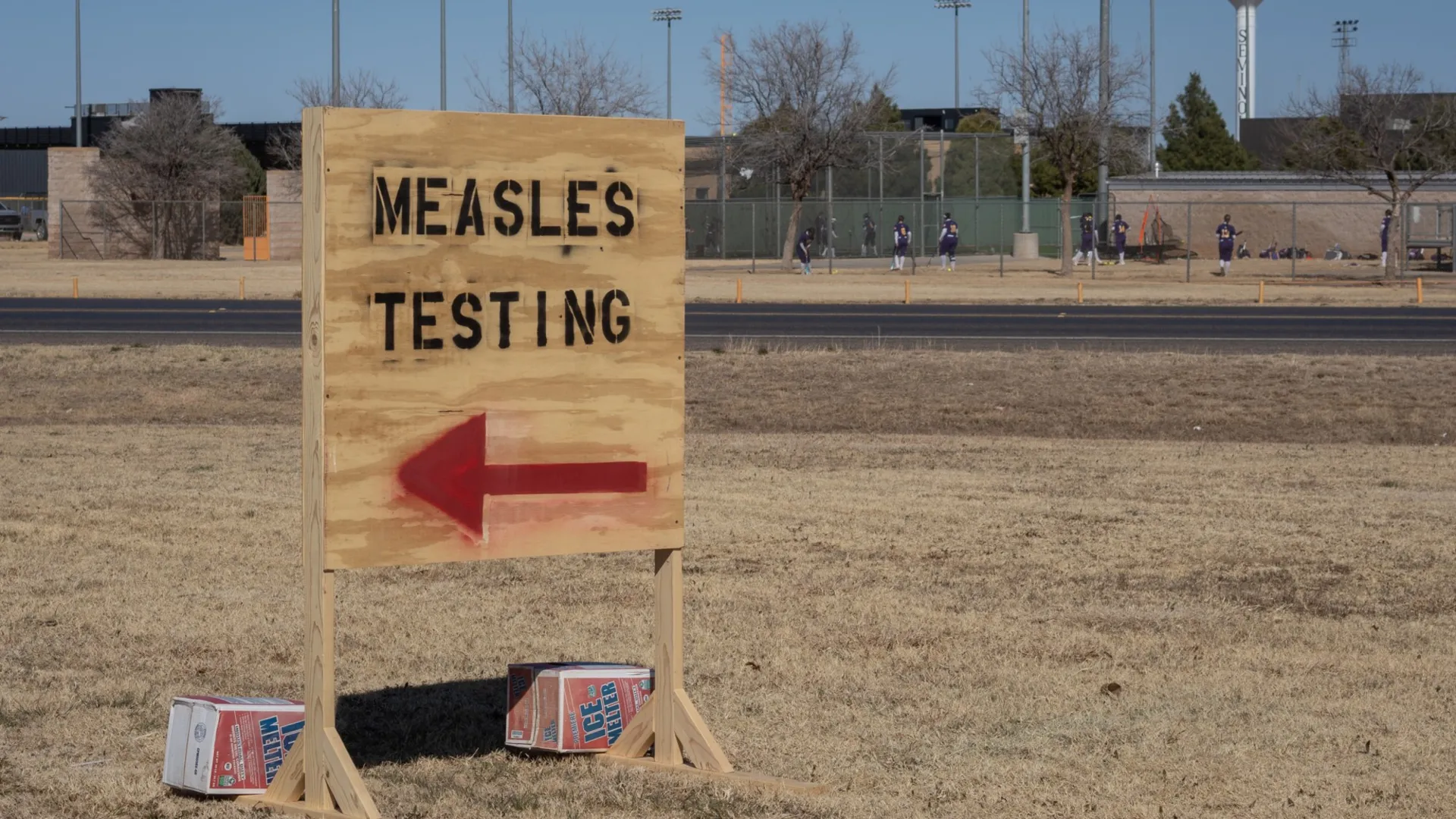
For a long time, the quest to create a measles drug was essentially dormant, as the virus had been “kept at bay” in the U.S. for “more than two decades thanks to a remarkably effective vaccine,” said The New York Times. But in 2025, amid anti-vaccine sentiment from the White House, a “series of outbreaks popped up in unvaccinated communities across the country,” marking the worst year for measles in the U.S. since 1991.
The outbreak led to a “‘very crowded’ hunt for new measles therapeutics that could prevent or treat infections,” said the Times. Currently, if an unvaccinated individual contracts the measles, doctors can “offer ways to manage symptoms, which often include fever, fatigue, cough and a hallmark blotchy rash,” said Science News. But they “can’t fight off the virus itself.”
How far away is an approved drug?
There have been several breakthroughs from various scientific groups, and many feel that FDA approval of a measles drug is imminent. At least one antiviral drug, GHP-88310, has recently been shown to “help treat measles, croup and other related viral diseases that cause contagious and life-threatening respiratory infections,” said The Independent. Another company, Saravir, is developing its own measles antibody treatment.
Still, an antibody treatment and other measles drugs could be cost-prohibitive. If the drug “makes it through trials,” Saravir “expects the infusions to cost roughly $2,500,” said the Times.
The success of a drug doesn’t necessarily mean it will become ubiquitous as a measles treatment, in part because of people’s feelings about the disease. One of the “biggest misunderstandings about measles is that it’s ‘not that bad,’” said Kathryn Hastie, a structural virologist at San Diego’s La Jolla Institute for Immunology, to Science News. The virus instead can “cause a range of complications that can severely impact people’s lives, including pneumonia and blindness.” |