The Week UK
flag of US
US
flag of UK
UK
https://cdn.mos.cms.futurecdn.net/flexiimages/jzblygzdxr1769609154.gif

SUBSCRIBE

Start your trial today

Sign in
  • View Profile
  • Sign out
  • The Explainer
  • Talking Points
  • The Week Recommends
  • Podcasts
  • Newsletters
  • From the Magazine
  • The Week Junior
  • More
    • Politics
    • World News
    • Business
    • Health
    • Science
    • Food & Drink
    • Travel
    • Culture
    • History
    • Personal Finance
    • Puzzles
    • Photos
    • The Blend
    • All Categories
  • Newsletter sign up Newsletter
  • The Week Evening Review
    Trump’s social media revenue, Europe’s cyberattacks, and produce’s safety

     
    IN THE SPOTLIGHT

    Trump’s big profits from selling social media access

    President Donald Trump’s net worth has grown significantly since his return to the White House, and financial disclosures from his large media empire now show just how much wealth he has accrued from one of his moneymaking ventures. Most of this revenue comes from selling early access to his social media feeds — a gambit that Democrats are pushing to investigate as critics question its legality.

    Pay to play
    Revenues soared 205% in the third quarter of 2026 for the president’s media conglomerate, Trump Media and Technology Group, which owns his social media platform Truth Social, according to a filing with the U.S. Securities and Exchange Commission. Much of the company’s net income “came from $496.1 million in gains on its cryptocurrency and stock holdings, which the company described as noncash,” said The Washington Post.

    But the most criticized aspect is the ballooning of Truth API, a licensing service that “allows news organizations, Wall Street trading firms and other services to pay $60,000 to $100,000 per month for a direct feed of posts on the social network,” said NBC News. Of the company’s $3 million in third-quarter revenue, $1.8 million, or 60%, came from selling access via Truth API, according to the SEC filing. Critics have argued that selling such a service is unlawful and have “slammed the feed as an attempt to profit from Trump’s posts,” said NBC.

    ‘Laissez-faire approach’
    Why would “deep-pocketed financial institutions pay exorbitant fees to see presidential declarations before the rest of the public”? said MS NOW. The idea of selling access is “controversial but straightforward,” as Trump often posts about governmental moves that reverberate through the economy. But one lawsuit claims the president “stands to gain financially” and calls the “scheme” an “extraordinary, corrupt and unconstitutional” one, said the suit filed by The Intercept Media and the Freedom of the Press Foundation.

    The financial disclosures would normally “raise a red flag for the SEC,” said The New Republic. But the agency’s two commissioners are both Republicans, and Trump appointed one. The GOP has often been “less interested in enforcing the nation’s securities laws, but Trump 2.0 takes that laissez-faire approach to legality to stratospheric new levels.” Rep. Jamie Raskin (D-Md.) has launched a congressional investigation into the Truth API venture.


    QUOTE OF THE DAY

    ‘I feel this is a tactical failure by the Army, our leadership and myself.’

    Army Maj. Stephen Ramsbottom on CBS’ “60 Minutes” on the Pentagon’s failure to properly prepare for the Iran war, leading to the deaths of U.S. service members. He filed a whistleblower complaint to Congress last week.


    TODAY’S BIG QUESTION

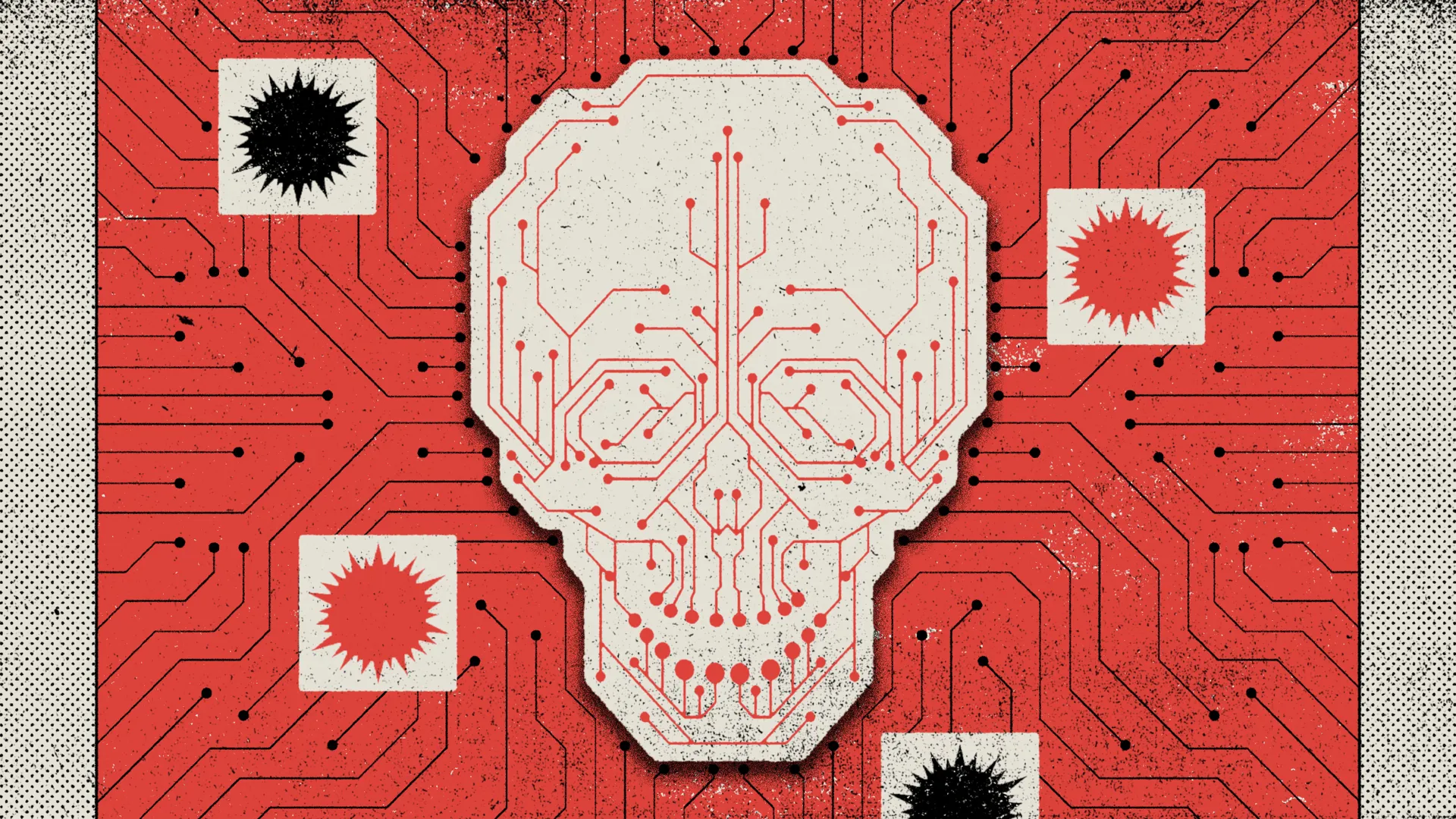
    Are cyberattack threats a new normal for Europe?

    A common theme links hijacked refrigerators, a record cryptocurrency heist, bomb threats to airlines and newsrooms, and a fake nuclear strike alert sent by Ukraine’s emergency alert app: These are “just the foothills” of a new hacking landscape in Europe, said Richard Horne, the head of the U.K.’s National Cyber Security Centre. There are “so many vulnerabilities out there,” particularly flaws in IT systems exposed by AI technology, that are increasingly likely “to be exploited.”

    What did the commentators say?
    Exactly who’s exploiting these weaknesses, and why, is not always clear. But there are “two factors underpinning the NCSC warnings: geopolitics and AI,” said Dan Milmo and Aisha Down at The Guardian.

    North Korea has been widely blamed for last month’s $6.3 billion hack on Binance, the world’s largest cryptocurrency exchange, while cybersecurity experts say the Europe-wide fridge attacks earlier this month bear the hallmarks of Russia. If Russia were responsible, those attacks could be intended to demonstrate the potential costs of Europe’s continued support for Ukraine, according to Sidharth Kaushal of the RUSI think tank. 

    “I think it’s more about cost imposition,” said Kaushal to CNBC. “Convincing the European political leadership that the costs of a war can come home to them.”

    “Whether nuisances or true threats, the events collectively highlighted Europe’s vulnerability in a digitally connected era,” said Adam Goldman at The New York Times. The “mix of disarray and upheaval” in recent months has “left European officials rushing to identify culprits and residents inconvenienced, confused or fearful.”

    What next?
    With cyber disruption becoming the new norm, private firms and governments are racing to protect themselves, their users and citizens. Yet countries’ abilities to withstand hybrid threats vary substantially across the continent, said Kaushal. “As one goes further west in Europe, the level of preparation, both against hybrid attacks and also simple missile attacks of the kind that we have seen in Ukraine, is far less great.”


    Statistic of the day

    292: The number of executive orders Trump has issued in the first two years of his term — one more than former President George W. Bush signed during his entire eight years in office. Former President Barack Obama issued 276 EOs during his two terms.


    THE EXPLAINER

    Imported produce has an inspection gap

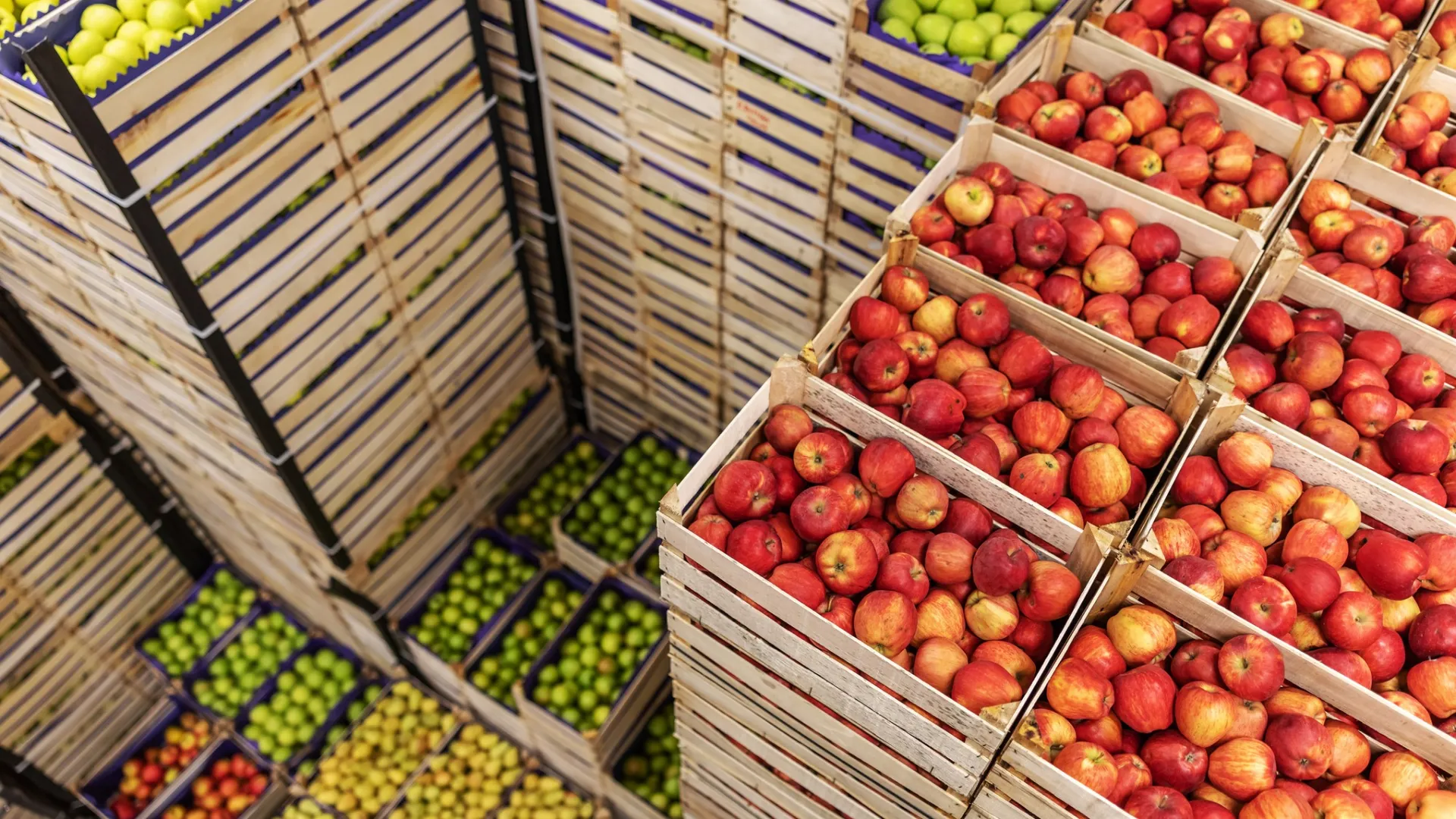
    Approximately 34% of fresh vegetables and 59% of fresh fruit in the U.S. are imported from other countries. And there’s a shocking lack of inspection of the facilities and farms that process these imported crops. This dearth of oversight can lead to more food contamination and disease outbreaks.

    Where are inspections falling short?
    A major cyclosporiasis outbreak earlier this year caused more than 20,000 lab-confirmed cases across 49 states, according to the CDC. The source was traced to contaminated iceberg lettuce from a farm in Mexico. The country is the biggest supplier of produce to the U.S., yet “since 2009 the FDA has inspected only about 2% of the facilities in Mexico that ship produce” to the U.S., said an analysis by The Washington Post.

    The problem goes beyond Mexico, as only 7.6% of global facilities accounting for 90% of produce shipped to the U.S. have been inspected since 2009. “We don’t have a robust system in place to go verify that these foreign producers are following the rules,” said Sarah Sorscher, the director of regulatory affairs at the nonprofit Center for Science in the Public Interest, to the Post. That’s a “big concern for anybody who eats food” in the U.S.

    The lack of oversight in this area is particularly concerning because produce is often eaten raw. That makes it “particularly vulnerable to bacterial and parasitic contamination from sources like machinery or the water supply,” said the Post.

    Why are they so infrequent?
    Several former officials attributed the inspection gap to “chronic underfunding, severe understaffing and high travel costs,” said The Independent. Oversight dropped “even further after federal cuts in early 2025 briefly disrupted international travel planning.”

    After the Trump administration’s funding cuts at the beginning of the presidential term, 65% of the FDA staff “responsible for coordinating travel and budgets” were culled, requiring investigators to “book their own flights and hotels, obtain diplomatic passports and visas and coordinate with foreign authorities,” said ProPublica in 2025. The FDA has argued that site visits are “just one component of its strategy,” and “border testing, record audits and predictive algorithms” are also used to test food safety, said The Independent. However, “physical testing at the border catches only a sliver of imports.”


    Good day ⛪

    … for medieval architecture. A team of Sudanese and Polish archaeologists has discovered the original floor of a massive Christian cathedral in northern Sudan. The medieval cathedral in the city of Old Dongola contains 36-foot-high walls and is “larger than the famous White House,” said Artur Obluski, the head of the archaeological project, to The Associated Press.


    Bad day 🌊

    … for California piers. Long stretches of the southern California coast were battered by huge waves yesterday, forcing numerous piers throughout the Los Angeles and San Diego area to close. Further north, waves along San Mateo County near San Francisco were recorded as high as 50 feet.


    Picture of the day

    Worship along the water

    Devotees pray to the setting sun on the banks of the Yamuna River during the Chhath festival in Noida, India. The river is polluted with toxic foam formed by industrial chemicals and detergents mixing with untreated sewage.
    Manish Swarup / AP Photo


    Puzzles

    Daily sudoku

    Challenge yourself with The Week’s daily sudoku, part of our puzzles section, which also includes guess the number

    Play here


    The Week recommends

    The best book series of all time

    A good book entertains you, but a great book series captivates you for years. Spanning several decades of world-building and a variety of genres, these are the best book series ever published.

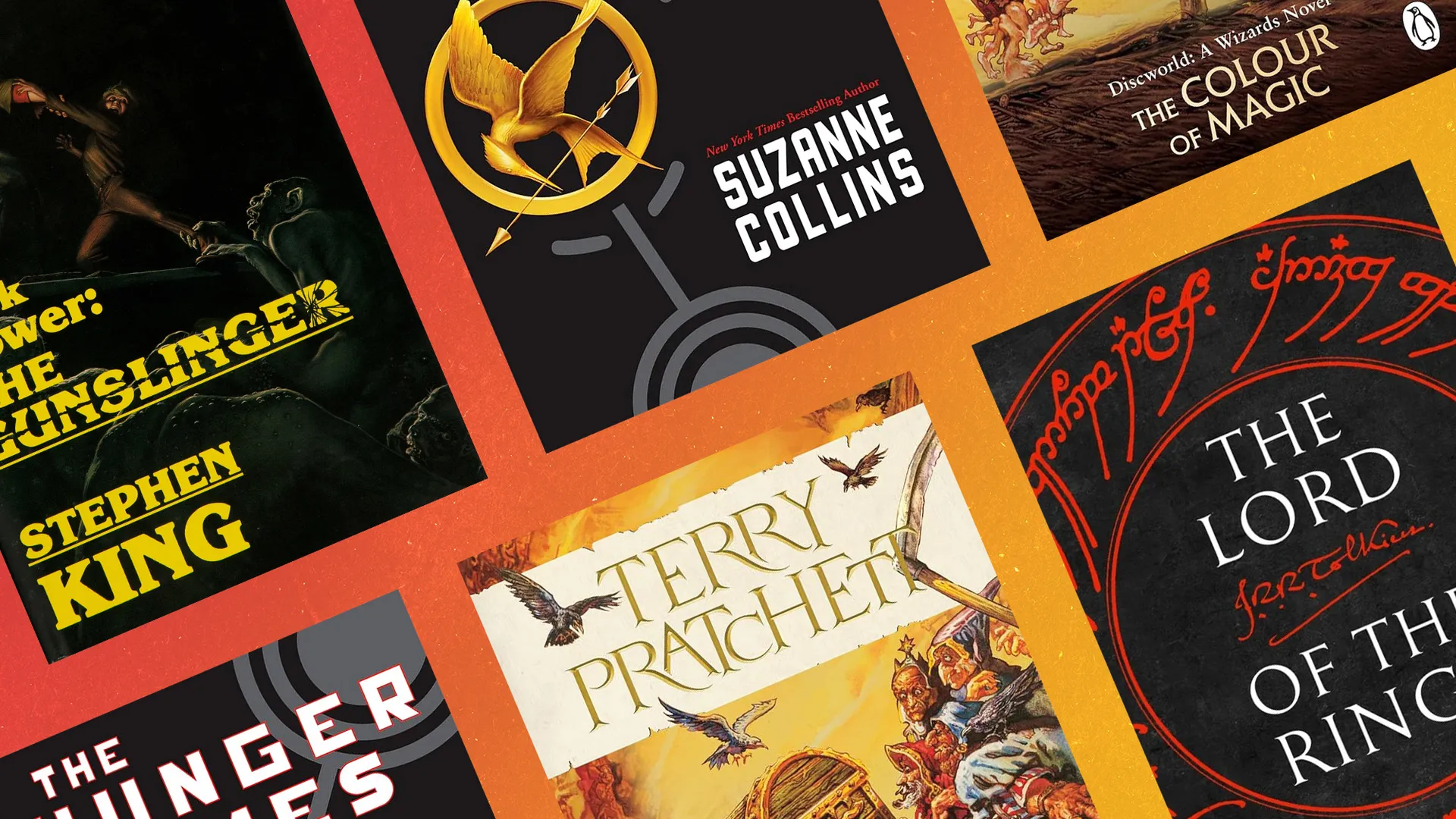
    ‘The Lord of the Rings’ (1954-1955)
    J.R.R. Tolkien’s seminal trilogy popularized the fantasy genre and “galvanized a counterculture movement,” said Esquire. And it’s just the “tip of the iceberg.” Tolkien’s “Middle-earth legendarium” spans “thousands of years and dozens of other works,” so if you dive in, it may be a “long time before you make it there and back again.” ($105, William Morrow)

    ‘The Dark Tower’ (1982-2012)
    Stephen King’s “The Dark Tower” books are “arguably his magnum opus,” said Forbes. The eight tomes defy categorization, combining elements of “fantasy, science fiction and horror” into a “seamless blend.” The series was adapted into a movie featuring Idris Elba as Roland Deschain, the last gunslinger. ($163, Scribner)

    ‘Discworld’ (1983-2015)
    The “boundless whimsical imagination” of Terry Pratchett takes flight in a “flat disc-shaped world” perched on the “backs of four colossal elephants standing atop a giant turtle,” said Forbes. The English author wrote 41 books for the series before he died in 2015, “each brimming” with a “unique sense” of “sharp wit, satirical humor and idiosyncratic social commentary.” ($80, HarperCollins)

    ‘The Hunger Games’ (2008-2025)
    In the early 2000s, Suzanne Collins knew she wanted to explore just-war theory for young readers. The “jarring juxtaposition” between reality TV and news coverage of the Iraq War inspired the first installment in “The Hunger Games” series, said Book Riot. The Mockingjay’s story of “survival and defiance remains Amazon’s bestselling book of all time.” ($90, Scholastic)


    Poll watch

    More than half of Americans (56%) say laws governing the sale of firearms should be stricter, including 89% of Democrats, 54% of independents and 16% of Republicans, according to a Gallup survey of 1,200 adults. The high point of gun restriction favorability came in 1990 at 78%.


    INSTANT OPINION

    Today’s best commentary

    ‘We cannot keep careening from crisis to crisis’ 
    Zachary D. Carter at The New York Times
    When “financial history” repeats, “fatalism can be hard to resist,” says Zachary D. Carter. It’s disheartening to see people “pitch and fall for farcical nonsense.” Since the 1980s, the national economy has faced the “risks of runaway finance.” It’s “folly to hope” Trump will do anything to “avert an AI-driven financial crisis.” Like the “pandemic-era crypto boom,” AI has let its stories about the future “run so far ahead of economic reality.”

    ‘Why graduate schools are racing to cut prices’
    Preston Cooper at The Washington Post
    Congress “capped federal lending” for graduate school with the One Big Beautiful Bill Act, and many institutions “saw the writing on the wall,” says Preston Cooper. However, the loan limits are “not the only change affecting higher education.” A declining number of college-age students, “greater skepticism” of higher education’s value, and “increased aversion” to debt may be “putting pressure on universities” to slash prices. Tuition inflation has been “obscene,” but higher-ed may “finally be turning a corner.”

    ‘Like Reagan, Trump will define the GOP for decades’ 
    Steven F. Hayward at USA Today
    Reagan shifted public opinion “to the right” in a way that “constrained his successors,” says Steven F. Hayward. Just as liberals “pined for another FDR,” from 1988 to 2016 Republicans “pined for another Reagan,” but “most pretenders to his aura failed miserably.” Trump “never tried to be another Reagan” and ended his “reign of the Republican mind.” If the next Democratic president “ends up governing in Trump’s shadow,” he will land in the “inner reaches of the presidential pantheon.”


    WORD OF THE DAY

    amatoxin

    A deadly poison produced by some mushrooms. Fungi are usually either psychedelic, producing psilocybin, or poisonous, producing amatoxins, but researchers have discovered a “dark magic” mushroom that’s both. Galerina indica is “really hard to find,” Andrew Kunik, who discovered the fungus, said in a University of Florida release. It conceals “extraordinary chemistry that we are only beginning to understand.”


    Evening Review was written and edited by Theara Coleman, Nadia Croes, Scott Hocker, Anya Jaremko-Greenwold, Justin Klawans, Joel Mathis, Summer Meza and Devika Rao, with illustrations by Stephen Kelly and Julia Wytrazek.

    Image credits, from top: Illustration by Julia Wytrazek / Getty Images; Illustration by Stephen P. Kelly / Getty Images; dusanpetkovic / Getty Images; Corgi / Grant / HarperCollins / Scholastic Press
     

    Recent editions

    • Morning Report

      Estonia to shut Russian border after ‘sabotage plot’

    • Sunday Shortlist

      A ‘gobsmacking’ documentary about Elizabeth Holmes

    • Saturday Wrap

      The ANC’s ‘inexorable’ slide to irrelevance

    VIEW ALL
    TheWeek
    • About Us
    • Contact Future's experts
    • Terms and Conditions
    • Privacy Policy
    • Cookie Policy
    • Advertise With Us
    • FAQ
    Add as a preferred source on Google Add as a preferred source on Google

    The Week UK is part of Future plc, an international media group and leading digital publisher. Visit our corporate site.

    © Future Publishing Limited Quay House, The Ambury, Bath BA1 1UA. All rights reserved. England and Wales company registration number 2008885.