The Week UK
flag of US
US
flag of UK
UK
https://cdn.mos.cms.futurecdn.net/flexiimages/jzblygzdxr1769609154.gif

SUBSCRIBE

Start your trial today

Sign in
  • View Profile
  • Sign out
  • The Explainer
  • Talking Points
  • The Week Recommends
  • Podcasts
  • Newsletters
  • From the Magazine
  • The Week Junior
  • More
    • Politics
    • World News
    • Business
    • Health
    • Science
    • Food & Drink
    • Travel
    • Culture
    • History
    • Personal Finance
    • Puzzles
    • Photos
    • The Blend
    • All Categories
  • Newsletter sign up Newsletter
  • The Week Evening Review
    Growing digital outages, ending the filibuster, and NYC’s building safety

     
    in the spotlight

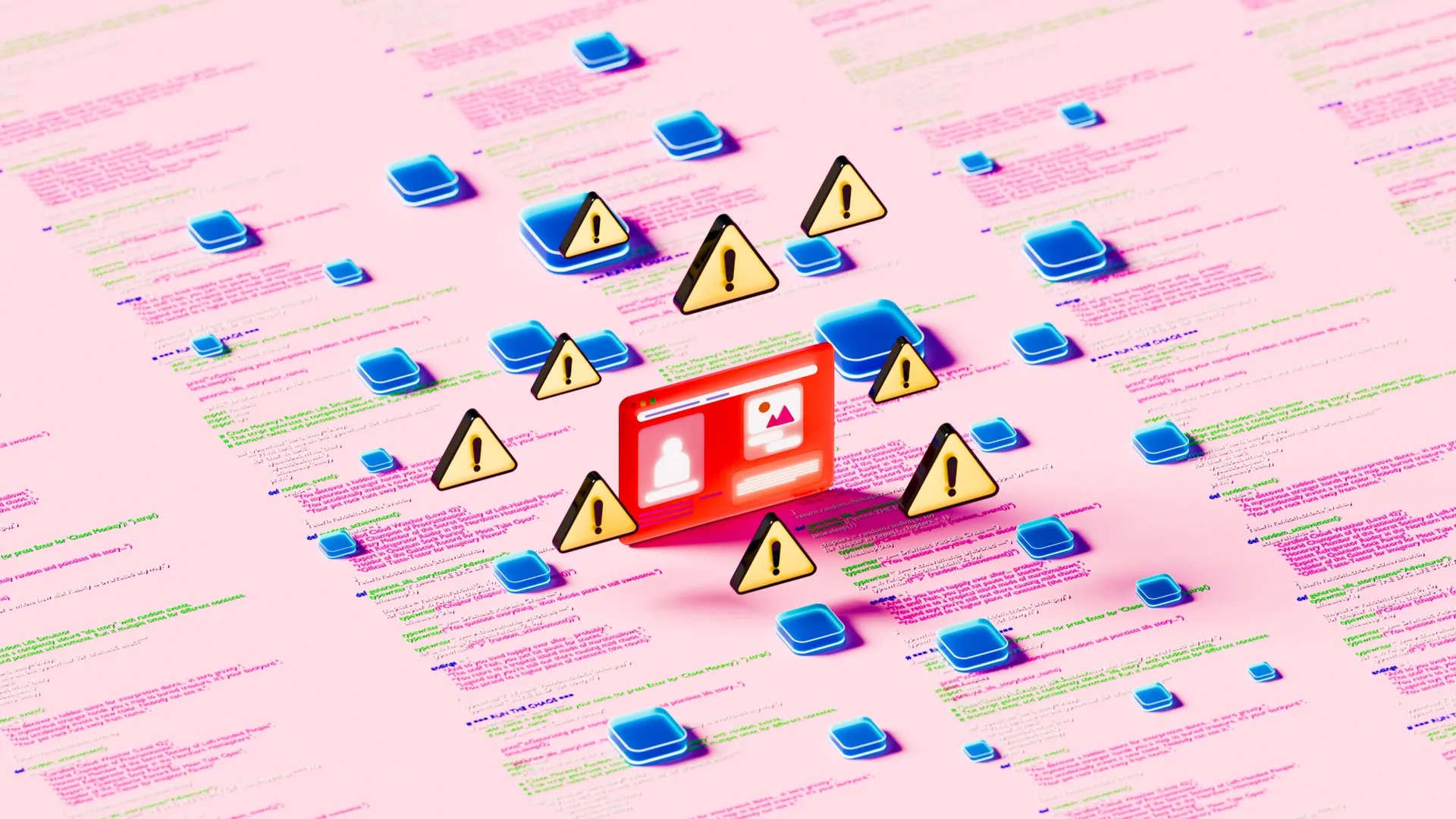
    Are AI-driven outages the new normal?

    Every day brings news of fresh disruptions to critical online services. Microsoft, big banks, the FAA, Apple and the National Security Administration have been affected in the last week, and the list keeps growing. “It’s life,” President Donald Trump said to reporters yesterday, as tech’s AI era causes serious growing pains.

    ‘Lumpy coincidence’
    The outages have “triggered a wave of unproven theories” about hacking attacks, as well as “hand-wringing” about U.S. dependency on “fragile technology,” said The Wall Street Journal. Artificial intelligence has been the chief suspect in the disruptions but perhaps in unexpected fashion. Experts say most of the “startling tech failures” were caused by “attempts to fix vulnerabilities identified” by AI, said The Washington Sun.

    “Welcome to the long outage,” said John Herrman at New York magazine. People around the world depend on software developed and implemented by “people or firms that stumbled, wandered or cheated their way” to critical importance. The cluster of outages is probably a “lumpy coincidence,” but they are likely to become routine. This disastrous week has revealed how much our lives are built on systems that “most people don’t understand or even know exist.”

    Some U.S. consumers have responded with a “panic-buying spree” of “nonperishable foods, water and battery supplies,” said Bloomberg. And the incidents have raised concerns that AI tools are making it easier for “malicious actors to knock out essential services.” Society is “too reliant on infrastructure that’s shaky,” said Joe Slowik, the director of threat research at Dataminr, to the outlet.

    ‘Preparation, not panic’
    This week’s outages “weren't an attack,” said Chuck DeVore at Fox News, but the “next failure could be.” Malicious hackers could cause banking, electricity and cellphone networks to go down “at once, like a sudden thunderclap.” That doesn’t mean it’s time to start doomsday prepping. “Preparation, not panic, is the rational response.”

    Congress will be paying close attention, said The Hill. Some members are skeptical of the benign explanations. “If this is all a coincidence,” said Sen. Josh Hawley (R-Mo.) to reporters, “it’s like the greatest coincidence in the history of the world.”


    QUOTE OF THE DAY

    ‘What was he trying to do? Swim to Guam?’

    Sen. Kirsten Gillibrand (D-N.Y.), during a Senate confirmation hearing for Navy secretary nominee Hung Cao after he denied that a sailor who jumped from the USS Abraham Lincoln during its long deployment was trying to commit suicide


    Today’s big question

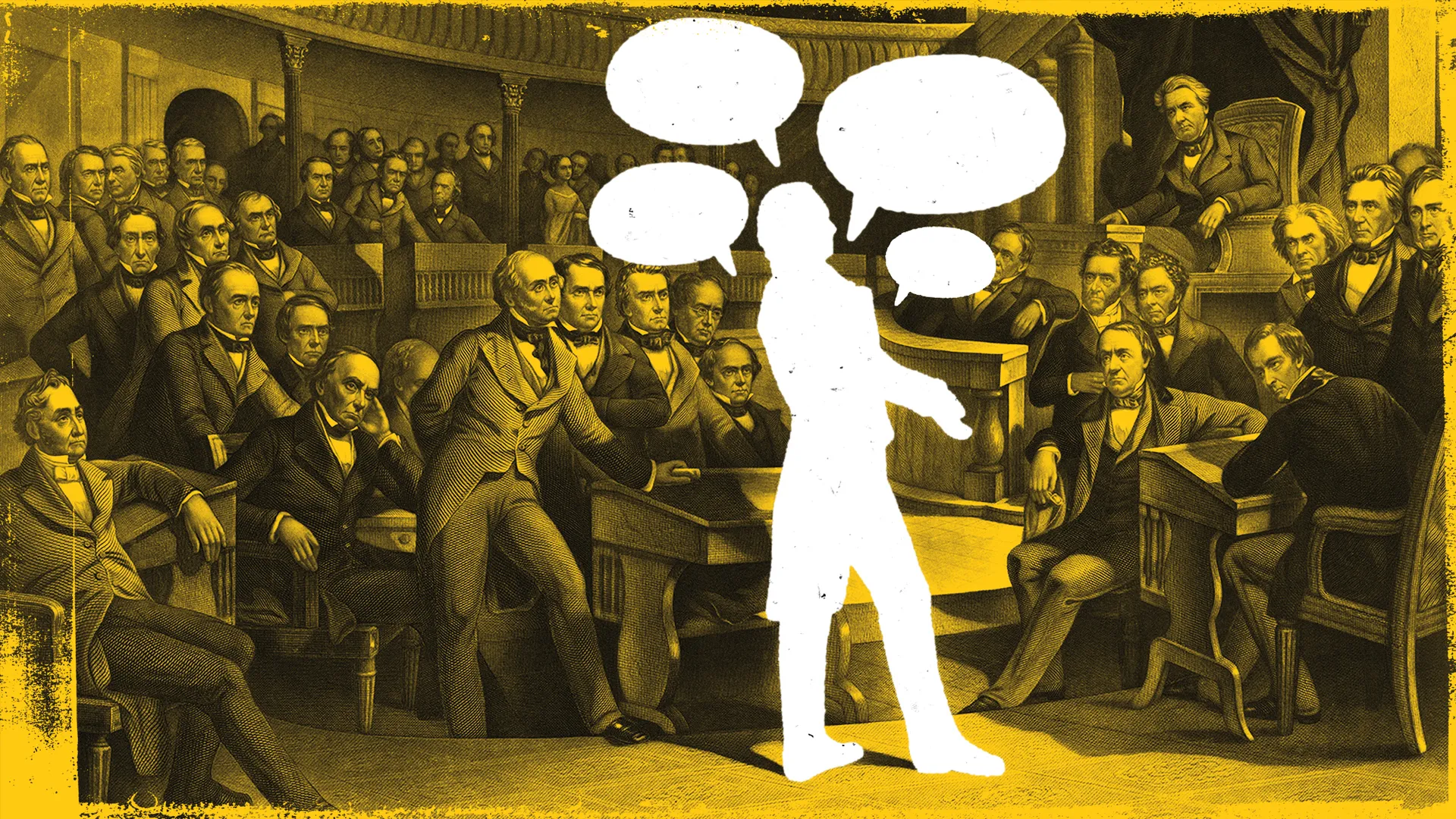
    Are Democrats ready to kill the filibuster?

    A filibuster used to be a rare thing in the U.S. Senate. Not anymore. The tool, which imposes a de facto 60-vote supermajority requirement for most legislation, is now routine, making it more difficult for Congress to pass new laws. But that could change when Democrats take control of Capitol Hill in January.

    What did the commentators say?
    Democratic lawmakers are “open to going ‘nuclear’” to kill the filibuster, said Roll Call. Republicans and Democrats have limited its use in recent years, requiring simple Senate majorities to approve Supreme Court and cabinet nominees. 

    Incoming Sen. James Talarico (D-Texas) is among those who want to end it outright. The filibuster is “not in the Constitution and is a Jim Crow relic,” he said to NBC News. Its abuse has caused “gridlock in our nation’s capital.”

    The 56 Senate Democrats must “end, or at least amend, the filibuster” to get stuff done, said Jamelle Bouie at The New York Times. But there are “risks” to doing so. Democrats would surely find themselves helpless to oppose GOP legislation the next time Republicans take power. Congress, however, should not have to “grind to a halt over an arbitrary procedural rule.”

    Ending the rule would be “shortsighted, even for Democrats,” said Dace Potas at USA Today. Doing so would demonstrate the party wants to “enact sweeping change” without any efforts at “compromise or working across the aisle.” Shrugging off the opposition is “no way to govern.”

    Other options are possible. Democrats should “bring back the full Senate filibuster,” said The New York Daily News editorial board. The Senate once required 67 votes to invoke cloture and end a filibuster but lowered the threshold to 60 after the Watergate scandal. Restoring the higher standard would spur bipartisanship in Congress. The country is “better off when the Senate has to find consensus.”

    What next?
    Some Democrats are cautious. Killing the filibuster can be “very much a double-edged sword,” said Sen. Andy Kim (D-N.J.) to Fox News. That might not stop abolition efforts, but “I want to make sure that everyone’s clear-eyed about what we are doing.”


    Statistic of the day

    212 gigabytes: The file size of Grand Theft Auto VI, released at midnight local time. Internet connections will be stressed as millions of players download the game, despite preloading and a staggered global rollout. New Zealand has braced for a virtual “population explosion” of gamers across time zones as they switch VPNs to access the title earlier.


    THE EXPLAINER

    NYC building collapse could bring reckoning

    In the aftermath of a building disaster in Brooklyn that killed eight people and injured numerous others, many hope the city will change its safety practices. And one question keeps coming up: Are hastened development and gentrification to blame? 

    ‘Wake-up call’
    Some speculate that the speed of development in Brooklyn’s Flatbush neighborhood contributed to the collapse. The incident is “triggering deep frustrations about how quickly construction projects have popped up,” sometimes “displacing longtime residents,” said Karen Yi at Gothamist.

    Former New York City Mayor Eric Adams and current Mayor Zohran Mamdani have “pushed for fast-track development to alleviate high rents with more housing supply,” said Gothamist. This “should be a wake-up call for the city to take heed for developers to halt” and consider the “lives that are being impacted,” said Addrana Montgomery, of the nonprofit TakeRoot Justice, to the outlet.

    Developers doing construction next to the destroyed building reportedly had a history of “cutting corners and ignoring city orders,” said Gothamist. At least one city record from April shows demolition crews at the site continued working even after a stop-work order was issued over safety concerns, according to a Department of Buildings notice. The “developer’s desire to construct a taller building in Brooklyn than had initially been approved” may have “factored in the fatal collapse,” said Stefanos Chen, Mihir Zaveri and others at The New York Times.

    ‘An old building’
    The age of the almost 100-year-old structure may have also been a factor. This was an “old building, and the integrity of that building could have played a secondary role,” said Mehrdad Sasani, a civil engineering professor at Northeastern University, to Scientific American. The original construction was possibly “not well integrated and sensitive to any amount of movement caused by lack of proper shoring.”

    Others say there’s no excuse for hazards in the heavily immigrant community. Immigrants are often “forced into unsafe, overcrowded conditions due to soaring housing costs,” and the collapse exposes the “cracks within our social safety net,” said Murad Awawdeh, the president and CEO of the New York Immigration Coalition, to CNN. The eight people who died “deserve justice.”


    Good day 🚀

    … for cosmic travel. NASA’s Voyager 1 spacecraft has been traveling for 49 years, going farther than any other human-made object, and has now reached a distance of one light-day, about 16 billion miles, from Earth, according to the space agency. It takes 24 hours for a radio signal moving at light speed to reach the probe.


    Bad day 💉

    … for public health. Measles is once again endemic to the U.S., Bolivia and Mexico due to “persistent gaps in vaccination,” said the Pan American Health Organization. The disease was designated as eliminated in the U.S. in 2000. Armenia, Austria, Azerbaijan, Spain, the U.K. and Uzbekistan lost their measles-free status in January.


    Picture of the day

    Training day

    A capoeira student practices with Brazilian Capoeira Angola master Cabello Caobijubá during a workshop in the Kibera informal settlement in Nairobi, Kenya. Capoeira was developed by enslaved Africans who brought their fighting, dance and music traditions to Brazil, where it became a symbol of resistance and cultural liberation.
    Luis Tato / AFP / Getty Images


    Puzzles

    Daily sudoku

    Challenge yourself with The Week’s daily sudoku, part of our puzzles section, which also includes guess the number

    Play here


    The Week recommends

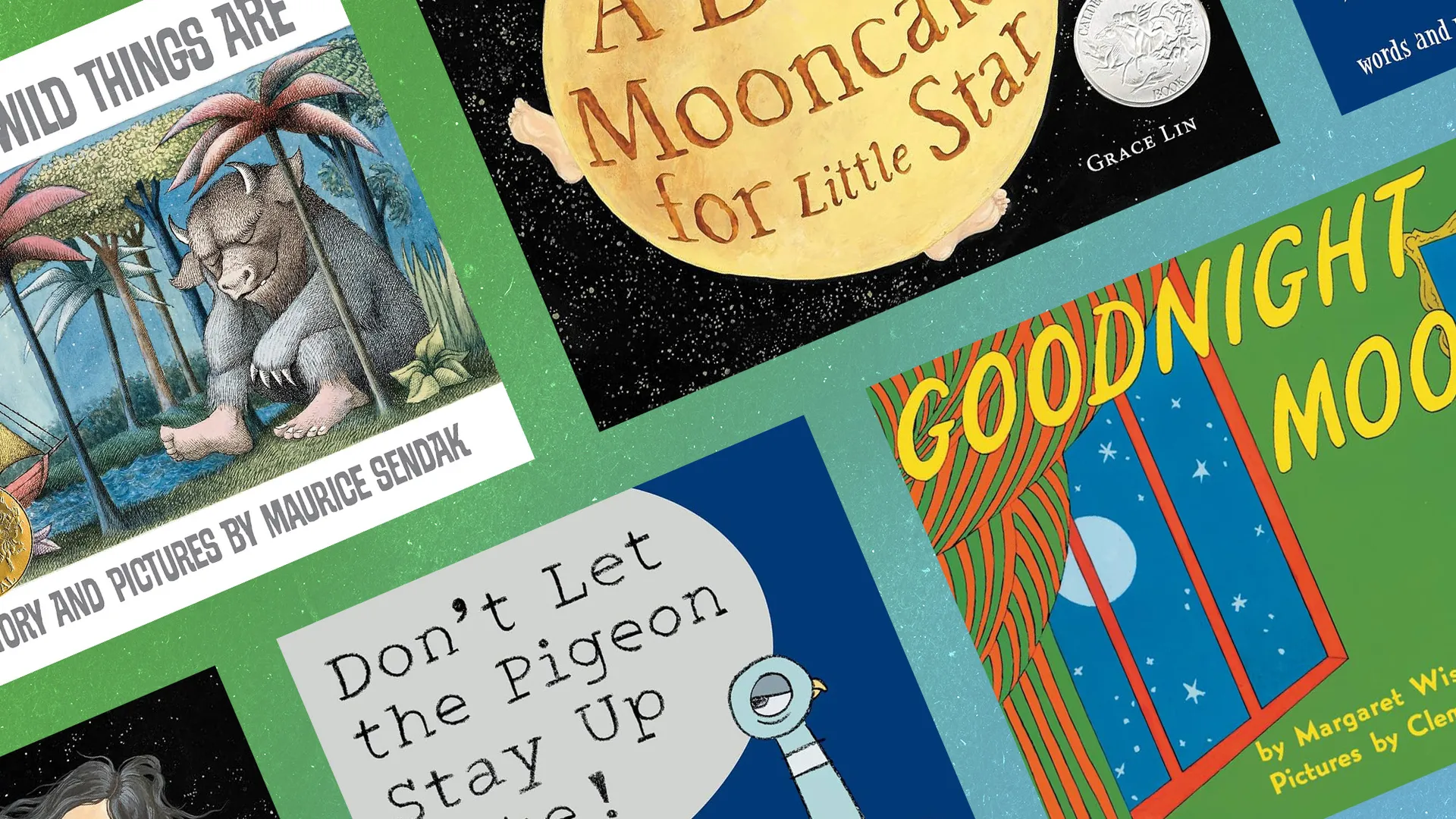
    The books every baby should have for bedtime

    Bedtime stories likely predate the written word, but over time, we have gotten really good at passing them down through books. From the fussiest sleeper to the already-nodding baby, these are the best bedtime books.

    ‘Goodnight Moon’ (1947)
    There are probably very few children’s bookshelves that don’t hold the timeless classic “Goodnight Moon” by Margaret Wise Brown. Its pacing and plot give toddlers time to say goodnight to everything around them as they fall asleep. Because it’s “short and simple,” it “makes for an ideal part” of a “consistent bedtime routine,” said Forbes. ($9, HarperCollins)

    ‘Where the Wild Things Are’ (1963)
    For nostalgic parents with adventurous children who need a little more bedtime entertainment, the iconic “Where the Wild Things Are” awaits. Far from appealing only to children, this book by Maurice Sendak has, after “initially sending shockwaves” through the “literary establishment,” “beguiled almost everyone who has encountered it, young and old, from world leaders to film directors,” said the BBC. ($12, HarperCollins)

    ‘Don’t Let the Pigeon Stay Up Late!’ (2006)
    Award-winning author Mo Willems reveals “proven bedtime-delaying strategies to children and child-wranglers alike,” said Publishers Weekly. The book’s backgrounds progressively dim from “soft pink to lavender” to a “relaxing gray-blue and warm violet,” enhancing the “growing sense of drowsiness.” It’s perfect for reluctant sleepers with a sense of humor. ($19, Hyperion Books for Children)

    ‘A Big Mooncake for Little Star’ (2018)
    The narrative in “A Big Mooncake for Little Star” is not based on Chinese cosmology, but it’s nonetheless Grace Lin’s homage to the Mid-Autumn Moon Festival, which she called her “favorite Asian holiday” on the book’s jacket flap. The result is a “warm and glowing modern myth,” said Kirkus Reviews. ($11, Little, Brown Books for Young Readers)


    Poll watch

    Nearly twice as many Americans (52%) expect a Democrat to win the presidency as those who expect a Republican (28%) in 2028, according to a PF Global poll of 2,000 adults for Politico. Among Trump’s 2024 voters, 60% believe the GOP will hold on to the White House after he leaves.


    INSTANT OPINION

    Today’s best commentary

    ‘Europe games out a post-Trump world’ 
    Laurel Rapp and Olivia O’Sullivan at The Wall Street Journal
    A coming shift in American politics offers Europeans opportunities to “build a more constructive alliance” with the U.S., but it shouldn’t be “cause for complacency,” say Laurel Rapp and Olivia O’Sullivan. U.S. politics won’t “snap back” to a “post-Cold War” normal after Trump’s term ends. The old “transatlantic certainties” have given way to an approach that will be “more transactional, more contingent and more dependent” on Europe “taking care of its own defense and security.”

    ‘Grand Theft Autopen: Joe Biden’s memoir is all excuses’ 
    Ryan Zickgraf at UnHerd
    Former President Joe Biden’s “Promise Me” is “bone dry,” says Ryan Zickgraf. Most would be happy to leave Biden in “his happy place” as an old man “nursing grudges” while the country “moves on” — except Trump, who “blames his predecessor for so much” that it looks like “Biden Derangement Syndrome.” Neither would admit it, but they are “a lot alike.” The resemblance goes “past personality and into policy.” For about two years, 2021 and 2022, “something resembling Blue MAGA actually existed.”

    ‘Tesla’s invite-only cybercab isn’t for you’ 
    Liam Denning at Bloomberg
    Tesla “never wants for audacity,” says Liam Denning. How else to describe selling the cybercab for “tens of thousands of dollars plus subscription” for an “extremely limited version of autonomy.” Instead of only selling cybercabs to fans who “happen to live in certain neighborhoods of Texas,” a “surer signal of progress” would be “some other automaker” paying to license “Full Self Driving for its own models.” For any “autonomy developer,” that’s the “true ideal.”


    WORD OF THE DAY

    asundexian

    A newly FDA-approved drug that reduces secondary stroke risk. The daily pill is the first in the U.S. to target the blood clotting factor XIa to prevent a repeat ischemic stroke or attack in adults. And this “substantial step forward for antithrombotic therapy” can potentially be used for a “variety of other conditions,” said HCPLive.


    Evening Review was written and edited by Theara Coleman, Nadia Croes, Scott Hocker, Anya Jaremko-Greenwold, Justin Klawans, Joel Mathis, Summer Meza and Devika Rao, with illustrations by Stephen Kelly.

    Image credits, from top: J Studios / Getty Images; Illustration by Stephen P. Kelly / Getty Images; Michael M. Santiago / Getty Images; Hachette / HarperCollins / Weston Woods Studios
     

    Recent editions

    • Morning Report

      EU youth mobility deal may not take effect until 2030

    • Evening Review

      Age of consent under scrutiny

    • Morning Report

      Forensic expert says Epstein was murdered

    VIEW ALL
    TheWeek
    • About Us
    • Contact Future's experts
    • Terms and Conditions
    • Privacy Policy
    • Cookie Policy
    • Advertise With Us
    • FAQ
    Add as a preferred source on Google Add as a preferred source on Google

    The Week UK is part of Future plc, an international media group and leading digital publisher. Visit our corporate site.

    © Future Publishing Limited Quay House, The Ambury, Bath BA1 1UA. All rights reserved. England and Wales company registration number 2008885.