The Week The Week
flag of US
US
flag of UK
UK
https://cdn.mos.cms.futurecdn.net/flexiimages/jzblygzdxr1769609154.gif

SUBSCRIBE

Try 6 weeks free

Sign in
  • View Profile
  • Sign out
  • The Explainer
  • Talking Points
  • The Week Recommends
  • Podcasts
  • Newsletters
  • From the Magazine
  • The Week Junior
  • More
    • Politics
    • World News
    • Business
    • Health
    • Science
    • Food & Drink
    • Travel
    • Culture
    • History
    • Personal Finance
    • Puzzles
    • Photos
    • The Blend
    • All Categories
  • Newsletter sign up Newsletter
  • Brand Logo
    Argentina meddling, Shapiro arsonist verdict and Young Republicans uproar

     
    TODAY’S INTERNATIONAL story

    Trump ties $20B Argentina bailout to Milei votes

    What happened
    President Donald Trump yesterday explicitly tied his $20 billion bailout for Argentina to upcoming elections in the South American country. If President Javier Milei’s party loses ground in the Oct. 26 midterms, “we are not going to be generous with Argentina,” Trump told reporters at the White House with his ally Milei seated nearby. “If he doesn’t win, we’re gone.”

    Who said what
    Trump made the “highly unusual decision to intervene in Argentina’s currency market after Milei’s party suffered a landslide loss in a local election last month,” The Associated Press said. That “crushing defeat” spooked investors and prompted Milei’s government to sell off “precious dollar reserves at a feverish pace” to shore up the peso, aiming to “stave off what many economists see as an inescapable currency devaluation” until after the midterms. 

    The Trump administration announced last week that it would buy $20 billion worth of pesos. The “U.S. lifeline has for now stopped a run on the peso that risked snowballing into a deeper financial crisis,” The Wall Street Journal said. But Argentina’s stock market dropped more than 4% yesterday after Trump tied the bailout to a Milei midterms victory. That blunt endorsement turned the lifeline into “life preserver made out of lead,” said former IMF executive director Hector Torres. 

    Trump’s “bailout of Argentina has come with political blowback at home,” too, with Democrats accusing him of “helping out a foreign government and wealthy investors while the U.S. government remains shut down because of a dispute over extending health care subsidies,” The New York Times said. American farmers “have also criticized the move, given that China has been buying soybeans from Argentine farmers instead of American growers.” U.S farms, The Washington Post said, “have yet to receive their own relief from Trump’s trade war.”

    What next?
    The details of the financial package “remained scant,” the Journal said. Notably, said the AP, “there has been no word on how Argentina, the IMF’s largest debtor, will end up paying the U.S. back for this $20 billion, which comes on top of IMF’s own loan for the same amount in April” and “an earlier IMF loan for $40 billion.”


    TODAY’S CRIME story

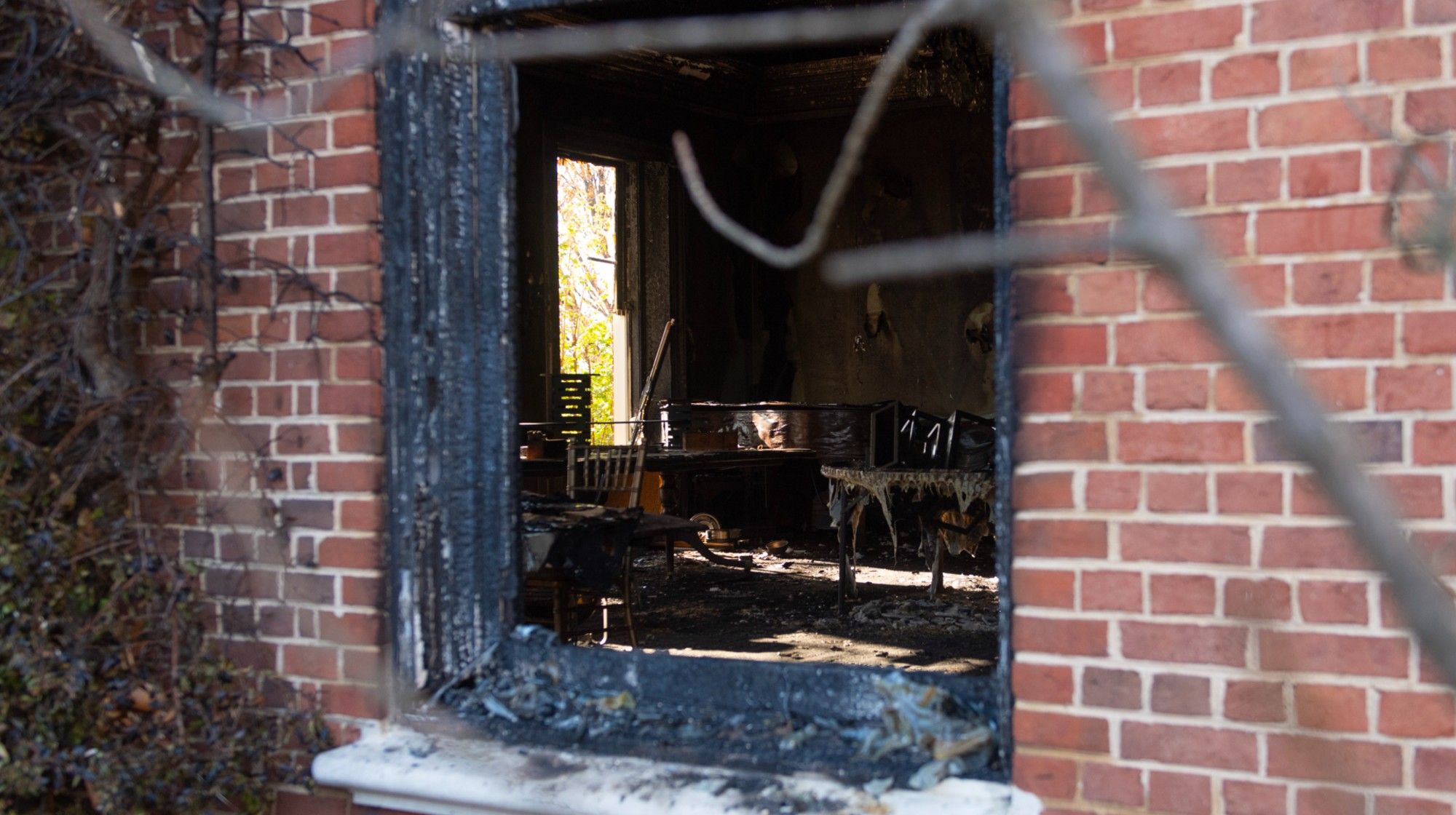
    Arsonist who attacked Shapiro gets 25-50 years

    What happened
    A 38-year-old man yesterday pleaded guilty to charges including terrorism, arson and attempted murder for breaking into the Pennsylvania governor’s mansion in April and trying to burn it down as Gov. Josh Shapiro (D) and his family slept upstairs. Under a plea deal, Cody Balmer was sentenced to 25 to 50 years in prison, “far less than he could have faced if the case went to trial,” The Associated Press said. 

    Who said what
    Balmer broke into the official residence carrying a hammer after the Shapiros hosted a Seder on the first night of Passover. Shapiro, who supported the plea deal, told reporters yesterday that he and his wife “have struggled over the last six months to try and make sense of all of this” and “explain it to our four children” and other family members staying over that night. The attack still “brings with it a real sense of vulnerability our family feels every single day,” he said. 

    Balmer is “taking full responsibility” for his actions and paying a “hefty price for a man who’s 38 years old,” his attorney Bryan Walk said in court yesterday. Dauphin County District Attorney Fran Chardo said Balmer had indicated the attack was intended as an “offset” to the deaths in Gaza.

    What next?
    Prosecutors said Balmer would be eligible for parole when he is 63. Nobody was hurt in the attack but Balmer’s Molotov cocktails “caused millions of dollars in damage” to the governor’s mansion, the AP said, and “work to fix the damage and to bolster its security features continues.”


    TODAY’S POLITICS Story

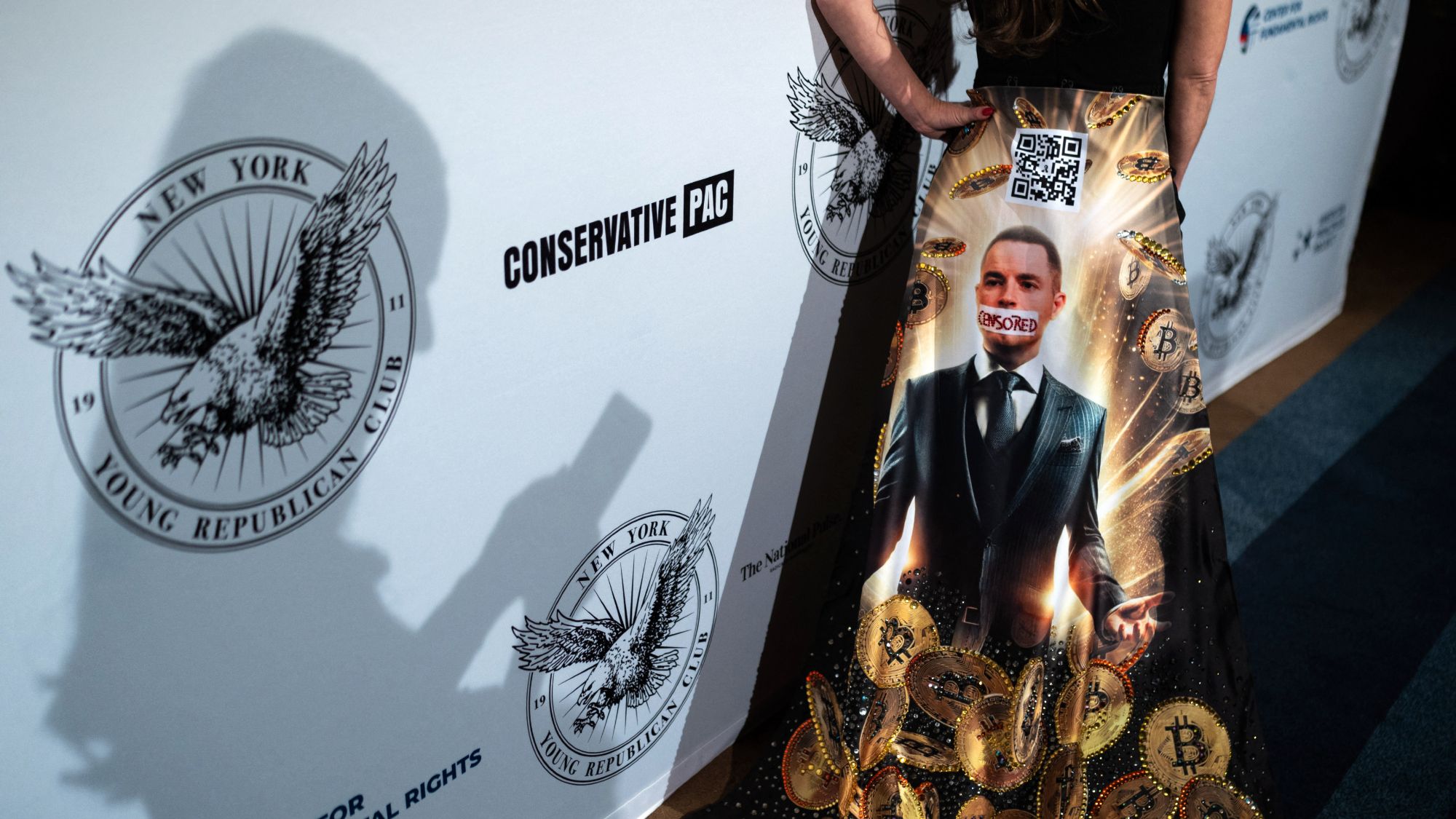
    ‘Vile, racist’ leaked chats roil Young Republicans

    What happened
    Leaders of Young Republican groups across the country peppered a group chat with racist, antisemitic and violent comments, Politico reported yesterday, citing 2,900 pages of leaked Telegram posts from January through mid-August. The comments, including half-joking praise of Adolf Hitler and calling rape “epic,” drew broad bipartisan condemnation and led to at least four of the participants losing their jobs in state government and politics. 

    Who said what
    The exchanges between Young Republican leaders in New York, Kansas, Arizona and Vermont “offers an unfiltered look at how a new generation of GOP activists talk when they think no one is listening,” Politico said. “They referred to Black people as monkeys,” mused about “putting their political opponents in gas chambers” and “lauded Republicans who they believed support slavery.”

    The messages “reveal a culture” within President Donald Trump’s Republican Party where the “loosening of political norms has made such talk feel less taboo among those positioning themselves as the party’s next leaders,” Politico said. The use of racial slurs and white supremacist codewords was similar to online discussions among neo-Nazis, said University of Dayton professor Art Jipson. “You say it once or twice, it’s a joke, but you say it 251 times, it’s no longer a joke.”

    What next?
    The Young Republican National Federation board told all of the chat participants to “immediately resign” from the organization. Vermont Republicans urged state Sen. Samuel Douglass (R) to step down for his contributions to what Gov. Phil Scott (R) called the “vile, racist, bigoted and antisemitic dialogue.” The Kansas GOP said its Young Republicans chapter was now “inactive.” 


    It’s not all bad

    When bulldozers digging Toronto’s new river channel hit patches of unusual green shoots, workers realized that they had uncovered a lost wetland buried since the 1800s. Scientists then unearthed worms, water fleas and plankton that sprang back to life in century-old soil samples. “It’s like finding buried treasure,” said ecologist Shelby Riskin of the University of Toronto. The discoveries, part of the city’s vast waterfront restoration and renaturalization project, “underscored the resilience of ecosystems in the face of human-led destruction,” said The Guardian.


    Under the radar

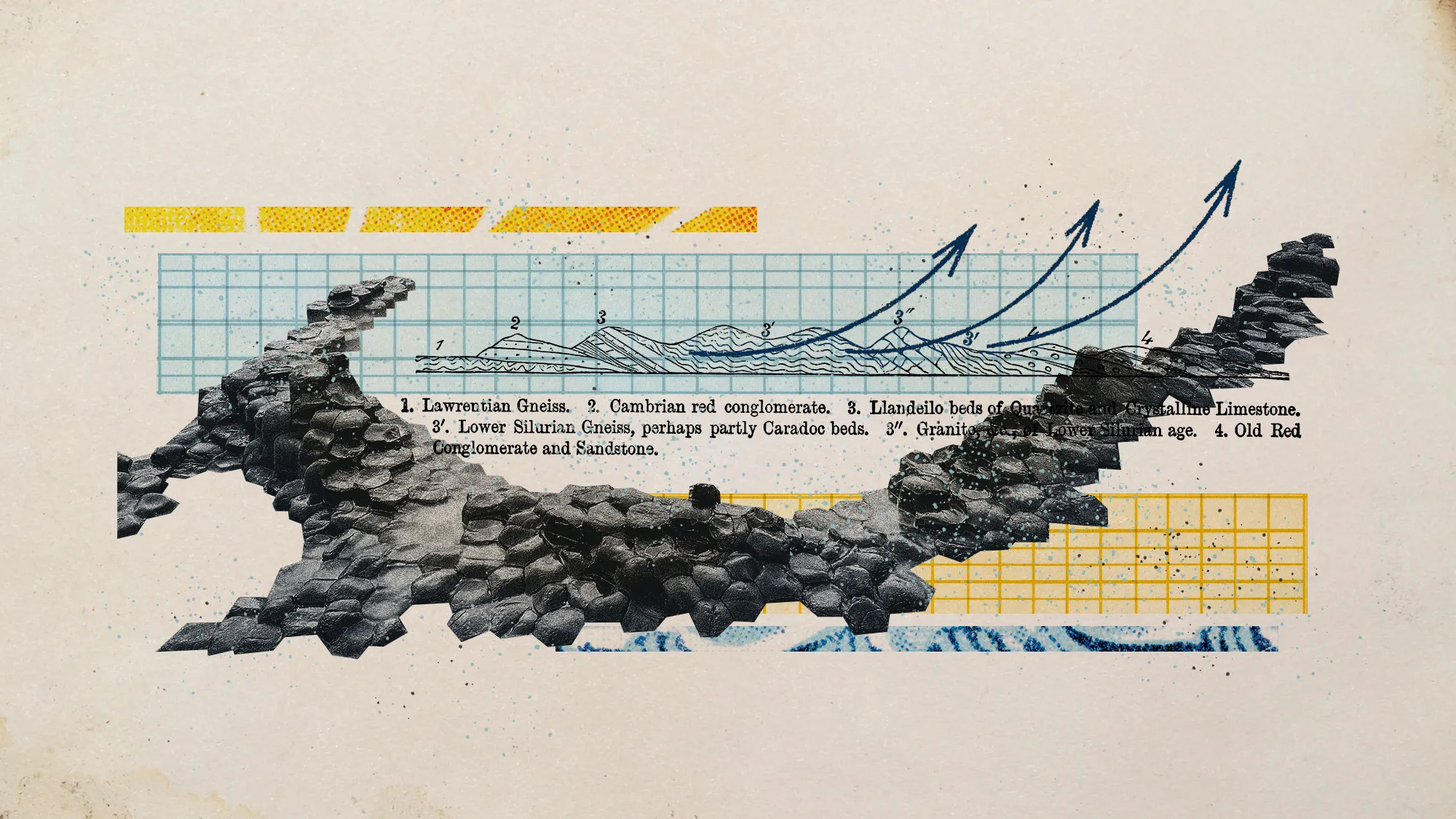
    Scientists want to use rock dust to cool the Earth

    What if crop-dusting could cool down the climate? What about rock-dusting? It turns out that sprinkling rock dust on fields may enhance rock weathering, a process capable of trapping and removing atmospheric carbon. While the method would be low-cost, there is little data on how much carbon can truly be offset through the process.

    Rock weathering is a natural carbon removal process that occurs when “rain falls through the atmosphere” and “combines with CO2 to form carbonic acid,” said Undo, a British company dedicated to carbon removal. The effects of rock weathering can be enhanced when rocks are “crushed into a fine dust over land where soybeans, sugar cane and other crops are grown,” said The Washington Post. Then, as it rains, “chemical reactions pull carbon from the air and convert it into bicarbonate ions that eventually wash into the ocean, where the carbon remains stored.” The method has the potential to sequester billions of tons of carbon and slow climate change. 

    Companies working on rock weathering have “drawn some skepticism from researchers who say they want to see data and peer-reviewed research,” said the Post. “It’s at an exciting juncture,” said David Beerling, the director of the University of Sheffield’s Leverhulme Center for Climate Change Mitigation. “But there’s a need for caution in ensuring that we have rigorous, cost-effective [tracking and verification] so that people don’t make claims for carbon credits that aren’t substantiated.”


    On this day

    October 15, 1973

    Dolly Parton released the single “Jolene,” which went on to become a No. 1 country hit in the U.S. and Canada and one of her most beloved songs. Parton said the lyrics were inspired by a bank teller who flirted with her husband, but she chose the name “Jolene” in honor of a young fan.


    TODAY’S newspaperS

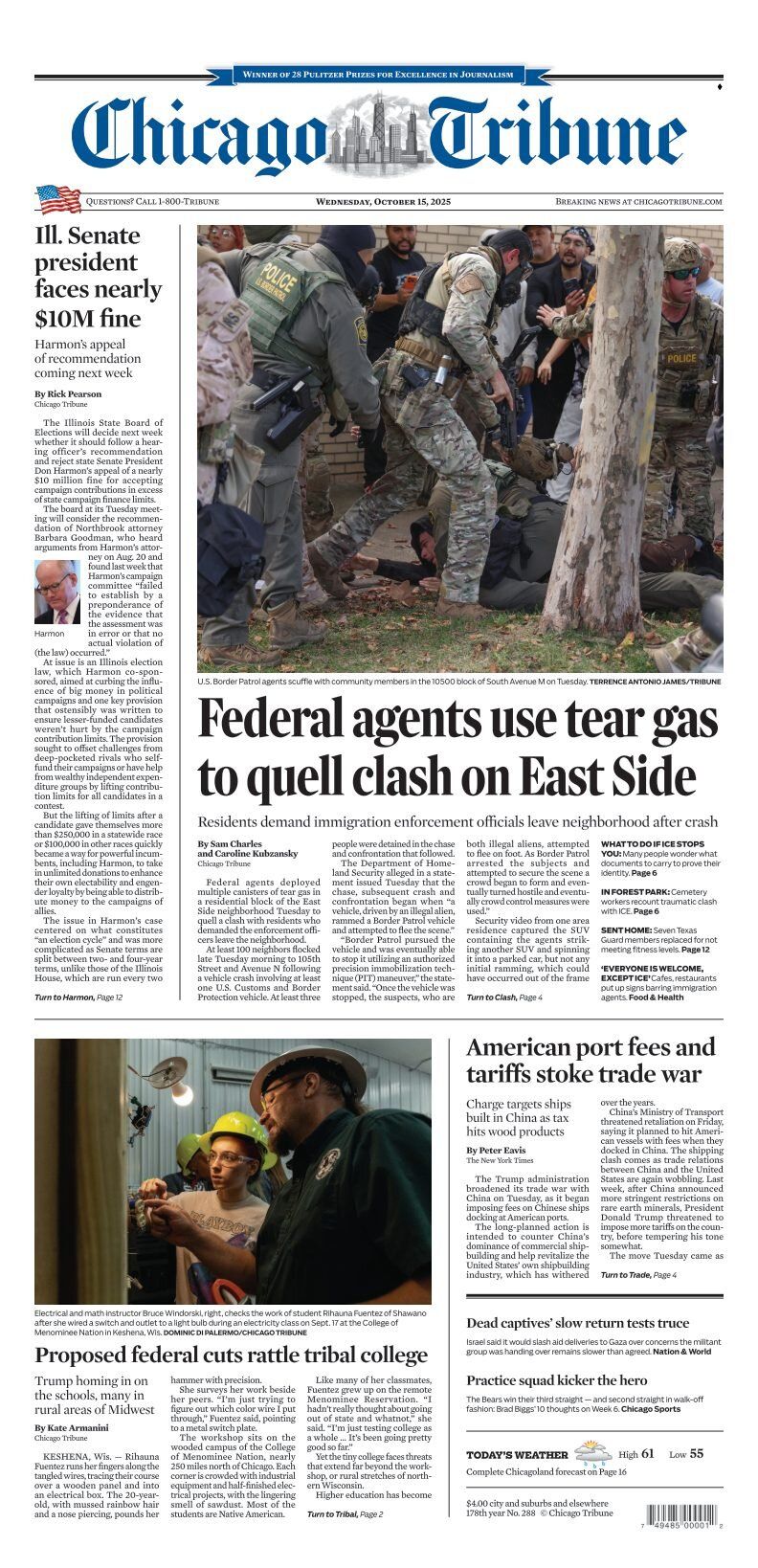
    ‘Feds crash out’

    “Federal agents use tear gas to quell clash on East Side,” the Chicago Tribune says on Wednesday’s front page. “Feds crash out” and “ram SUV to end high-speed pursuit down residential street,” says the Chicago Sun-Times. “Federal firings target services for the most vulnerable,” The Washington Post says. “Special ed system in danger,” says USA Today. “Hamas cracks down on rivals after truce with Israel begins,” says The Wall Street Journal. “Outlook darkens for Gaza ceasefire,” says the Arizona Republic. “Media balks at Pentagon demands,” says the Los Angeles Times. D’Angelo, “silky R&B titan whose seclusion fed mystique,” dies at 51, says The New York Times. 

    ► See the newspaper front pages


    Tall tale

    False AIcusations

    Australian Catholic University employed AI software that wrongly accused students of using AI for their classwork. About 1,500 allegations of “academic misconduct” were dismissed when it was revealed that the only evidence was a red flag raised by AI detection software. But students were informed that the “onus was on them” to prove their innocence, said Australia’s ABC News, and one woman in the nursing program had to wait six months to be cleared of wrongdoing.


    Morning Report was written and edited by Nadia Croes, Catherine Garcia, Scott Hocker, Anya Jaremko-Greenwold, Justin Klawans, Rafi Schwartz, Peter Weber and Kari Wilkin, with illustrations by Stephen Kelly and Julia Wytrazek.

    Image credits, from top: Chen Mengtong / China News Service / VCG via Getty Images; Matthew Hatcher / Getty Images; Adam Gray / AFP via Getty Images; Illustration by Julia Wytrazek / Getty Images
     

    Recent editions

    • Evening Review

      Are we heading for a global recession?

    • Morning Report

      US to send 3,000 more troops to the Middle East

    • Evening Review

      Could Iranian missiles reach London?

    VIEW ALL
    TheWeek
    • About Us
    • Contact Future's experts
    • Terms and Conditions
    • Privacy Policy
    • Cookie Policy
    • Advertise With Us
    • FAQ
    Add as a preferred source on Google Add as a preferred source on Google

    The Week UK is part of Future plc, an international media group and leading digital publisher. Visit our corporate site.

    © Future Publishing Limited Quay House, The Ambury, Bath BA1 1UA. All rights reserved. England and Wales company registration number 2008885.