What happened
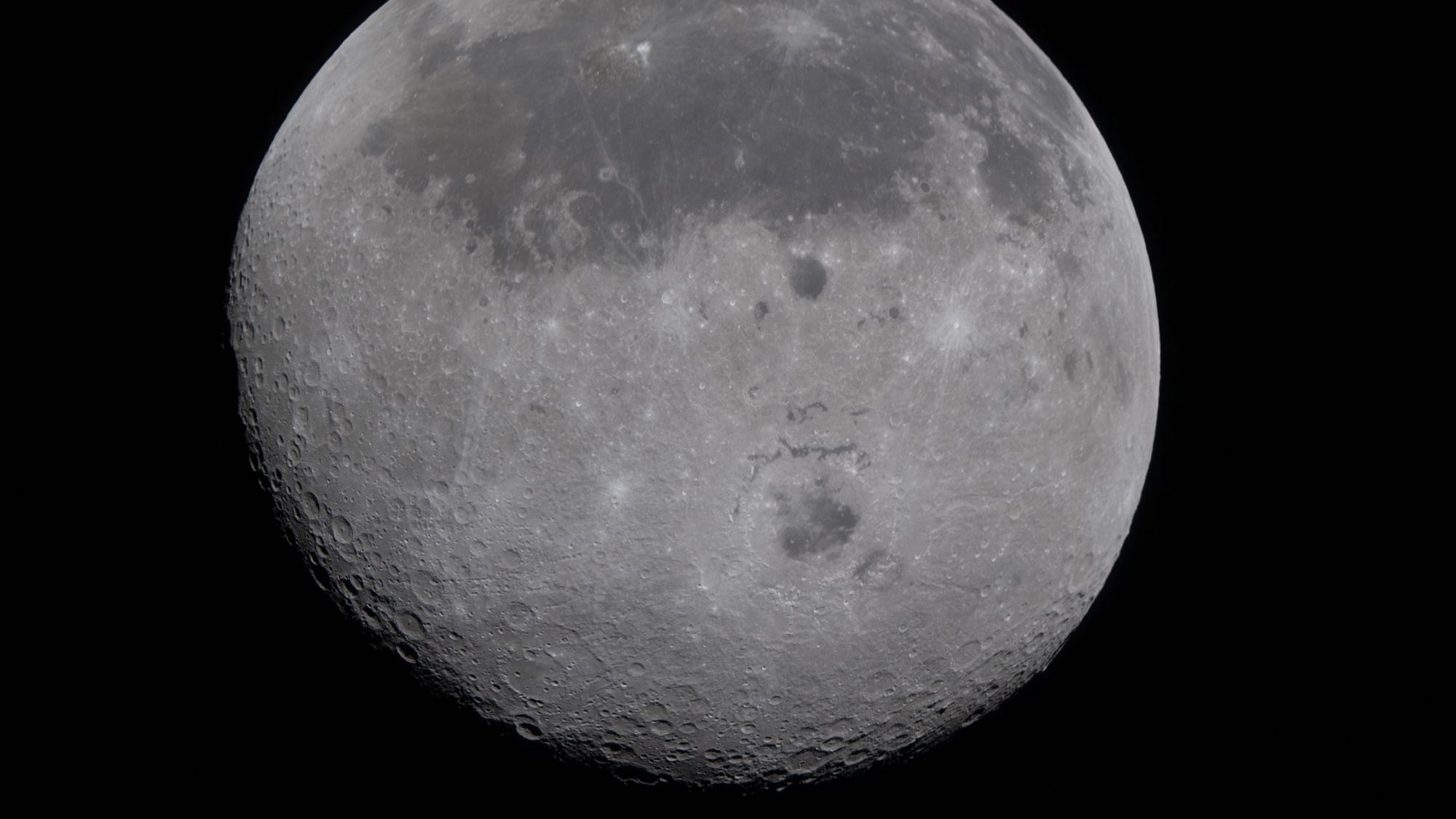
The four astronauts of NASA’s Artemis II yesterday traveled farther into space than any humans before, photographed never-before-viewed stretches of the far side of the moon and watched a solar eclipse and an Earthrise, before beginning their voyage home. The lunar flyby marked humanity’s first trip back to the moon since the Apollo era ended in 1972.
Who said what
The Artemis II crew — NASA’s Reid Wiseman, Christina Koch and Victor Glover and Canadian astronaut Jeremy Hansen — broke Apollo 13’s record of 248,655 miles from Earth yesterday afternoon, then set a new record of 252,756 miles last night. “We, most importantly, choose this moment to challenge this generation and the next to make sure this record is not long-lived,” Hansen said to Mission Control in Houston.
Yesterday’s seven-hour “lunar fly-around” was “by far the highlight” of the Artemis II mission, “yielding rich science” along with awe-inspiring “celestial sightseeing,” The Associated Press said. When the moon eclipsed their view of the sun, “Mercury, Venus, Mars and Saturn nodded at them from the black void,” and “the landing sites of Apollo 12 and 14 also were visible, poignant reminders of NASA’s first age of exploration.”
During the solar eclipse, the astronauts “found it difficult to describe the sight when the moon was illuminated just from Earthshine — light reflected from our planet,” The New York Times said. “It is blowing my mind what you can see with the naked eye from the moon right now,” Hansen said. “We just went sci-fi,” Glover said. “It is the strangest-looking thing that you can see so much on the surface.”
What next?
The Orion spacecraft is scheduled to reenter the Earth’s gravitational pull on Thursday before splashing down in the Pacific off San Diego on Friday. |