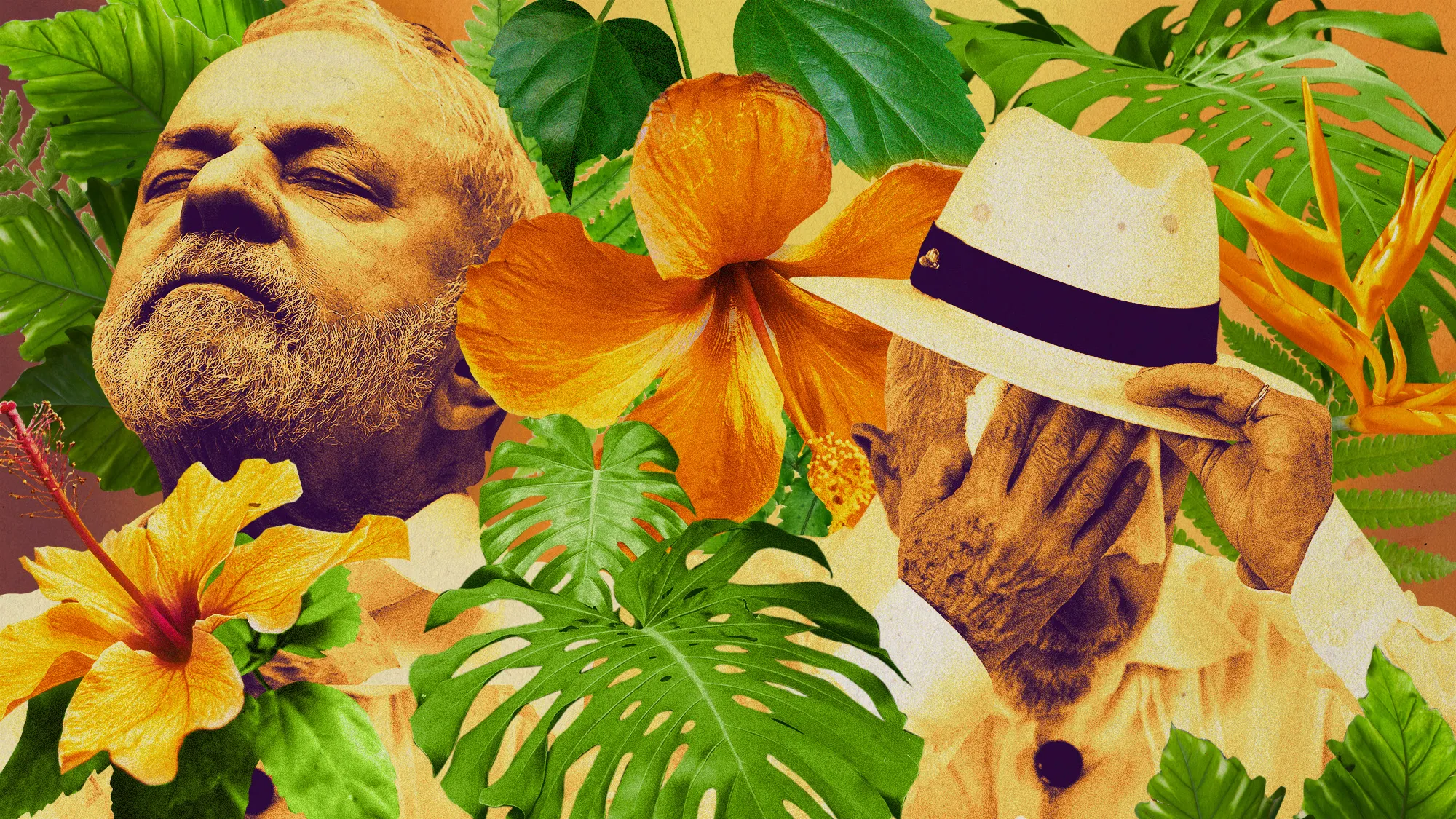
Deforestation in the Brazilian Amazon fell last year to its lowest level since 2019, according to a report from the MapBiomas monitoring network. That’s “good news” for Brazil’s President Luiz Inácio Lula da Silva, who made the fight against deforestation a “central tenet” of his reign, said France24. But the news isn’t unequivocally positive.
South America’s biggest country lost 2.4 million acres of native vegetation last year, down 20.6% from 2024, according to the report. Deforestation fell by 23.5%, and reductions were recorded across Brazil’s six major ecosystems.
Even so, the rate of Amazonian destruction remains “breathtaking,” said France 24. In the world’s largest rainforest, five trees are still chopped down every second.
As the largest tropical rainforest on the planet, the Amazon absorbs more than a billion tons of carbon dioxide from the atmosphere, helping to offset the effects of human greenhouse gas emissions. But agriculture, wildfire, logging and mining are stripping it of its powers, with agriculture accounting for 99% of vegetation loss across the country.
If deforestation and global warming “continue unchecked,” the Amazon could begin transitioning to a “degraded grassland-like ecosystem in just a few decades,” said The New York Times. The consequences of an Amazon “tipping point” are “catastrophic for the entire planet,” said Bernardo M. Flores, an ecology researcher at Spain’s University of Santiago de Compostela. So “we need to be careful not to get anywhere near those risks.” |