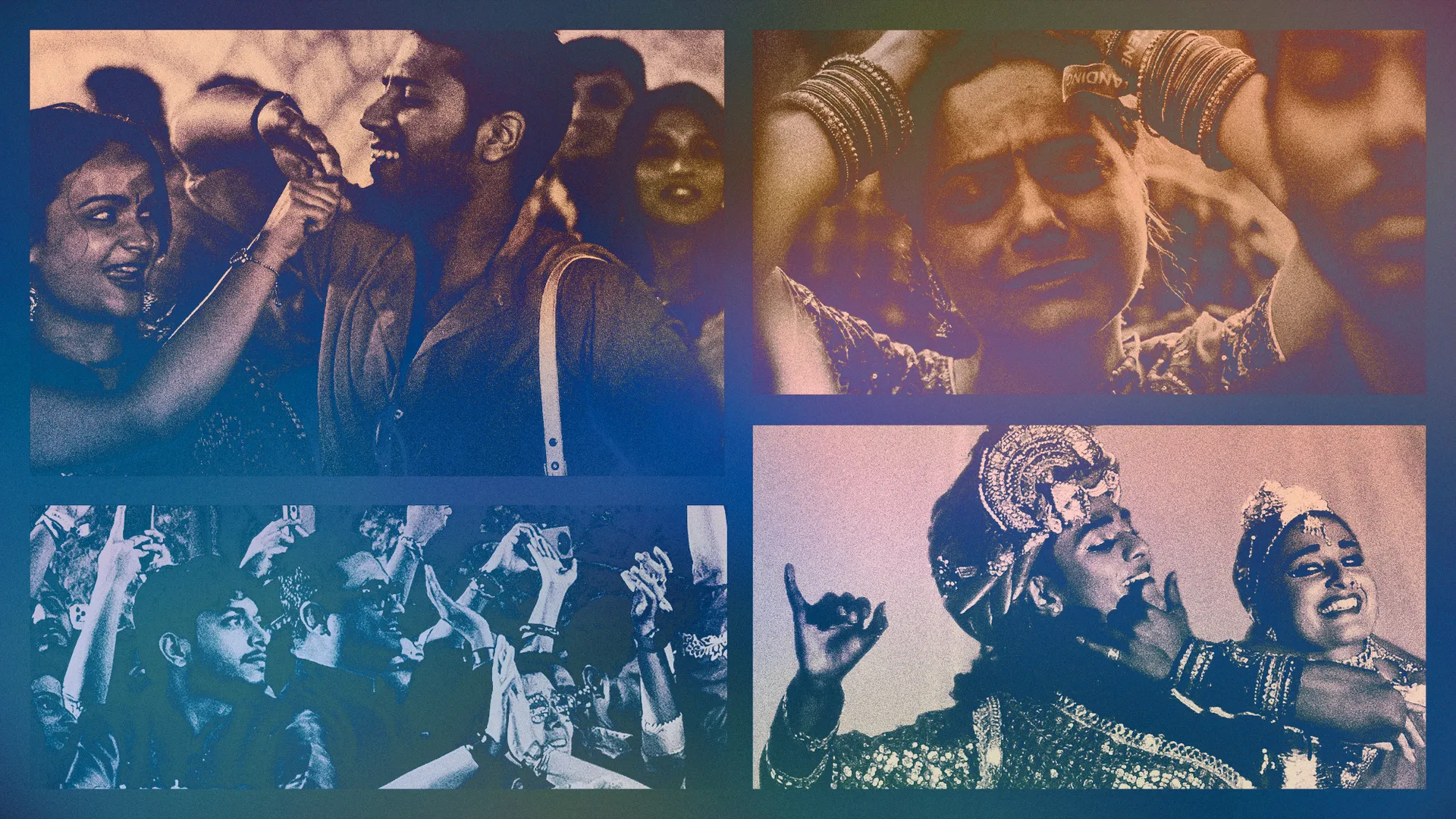
In a growing movement in India, young people have opted to trade alcohol and house music for chai and devotional music. Bhajan clubbing has brought Hindu tradition to the dance floor, providing a sober and spiritual nightlife experience.
Bhajans are a form of “devotional singing performed in temples, religious processions and community spaces across India,” said CNN. These centuries-old Hindu hymns have gotten a revamp all across India, as there has been a rise in “ticketed events held in large venues, complete with smoke machines and giant LED screens.” Today’s social climate is likely the reason for Gen Z’s rise in spirituality. Living “under conditions of climate anxiety, economic precarity, digital hypervisibility and constant comparison, the desire for grounding is hardly surprising,” said Vogue India.
Critics of bhajan clubbing claim that it “raises uncomfortable questions about the commercialization of faith,” said The Indian Sun. For those who grew up with Bhajans, turning “devotion into a party and calling it clubbing could be disrespectful, hurt certain sentiments and dilute the whole objective,” Nirvaan Birla, the founder of Sounds for the Soul and managing director of Birla Open Minds, said to Vogue India.
Despite the criticism, supporters argue that the “gatherings represent a form of devotion untethered from rigid rituals and the gatekeeping normally associated with temples or religious processions,” said CNN. “Rather than rejecting Indian tradition,” said The Economic Times, “Gen Z is reshaping it in an innovative format.” |