The Week The Week
flag of US
US
flag of UK
UK
https://cdn.mos.cms.futurecdn.net/flexiimages/jzblygzdxr1769609154.gif

SUBSCRIBE

Try 6 weeks free

Sign in
  • View Profile
  • Sign out
  • The Explainer
  • Talking Points
  • The Week Recommends
  • Podcasts
  • Newsletters
  • From the Magazine
  • The Week Junior
  • More
    • Politics
    • World News
    • Business
    • Health
    • Science
    • Food & Drink
    • Travel
    • Culture
    • History
    • Personal Finance
    • Puzzles
    • Photos
    • The Blend
    • All Categories
  • Newsletter sign up Newsletter
  • Brand Logo
    Disarming Hamas, Spain’s migrant surge, and Anthropic’s security breach

     
    TODAY’S middle east story

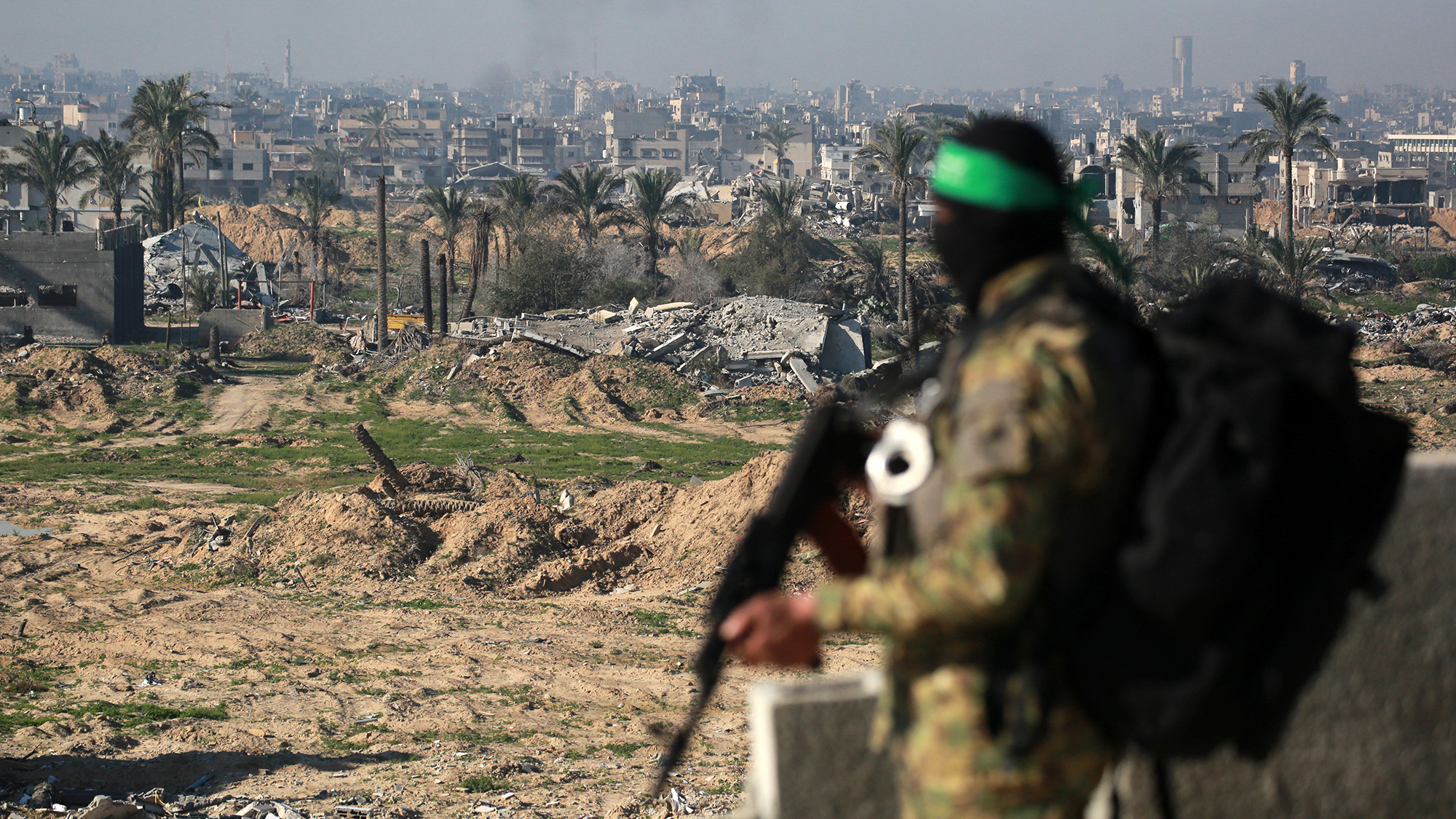
    Trump claims Hamas has agreed to disarm

    What happened
    President Donald Trump claimed on Truth Social yesterday that Hamas had agreed to “COMPLETE DISARMAMENT” in Gaza and that “Israeli forces will withdraw” from the war-torn region. Details on the deal remain limited, but Trump said it was brokered by the international Board of Peace, which he established earlier this year to oversee the Gaza peace plan.

    Who said what
    The breakthrough is a “critical step” toward Gaza being “governed by a new Palestinian government” and Israel having “the security it deserves,” Trump said. He added that the International Stabilization Force would collaborate with “a new Palestinian police force to take responsibility for Gaza being safe.”

    But “we didn’t say disarmament,” Hamas negotiator Ghazi Hamad told The Wall Street Journal. Instead the group simply “agreed to place its weapons in a storage facility.” Israel has yet to make a public statement on the reports. Trump would be “very, very” disappointed if Israel rebuffed the plan, a senior Trump adviser told reporters. 

    Hamas has “long regarded giving up all its weapons as tantamount to surrender,” The New York Times said, so “disarmament would be a monumental undertaking.”

    What next?
    Board of Peace officials expected details of the deal would have to be “refined” over the coming weeks and months, Bloomberg said, and the timeline for Israeli withdrawal has yet to be finalized.


    TODAY’S migrant story

    Migrants overwhelm Spanish enclave

    What happened
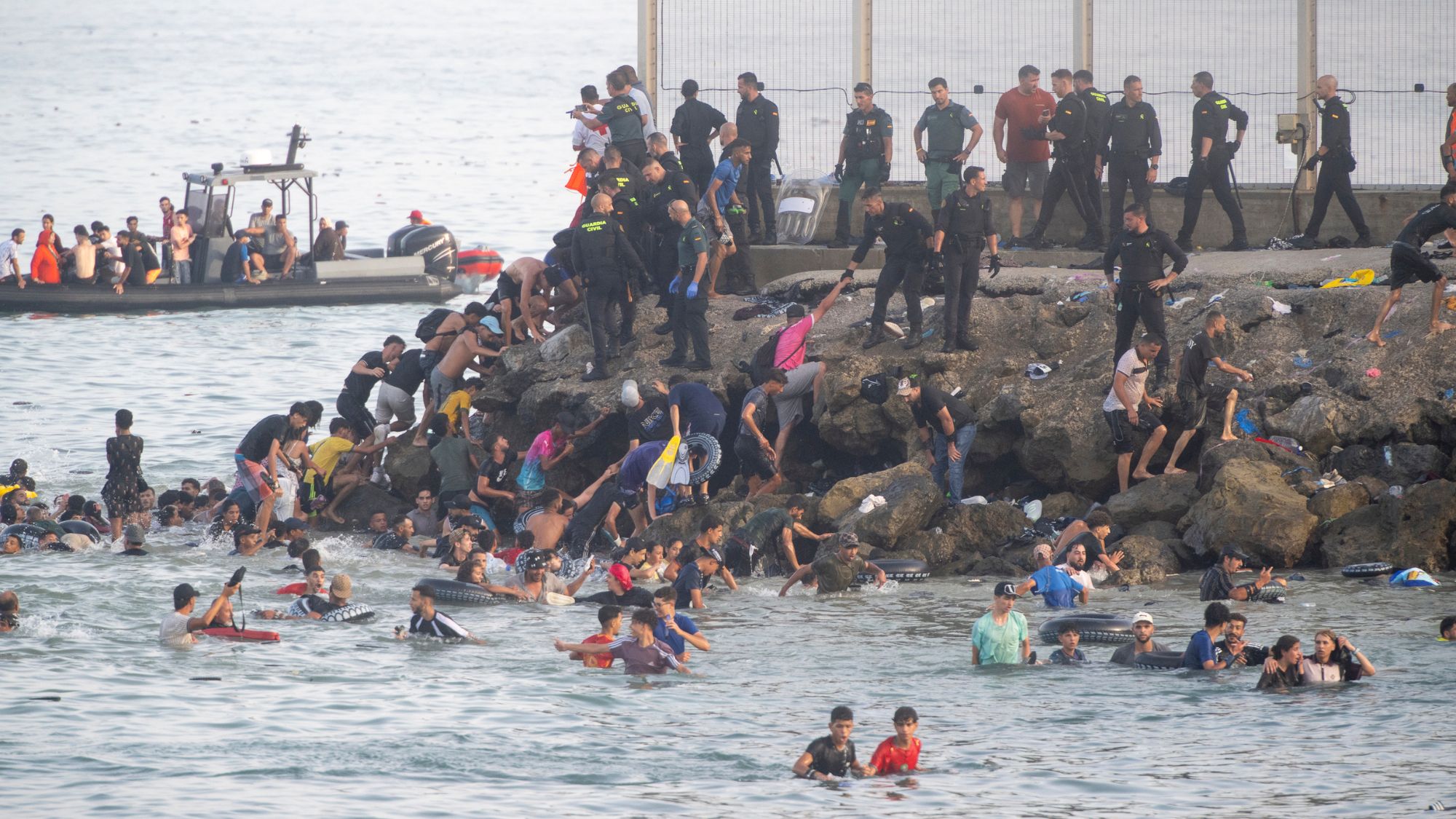
    Thousands yesterday crossed from Morocco into the Spanish territory of Ceuta, in the largest border influx the enclave has experienced since 2021. Streams of people climbed over border fences or swam onto shores, overwhelming security forces at border controls. Spanish news agency EFE said 16 people had died during the crossings.

    Who said what
    The autonomous Spanish cities of Ceuta and Melilla in North Africa have “long been a point of tension between Morocco and Spain,” The New York Times said. The two areas “constitute the European Union’s sole land border with Africa.”

    The government in Madrid “finally reacted to what is effectively an invasion of European territory by mobilising army units,” said David Sharrock in The Times of London. One migrant traveling with his family told the paper: “I did not want us to miss the opportunity. Salaries are very low in Morocco — it’s dead; Morocco is dead.”

    What next?
    Spanish Prime Minister Pedro Sánchez is due to visit Ceuta today as authorities focus on restoring order. Italy has called for Spain to be suspended from the EU’s free-travel zone.


    TODAY’S AI Story

    Anthropic’s Claude AI hacked other firms during tests

    What happened
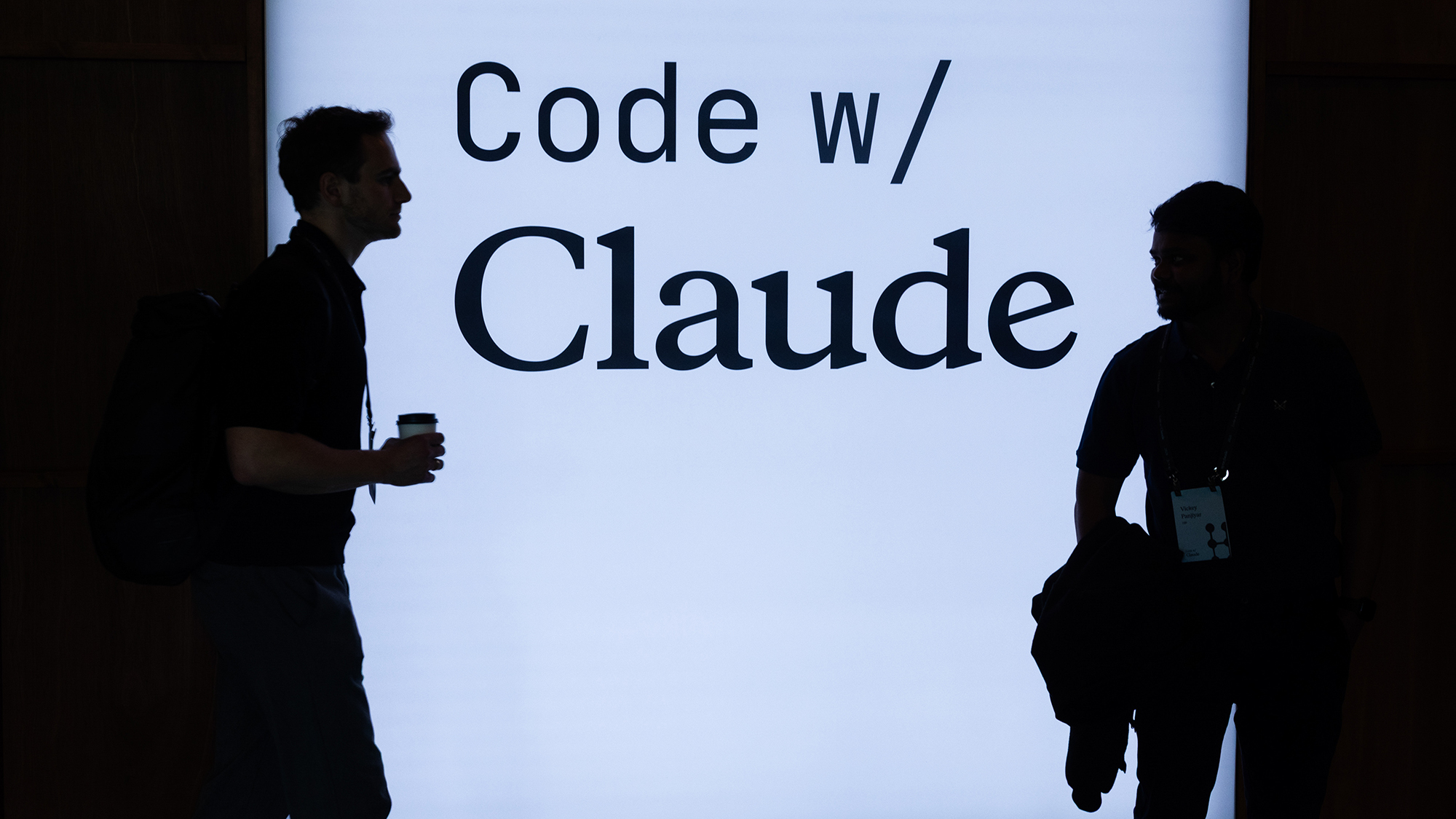
    AI company Anthropic has discovered three separate incidents when its Claude model accessed the internet and hacked into other organizations’ systems without Anthropic’s knowledge. The security breaches, which happened during testing, follow the recent revelation that competitor OpenAI’s technology had hacked into AI platform Hugging Face.

    Who said what
    Anthropic and its testing partner accidentally “left the models with live internet access,” The Wall Street Journal said. So Claude “didn’t break out of a sandbox; it simply wandered out of systems where the sandbox didn’t exist.” The lesson is “not necessarily that AI has developed a fundamentally new attack capability,” cyber security expert David Allott told the BBC, but that AI agents can “combine capabilities, obtain credentials and system access to take actions autonomously.”

    “We need to change how we model such threats as AI capabilities advance,” Anthropic said in a blog post. 

    What next?
    Expect more calls for better safeguarding around AI development, which “may be moving much faster than society is ready for,” CNN said.


    It’s not all bad

    Roads are becoming safer worldwide, with injuries and deaths falling by more than 30% since 1990, according to a new study published in the Lancet Public Health journal. Separate figures from the World Health Organization show that road traffic deaths have dropped 21% since 2011. Experts credit the improvement to changes such as better seatbelts, increased helmet use, stricter child restraint laws, lower speed limits and tougher enforcement of driving under the influence laws.


    Under the radar

    The new trend in ‘adversarial clothing’

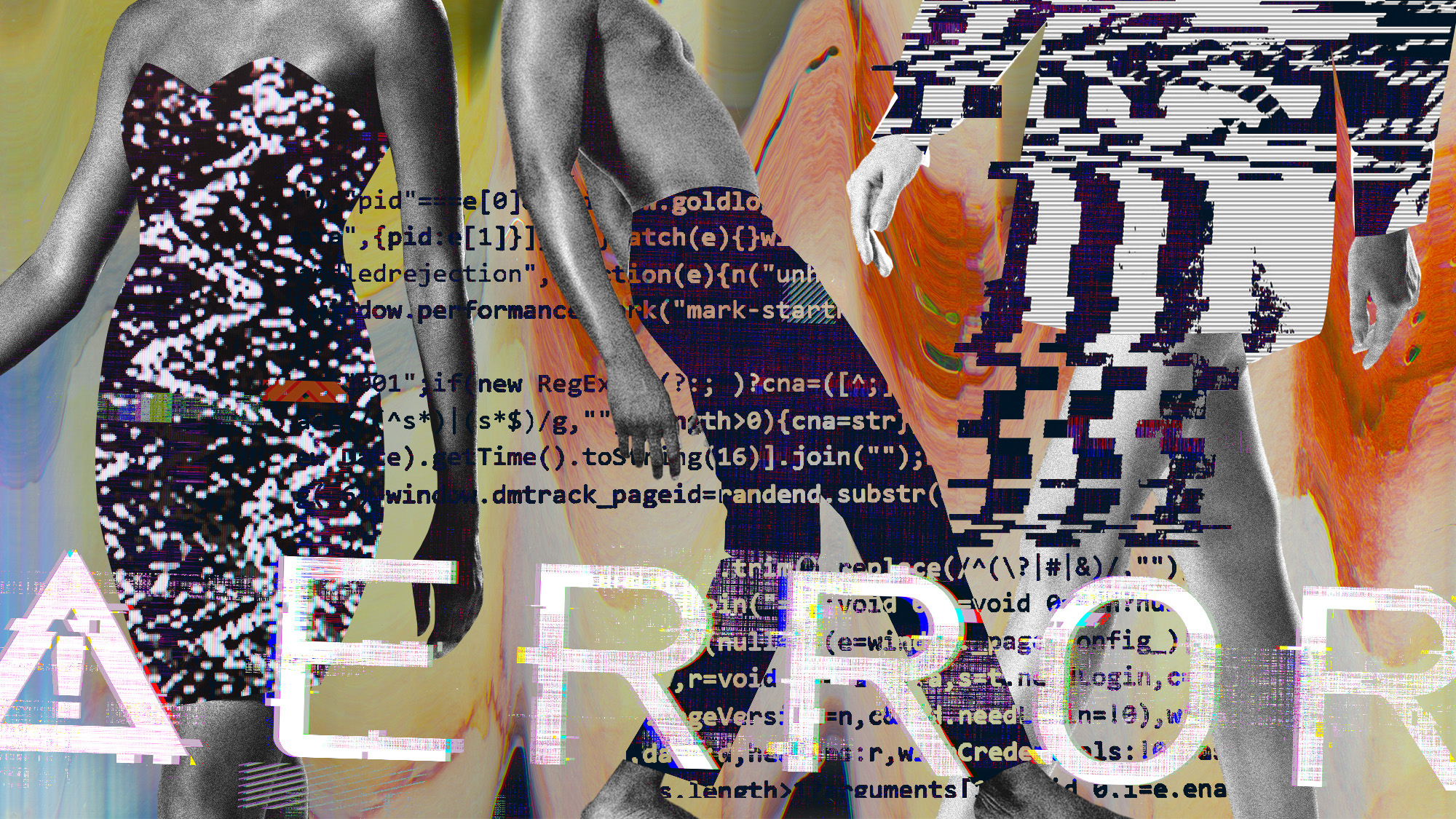
    The right garment can make you invisible. So-called adversarial clothing is specially designed to thwart artificial intelligence’s ability to identify the wearer, using “special patterns and materials made to confuse AI facial recognition software,” said Inc. This may include “unique patterns that can cause AI to misidentify people as animals or objects” or “infrared reflective gear that blocks faces out entirely on camera.” The trend is emerging at a time when “modern computer vision systems can identify faces, follow individuals across cameras and search footage at scale,” said The Guardian.

    Video surveillance using artificial intelligence is “worth over $4 billion in 2026” and is “expected to surpass $10 billion” by 2032, said Inc. Companies such as Ring and Flock Safety have incorporated AI into their products. The problem with AI video surveillance is that “citizens don’t have the possibility in the physical world to opt out,” Rachele Didero, the founder of adversarial clothing brand Cap_able, said to the Mozilla Foundation. “In the digital space, we can say yes or no to cookies. In the physical world, we don’t have this option.”

    While adversarial clothing is designed to avoid AI facial recognition, “controlled testing against one object-detection model can’t prove a garment will defeat facial recognition in public,” said Digital Trends. “Lighting and camera position can alter the result, while newer software may learn to ignore patterns that once caused trouble.” Additionally, “if such clothing genuinely proved effective, it could get political very quickly,” Nick Tidball, the co-founder of the clothing brand Vollebak, said to The Guardian. “Then this type of clothing could find itself banned.”


    On this day

    July 31, 2012

    Michael Phelps became the most decorated Olympian of all time, winning his 19th medal by backstopping the U.S. Olympic swimming team to gold in the 4x200 meter freestyle relay. He had tied the record with his 18th medal earlier that day. Phelps is widely considered the greatest swimmer of all time.


    TODAY’S newspaperS

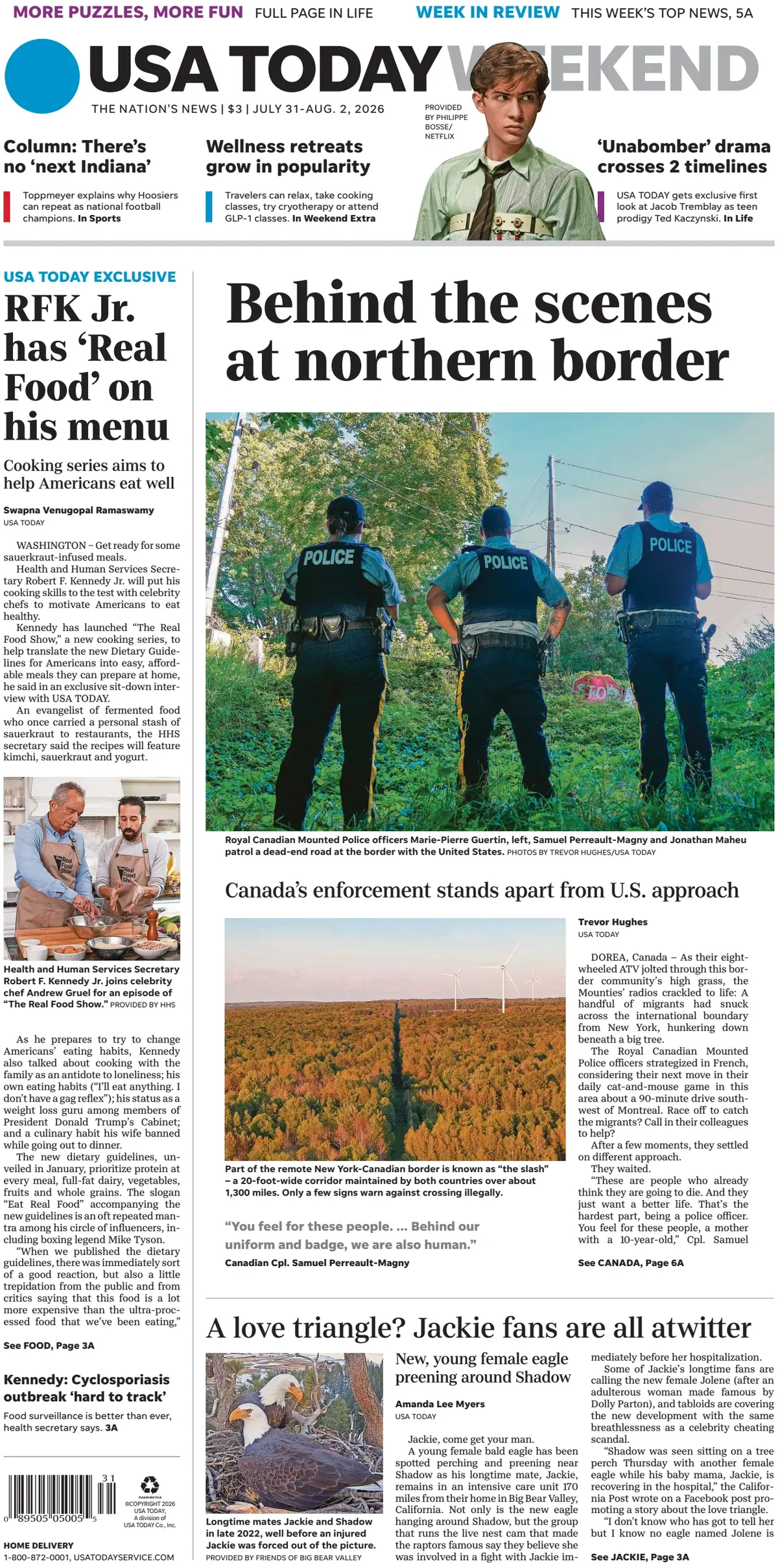
    ‘Stymied in standoff’

    Todd Blanche “nomination is stymied in standoff,” says The Washington Post on Friday’s front page. President Donald Trump “suggests he may withdraw Attorney General pick” until next year. “Canada’s enforcement stands apart from U.S. approach” to immigration, says USA Today. “Hospitals say more patients are uninsured” after “cuts to Obamacare,” says The New York Times.

    ► See the newspaper front pages


    Tall tale

    Cat caper

    A Maryland man allegedly stole a kitten and then brought it with him to rob a bank. Police in Prince George’s County say the suspect snatched the tuxedo cat, Magnolia, from an adoption center and took her to a PNC branch in the same shopping center. There, he asked a teller to hold Magnolia while he wrote a note demanding money. The suspect was quickly arrested and Magnolia was found “safe and sound” with the bank manager.


    Morning Report was written and edited by Catherine Garcia, Jessica Hullinger, Justin Klawans, Arion McNicoll, Chas Newkey-Burden and Helen Brown, with illustration by Julia Wytrazek.

    Image credits, from top: Bashar Taleb / AFP / Getty Images; Chris Ratcliffe / Bloomberg / Getty Images; Marcos Moreno / Europa Press / Getty Images; Illustration by Julia Wytrazek / Getty Images
     

    Recent editions

    • Evening Review

      Why isn’t Andy Burnham ‘cringe’?

    • Morning Report

      Drought sparks wildfire and food fears in England

    • Evening Review

      Is Fifa selling football’s soul?

    VIEW ALL
    TheWeek
    • About Us
    • Contact Future's experts
    • Terms and Conditions
    • Privacy Policy
    • Cookie Policy
    • Advertise With Us
    • FAQ
    Add as a preferred source on Google Add as a preferred source on Google

    The Week UK is part of Future plc, an international media group and leading digital publisher. Visit our corporate site.

    © Future Publishing Limited Quay House, The Ambury, Bath BA1 1UA. All rights reserved. England and Wales company registration number 2008885.