The Week The Week
flag of US
US
flag of UK
UK
https://cdn.mos.cms.futurecdn.net/flexiimages/jzblygzdxr1769609154.gif

SUBSCRIBE

Try 6 weeks free

Sign in
  • View Profile
  • Sign out
  • The Explainer
  • Talking Points
  • The Week Recommends
  • Podcasts
  • Newsletters
  • From the Magazine
  • The Week Junior
  • More
    • Politics
    • World News
    • Business
    • Health
    • Science
    • Food & Drink
    • Travel
    • Culture
    • History
    • Personal Finance
    • Puzzles
    • Photos
    • The Blend
    • All Categories
  • Newsletter sign up Newsletter
  • Brand Logo
    Emissions permission, mail ballot ruling and Trump wedding gift

     
    TODAY’S ENVIRONMENT story

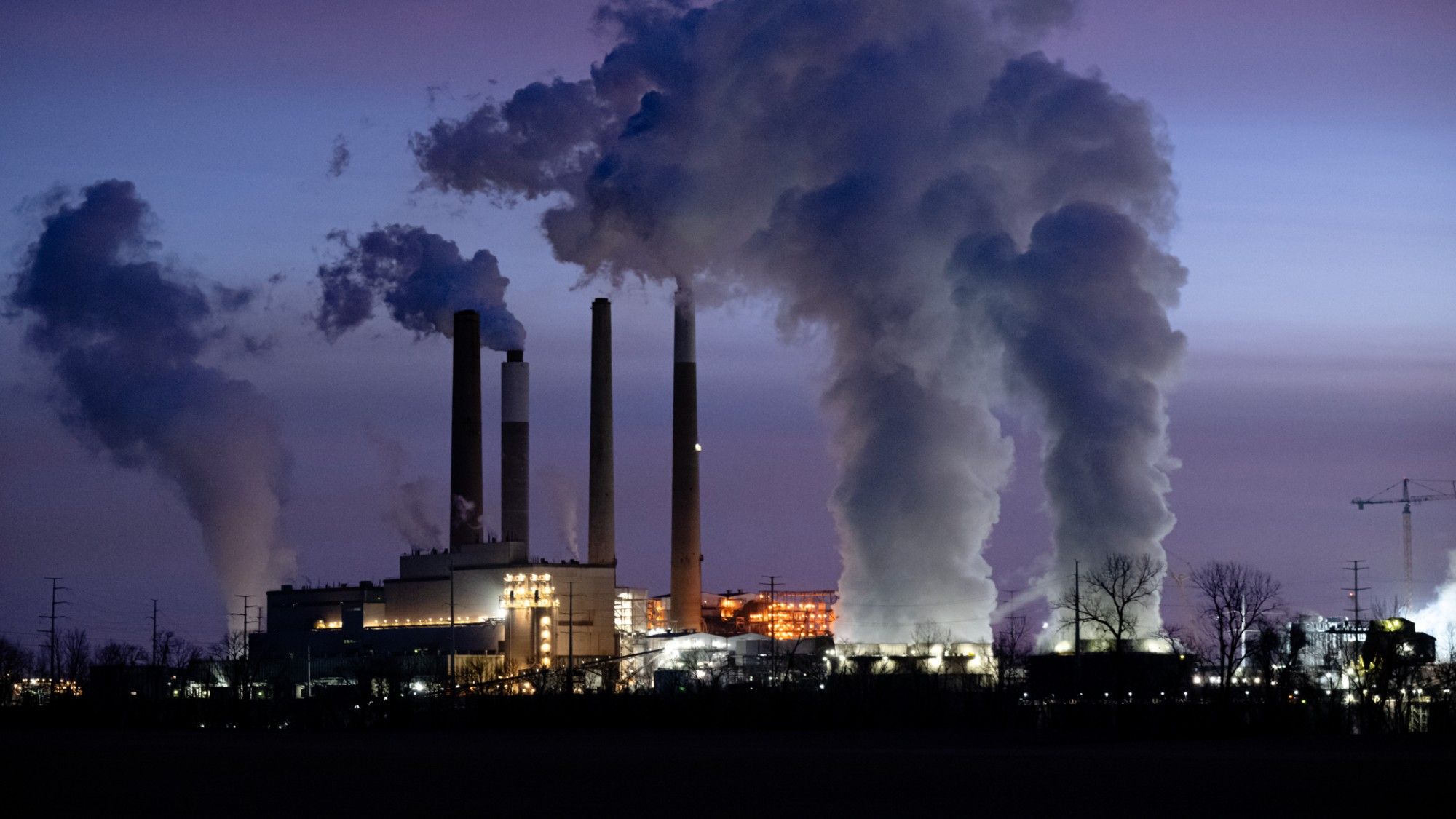
    Trump EPA repeals coal, gas power plant pollution limits

    What happened
    The Environmental Protection Agency yesterday said it had finalized a repeal of rules limiting planet-warming pollution from power plants fueled by coal and natural gas. The EPA also proposed a related measure that would prevent future administrations from regulating emissions from fossil-fuel power plants, the second-largest U.S. source of greenhouse gas emissions after transportation

    Who said what
    The EPA’s “two-pronged approach to abolishing the greenhouse gas limits” completes the Trump administration’s “erasure of the most consequential climate policies” of the Biden and Obama administrations, The New York Times said. Along with scrapping Biden’s 2024 rule to slash emissions by the late 2030s, the EPA “argued that greenhouse gases from power plants do not endanger human health or the environment,” so it can’t legally regulate them under the Clean Air Act.

    The EPA said the repeal would save about $310 billion and “unleash” America’s energy potential. “Large solar and wind projects, however, provide more cost-competitive energy than natural gas and coal projects,” NPR said, citing financial services firm Lazard. And along with “driving Earth’s warming to deadlier levels,” the “rules targeted by Trump’s EPA could prevent an estimated 30,000 deaths and save $275 billion each year they are in effect,” The Associated Press said, citing its analysis of EPA data and other research.

    What next?
    The rollback of Biden’s emissions limits will “take effect soon after publication in the Federal Register,” the AP said. Both it and the companion measure to “scuttle EPA’s legal basis for regulating power plant carbon emissions” are “certain to be challenged in court,” Politico said. But “if upheld, the rules will represent a final nail in the coffin for most federal climate regulation.” 


    TODAY’S ELECTIONS story

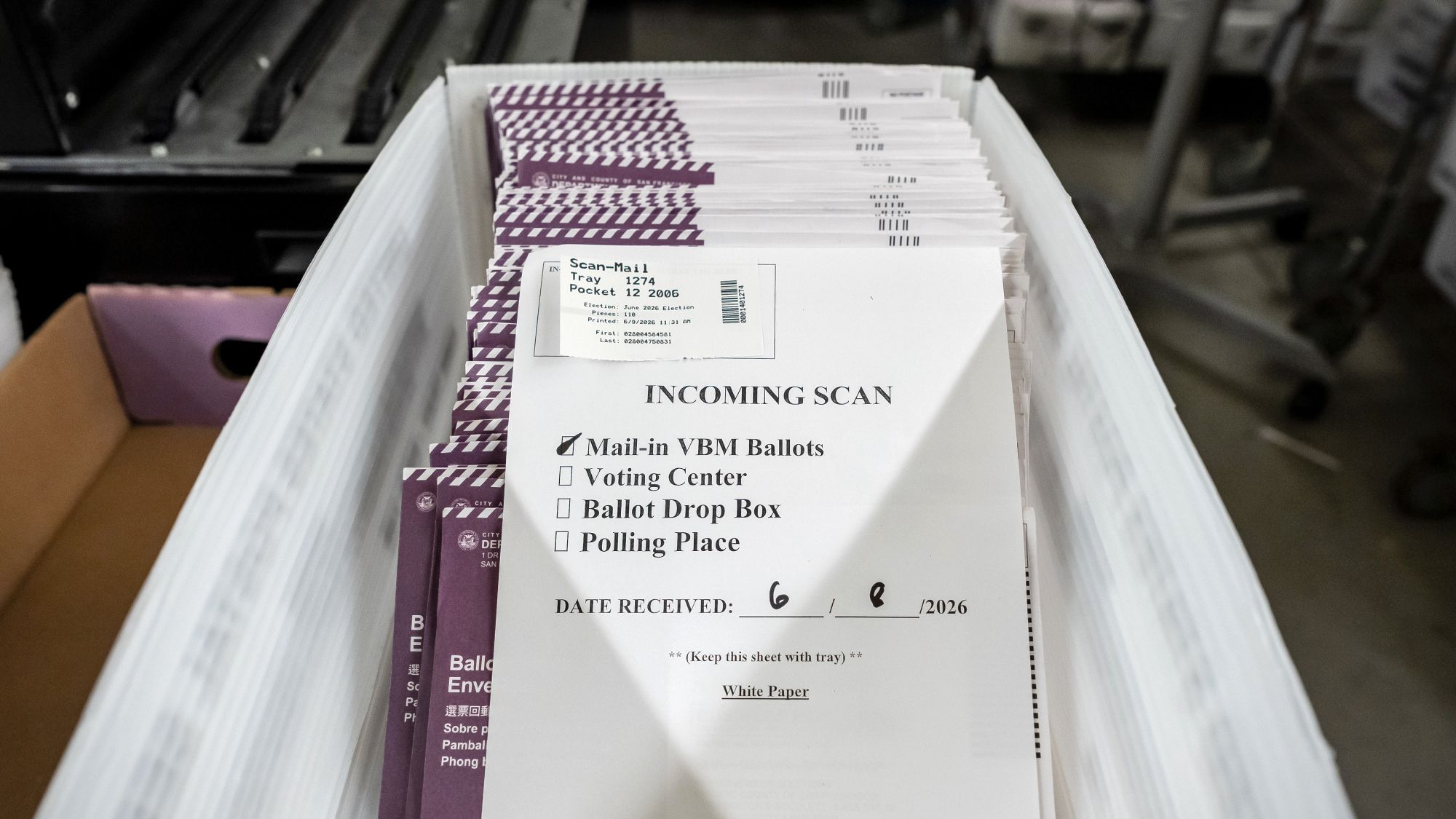
    Supreme Court blocks Trump’s mail ballot rules

    What happened
    The Supreme Court yesterday blocked President Donald Trump’s plan to use the U.S. Postal Service to restrict mail-in voting in November’s midterm elections. In a brief, unsigned decision, the court’s majority said the Trump administration was “unlikely to succeed on the merits of its challenge” to a district court’s injunction blocking the new requirements, and the “equitable factors” weighed against lifting the injunction. Justices Samuel Alito and Clarence Thomas dissented. 

    Who said what
    The decision was a “stark defeat for Trump,” The Associated Press said, but it “allows states to continue sending out mail ballots under the same processes they’ve used for years.” Nearly a third of the U.S. electorate votes by mail, and state election officials had warned that the administration was “inviting chaos by trying to deploy a new ballot-matching system” as states had already started mailing out ballots, Politico said. 

    What next?
    “Further litigation is expected” over the USPS’s ability to use Trump’s rules in future elections, The Wall Street Journal said, but yesterday’s decision “effectively guarantees that they will remain on ice during the midterms.” Trump’s “battle to assert control over the election process is far from finished,” The New York Times said. The “stymied” USPS order “was just one piece of a broader effort involving the full power of the federal government to take more control of state-run elections.” 


    TODAY’S TKTK Story

    Putin-linked oligarch funded Don Trump Jr.’s wedding

    What happened
    Donald Trump Jr. and Bettina Anderson’s “lavish” three-day wedding celebration in the Bahamas was “heavily funded by a secret benefactor: Umar Kremlev, a Russian oligarch close to President Vladimir Putin,” ProPublica reported yesterday. Kremlev spent “hundreds of thousands of dollars” to rent out one of the “pair of ultra-exclusive private islands” that hosted the May wedding, plan the reception and put on a fireworks show, among other expenses. 

    Bettina Trump confirmed the “extraordinarily generous wedding gift” on social media. “Our dear friend Umar very generously hosted two incredible nights of celebrations for us AFTER our wedding,” she said, but he did not attend the “intimate” ceremony.

    Who said what
    Accepting Kremlev’s money was an “extraordinary flouting of ethical norms for an American president’s family,” which is “generally expected to steer clear of these sorts of personal and pricey gifts,” The New York Times said, “particularly from someone in a country like Russia.” About 50 guests attended the after-party, including Eric Trump and Jared Kushner, and some were “puzzled” by the presence of Kremlev and his Russian friends, ProPublica said. “Eric has absolutely no clue who this person is,” a spokesperson told the publication. President Donald Trump said in a statement he also had “no idea who Umar is,” but “it was an ‘after-party’ given in their honor. Not a big deal!”

    What next?
    “This should be unthinkable for the son of the president,” retired FBI counterintelligence agent Frank Montoya Jr. told ProPublica “If I’m paying for your wedding, at some point, you’re going to owe me something.”


    It’s not all bad

    Weight-loss and diabetes drugs like Wegovy and Ozempic could also help mitigate asthma, according to a study of tens of thousands of people in Britain. The patients taking semaglutide experienced nearly 40% fewer asthma attacks and 20% fewer chronic obstructive pulmonary disease flare-ups. The benefits appeared to be greatest among people with more severe asthma and those taking higher doses of the medication. Researchers stressed that the findings needed to be confirmed in clinical trials before treatment recommendations are changed.


    Under the radar

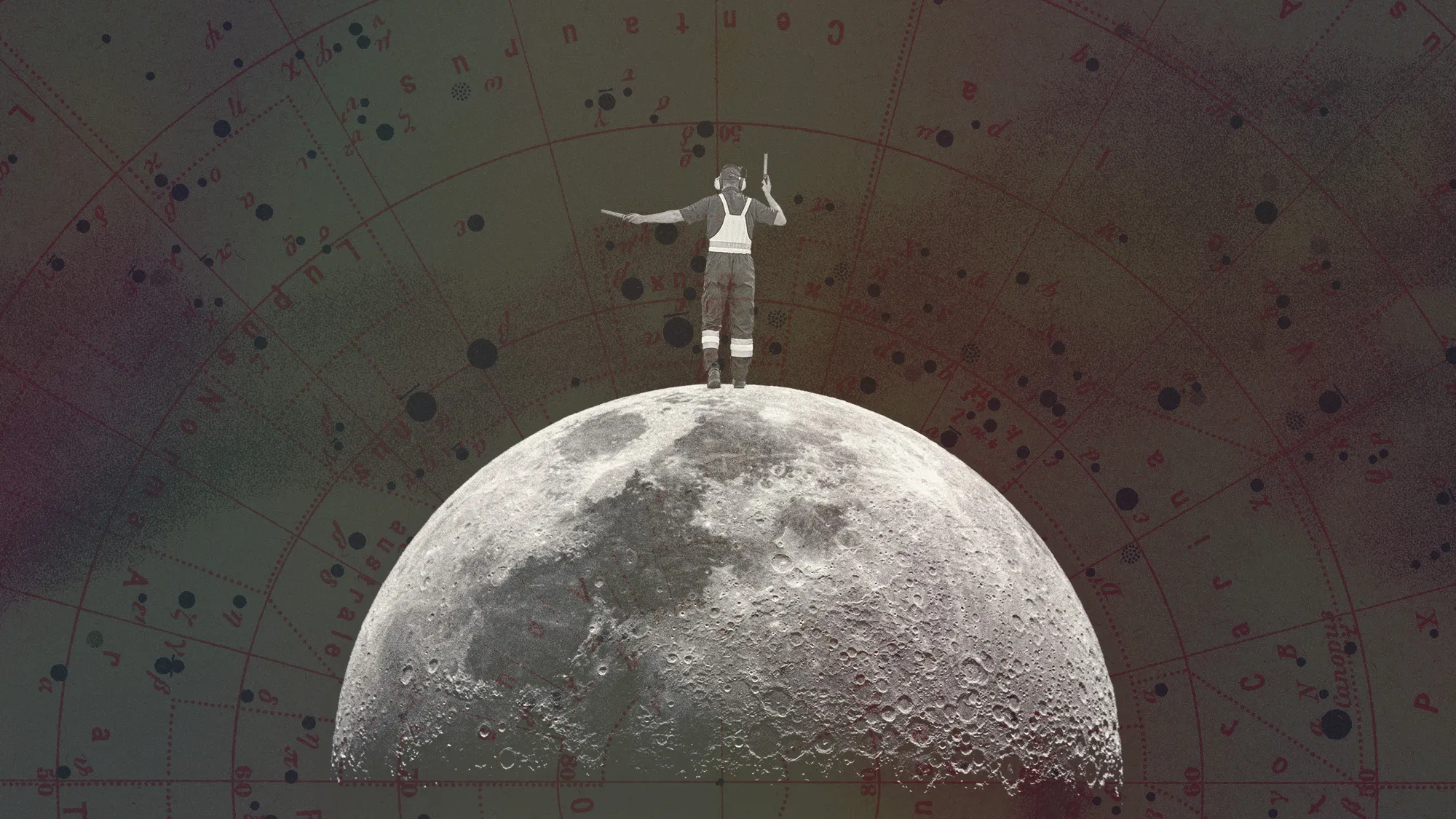
    Air traffic control is coming to the moon

    Space travel is taking off, but landing on the moon will be no easy feat. As NASA prepares to place the first-ever spaceport in the moon’s orbit in the next 20 years, space exploration interests need to plan for the complicated logistics of several celestial vehicles taxiing and docking at the port and, eventually, at a permanent moon settlement.

    NASA’s small Gateway space station is designed to be a “multipurpose outpost supporting lunar surface missions, science in lunar orbit and human exploration further into the cosmos,” the U.S. space agency said. With increased cosmic traffic, systems need to be in place to manage the flow, according to a study published in the journal Acta Astronautica. 

    Unlike parking at an earthly airport, space vehicles require “continuous effort to counteract the forces of orbital physics” for “days or weeks” because each spacecraft is moving constantly, said Universe magazine. To tackle what could be a logistical nightmare, scientists ran thousands of computer simulations to test “strategies for keeping vehicles carefully spaced around Gateway while accounting for realistic navigation errors, thruster imperfections and even small disturbances expected during future Artemis missions,” Texas A&M University said in a news release. 

    The proposal is to “get everything moving together, rather than each spacecraft focusing exclusively on its own path around the moon,” said the science publication Nautilus. “By sharing data and continually calculating the position of the Gateway, spacecraft can follow a ‘string of pearls’ formation that keeps everybody at a safe distance.”


    On this day

    September 15, 1935

    The Nazis enacted the Nuremberg Laws, depriving German Jews of citizenship and further restricting them from daily life. The ratcheting up of antisemitism under Adolf Hitler culminated in the murder of some six million Jews in the Holocaust. After World War II, the city of Nuremberg was used to hold Nazi war crime trials. 


    TODAY’S newspaperS

    ‘Tiny cages’

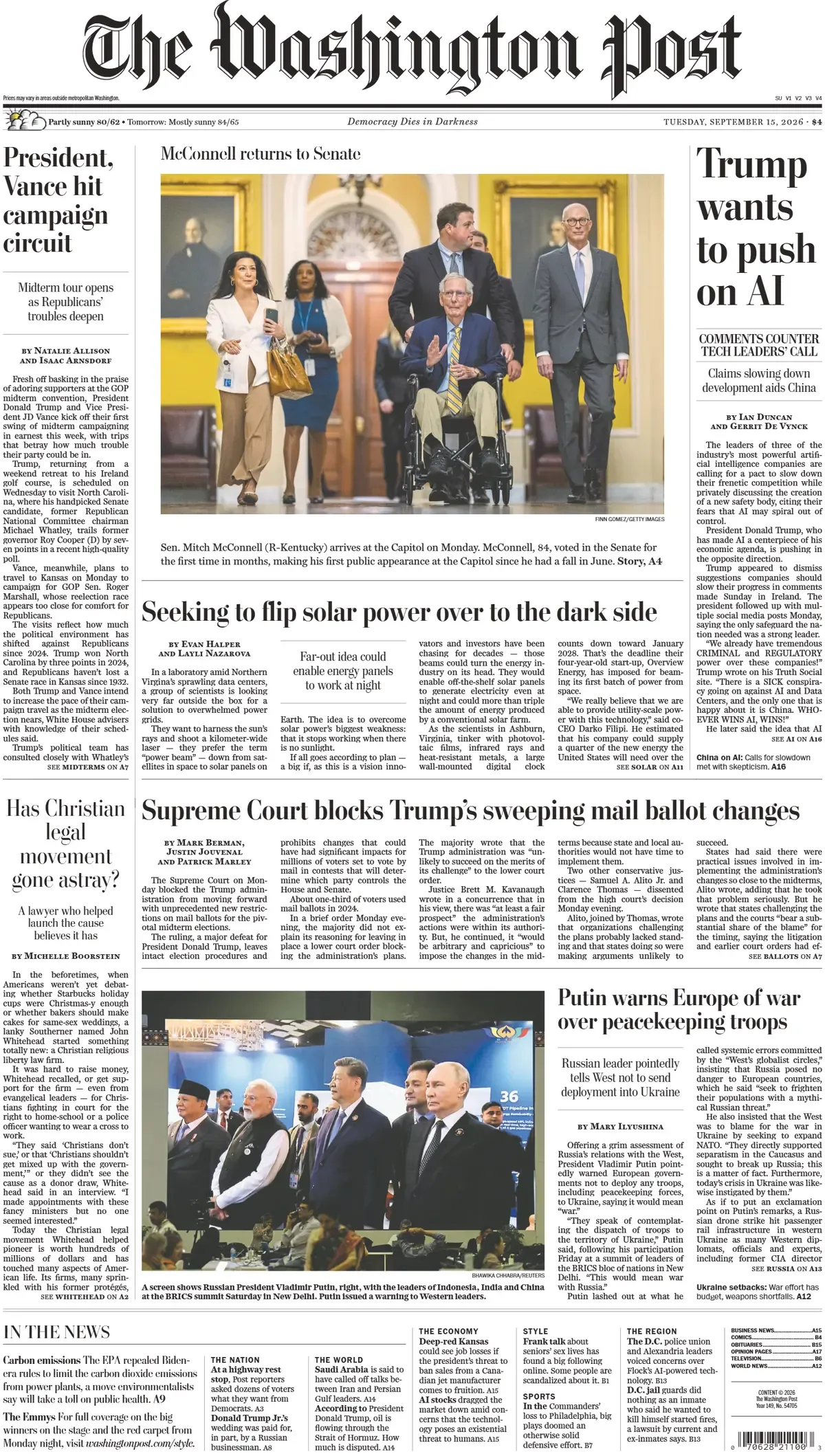
    “Migrants held in tiny cages, inquiry finds,” The New York Times says on Tuesday’s front page. With “inflation rising faster than paychecks,” markets “bet Fed will raise its rate,” USA Today says. “Rate-hike expectations put Warsh in a bind as Fed meets,” The Wall Street Journal says. “Political leaders at odds as AI fears spread,” the Los Angeles Times says. “Trump wants to push on AI,” The Washington Post says. “Kennedy Center warns of bankruptcy without Trump’s name,” The Philadelphia Inquirer says. “EPA rule limiting emissions repealed” as “warming has nations in fight to survive,” The Minnesota Star Tribune says. “Texans push to stop wall plans” in Big Bend National Park, The Dallas Morning News says. “Less than 100 days from Haiti’s first election in a decade, doubts grow it will happen,” says the Miami Herald. 

    ► See the newspaper front pages


    Tall tale

    Isle be back

    A mysterious floating forest that appeared from nowhere in a reservoir in British Columbia before vanishing again has been spotted a second time, 20 miles away. The “thickly forested” island on Williston Lake seems to have pulled off a “stunning aquatic displacement,” said The Guardian. Experts believe that the “island” is likely a free-floating mass made up of “trees and plants growing largely undisturbed on the woody debris” along the shore.


    Morning Report was written and edited by Nadia Croes, Catherine Garcia, Scott Hocker, Anya Jaremko-Greenwold, Justin Klawans, Rafi Schwartz, Peter Weber and Kari Wilkin, with illustrations by Stephen Kelly and Julia Wytrazek.

    Image credits, from top: Jon Cherry / Getty Images; David Paul Morris / Bloomberg via Getty Images; Mandel Ngan / AFP via Getty Images; Illustration by Julia Wytrazek / Getty Images
     

    Recent editions

    • Evening Review

      Will Burnham be the last prime minister of the UK?

    • Morning Report

      Reform defends £72m in donations amid crackdown

    • Sunday Shortlist

      Willem Dafoe’s ‘elegant tale of autumnal regret’

    VIEW ALL
    TheWeek
    • About Us
    • Contact Future's experts
    • Terms and Conditions
    • Privacy Policy
    • Cookie Policy
    • Advertise With Us
    • FAQ
    Add as a preferred source on Google Add as a preferred source on Google

    The Week UK is part of Future plc, an international media group and leading digital publisher. Visit our corporate site.

    © Future Publishing Limited Quay House, The Ambury, Bath BA1 1UA. All rights reserved. England and Wales company registration number 2008885.