Sign up to get Today’s Best Articles in your inbox
Join 350,000+ subscribers and keep yourself informed with a selection of
The Week’s most interesting, enlightening and entertaining stories - plus daily puzzles.
You are now subscribed
Your newsletter sign-up was successful
Want to add more newsletters?
An account already exists for this email address, please log in.
What does Alberta’s referendum rejection mean for Canada?
Voters largely turned down an effort to make Alberta independent
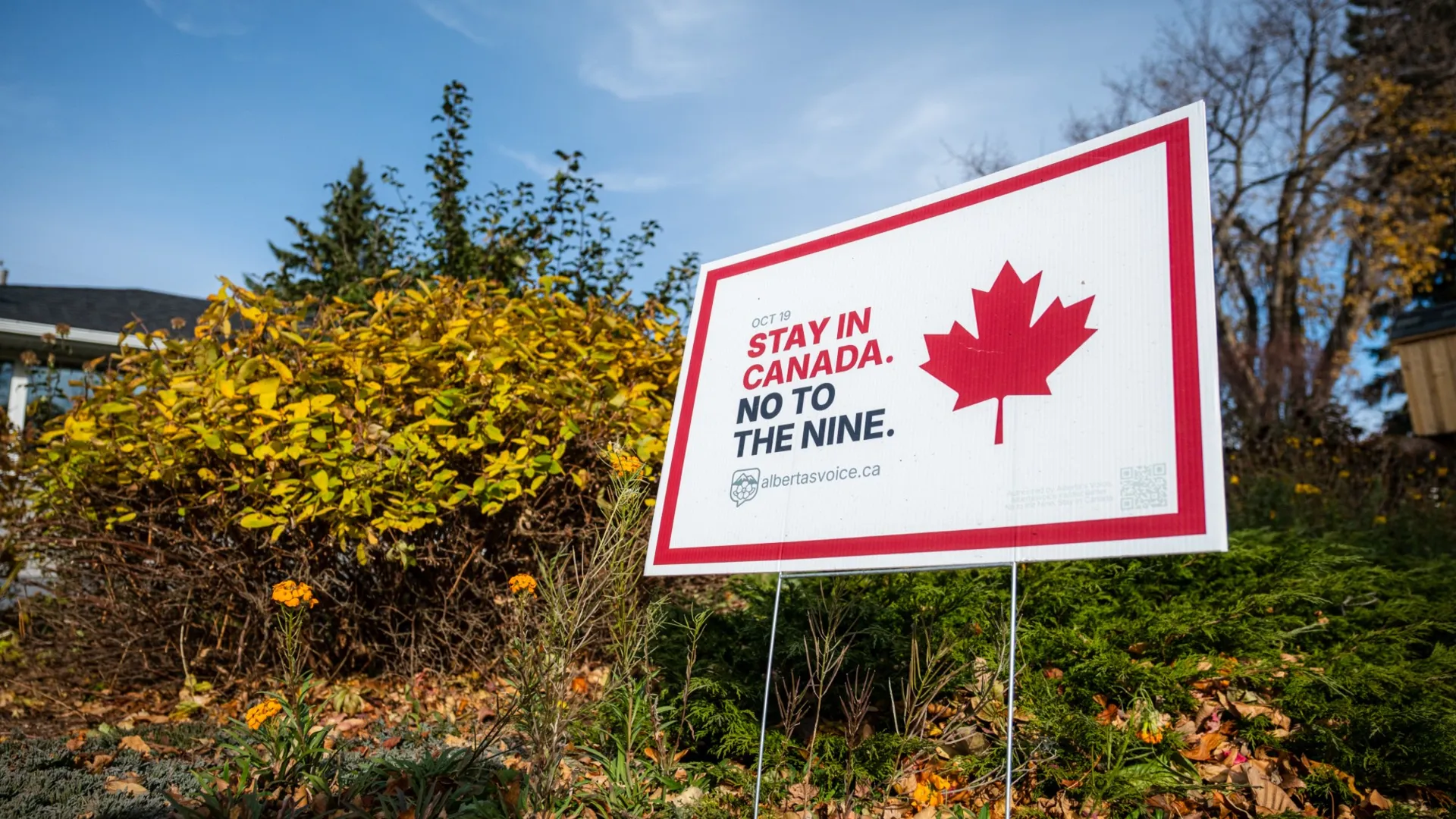
Canada’s largest prairie province will remain part of the country, as voters in Alberta overwhelmingly denied an independence referendum that would have started the province on a path to separation. The ripple effect of the defeated referendum now appears set to echo across Canada.
What did the commentators say?
It is clear most Albertans have no desire to break away. With 93% of the votes reported, nearly 76% of respondents chose to remain part of Canada, according to the preliminary referendum results. The vote “marks a major win for Prime Minister Mark Carney, who is facing a trade and political war with the United States amid President Donald Trump’s higher tariffs and repeated suggestions of annexing the country,” said Al Jazeera. While the vote is clear, it may “not spell the end for a movement that has spent decades pushing for greater autonomy from the federal government.”
Many Albertans are “expressing frustration that their views aren’t sufficiently represented by the Liberal government,” said Time. Still, many in the Canadian Parliament have been reluctant to support an independence push because Alberta is an “oil-rich province; mining, quarrying and oil and gas extraction made up about a quarter of the province’s GDP in 2025.” Some in the province feel that “central Canada is taking advantage of Alberta; that the central government has, at times, through environmental regulations, for example, hindered the development of the oil resources,” Andrew McDougall,a professor of political science at Canada’s University of Toronto Scarborough, said to Time.
The Week
Escape your echo chamber. Get the facts behind the news, plus analysis from multiple perspectives.
Join more than 350,000 subscribers and keep yourself informed with a selection of The Week’s most interesting, enlightening and entertaining stories - plus daily puzzles.
Join more than 350,000 subscribers and keep yourself informed with a selection of The Week’s most interesting, enlightening and entertaining stories - plus daily puzzles.
The vote will also precipitate further questions about “whether Alberta Premier Danielle Smith can maintain control of her party — and the province,” said The Globe and Mail. Smith has consistently said she wants Alberta to be part of a “United Canada” but also “has a contentious relationship with the pro-Canada crowd, who have accused her of pandering to separatists.” The vote’s outcome is “unlikely to position Ms. Smith as an ally to the movement.”
What next?
Carney waxed poetic about the referendum’s defeat. “Albertans made a clear choice. They chose unity, to build together and to take care of each other,” the prime minister said on X. The results “mean that Albertans and all Canadians will move forward together with renewed purpose.”
Sign up to get Today’s Best Articles in your inbox
A free daily email with the day’s biggest news and analysis – and the best features from TheWeek.com
Justin Klawans has worked as a staff writer at The Week since 2022. He began his career covering local news before joining Newsweek as a breaking news reporter, where he wrote about politics, national and global affairs, business, crime, sports, film, television and other news. Justin has also freelanced for outlets including Collider and United Press International.