Sign up to get Today’s Best Articles in your inbox
Join 350,000+ subscribers and keep yourself informed with a selection of
The Week’s most interesting, enlightening and entertaining stories - plus daily puzzles.
You are now subscribed
Your newsletter sign-up was successful
Want to add more newsletters?
An account already exists for this email address, please log in.
Iranian blockbuster causes outrage in Saudi Arabia
'Muhammad: the messenger of God' condemned by senior Saudi cleric as a defamation of Islam
Saudi Arabia's most senior cleric, Sheikh Abdulaziz al-Sheikh, has condemned an Iranian film that depicts the early life of the Prophet Mohammed as obscene and hostile.
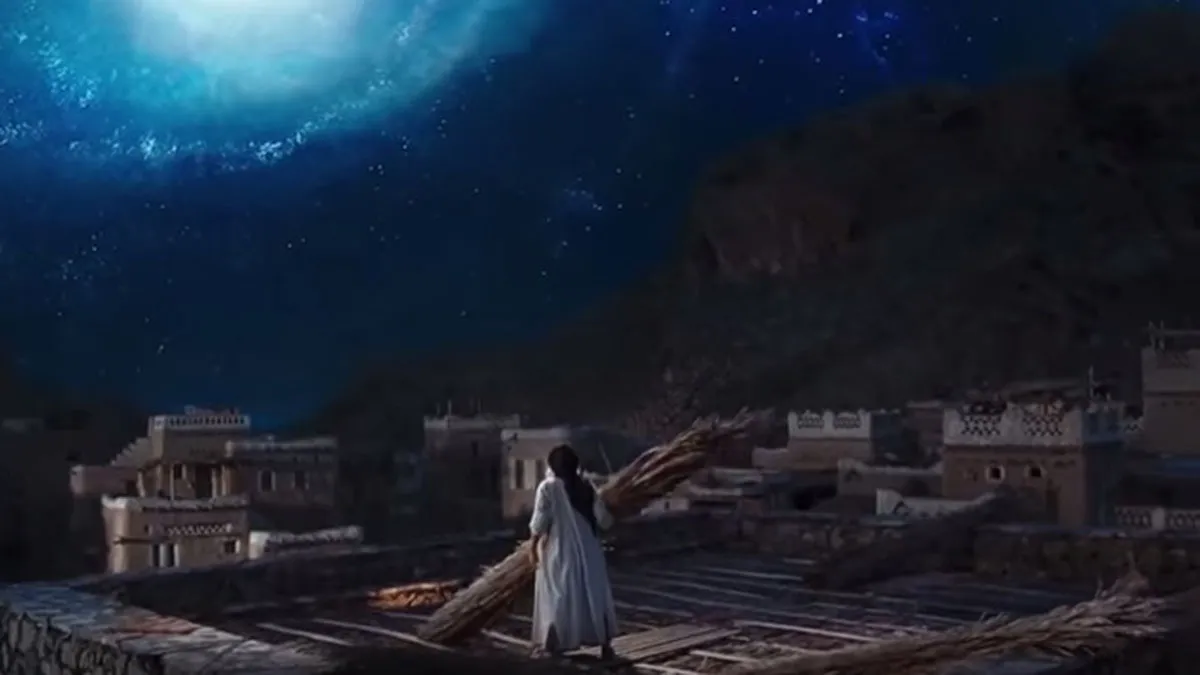
Muhammad: the Messenger of God premiered to sold-out audiences in Iran last week, but has courted controversy outside the country since filming began.
Although the film does not show the Prophet's face, any visual depiction is prohibited by Sunnis like al-Sheikh. Shia Islam, which is practised by the majority of Iranians, is less strict.
The Week
Escape your echo chamber. Get the facts behind the news, plus analysis from multiple perspectives.
Join more than 350,000 subscribers and keep yourself informed with a selection of The Week’s most interesting, enlightening and entertaining stories - plus daily puzzles.
Join more than 350,000 subscribers and keep yourself informed with a selection of The Week’s most interesting, enlightening and entertaining stories - plus daily puzzles.
The Grand Mufti described the film as a defamation of Islam, The Times reports. "The film-makers are not reflecting reality," he said. "This is a lewd work which has no religion."
The three-hour long film cost around $40m to produce, making it the most expensive movie ever filmed in Iran. It was directed by acclaimed Iranian filmmaker Majid Majidi, who told AFP that his mission was to improve the image of Islam after it had been distorted by extremists."Unfortunately at this time the impression of Islam is of a radical, fanatical and violent religion, which is not what it's about," he said.Majidi is widely viewed as a "pro-establishment figure of committed religious beliefs," and was extremely mindful of religious sensibilities in the region, says the Guardian.
The film was due to premier at the Fajr international film festival in Iran in January – just after the Charlie Hebdo attack – but the event was cancelled due to "technical problems".
Despite receiving a positive response from Iranian audiences, international film critics have not been as kind. The movie is restricted both by its narrative scope and religious prohibitions, writes Vanity Fair's Alissa Simon. Majidi uses battle scenes to "enliven" matters where possible, but action is "not his forte," she says.
Sign up to get Today’s Best Articles in your inbox
A free daily email with the day’s biggest news and analysis – and the best features from TheWeek.com
"These clichéd scenes, in combination with the elaborate but cheesy-looking special effects, register mostly as second-rate copies of Western cinematic conventions."