Sign up to get Today’s Best Articles in your inbox
Join 350,000+ subscribers and keep yourself informed with a selection of
The Week’s most interesting, enlightening and entertaining stories - plus daily puzzles.
You are now subscribed
Your newsletter sign-up was successful
Want to add more newsletters?
An account already exists for this email address, please log in.
Scientists attempt to grow human organs in pigs
Researchers in California hope to harvest human pancreas to help in life-saving transplants
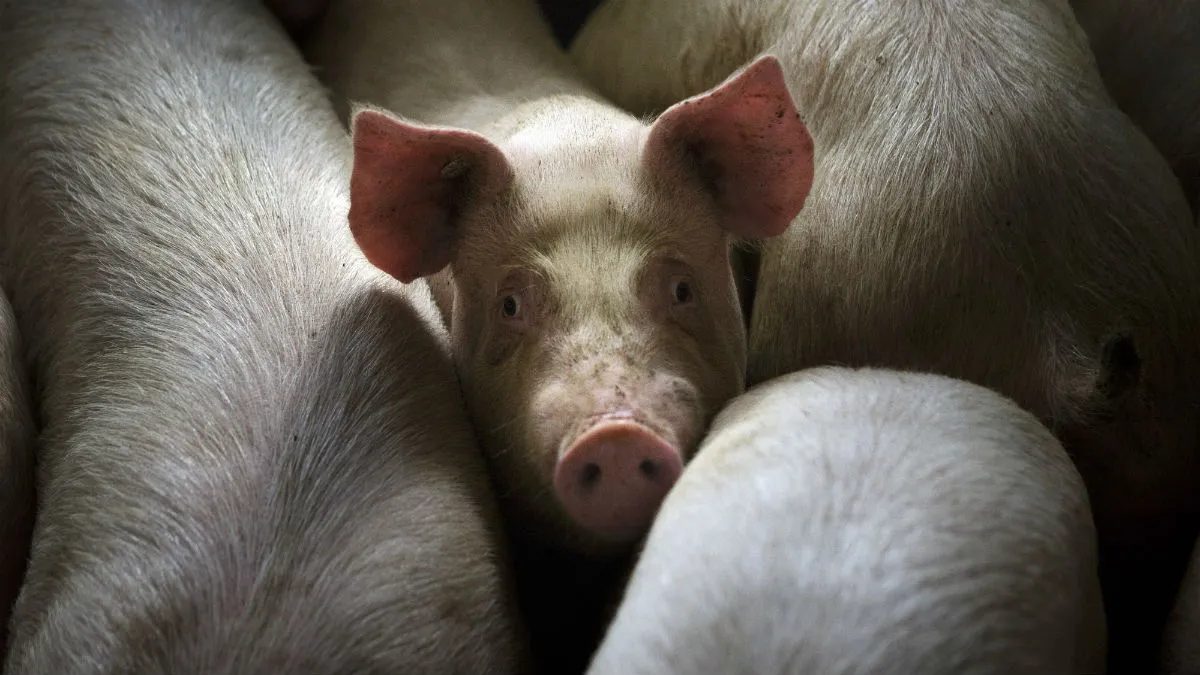
Scientists at the University of California, Davis are working towards growing human organs inside pigs.
The team has injected human stem cells into pig embryos, to produce hybrid embryos known as chimeras.
"They believe that the animals, which would have a human internal organ, may look and behave like any other pigs and could be a ready source of organs for life-saving transplants," The Guardian says.
The Week
Escape your echo chamber. Get the facts behind the news, plus analysis from multiple perspectives.
Join more than 350,000 subscribers and keep yourself informed with a selection of The Week’s most interesting, enlightening and entertaining stories - plus daily puzzles.
Join more than 350,000 subscribers and keep yourself informed with a selection of The Week’s most interesting, enlightening and entertaining stories - plus daily puzzles.
The complex procedure involves two stages, researchers say. In the first step, known as Crispr gene editing, scientists take a newly fertilised pig embryo and remove the DNA that would ordinarily allow the pig to grow a pancreas. Once that "niche" has been created, human stem cells are injected into the embryo to replace the missing DNA.
"Our hope is that this pig embryo will develop normally but the pancreas will be made almost exclusively out of human cells," says Professor Pablo Ross, the reproductive biologist leading the research.
The procedure is still highly controversial in the US. Last September, the National Institutes of Health imposed a ban on funding research in which human cells were introduced into non-human vertebrate animal embryos.
"The main concern is that the human cells might migrate to the developing pig's brain and make it, in some way, more human," says the BBC. Other scientists in the US have created chimeric embryos but have not allowed the foetuses to be born.
Sign up to get Today’s Best Articles in your inbox
A free daily email with the day’s biggest news and analysis – and the best features from TheWeek.com
Compassion in World Farming's Peter Stevenson has also raised concerns about animal suffering. "Let's first get many more people to donate organs," he said.