Niqab and burka ban comes into force in part of Switzerland
First fines handed out in canton of Ticino as duo defy controversial law
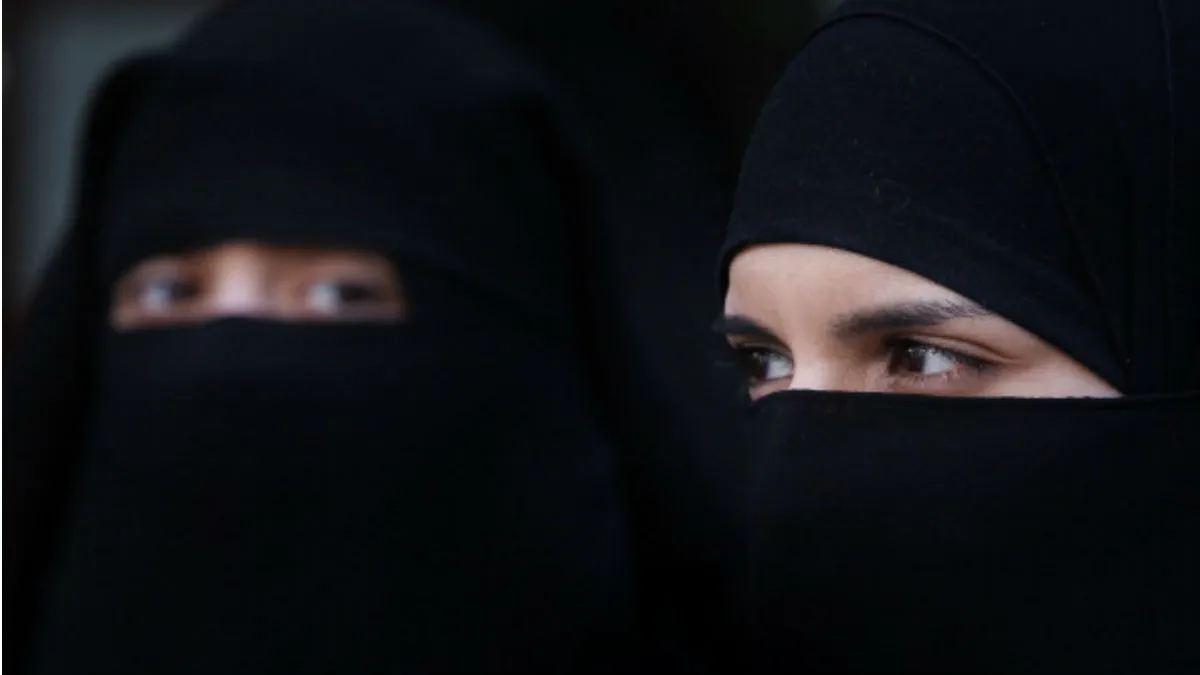
Muslim women in a region of Switzerland face large fines for wearing a full-face veil after a ban on burqas and niqabs came into effect last week.
A Swiss woman who converted to Islam and a French-Algerian businessman have already been fined for defying the Ticino canton law, Swiss Info reports. The pair were publicly protesting the ban.
The Italian-speaking region, which is predominantly Roman Catholic, voted in favour of the controversial law in 2013. It allows police to hand out fines of nearly £8,000, according to the Daily Telegraph.
The Week
Escape your echo chamber. Get the facts behind the news, plus analysis from multiple perspectives.
Sign up for The Week's Free Newsletters
From our morning news briefing to a weekly Good News Newsletter, get the best of The Week delivered directly to your inbox.
No exceptions will be made for tourists and the Saudi Arabian embassy has already warned Muslim women travelling to the region to respect the law.
Amnesty International described the vote as a "black day for human rights in Ticino" and a recent report accused European governments of "pandering to prejudice" by supporting bans on Islamic dress.
It follows a similar move in France, which in 2011 became the first European country to outlaw the full-face veil. Though hugely controversial, the law was upheld by the European Court of Human Rights.
The veil has become a divisive issue across Europe, with those in favour of a ban arguing that it is oppressive to women and creates a barrier between them and the rest of society.
A free daily email with the biggest news stories of the day – and the best features from TheWeek.com
But human rights organisations describe such laws as religious discrimination and many Muslim women argue it is patronising and offensive to say they are not free to make their own choices.
"It's as if the female, as an adult individual, is obviously ill-equipped to make such decisions on her own," says columnist Faraz Talat.
-
How the ‘British FBI’ will workThe Explainer New National Police Service to focus on fighting terrorism, fraud and organised crime, freeing up local forces to tackle everyday offences
-
The best family hotels in EuropeThe Week Recommends Top kid-friendly hotels with clubs, crèches and fun activities for children of all ages – and some downtime for the grown-ups
-
Moon dust has earthly elements thanks to a magnetic bridgeUnder the radar The substances could help supply a lunar base
-
China’s Xi targets top general in growing purgeSpeed Read Zhang Youxia is being investigated over ‘grave violations’ of the law
-
Panama and Canada are negotiating over a crucial copper mineIn the Spotlight Panama is set to make a final decision on the mine this summer
-
Why Greenland’s natural resources are nearly impossible to mineThe Explainer The country’s natural landscape makes the task extremely difficult
-
Iran cuts internet as protests escalateSpeed Reada Government buildings across the country have been set on fire
-
US nabs ‘shadow’ tanker claimed by RussiaSpeed Read The ship was one of two vessels seized by the US military
-
How Bulgaria’s government fell amid mass protestsThe Explainer The country’s prime minister resigned as part of the fallout
-
Femicide: Italy’s newest crimeThe Explainer Landmark law to criminalise murder of a woman as an ‘act of hatred’ or ‘subjugation’ but critics say Italy is still deeply patriarchal
-
Brazil’s Bolsonaro behind bars after appeals run outSpeed Read He will serve 27 years in prison