Sign up to get Today’s Best Articles in your inbox
Join 350,000+ subscribers and keep yourself informed with a selection of
The Week’s most interesting, enlightening and entertaining stories - plus daily puzzles.
You are now subscribed
Your newsletter sign-up was successful
Want to add more newsletters?
An account already exists for this email address, please log in.
May 'orders crackdown' on offshore tax havens
'Policy unit' to target personal and corporate tax avoidance as PM commits to 'reforming capitalism'
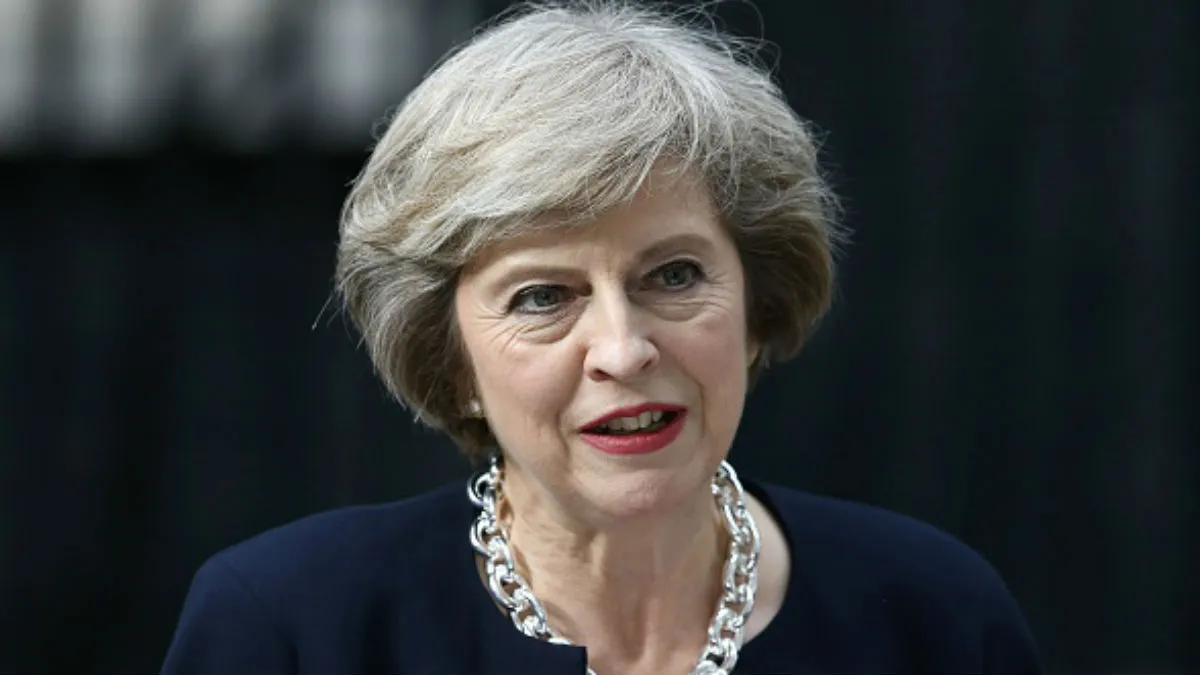
Theresa May has restated her commitment to "reforming capitalism", beginning with a reported "clampdown" on the use of offshore tax havens.
Both The Times and the Daily Mail report that senior Whitehall officials in the government's "policy unit" have been told to draw up plans to tackle abuses of the tax system, perhaps in time to be unveiled at the Conservative Party conference in October.
In particular, says the Mail, the unit will look at the options to curb personal and corporate tax avoidance of the sort practised by Sir Philip Green and his family.
The Week
Escape your echo chamber. Get the facts behind the news, plus analysis from multiple perspectives.
Join more than 350,000 subscribers and keep yourself informed with a selection of The Week’s most interesting, enlightening and entertaining stories - plus daily puzzles.
Join more than 350,000 subscribers and keep yourself informed with a selection of The Week’s most interesting, enlightening and entertaining stories - plus daily puzzles.
The Times notes the Prime Minister will not comment on the highly-critical findings of a parliamentary investigation into the collapse of retailer BHS, which laid the blame squarely at the door of Green, until a Whitehall committee decides if he will lose his knighthood.
But it adds that in response to the publication, May's spokesman said she was "determined to curb 'irresponsible and reckless behaviour' by business bosses".
The joint parliamentary pensions and business committee report accused Green of taking hundreds of millions of pounds from BHS and leaving it on "life support" before hurriedly selling to an unsuitable purchaser.
It also criticised the family over its use of a network of offshore companies based in Monaco, saying they help to artificially reduce tax bills and corporate "transparency".
Sign up to get Today’s Best Articles in your inbox
A free daily email with the day’s biggest news and analysis – and the best features from TheWeek.com
There is no suggestion that the Green family has done anything illegal. In fact, as with the revelations contained in the massive Panama Papers leak earlier this year, that is precisely the problem.
In the wake of the revelations on the use of opaque tax havens, many of which are British territories, former prime minister David Cameron promised to boost transparency by introducing ownership registers for UK property and companies awarded government contracts.
However, he failed to secure the signatures of any of the tax havens themselves, prompting criticism that the measures did not go far enough.
The Organisation for Economic Cooperation and Development has proposed a shake-up of global tax laws based around disclosure while a "Google tax" in the UK aims at stopping companies using offshore entities to reduce their bills.
There has as yet, however, been little hard evidence that these measures have sufficient teeth to ensure companies and wealthy individuals are not able to exploit loopholes.