What will the US economy look like in 2026?
Wall Street is bullish, but uncertain

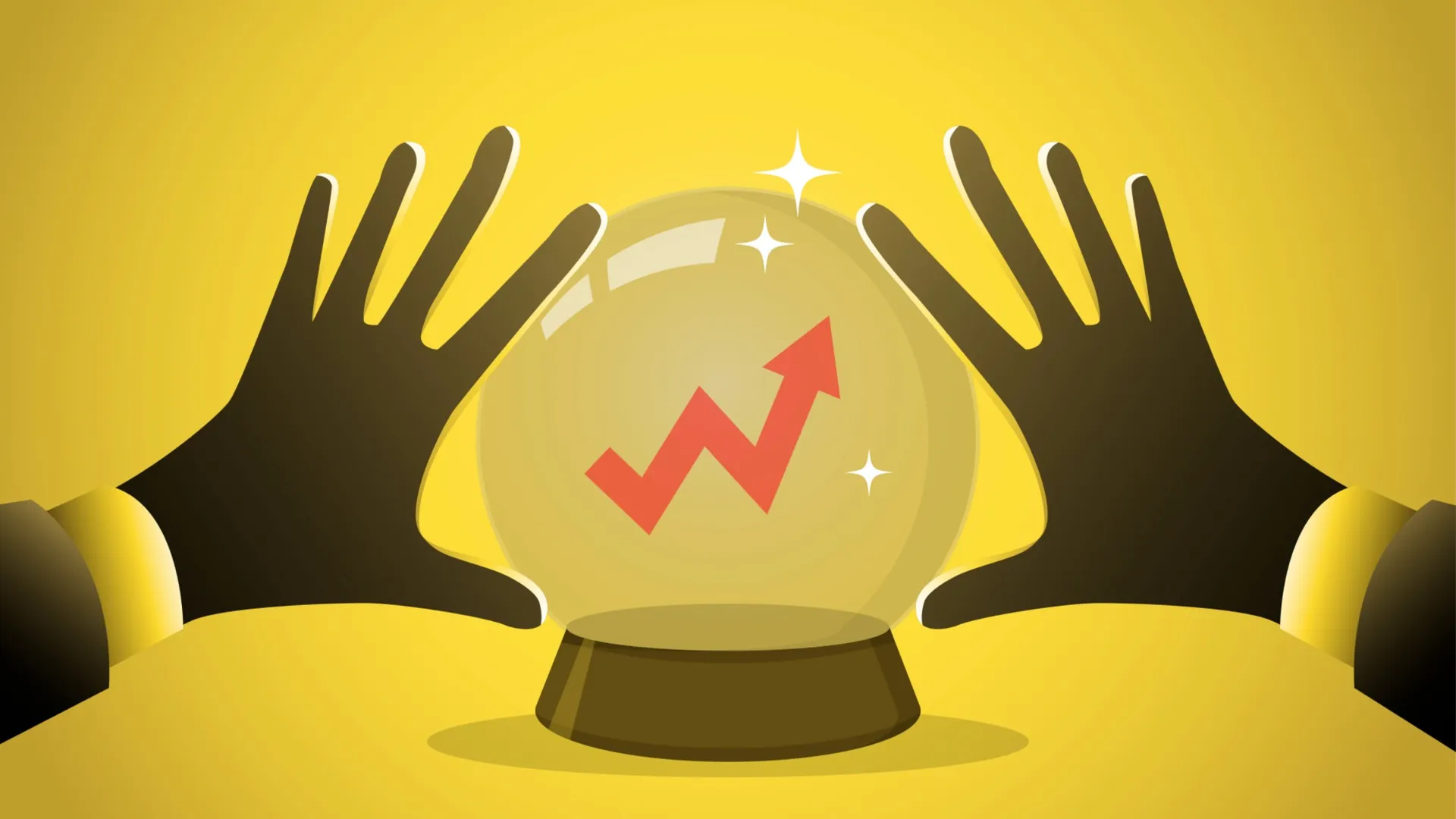
The American economy at the end of 2025 looks very different from a year ago. Tariffs are higher, AI occupies a greater share of overall spending, and the federal government under President Donald Trump is demanding a greater say in how businesses are run. All that change leaves observers uncertain about what 2026 will bring.
Wall Street is “generally pretty bullish” heading into the new year, said Fortune. The “massive stimulus” unleashed by Trump’s “One Big Beautiful Bill” should kick in in 2026, giving analysts reason for optimism. But those same observers say the “conditions for success” in the American economy are “getting narrower and narrower.” Many of the good vibes are “derived from the promise of AI,” even though there are “questions mounting” about whether massive investment in the sector will pay off. The one word to describe the economy heading into 2026: “precarious.”
The Week
Escape your echo chamber. Get the facts behind the news, plus analysis from multiple perspectives.

Sign up for The Week's Free Newsletters
Join more than 350,000 subscribers and keep yourself informed with a selection of The Week’s most interesting, enlightening and entertaining stories - plus daily puzzles.
Join more than 350,000 subscribers and keep yourself informed with a selection of The Week’s most interesting, enlightening and entertaining stories - plus daily puzzles.
What did the commentators say?
What next?

-
-
 talking pointsA leadership power vacuum may await Republicans
 -
 QUOTE OF THE DAY‘What kind of culture looks at sexual violence and sees an opportunity for profit? This is rape culture. And it should disturb every single one of us.’
 -
 today’s big questionHow long can US consumers continue their spending spree?
-
-
-
talking pointsA leadership power vacuum may await Republicans
-
QUOTE OF THE DAY‘What kind of culture looks at sexual violence and sees an opportunity for profit? This is rape culture. And it should disturb every single one of us.’
-
today’s big questionHow long can US consumers continue their spending spree?
-