Sign up to get Today’s Best Articles in your inbox
Join 350,000+ subscribers and keep yourself informed with a selection of
The Week’s most interesting, enlightening and entertaining stories - plus daily puzzles.
You are now subscribed
Your newsletter sign-up was successful
Want to add more newsletters?
An account already exists for this email address, please log in.
Bodies of 87 elephants found near Botswana sanctuary
Charity blames gruesome find on ‘poaching frenzy’ in months since disarming of rangers
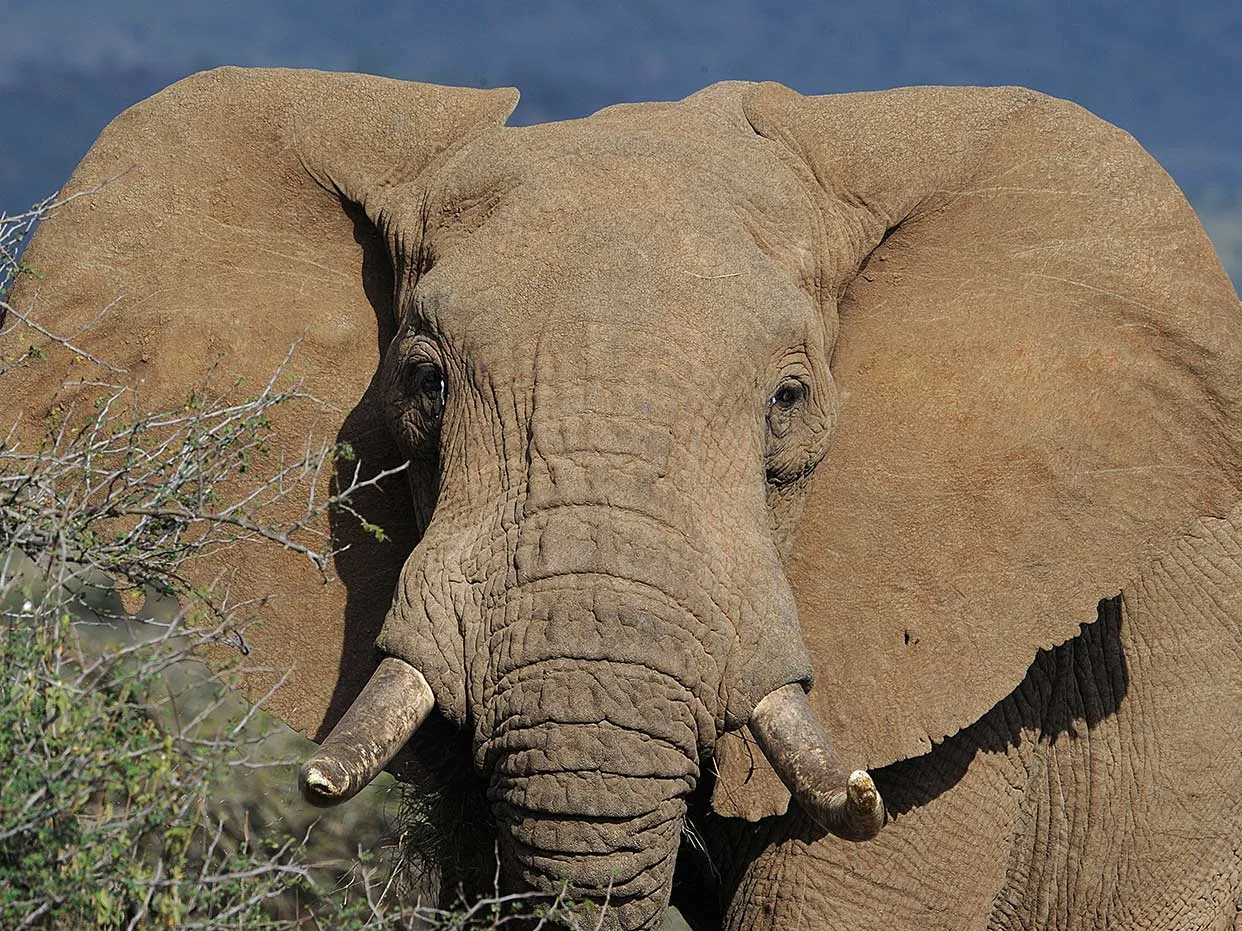
Dozens of elephants have been found dead near a wildlife reserve in Botswana, months after the country defanged its anti-poaching taskforce.
Conservation charity Elephants Without Borders (EWB) uncovered the gruesome scene after conducting an aerial survey of the area around the Okavango Delta wildlife sanctuary in northern Botswana.
An incident report written by EWB’s Dr Mike Chase and seen by US news service NPR said that the horrifying discovery of 87 dead elephants was “indicative of a poaching frenzy” in the area that had been going on for some time.
The Week
Escape your echo chamber. Get the facts behind the news, plus analysis from multiple perspectives.
Join more than 350,000 subscribers and keep yourself informed with a selection of The Week’s most interesting, enlightening and entertaining stories - plus daily puzzles.
Join more than 350,000 subscribers and keep yourself informed with a selection of The Week’s most interesting, enlightening and entertaining stories - plus daily puzzles.
“All carcasses [were] presumed to be poached, because all of them had their skulls chopped to remove their tusks,” he wrote, adding that the poachers appeared to have tried to hide their crimes by “concealing the mounds of rotting flesh with drying bushes”.
According to the Great Elephant Census, elephant populations in Africa are declining at the rate of around 8% per year, “primarily due to poaching”.
Chase told the BBC he was “astounded” by the scale of slaughter, which the broadcaster says “coincides with Botswana's anti-poaching unit being disarmed” with no explanation.
In May, the government announced that the Department of Wildlife and National Parks’ anti-poaching officers would no longer carry weapons, a sharp break from its previous “shoot to kill” policy on poaching.
Sign up to get Today’s Best Articles in your inbox
A free daily email with the day’s biggest news and analysis – and the best features from TheWeek.com
Botswana’s zero tolerance approach allowed it to escape the worst of the poaching scourge decimating populations across the continent. More than a third of Africa’s remaining 352,271 elephants are found in Botswana, giving it a reputation as the “last sanctuary” for elephants, says the BBC - a status that now hangs in the balance.
“We have the world's largest elephant population and it's open season for poachers,” Chase warned.
“This requires urgent and immediate action by the Botswana government.”