Why U.S. oil ought to be left in the ground
Sure, there were good political reasons to allow drilling in the Atlantic. But Obama made a huge blunder when it comes to global warming, says The Economist
A free daily email with the biggest news stories of the day – and the best features from TheWeek.com
You are now subscribed
Your newsletter sign-up was successful
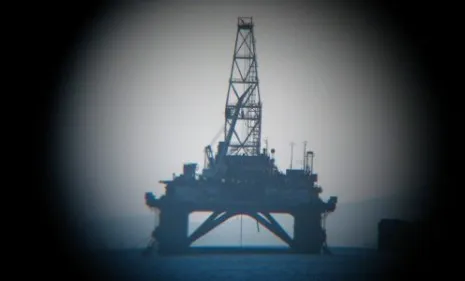
Obama's decision to open up vast swaths of the Atlantic and Arctic oceans to oil and gas exploration sets a very bad precedent for other countries when it comes to dealing with climate change, argues the Economist's "Democracy in America" blog:
"Some of those who object to Barack Obama's decision to open up America's south-central Atlantic coast to oil drilling say it makes neither environmental nor political sense. I disagree with the last part; the political logic is reasonable enough.
"As energy or environmental policy [though ...], the fundamental problem is this: there is a finite amount of fossil fuel. The more of it we find and burn, the more carbon we put into the atmosphere, and the more severe the greenhouse effect becomes. [...] If we want to limit climate change, what we have to do, one way or another, is to leave fuels in the ground wherever possible, not find and burn them. [...]
Article continues belowThe Week
Escape your echo chamber. Get the facts behind the news, plus analysis from multiple perspectives.
Sign up for The Week's Free Newsletters
From our morning news briefing to a weekly Good News Newsletter, get the best of The Week delivered directly to your inbox.
"The world's richest country should have the easiest time of shifting to alternative energy sources and leaving some of that carbon lying in the ground. It's very discouraging that political considerations would push it to do otherwise."
A free daily email with the biggest news stories of the day – and the best features from TheWeek.com
