Sign up to get Today’s Best Articles in your inbox
Join 350,000+ subscribers and keep yourself informed with a selection of
The Week’s most interesting, enlightening and entertaining stories - plus daily puzzles.
You are now subscribed
Your newsletter sign-up was successful
Want to add more newsletters?
An account already exists for this email address, please log in.
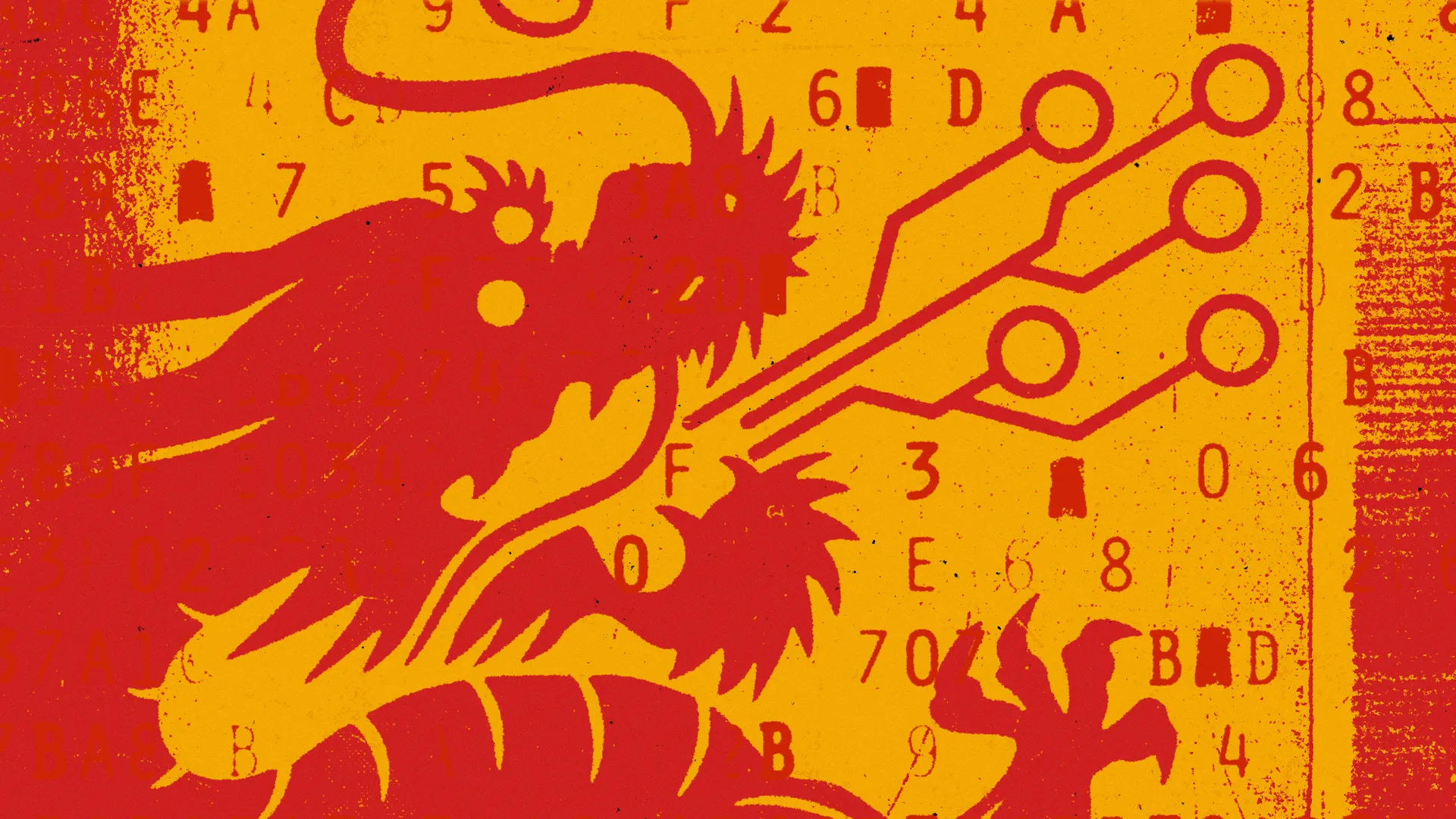
As American tech firms pile billions into AI products, their Chinese counterparts are experiencing what some analysts have long warned might be coming: a bubble that pops, with both enormous sums and international clout at risk. What does China’s already-burst AI bubble mean for this burgeoning industry — and what could happen next?
Why is China’s AI economy unique?
China’s artificial intelligence boom has “crashed,” said Reuters, as “lofty valuations collapse under worries about AI demand” and limits on Chinese exports. In addition to “tanking” China’s STAR50 index of AI and semiconductor leaders plus “vaporising some $480 billion in market value” over the past several months, the bursting bubble is an “ill omen for wobbly world markets.” Beijing’s efforts at “encouraging its savers into stocks to fund the AI boom” are also vulnerable.
China’s “AI exuberance” may “already have come and gone,” said the Financial Times. The shift in part stems from differences between American and Chinese AI industries. Western firms have “focused on charging for access” to their proprietary AI models, while Chinese labs are “more comfortable giving away the model and charging for access to processing power.” China’s “‘open-weight’ models” have led to “intense price competition” on both sides of the Pacific, raising questions about whether revenue can “support the level of investment required to develop ever more powerful models.” Sliding Chinese tech stocks reflect a “repricing of crowded AI trades, weak domestic demand and the lack of stimulus,” said Gary Ng, a senior economist at Natixis Corporate & Investment Bank, to CNN.
The Week
Escape your echo chamber. Get the facts behind the news, plus analysis from multiple perspectives.
Join more than 350,000 subscribers and keep yourself informed with a selection of The Week’s most interesting, enlightening and entertaining stories - plus daily puzzles.
Join more than 350,000 subscribers and keep yourself informed with a selection of The Week’s most interesting, enlightening and entertaining stories - plus daily puzzles.
Wall Street is funding America’s AI build-out “in real time,” said NPR, and China’s bubble collapse raises the question of whether the U.S. might be “close behind.” China’s stock dive “offers a cautionary tale,” as insiders warn an “abrupt collapse of the debt-fueled AI boom” could have deleterious effects worldwide, said CNN. For now, “strict controls” limiting foreign investment into Chinese markets mean the current stock slip is “unlikely to trigger significant spillovers into global markets.”
Sign up to get Today’s Best Articles in your inbox
A free daily email with the day’s biggest news and analysis – and the best features from TheWeek.com
Rafi Schwartz has worked as a politics writer at The Week since 2022, where he covers elections, Congress and the White House. He was previously a contributing writer with Mic focusing largely on politics, a senior writer with Splinter News, a staff writer for Fusion's news lab, and the managing editor of Heeb Magazine, a Jewish life and culture publication. Rafi's work has appeared in Rolling Stone, GOOD and The Forward, among others.