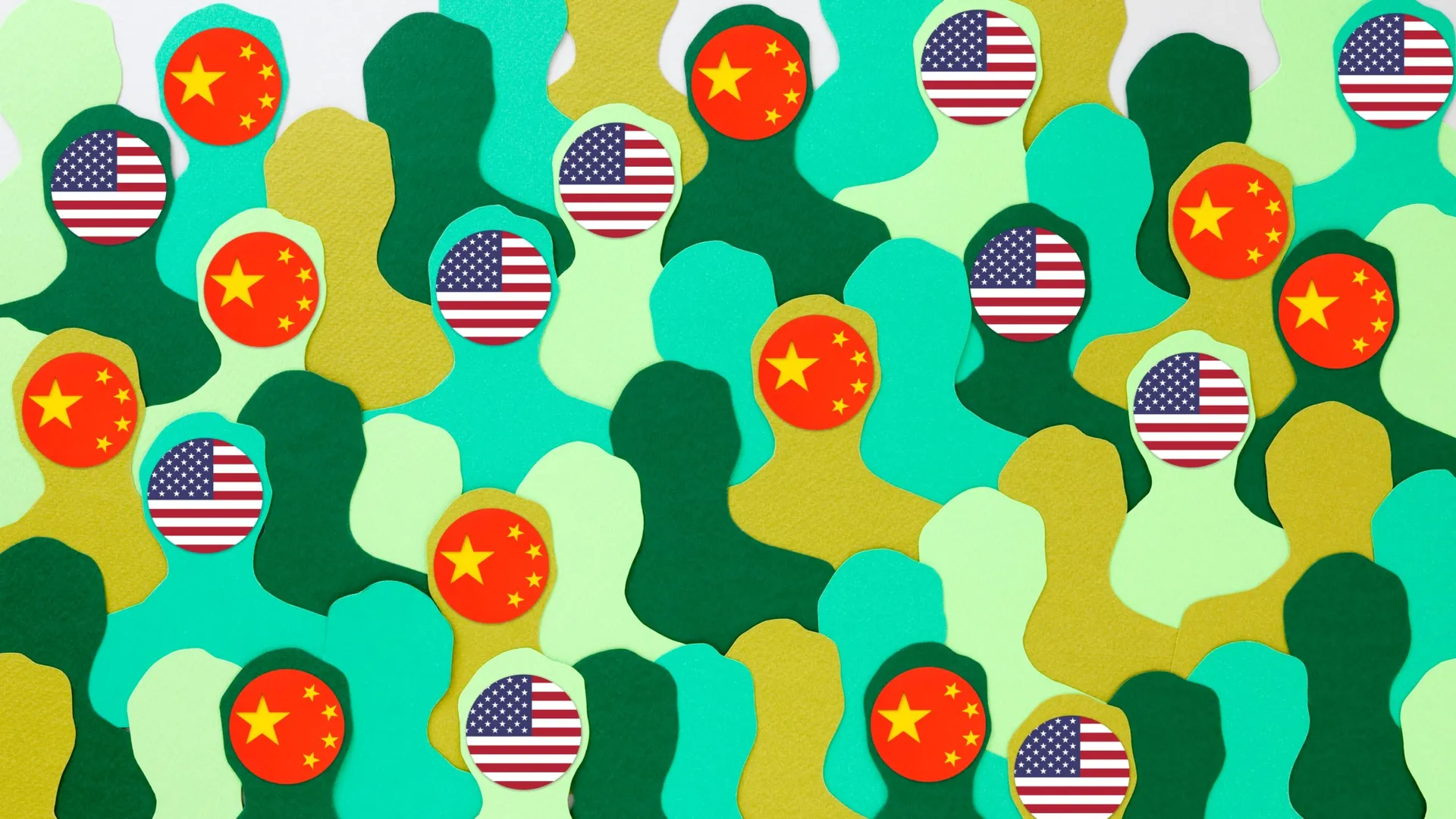
Even though relations between China and America remain tense, many young Americans’ perspectives seem to be shifting as they adopt Chinese cultural habits. The online trend, dubbed Chinamaxxing, has non-Chinese content creators singing the praises of their newfound Chinese identity. At the same time, the meme’s prevalence has prompted some members of the Chinese diaspora to push back.
‘China’s growing soft power’
For social media users, Chinamaxxing translates to acting increasingly more Chinese. The trend can include “drinking hot water instead of iced lattes, wearing house slippers indoors or embracing traditional Chinese skin care routines,” said NPR. TikTok and Instagram users have taken to saying they are entering a “very Chinese time” in their lives.
The trend has been “amplified by Chinese diaspora influencers” such as Sherry Zhu, who shares “herbal skin care recipes and advice on becoming a Chinese ‘baddie,’” said NPR. Though it began as “niche lifestyle content,” the trend has since “spilled into celebrity PR stunts by the likes of Timothée Chalamet playing ping-pong in Chengdu and mainstream cultural debates.”
The Week
Escape your echo chamber. Get the facts behind the news, plus analysis from multiple perspectives.
SUBSCRIBE & SAVE
Sign up for The Week's Free Newsletters
Join more than 350,000 subscribers and keep yourself informed with a selection of The Week’s most interesting, enlightening and entertaining stories - plus daily puzzles.
Join more than 350,000 subscribers and keep yourself informed with a selection of The Week’s most interesting, enlightening and entertaining stories - plus daily puzzles.
Latest Videos FromThe Week US
It’s probably not an accident that Chinamaxxing has been popularized on TikTok, said Shaoyu Yuan, a scholar who studies Chinese soft power, to NPR. Soft power is the ability to influence international relations through attraction and persuasion rather than coercion. The social media app has an impact on multiple levels. One content stream weakens “American narrative authority by highlighting content that highlights U.S. dysfunction,” while another “makes China look more attractive.”
The meme is not “bound by nationality or ethnicity; anyone can be Chinese if they wish,” said The New York Times. “And right now, many do.” As Labubus and other “Chinese cultural exports” win over global audiences, experts say that the spread of “being Chinese” memes may “signal China’s growing soft power abroad.” For some American content creators, the memes are also a “wry expression of disillusionment with politics at home.”
It’s “partly meme logic,” but it’s also a “sign of growing cultural cachet,” said Yuan to the Times. The memes reflect a “broader shift, in which online audiences are developing a new level of familiarity with China as they engage with it through lifestyle trends and aesthetics” rather than as the “geopolitical rival and security threat it’s often portrayed as" in the U.S.
‘Orientalism by any other name’
The trend has sparked mixed reactions from the Chinese diaspora, with some “worried about the potential for cultural appropriation,” said The Guardian. Even Zhu is concerned about non-Chinese creators reducing traditional medicine to a wellness fad. “I don’t want people to forget the benefits that my culture is providing,” she said to NPR. It comes from China. It’s not “coming from somewhere else.”
Chinamaxxing seemed to reach its peak during Lunar New Year in February. Related advice from non-Chinese creators felt like a direct challenge to the identity of those within the diaspora, said Jenny Lau, the author of “An A-Z of Chinese Food (Recipes Not Included),” to The Guardian. Chinamaxxing is “Orientalism by any other name.”
In 2026, it’s “apparently cool to be Chinese,” said Cherie Wong, a Hong Kong Canadian activist, in an Instagram video. But before “white people claim they are drinking hot water” and in a “very Chinese time, I’mma need you to stop.” A very Chinese time in “my ancestry was my grandparents seeing all their schoolteachers get executed for being intellectuals.”