Sign up to get Today’s Best Articles in your inbox
Join 350,000+ subscribers and keep yourself informed with a selection of
The Week’s most interesting, enlightening and entertaining stories - plus daily puzzles.
You are now subscribed
Your newsletter sign-up was successful
Want to add more newsletters?
An account already exists for this email address, please log in.
FBI email server hacked; attackers pin blame on cybersecurity consultant
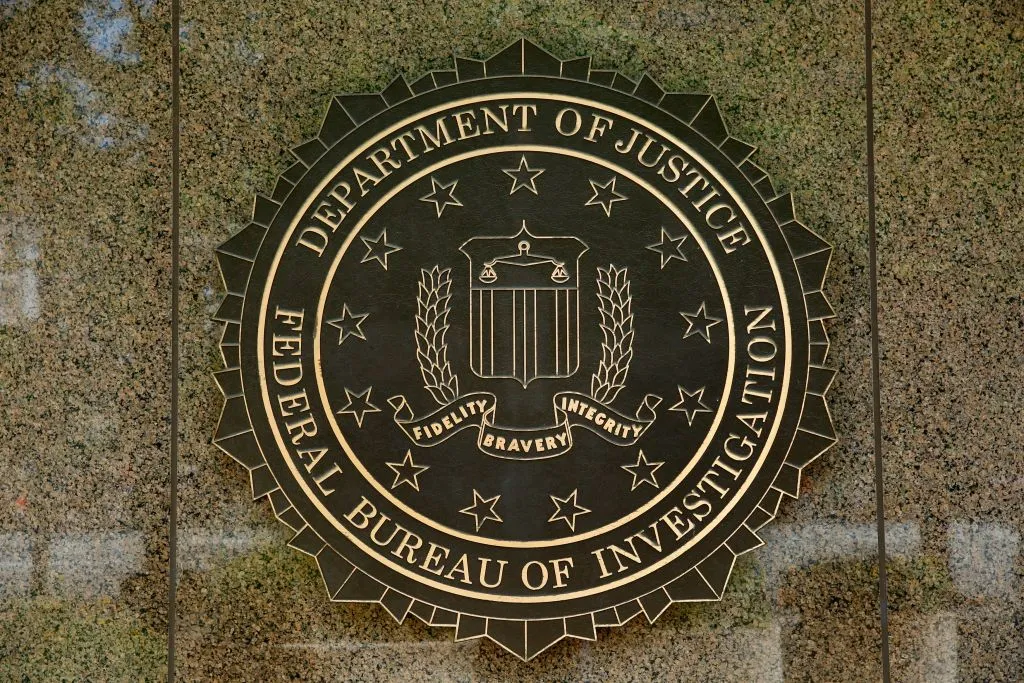
The FBI confirmed Saturday that its servers had been hacked and fraudulent spam emails were sent to more than 100,000 people, The Washington Postreported.
These emails, which were sent to publicly listed web administrators, warned of an imminent cyber attack orchestrated by hacker group TheDarkOverlord and "white hat" cybersecurity consultant Vinny Troia.
The text of the email mistakenly identified the FBI as part of the U.S. Department of Homeland Security rather than the Department of Justice. It also used highly technical jargon, including references to "virtualized clusters" and "fastflux technologies," and contained several spelling and grammatical errors.
The Week
Escape your echo chamber. Get the facts behind the news, plus analysis from multiple perspectives.
Join more than 350,000 subscribers and keep yourself informed with a selection of The Week’s most interesting, enlightening and entertaining stories - plus daily puzzles.
Join more than 350,000 subscribers and keep yourself informed with a selection of The Week’s most interesting, enlightening and entertaining stories - plus daily puzzles.
The FBI said in a statement Sunday morning that they "are not able to provide any additional information at this time." Troia, however, has suggested the hack was intended as vengeful smear campaign against him. Troia's company, Night Lion Security, published a report last year that identified by name several members of the hacker group with which the spam emails claimed Troia was affiliated.
In 2017, TheDarkOverlord carried out ransomware attacks against Disney and Netflix and forced school closures by threatening the lives of students from several U.S. school districts.
Sign up to get Today’s Best Articles in your inbox
A free daily email with the day’s biggest news and analysis – and the best features from TheWeek.com
Grayson Quay was the weekend editor at TheWeek.com. His writing has also been published in National Review, the Pittsburgh Post-Gazette, Modern Age, The American Conservative, The Spectator World, and other outlets. Grayson earned his M.A. from Georgetown University in 2019.