The Week The Week
flag of US
US
flag of UK
UK
https://cdn.mos.cms.futurecdn.net/flexiimages/jacafc5zvs1692883516.jpg

SUBSCRIBE & SAVE

Less than $3 per week

Sign in
  • View Profile
  • Sign out
  • The Explainer
  • The Week Recommends
  • Newsletters
  • Cartoons
  • From the Magazine
  • The Week Junior
  • Student Offers
  • More
    • Politics
    • World News
    • Business
    • Health
    • Science
    • Food & Drink
    • Travel
    • Culture
    • History
    • Personal Finance
    • Puzzles
    • Photos
    • The Blend
    • All Categories
  • Newsletter sign up Newsletter
  • The Week Evening Review
    The Crimea onslaught, devolution, and xenophobia in South Africa

     
    TODAY’S BIG QUESTION

    How will Russia react to the Crimea onslaught?

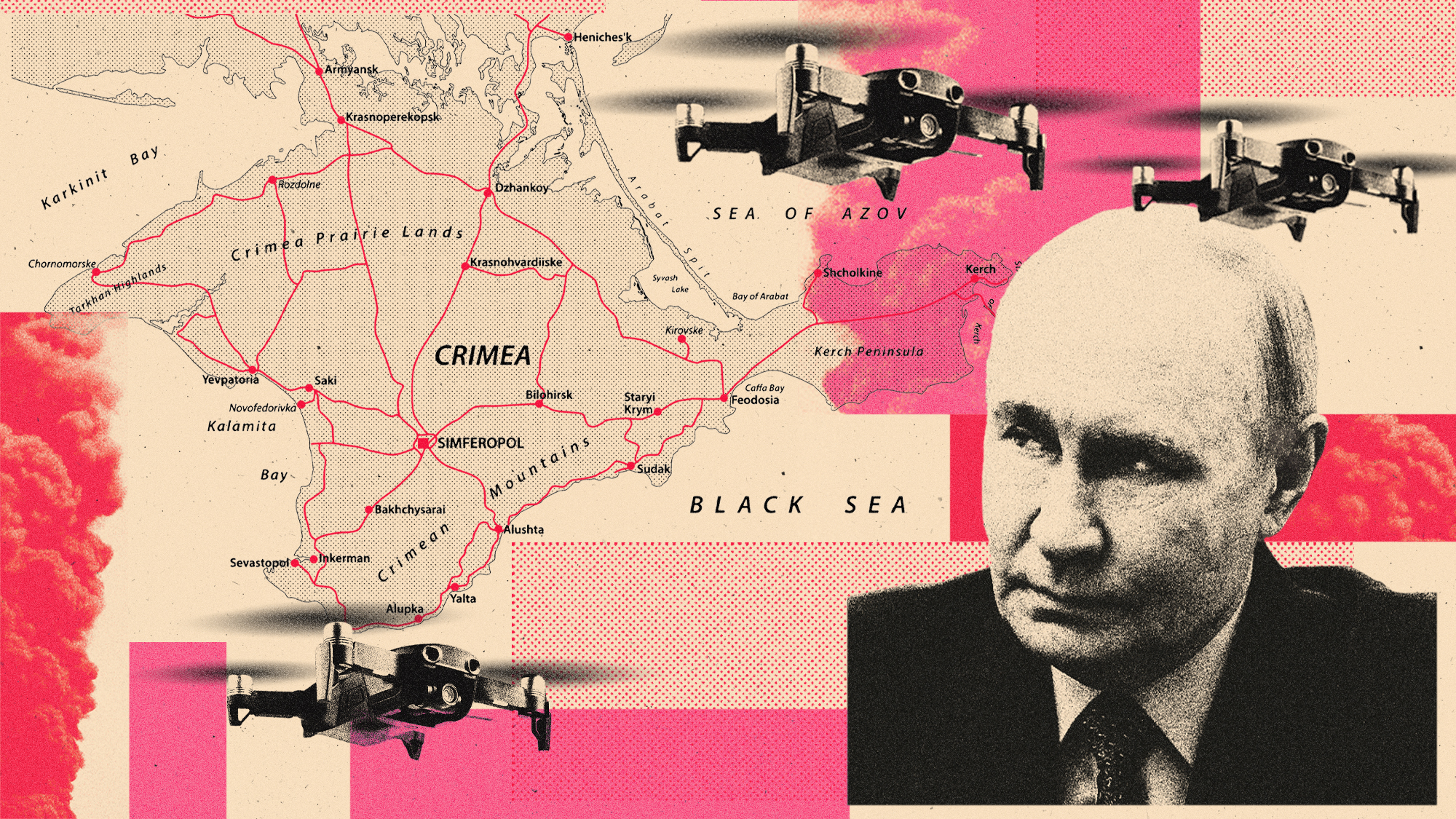
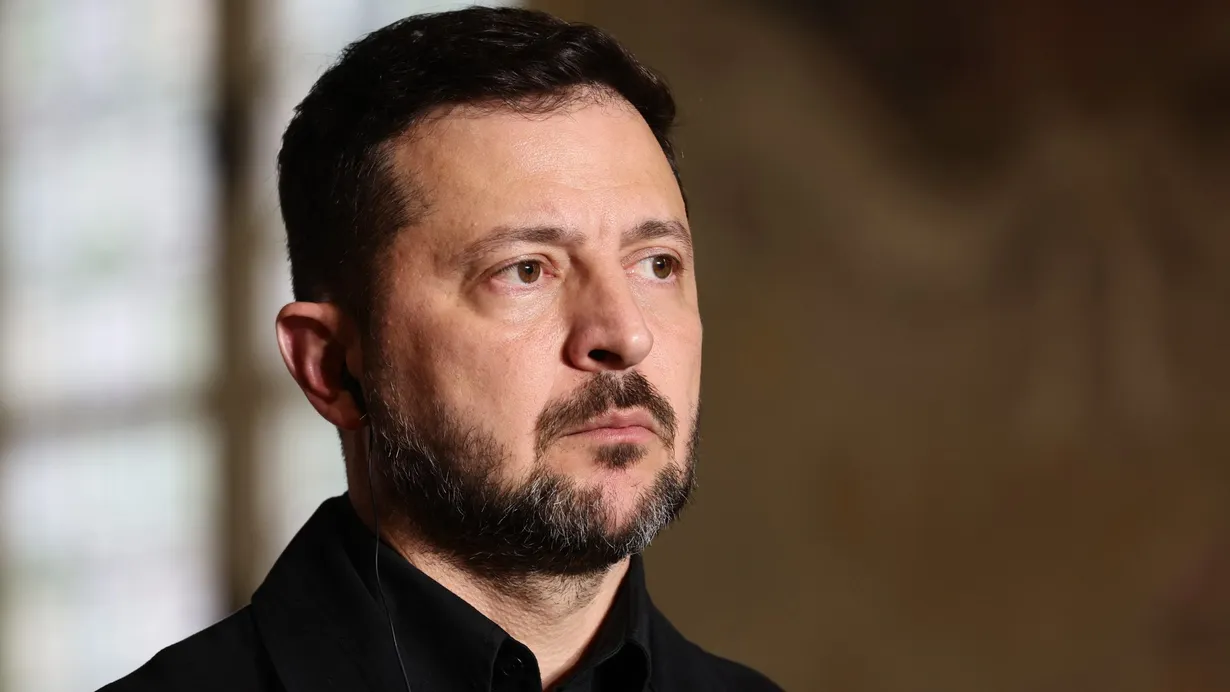
    A sustained Ukrainian drone and missile blitz on Russian-occupied Crimea has forced the Kremlin to declare a state of emergency on the peninsula. Vladimir Putin has taken the rare step of acknowledging fuel shortages, admitting that there was only “a few days’ supply” left in Crimea, though he was “confident” more fuel would be brought in soon.

    The offensive has “upended life in Crimea and undercut its image as a showcase of Putin’s imperial ambitions” in Ukraine, said The Wall Street Journal. Although he has “poured money into the peninsula”, locals say “basic services” like kindergartens, rubbish collection and ATMs have now “stopped functioning”.

    What did the commentators say?
    Ukraine’s offensive coincides with the approach of September’s Russian parliamentary elections, forcing the Kremlin to “maintain a strict sense of composure”, said The Wall Street Journal. Putin will want to prevent political tensions “from rising” over the situation in Crimea, framing the Ukrainian strikes as an effort to break Russia’s morale.

    “There is a new confidence in Kyiv, just as many in Russia are growing pessimistic,” said Mark Galeotti in The Times. But the “outcome” of Ukraine’s latest campaign successes may be “rather less predictable and controllable” than Volodymyr Zelenskyy “seems to think”.

    Some “pragmatists” in Moscow feel that the war has “reached a point of diminishing returns” for the Kremlin, which should now freeze the conflict along current lines and “declare victory”. But there is also a “maximalist camp” calling for “escalation”: the “mobilisation of hundreds of thousands of reservists”; the “deployment of conscripts”, and “more aggressive covert operations” against the factories in Europe that are supplying Kyiv with weapons.

    It “may be a mistake” to conclude that what’s happening in Crimea will “force the Kremlin to yield”, said Matthew Chance on CNN. Putin has built an “image as an uncompromising leader”, which makes “capitulation, retreat or even compromise in Ukraine incredibly unlikely and difficult for him to pull off”.

    What next?
    In the worst-case scenario, a pressured Putin, “egged on” by hardliners,  “does something particularly stupid, such as escalating attacks on Kyiv or even using tactical nuclear weapons”, said The Telegraph. The Russian foreign ministry has already alluded to the possibility of unspecified “systematic strikes”. When Nato leaders meet in Ankara in a fortnight’s time, they “need to be ready for a potential showdown with Moscow”.


    THE EXPLAINER

    What we know about Andy Burnham’s devolution plans

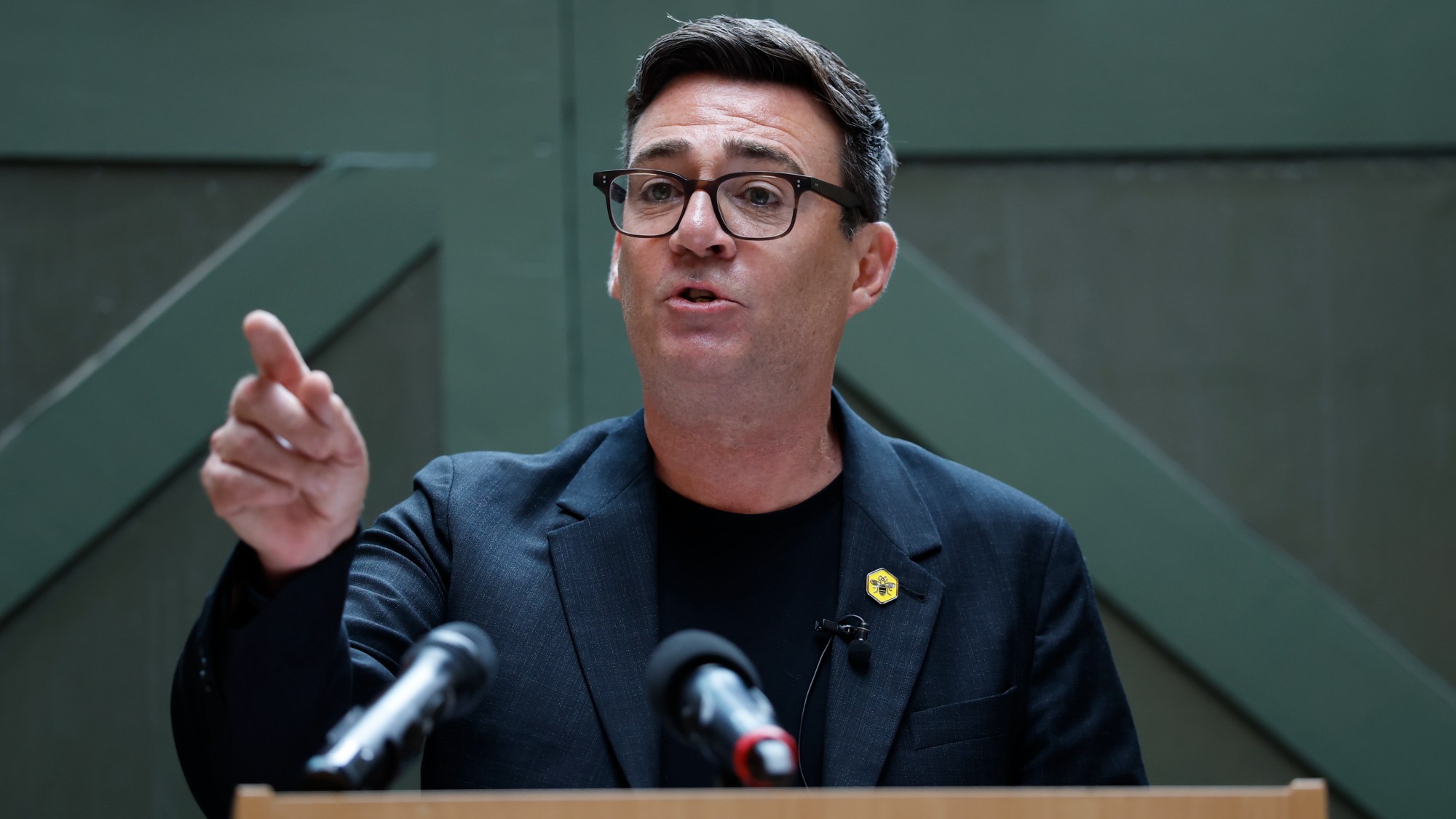
    In his first speech as prime minister in waiting, Andy Burnham promised to achieve “good growth in every postcode” and spearhead the “biggest rebalancing of power” in political history. Keir Starmer announced his own “devolution revolution” in 2024, but Burnham aims to move even more influence away from Westminster towards other regions of the UK to drive more balanced economic growth.

    Many English cities and regions already have devolved powers, with Manchester benefitting from some of the “most extensive”, said the BBC. It has significant control over local transport, housing and strategic planning decisions. Northern Ireland and Wales have long had autonomy over health, education and housing policies, among others, with the Senedd also managing local government. In Scotland, Holyrood controls health, education, local government, environment, justice and policing. It can also set some income tax rates and has some control over welfare policy.

    What has Burnham proposed?
    Burnham said he would create a “No. 10 North”, a new prime minister’s office based in Manchester and acting as the “nerve centre of a rewired Britain”. It would support regional powers in delivering a nationwide agenda of re-industrialisation, regeneration, and reform of essential services.

    Local authorities would be offered greater control over key utilities such as water, energy and transport. Burnham’s advisers have also “floated ideas” about allowing local authorities to introduce local income tax, and to set and retain business rates, mirroring similar regional policies in Denmark, Sweden and Canada, said Bloomberg.

    What is the aim?
    The UK is one of the most centralised economies among developed nations. In 2023, the share of UK tax revenue generated at a subnational level – by regions below the central government – was less than 5%, according to the OECD. This compares poorly with France (14%), Spain (24%) and Germany (nearly one third). “Regions tend to do better when they raise more of their own revenue,” said Bloomberg.

    If Burnham’s devolution policies prove successful, the “big prize” would be a rise in nationwide GDP. Should the rest of the UK come even halfway to matching London’s productivity levels, the economy would be “at least 4% larger”, according to PwC analysis from 2019.


    QUOTE OF THE DAY

    “It always stinks to lose, especially at Wimbledon.”

    British men’s No.1 Cameron Norrie tells reporters it was “tough” to be knocked out at his “favourite tournament in the world”, after he and a record nine other British tennis players crashed out of Wimbledon on day one.


    Poll watch

    A majority of US psychologists (77%) say their patients have talked about using AI for mental health reasons. In a survey of 1,200 licensed psychologists by the American Psychological Association, 39% said patients used the technology to self-diagnose, 34% for behavioural reminders and 33% to aid therapy or treatment.


    IN THE SPOTLIGHT

    South Africa’s ‘deadline’ for immigrants to leave

    Xenophobia has long been an issue in South Africa but it has now swelled into a rising tide of anti-migrant protests. Several anti-immigration groups have set their own unofficial deadline for all undocumented migrants to leave South Africa by today. 

    ‘They must go’
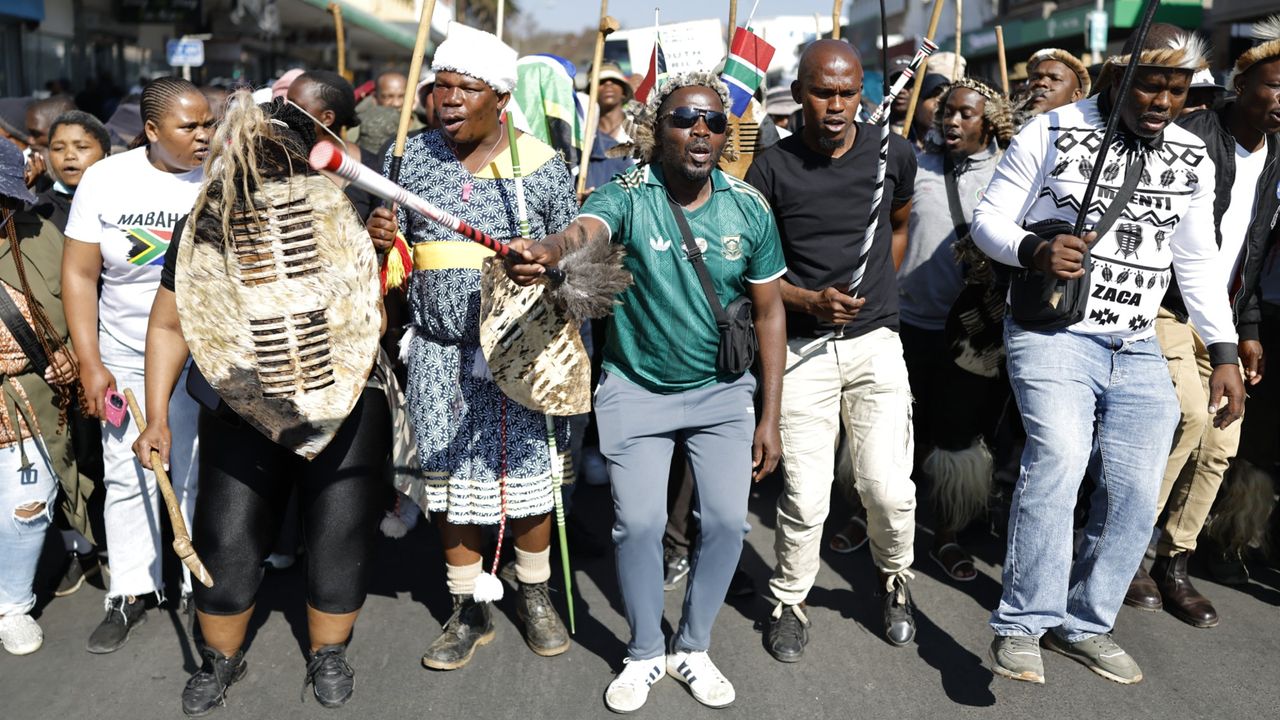
    For several months, “anti-immigrant protesters, many brandishing sticks, have been marching through the streets”, said NPR. Many of them chant “abahambe”, a Zulu phrase meaning “they must go”. Some of the protests have turned “violent”, with marchers “targeting foreign nationals” and South Africans “mistaken” for migrants, said News24. The “widely publicised deadline” of 30 June has “heightened tensions”, despite national and local authorities repeatedly warning that  “immigration enforcement remains the responsibility of the state”.

    Police units have been deployed to towns and cities holding marches. Several neighbouring nations have begun repatriating their citizens, “while criticising South Africa for what they call a climate of xenophobia”, said The Associated Press.

    ‘Socioeconomic damage’
    Migrants remain a small proportion of the total population: around 4%, according to the most recent census figures from 2022. But the protesters claim the country is “overrun with illegal immigrants who take jobs away from South Africans, ‌use up scarce public services and are responsible for high crime rates”, said Reuters.

    Undocumented migrants are actually “highly unlikely to try to use public hospitals or schools, for which they must register, for fear of being found out”, Anthony Kaziboni, a senior researcher at ​the University of Johannesburg, told Reuters. Nonetheless, the “current protests are already causing socioeconomic damage”, said Deutsche Welle.

    And some fear more violence is coming. Kaunga Nyirenda, a Malawian gardener in Johannesburg, told CNN about the ultimatum he received from two angry men: “When are you going to leave the country? If you don’t leave now, you are going to leave in a coffin.”


    Good day 📱

    … for very private messaging, after WhatsApp revealed a new feature allowing users to chat without revealing their phone number. Instead, optional unique usernames will be rolled out over the coming months.


    Bad day 🌱

    … for botanic brawls, after a Brazilian biologist who uses Taylor Swift’s music videos to teach her students about plants accused a Spanish university of appropriating her teaching methods without giving her proper credit. Gláucia Silva, from the Federal University of Rio Grande do Norte, is considering legal action against Miguel Hernández University.


    PICTURE OF THE DAY

    Shock victory

    Paraguay captain Gustavo Gomez and his teammates celebrate their win against Germany last night in one of this World Cup’s biggest upsets so far. Germany, who have won the tournament four times, lost to the South American side after a 4-3 penalty shoot-out at Boston Stadium.

    Alexander Hassenstein / Getty Images


    Puzzles

    Chain Word

    Try The Week’s new daily word challenge in our puzzles and quizzes section

    Play here


    THE WEEK RECOMMENDS

    The best Scottish islands for a scenic coolcation

    Scotland has around 800 islands, although only about 100 are inhabited. Most make beautiful spots for full-on nature immersion or a foodie break in a spectacular setting. Here are some of the best...

    Islay, Inner Hebrides
    The island is known for its distinctive, peaty whiskies, and is home to a “whopping” 14 distilleries, said Robin McKelvie in The Telegraph. One of them, Ardnahoe, is the “stuff of ‘Grand Designs’”, with “floor-to-ceiling windows sweeping out to the water”: stop by for a delicious lunch with whisky pairings. Book a room at the Port Charlotte Hotel, which “feels like living in a postcard”.

    Isle of Harris, Outer Hebrides
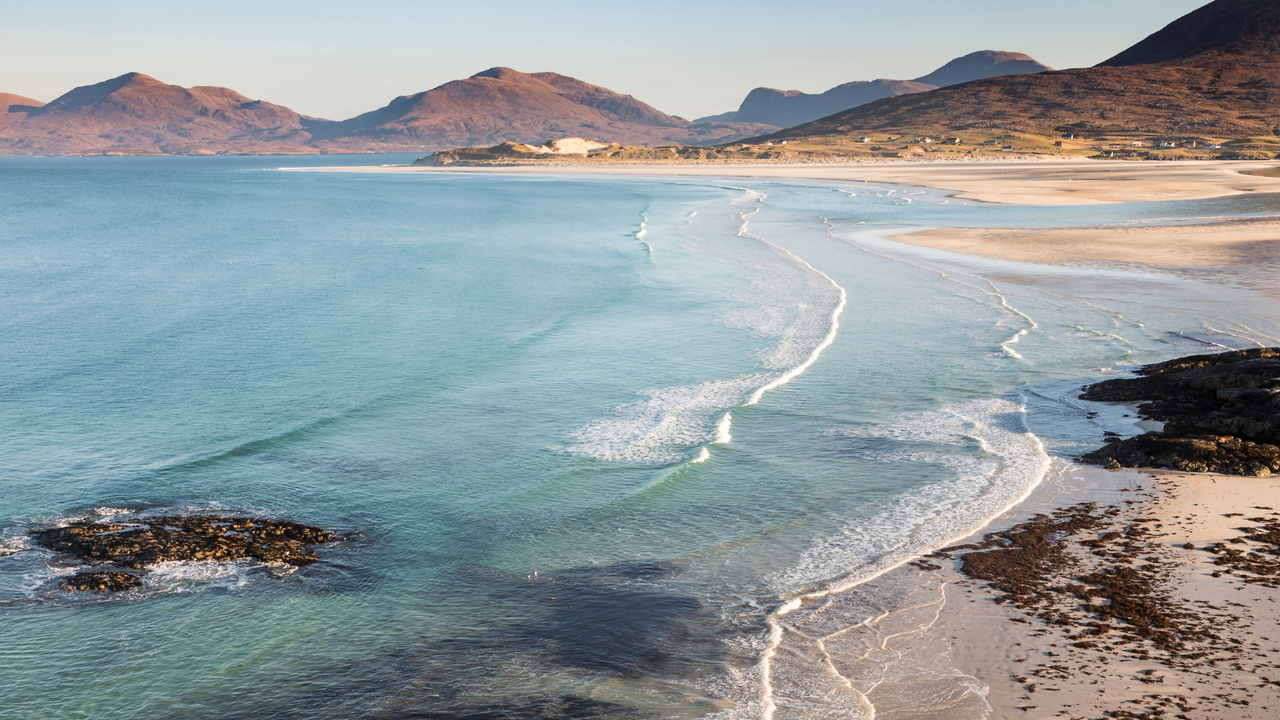
    If you’re looking for “blissful isolation” and stunning scenery, make a pilgrimage here, said Ted Thornhill in The Independent. Luskentyre (pictured above) is one of the best beaches in the world: an “outrageous sweep of golden sand” that’s “almost totally deserted”. The rest of the west coast is filled with beautiful sandy stretches that wouldn’t look out of place in the Maldives, while the east coast is a “lunar-like landscape pockmarked with tiny lochs”.

    Orkney Mainland
    On Mainland, the largest island in the Orkneys, the Heart of Neolithic Orkney network of 5,000-year-old monuments “blows Stonehenge out of the prehistoric water”, said McKelvie in The Telegraph. And there are other “showstopping” landmarks to explore, including Maeshowe, where you can take a guided tour “down the long dark tunnel into the ancient burial cairn illuminated with Viking graffiti”.


    Statistic of the day

    $30 million: The cost of Nasa’s rescue mission to save its sinking Swift Observatory telescope. Built and launched in 2004 to scan the cosmos for violent explosions, the observatory risks burning up as it is pulled into Earth’s atmosphere. Tomorrow, Nasa is due to send up a three-armed spacecraft to boost the telescope into a higher and more stable orbit.


    instant opinion

    Today’s best commentary

    Everyday racism is becoming a political norm
    Anoosh Chakelian in The New Statesman
    With “an old-school West Ham pub, a gay leather fetish bar and a mosque” all within two minutes’ walk, my flat sits at “the perfect confluence of east London communal life”, writes Anoosh Chakelian. But the “normalisation of everyday racism in high politics” poses an increasing threat to such “social harmony”. It’s “perhaps little wonder that attacks on visible minorities in Britain are rising” when “even mainstream politicians” are drifting towards the rhetorical extremism of Reform and Restore.

    Why English literature graduates shouldn’t be Prime Minister
    James Ford on City A.M.
    Andy Burnham looks set to be our first PM with an English literature degree, writes Boris Johnson’s former adviser, James Ford. “Heaven help us all.” I’m sure the MP for Makerfield “knows his Dickens from his Dostoevsky” and “can conjugate a mean verb”, but political leaders should have studied politics. In plumping for Hardy and Plath instead of “Plato, Hobbes and Machiavelli”, Burnham chose “fiction over facts”. That doesn’t “augur well for someone wanting to hold the highest office in the land”.

    Credit cards are 60 years old. Have they made us forget the value of money?
    Charles Moore in The Telegraph
    “The first British credit cards” arrived in 1966, writes Charles Moore. Their transactions since then have “created a much more prosperous country”, and “emancipated women” from being “judged on their husband’s credit” rather than their own. But I “worry a bit” about future generations, raised in a world where “almost everyone taps” at point of sale, and credit is granted “almost automatically”. With no “notes and coins”, money “has no physical reality”, so how will children “understand its limitations”?


    word of the day

    Greybeards

    Ford has “pivoted back to experienced human employees” after discovering that its newly deployed AI was “prone to pitfalls”, said The Times. Since bringing back 350 veteran technicians, or “greybeards”, to “train younger workers and the AI tools”, the US car manufacturer has “secured the top spot in an industry quality index” and saved “hundreds of millions of dollars through reduced warranty costs and recalls”.


    Evening Review was written and edited by Hollie Clemence, Rebecca Messina, Chas Newkey-Burden, Will Barker, Justin Klawans, Irenie Forshaw, Adrienne Wyper, David Edwards and Helen Brown, with illustrations from Stephen P. Kelly.

    Image credits, from top: illustration by Stephen P. Kelly / Getty Images; Jeff J. Mitchell / Getty Images; Marco Longari / AFP / Getty Images; Alexander Hassenstein / Getty Images; Jan Holm / Loop Images / Universal Images Group / Getty Images

    Morning Report and Evening Review were named Newsletter of the Year at the Publisher Newsletter Awards 2025
     

    Recent editions

    • Evening Review

      Nuclear’s new age

    • Morning Report

      Putin tries to wave off Ukraine drone ‘problems’

    • Sunday Shortlist

      Sincerity and hilarity

    VIEW ALL
    TheWeek
    • About Us
    • Contact Future's experts
    • Terms and Conditions
    • Privacy Policy
    • Cookie Policy
    • Advertise With Us
    • FAQ
    Add as a preferred source on Google Add as a preferred source on Google

    The Week is part of Future US Inc, an international media group and leading digital publisher. Visit our corporate site.

    © Future US, Inc. Full 7th Floor, 130 West 42nd Street, New York, NY 10036.