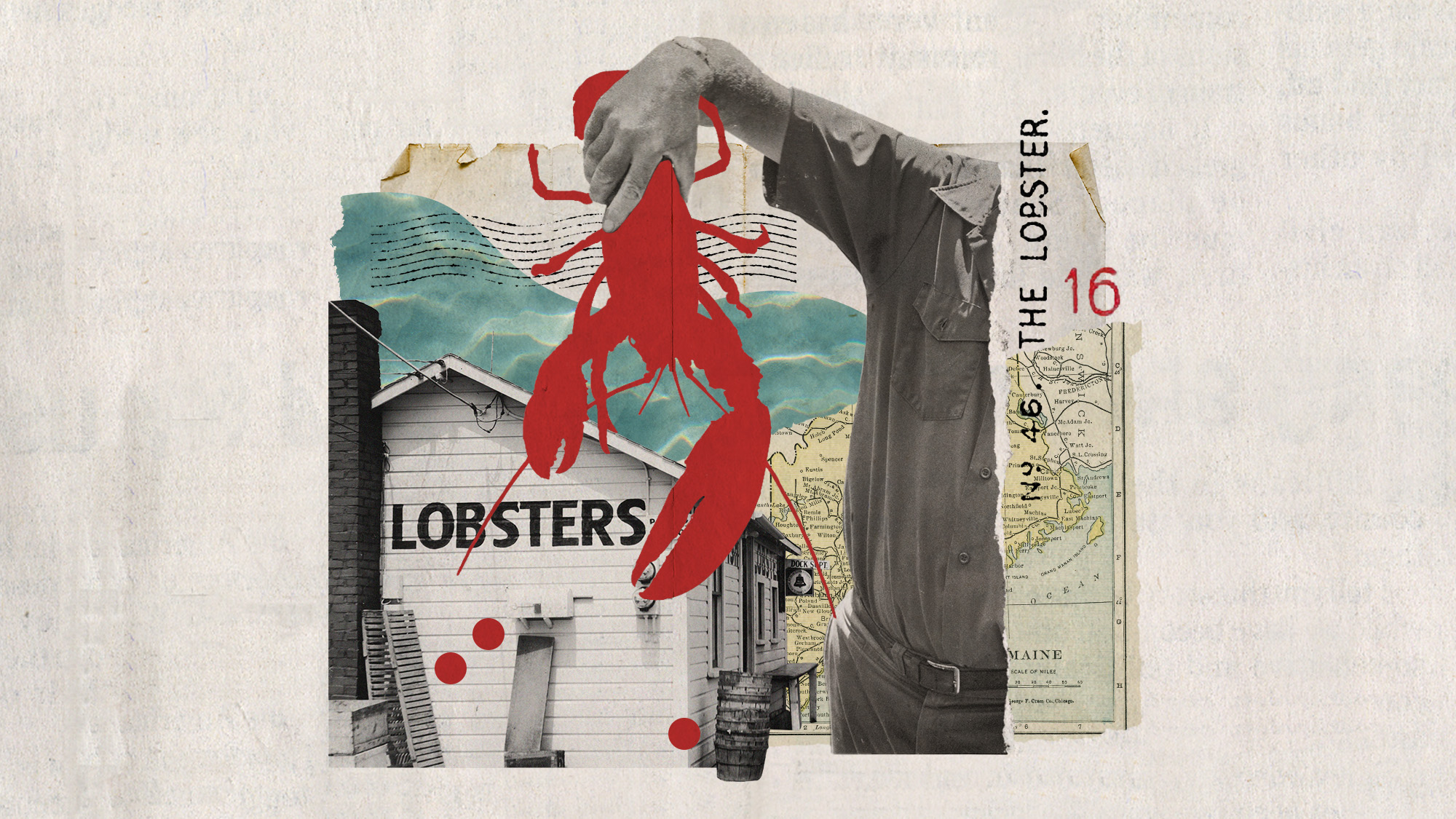
For centuries, the New England coastal state of Maine has been identified with its lobster industry, which supplies most US supermarkets and restaurants to this day. However, 2025 saw Maine’s lobster haul decline for the fourth straight year to reach a 17-year low, and that is ringing alarm bells for many in the industry.
Maine fishermen caught a total of 78.8 million pounds of lobsters last year compared to more than 110 million in 2024, according to the Maine Department of Marine Resources. The principal cause is a 10% drop in the number of fishing expeditions from the state as “rising bait, fuel and gear prices made many trips economically unviable”, said the Portland Press Herald. As lobster fishing becomes more difficult, diners across the country may also be turning up their noses at the price of a restaurant lobster, said Bloomberg.
Not all is lost, though. While the industry in Maine faces specific challenges from “climate change, regulation and increased fishing”, the wider lobster trade is booming “on the back of high prices and Chinese demand”. This is particularly true in Canada, which “now has triple the lobster catch of the US”.
Despite the challenges, lobster fishing has always been a generational business in Maine, and that isn’t likely to go away. “My youngest son didn’t go to college and now my oldest son wants to come home and go fishing,” Sonny Beal, a member of the Maine Lobstermen’s Association board, told Marketplace. “You can’t raise these guys fishing and being on the ocean and expect them not to do it when they get older.” |