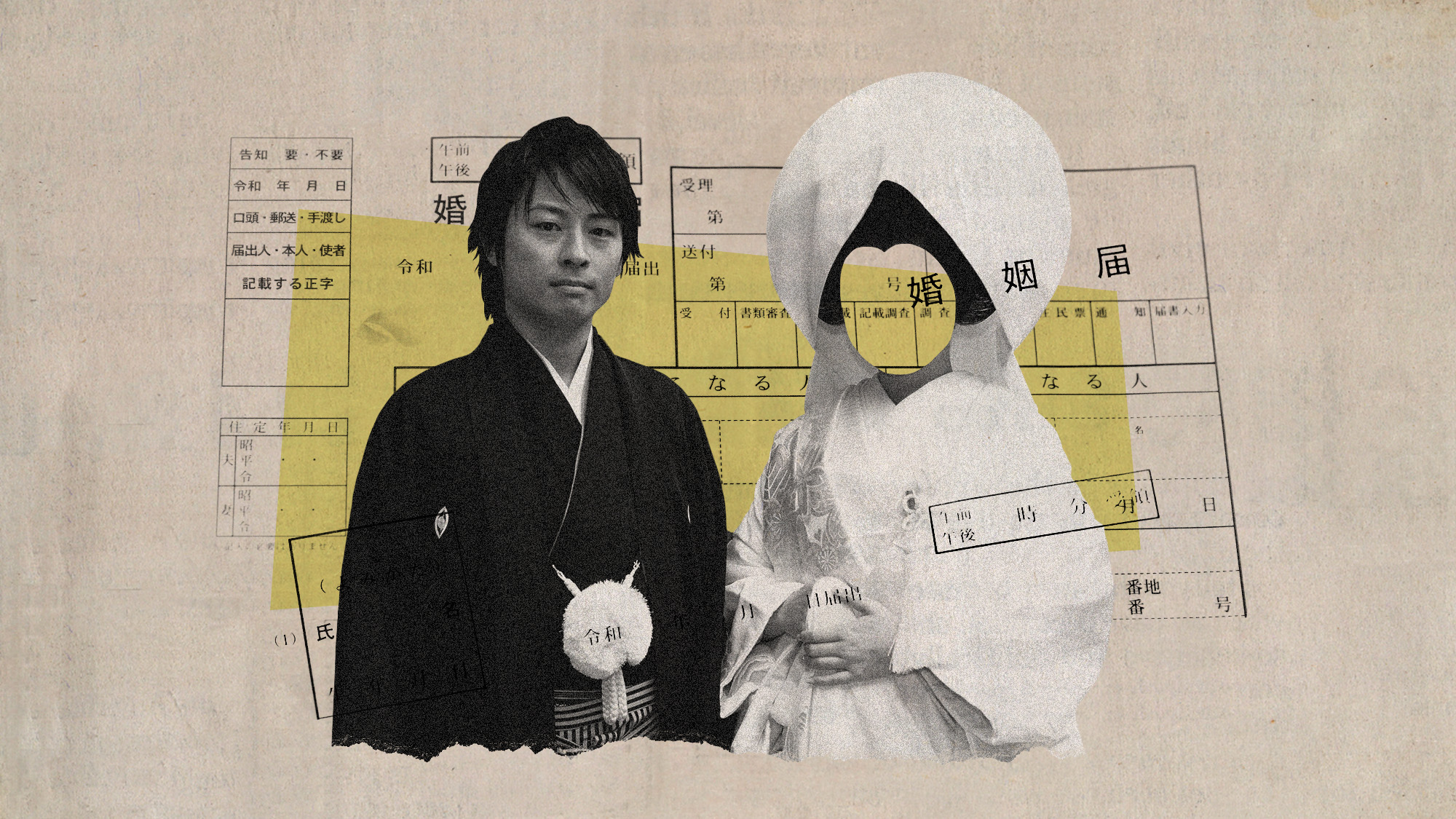
A new dating service has sprung up in Japan, aiming to get around the country’s ban on married couples having different surnames.
In a series of match-making events held this spring, every participant shared the same family name. The concept, the organisers said, is simply that “two people who already have the same last name won’t have to agonise over which one to use after marriage”.
Japan’s current civil code, which dates back to the 19th century, specifies that a husband and wife must use the same family name. While there is no stipulation which name the couple adopts, in the country’s male-dominated society it is the man’s in 95% of cases. Critics claim this affects women’s employment prospects, contributes to Japan’s low birth rate and leaves young couples with an added pressure when trying to find a life partner.
For would-be couples in Iceland, the problem is being related to your partner. With a population of just 330,000, the risk of pairing up with someone genetically similar to you is high.
“Now, as social media and apps expand the dating pool”, many people are turning to a website “to ensure they aren’t swimming in the same gene pool,” said The Wall Street Journal.
In China, meanwhile, some parents are taking matters into their own hands to find partners for their children, with many “increasingly turning to ‘find a daughter-in-law’ or ‘find a son-in-law’ platforms online, turning partner-seeking into direct negotiations between parents”, said South China Morning Post.
“Instead of trying to persuade single young adults who resist matchmaking”, a few “sharp-eyed businesses” are now “directly targeting a different demographic: anxious parents with strong purchasing power”. |