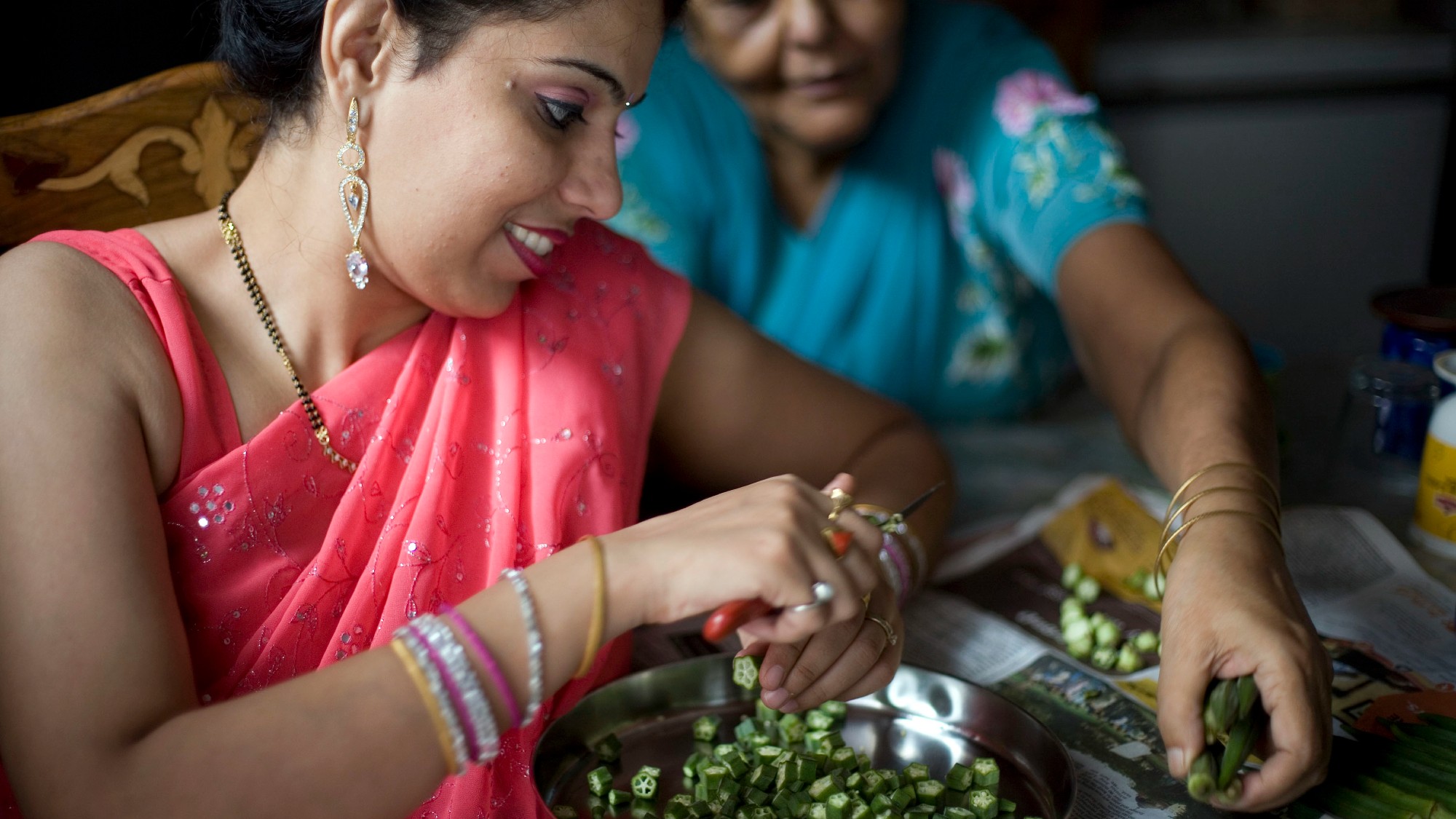
India has an “entrenched culture of outsourcing household work”, according to Reuters, with domestic help traditionally organised through word of mouth and paid for in cash. But new apps are changing the practice and turning the system digital.
Start-ups like Urban Company, Pronto and Snabbit make up a “vast, largely unregulated market” that boasts an estimated 30 million domestic staff working in an Uber-like model, said the BBC.
The numbers are currently attractive for both clients and workers: companies are “betting big” to “lure busy professionals” with charges of less than 99 rupees (79p) an hour, said Reuters. And in a country with a per capita income of about £2,200, workers on these apps can see annual earnings reach £3,700 by working eight hours a day.
So far, so good. But the “craze” is “tempered by concerns” about women’s safety in a country with “high rates of sexual harassment”. Unlike delivery drivers who spend “just brief moments at doorsteps”, the workers may spend hours inside private homes, “exposing them to greater risks”, added Reuters.
Pronto and Snabbit have an SOS button within the app that alerts area supervisors in case of emergency. Pronto also offers self-defence training for workers. Urban Company says it offers a women-only safety helpline and an SOS app feature.
But a women’s rights activist noted that while the companies run extensive background checks on workers before hiring them, they don’t vet the credentials of customers, who can simply log in on apps to book home help. |