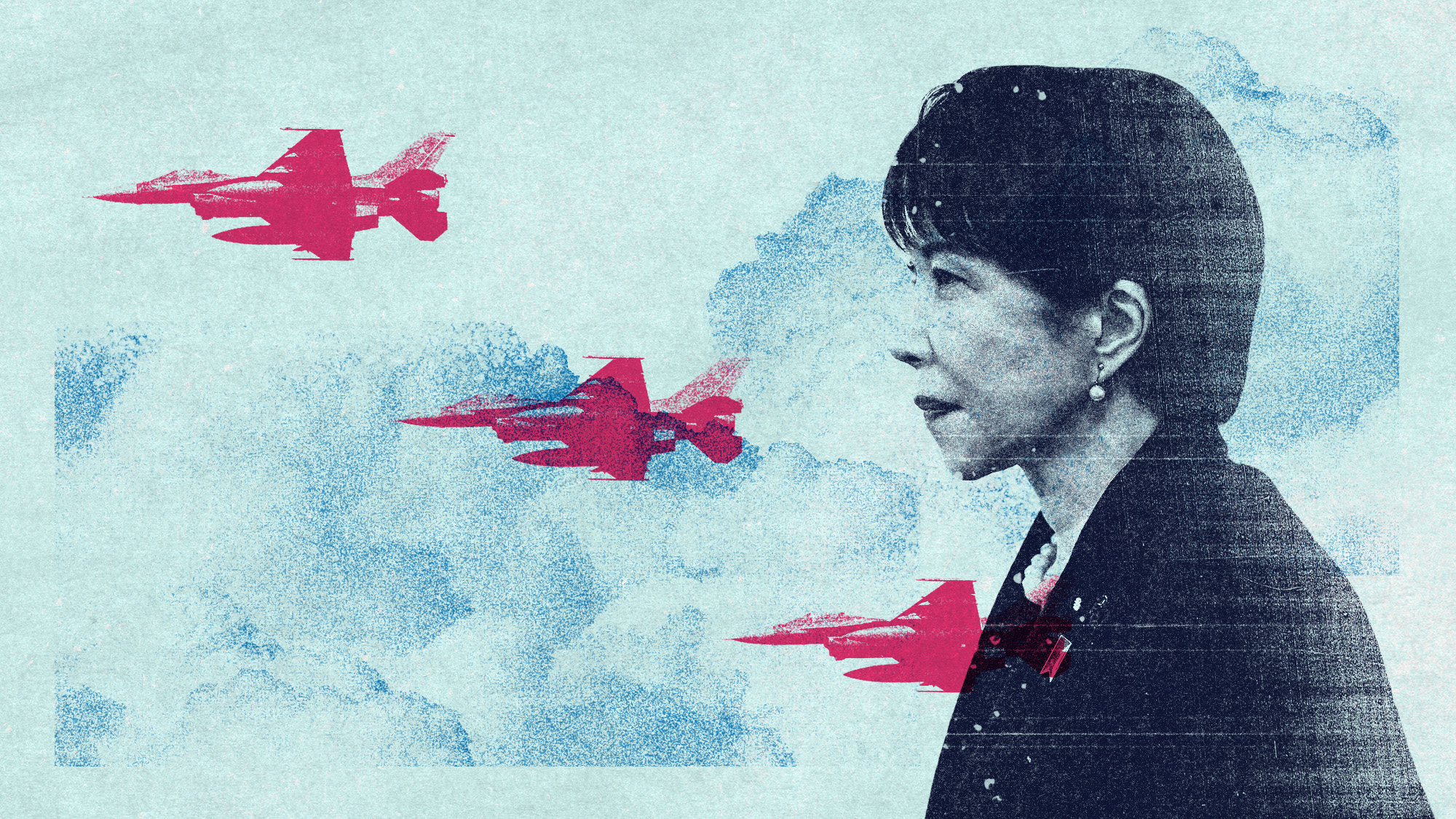
Japan could soon be selling more weapons overseas after it lifted a ban on their export, including fighter jets. It’s the country’s biggest overhaul of defence export rules for decades and a “major shift” for Japan’s “post-World War II constitution”, said Al Jazeera.
“Pacifist restraints” have “shaped” Japan’s post-war security policy, said Reuters. Now, instead of banning exports of lethal arms outright, ministers and officials will assess the merits of each proposed sale. They will be subject to strict screening, controls on transfers to third countries, and a ban on sales to countries involved in conflict.
It’s thought that the nations interested in buying Japanese-made weapons include Australia, New Zealand, the Philippines and Indonesia. Sources told Reuters that warships for the Philippines may be among the first exports.
“With this amendment, transfers of all defence equipment will, in principle, become possible,” Prime Minister Sanae Takaichi posted on X, adding that “recipients will be limited to countries that commit to use in accordance with the UN Charter”.
Takaichi’s government feels that the regional environment has become significantly more dangerous and wants to deepen military co-operation with friendly countries in order to share the burden of regional security, instead of relying almost entirely on Washington. There’s also an economic dimension: Japan hopes to scale up production, attract revenue, innovation and investment.
“Over the last few decades, Japan has been secluded from the global defence and arms supplies markets,” William Yang, a senior analyst at the International Crisis Group think tank, told The Telegraph. “We “shouldn’t underplay how important this will be.” |