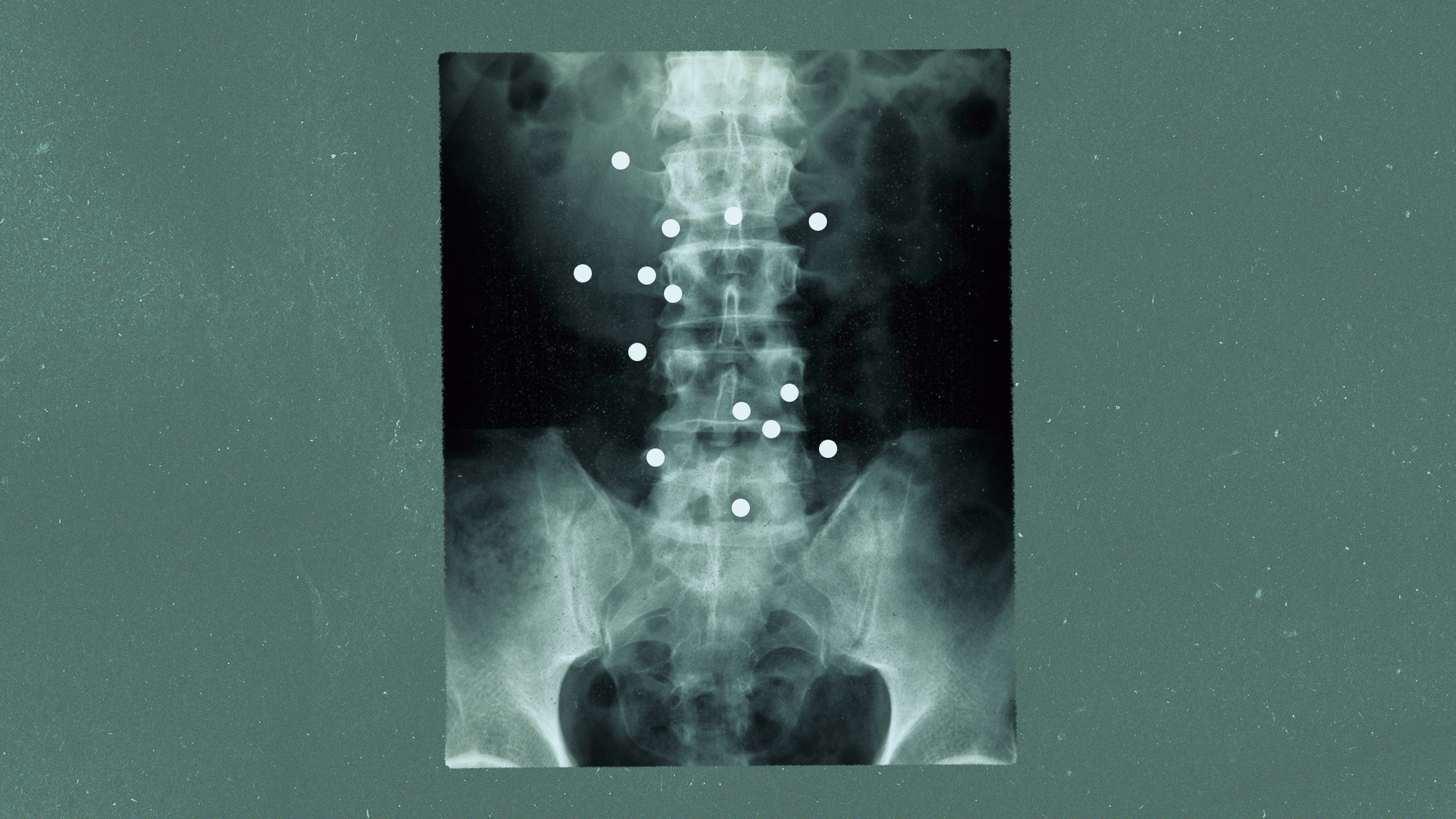
Spinal cord injuries are “notoriously difficult to treat”, said Rhys Blakely, science editor of The Times. But Zurich-based researchers think a solution may be in sight: injectable microrobots.
When the spinal cord is damaged, recovery is often limited: nerve fibre regrowth can be hampered by scarring, and the cells usually cannot regenerate on their own. But studies by a team at the Multi-Scale Robotics Lab at ETH Zurich suggest that microrobots – made from stem cells with magnetic nano-particles – could “coax” these nerve cells to repair and regenerate.
The studies were carried out in a lab on zebrafish and mice, so there is “still a long way to go” before the microrobots can be tested on humans. But the results are promising, and scientists the world over are intrigued by the idea of “microscopic repair crews, guided by magnets”.
Further research is needed before these microrobots can be tested on humans, but the Zurich team is already thinking about ways that they can be used in other medical settings. “The reproducible and scalable production of microrobots using our lab-on-a-chip system demonstrates” that there is a great deal of “application potential”, said study leader Professor Salvador Pané i Vidal. With adaptations, the microrobots could be used in wound healing and to make cardiology and oncology treatments “safer, more controllable and more effective”.
Different microrobots have already been shown to be successful in other areas of medicine, according to medical news site Healthcare in Europe. Formed in droplets, they are effective at “precision-targeted drug delivery”, outperforming IV-delivery on the amount of drug that reaches the target tissue. |