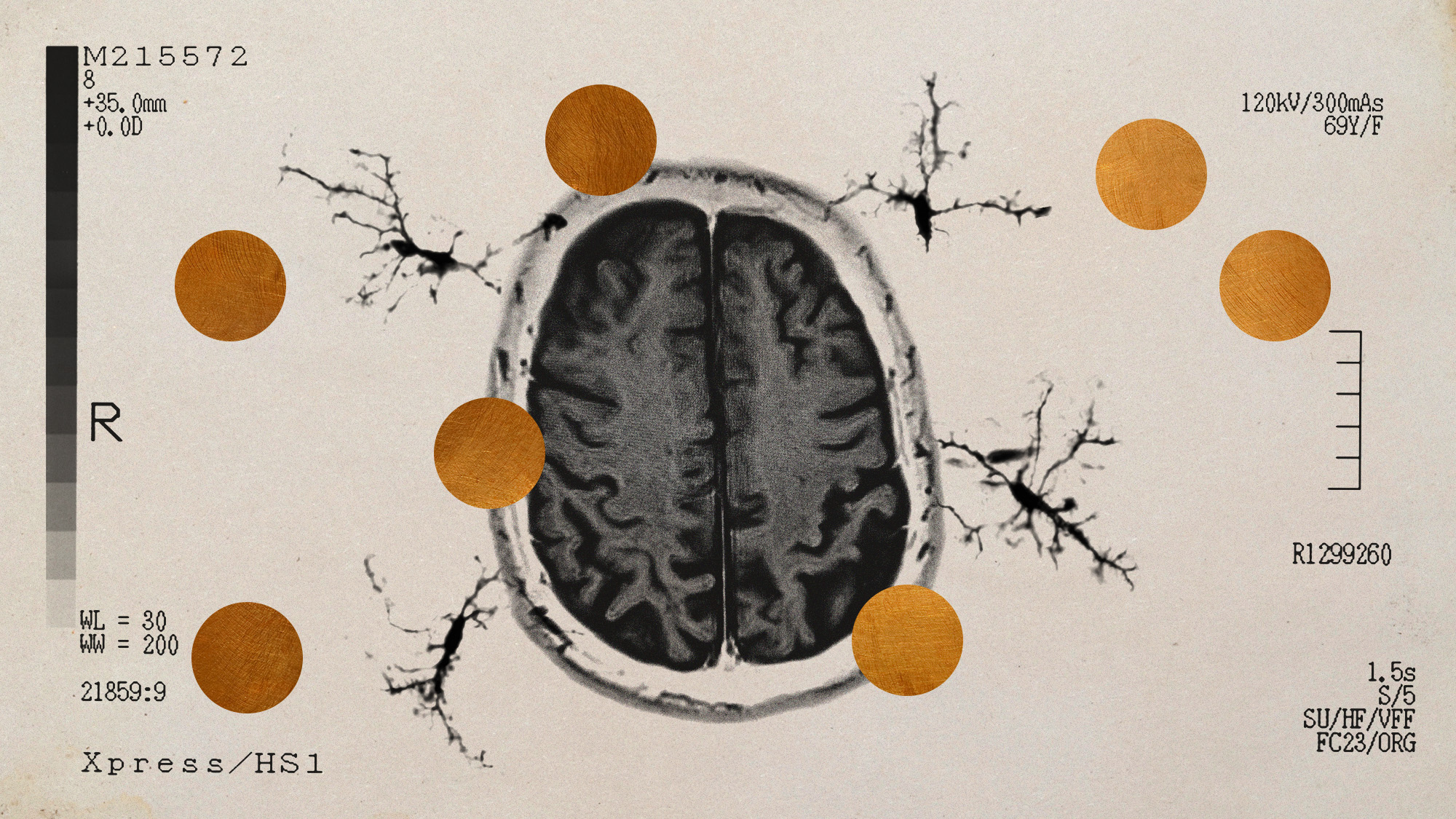
Alzheimer’s disease, a progressive brain disorder that gradually degrades a person’s cognitive and memory functions, is the No. 1 cause of dementia. There is currently no cure, but according to a study by a Monash University team published in the journal ACS Chemical Neuroscience, a new copper-based treatment may be on the horizon.
Alzheimer’s is “driven by the build-up of toxic proteins called amyloid beta”, said a release about the study. These proteins are usually flushed into the bloodstream through the blood-brain barrier. However, in those with Alzheimer’s disease, the “pumps doing the heavy lifting, called P-glycoprotein (P-gp), weaken significantly, clogging the drain and trapping the toxic proteins in the brain”.
The build-up of these proteins in the brain leads to memory loss and cognitive decline. But the copper-based compound Cu(ATSM), which has “anti-inflammatory and neuroprotective properties”, can help to clear them, said senior study author Professor Joseph Nicolazzo. It does so by “increasing the number and activity” of the P-gp pumps, according to Newsweek.
The study is the first to show that Cu(ATSM) can boost the amount of P-gp pumps “by 24.1%, effectively linking the repair of the blood-brain barrier to a reduction in toxic proteins and improved cognitive function”, said lead study author Dr Jae Pyun. “Over 56 days, the treatment reduced toxic amyloid-beta by 42% and improved spatial learning by nearly 44%.”
The disease itself is still full of unknowns. Alzheimer’s “involves the biological environment of the ageing brain, including membrane biology, inflammation, vascular function, lipid metabolism and cellular resilience”, neuroscientist Dr Dayan Goodenowe told Newsweek. “So any single mechanism still has to be validated before we know whether it produces meaningful clinical benefit.” |