“By 2030, if we don’t have models that are extraordinarily capable and do things that we ourselves cannot do, I would be very surprised,” OpenAI CEO Sam Altman said to Politico in September. And the AI advances made since the start of 2025, said The Economist, could “set the world on a path of explosive growth.”
‘Charismatic megatrauma’
We have reached a “pivotal moment” in our relationship with artificial intelligence, said Idan Feingold at CTech. Over the last year, the AI hot potato has “evolved from a buzzword to the epicenter of every business conversation.” And there has been an unprecedented “surge” in productivity linked to AI innovation, with practical applications advancing at an unprecedented pace.
AI has “begun to settle like sediment into the corners of our lives,” said David Wallace-Wells at The New York Times. Following the “prophetic phase” that came after the 2023 release of ChatGPT, we have relaxed into “something more quotidian.” Like many other “charismatic megatraumas,” such as nuclear proliferation and climate change, AI retains the power to distress and disturb but no longer provokes mass hysteria.
‘Genuine opportunities’
The “hype and the hopes around AI have been like nothing the world has seen before,” said The Economist. Audiences have “marveled” at ChatGPT’s abilities and been “mesmerized” by Sora 2’s generative video capabilities. And this fascination shows no signs of fading. More than $7 trillion will be spent on AI by the end of the decade, according to analysts’ predictions.
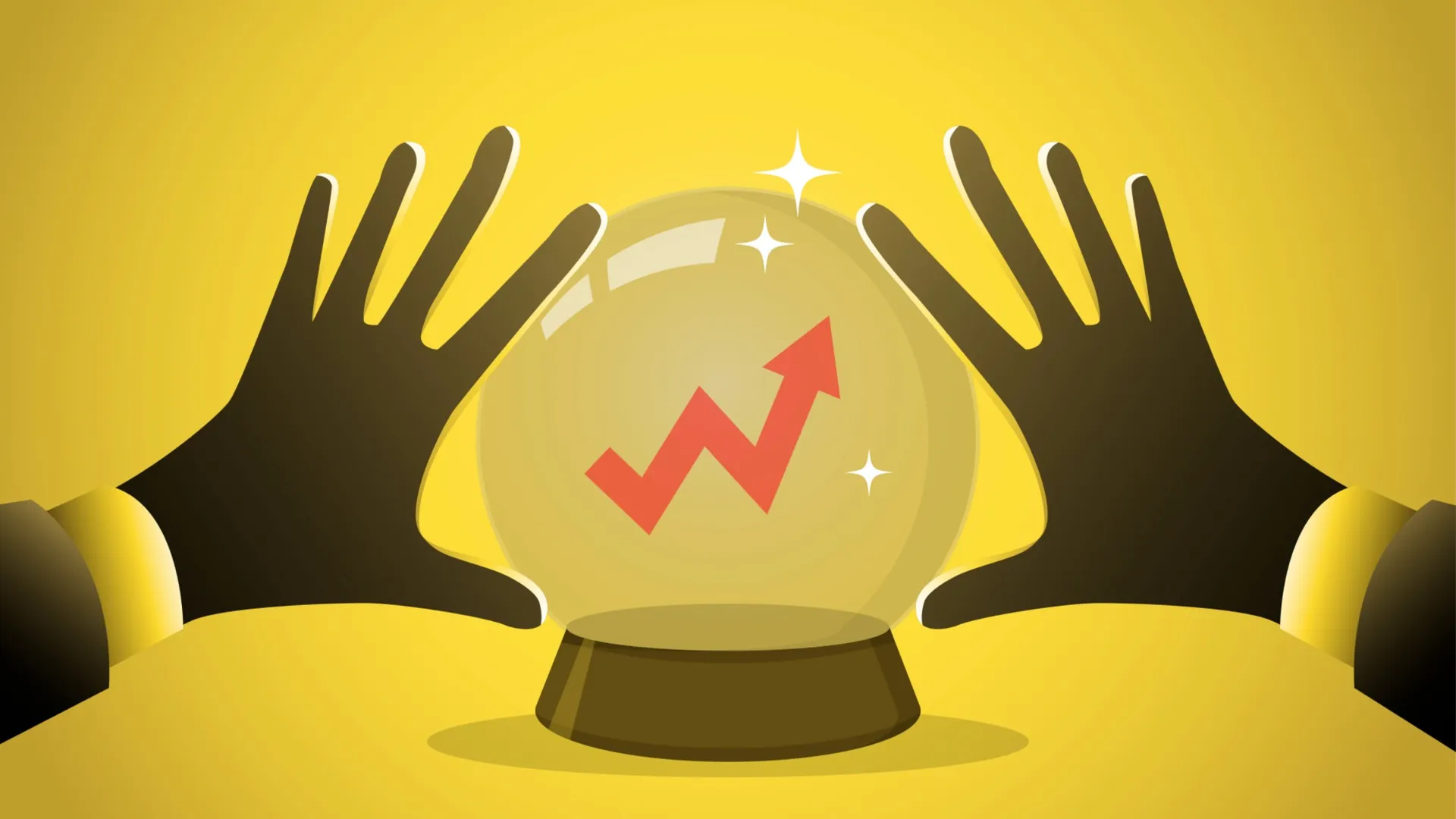
Amid this flood of funding, sceptics are speculating about when the AI bubble might burst. But that may be “asking the wrong question,” said Jurica Dujmovic at MarketWatch. Don’t be misled by the 2000 dot-com crash. We are experiencing an “orderly deflation” rather than a sudden collapse. Amid the doom and gloom, the AI market still presents “genuine opportunities” for investors, operators and consumers.
Focus is now “shifting” to the outlook for AI in 2026, especially concerning its commercial profitability, said The Economist. This coming year, expect reactions to be even more extreme, with “economic revival,” a “financial bust” and “social backlash” all possible. |