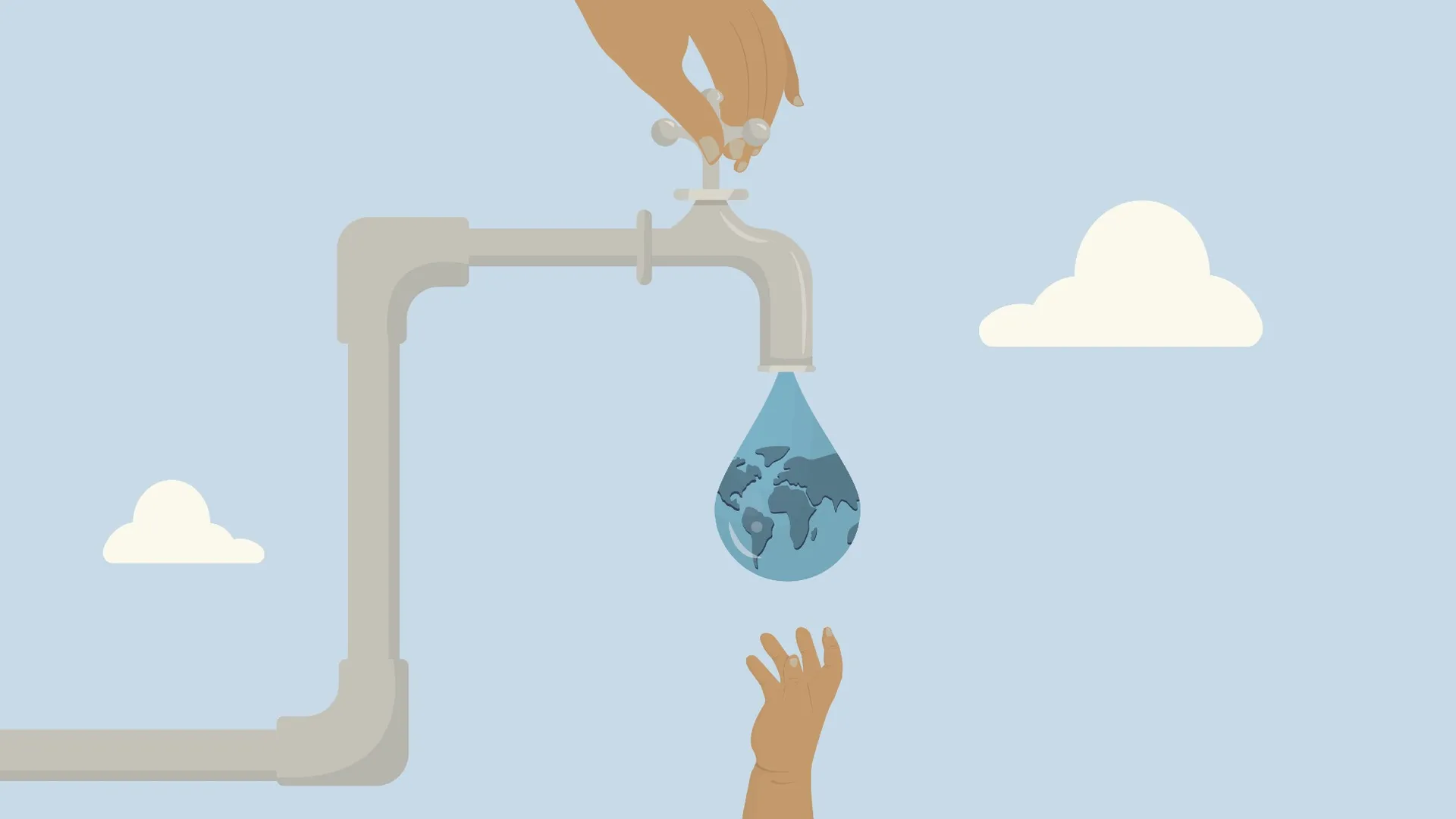
The planet has incurred a watery debt. Society is using far more water than is ecologically sustainable, leading us to what’s called water bankruptcy. The problem is only going to worsen with climate change, population growth and technological expansion that continuously increase water demand. And while some water sources can still be protected, many places have already reached a point of no return.
What’s happening?
We are using up water sources faster than they can be replenished, essentially putting us in water debt. In “many basins and aquifers, long-term water use has exceeded renewable inflows and safe depletion limits,” said a U.N. report. Other water sources, including rivers, lakes, wetlands, soils and glaciers, have been “damaged beyond realistic prospects of full recovery.”
Like financial bankruptcy, water bankruptcy happens gradually. We “pull a little more groundwater during dry years. We use bigger pumps and deeper wells. We transfer water from one basin to another,” said Kaveh Madani, the author of the report, at The Conversation. After that, the costs begin to pile up. “Lakes shrink year after year. Wells need to go deeper. Rivers that once flowed year-round turn seasonal.” And more cities are experiencing Day Zero events in which their municipal water systems are unable to provide for the entire population.
Before using the word “bankruptcy,” scientists used “water stress” or “water crisis,” both of which imply the possibility of recovery. But if you “keep calling this situation a crisis, you are implying that it’s temporary,” said Madani to CNN. By acknowledging water bankruptcy, we acknowledge a “need to adapt to a new reality.”
What does the future look like?
More than 2 billion people worldwide lack access to safe drinking water, said the U.N. And climate change is only exacerbating the problem by “reducing precipitation in many areas of the world,” said Madani. Global warming also “increases the water demand of crops and the need for electricity to pump more water” and “melts glaciers that store fresh water.”
Even in places that do receive adequate rainfall, “more water is being sucked up by data centers or polluted by industry, sewage, fertilizers or manure,” said New Scientist. The expansion of AI is a particular risk to water sources as data centers can “consume up to 5 million gallons per day,” said the Environmental and Energy Study Institute. |