The Week The Week
flag of US
US
flag of UK
UK
https://cdn.mos.cms.futurecdn.net/flexiimages/jacafc5zvs1692883516.jpg

SUBSCRIBE & SAVE

Less than $3 per week

Sign in
  • View Profile
  • Sign out
  • The Explainer
  • The Week Recommends
  • Newsletters
  • Cartoons
  • From the Magazine
  • The Week Junior
  • Student Offers
  • More
    • Politics
    • World News
    • Business
    • Health
    • Science
    • Food & Drink
    • Travel
    • Culture
    • History
    • Personal Finance
    • Puzzles
    • Photos
    • The Blend
    • All Categories
  • Newsletter sign up Newsletter
  • The Week Evening Review
    World Cup fears, endangered women’s retreats, and rising product costs

     
    TODAY’S BIG QUESTION

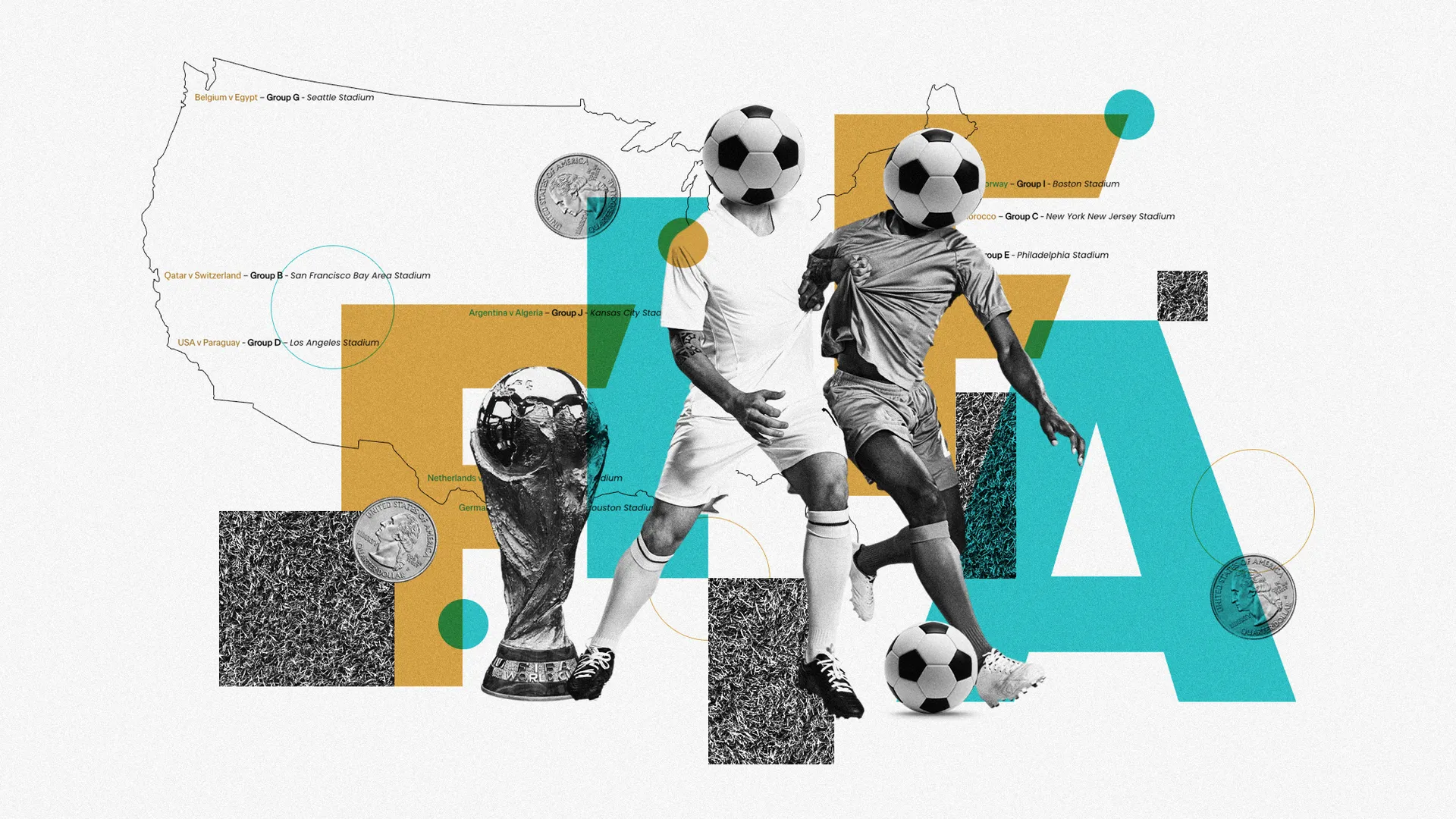
    Why is FIFA struggling to generate World Cup demand?

    When the 2026 FIFA World Cup kicks off in June, it may be missing something important: fans. Several factors, including political unrest and high transportation costs, are causing host cities across the U.S. to worry that the presumed economic bump from the event may not happen. 

    What did the commentators say?
    Eleven U.S. cities will be hosting World Cup games, and they are dealing with everything from “labor strife and high ticket prices to geopolitical turmoil and culture-war politics fanned by President Donald Trump,” said Politico. These factors are “turning the event into a nationwide stress test for the governmental institutions charged with pulling it off.”

    Many were hoping the World Cup would provide a “triumphal turn in the international spotlight,” but it’s instead becoming a “case study in the local hazards of staging a spectacle at a moment of global disruption,” said Politico. Cooling forecasts are largely due to “ticket prices, inflation fears and anti-American sentiment,” said the Financial Times. And many hotels are reflecting this reality. Room rates for game days in multiple cities have “dropped about a third from their peak earlier this year.”

    FIFA originally predicted the World Cup would give the U.S. a $30.5 billion economic boost. But the “demand has certainly not been at anywhere near that level,” said Vijay Dandapani, the president and CEO of the Hotel Association of New York City, to Forbes. 

    International soccer fans were expected to provide a lifeline, as they typically “spend four times as much as domestic travelers,” said the outlet. But it’s “unclear if foreign visitors will come in the numbers necessary to drive the promised economic boost.” The White House’s “‘America First’ agenda and rhetoric have fueled widespread perceptions that the country is unwelcoming,” said The Athletic. 

    What next?
    Trepidation over hosting the games in the U.S. “could be sufficient motivation” for global fans to “hold off until 2030, when the tournament will take place in Spain, Portugal and Morocco,” said the Financial Times. Amid growing tensions, the head of Norway’s soccer association has also called for Trump to be stripped of the FIFA Peace Prize he recently received. 


    QUOTE OF THE DAY

    ‘There’s probably one country that has a special relationship with the United States, and that is probably Israel.’

    British Ambassador to the U.S. Christian Turner, to U.K. students visiting D.C., on how longtime U.S.-U.K. cooperation has suffered because of Trump’s isolationism and how the U.S. heavily subsidizes Israel’s military spending and has partnered with Israel in the Iran war


    Statistic of the day

    6.5 minutes: The amount of time it takes to charge Chinese manufacturer CATL’s new EV battery from 10% to 98%, according to analysts. The Tesla supplier’s third-generation Shenxing battery could make charging electric cars almost as quick as refuelling gasoline and diesel ones.


    IN THE SPOTLIGHT

    The products most impacted by higher oil prices

    The U.S.-Israeli war in Iran has had a tangible effect on the economy in the Middle East, and the conflict is also making things more expensive for Americans at home. Increasing oil prices resulting from the war have cascading consequences, and while things like gasoline are most obviously affected, other products are also getting pricier.

    Clothes
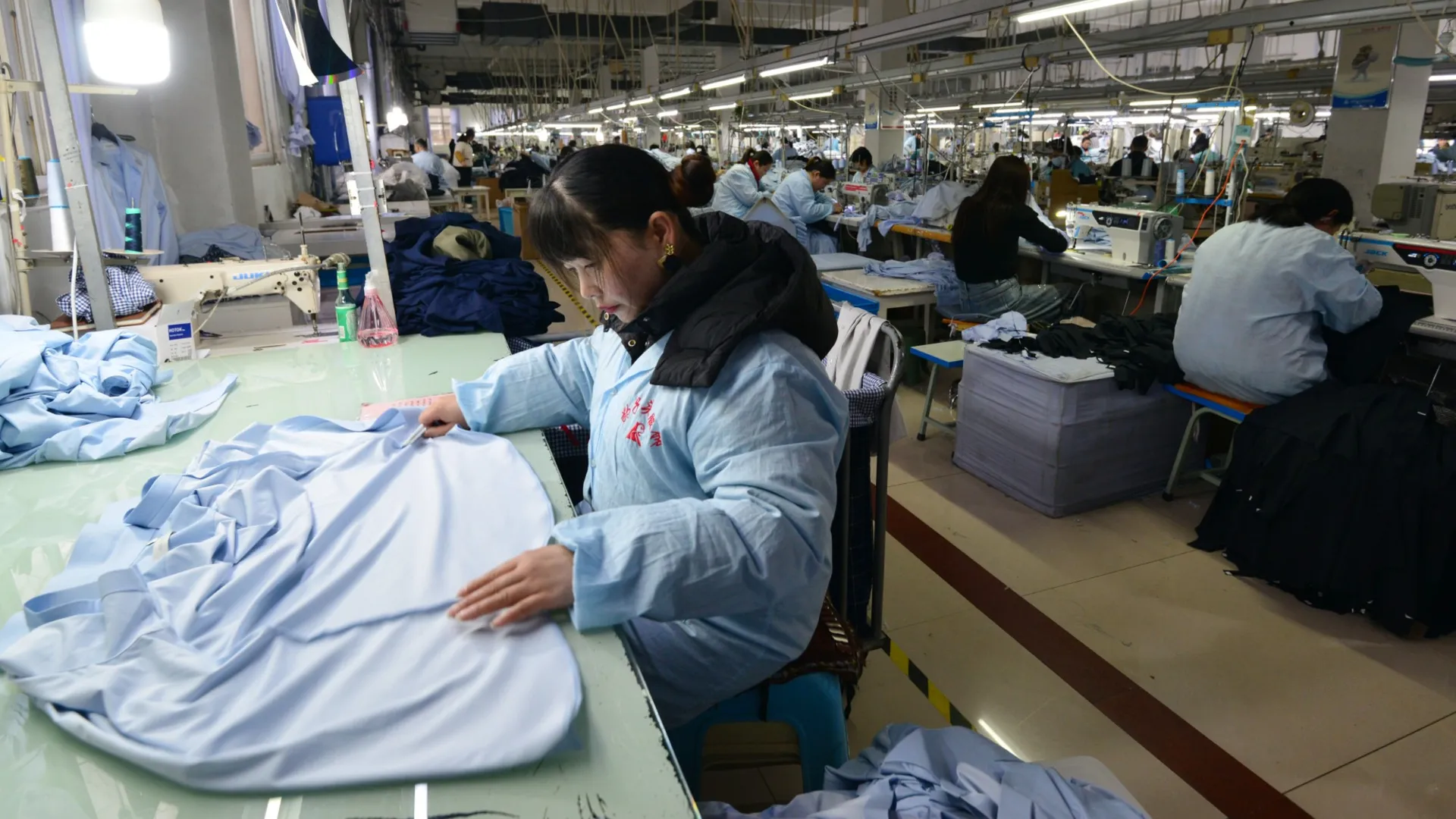
    Supply chain issues are raising the cost of oil’s building blocks called petrochemicals. Six of these petrochemicals are the “major foundations of plastics and synthetic materials like nylon and polyesters,” said The Associated Press. And when petrochemicals become more expensive, it is often accompanied by a spike in clothing prices.

    To make a button-down shirt, materials “account for 27% to 30% of the cost a manufacturer incurs,” said Andrew Walberer, a partner at the global management consultancy Kearney, to the AP. Experts are “warning consumers to budget for price increases of 10% to 15%” in clothing, said the South China Morning Post.

    Cosmetics
    The war in Iran is “seeping into the cosmetics supply chain, pushing up the cost of everything from plastic jars to ​lipstick tubes to transport,” said Reuters.  It’s “reminding the beauty industry that even a tub of face cream depends on fragile ‌global trade routes.” 

    The most notable sector affected is the Korean beauty industry, which has a large following in the U.S. Due to the unstable cost and raw material prices of petrochemicals, the unit prices of most products will “inevitably be increased,” said cosmetics company Luxepack Korea in a press release, per The Washington Post. 

    Toys
    Like clothes, many stuffed plush toys are made with “polyester and acrylic, synthetic fibers derived from petroleum,” said the AP, so rising prices could similarly impact the toy industry. Suppliers in China have notified Aleni Brands, the company behind popular plush lines like Bizzikins, that “getting the materials already was costing them 10% to 15% more.” 

    Notable production hurdles are also being experienced by a “cluster of manufacturers in Shantou, a city located 190 miles northeast of Hong Kong, which produces a third of the world’s toys,” said The New York Times. Other child-adjacent products, including crayons, are additionally facing shortages due to petrochemical supply chain issues.


    THE EXPLAINER

    Trump cracks down on women’s networks

    Facing decades of discrimination and exclusion, women have created networking events to help each other get a fair shake at climbing the ladder of success. But in an era that’s actively against diversity, equity and inclusion, these women-only spaces have become new targets of the Trump administration.

    Why are the clubs being targeted?
    The president’s crackdown on DEI has had a “chilling effect on women’s initiatives across the business world,” said USA Today. President Donald Trump arrived in office on campaign promises to “restore fairness in the workplace” by eradicating “woke” DEI policies he thinks “harm men and white Americans.” The fear of lawsuits and pressure to align with the administration has led “dozens of the nation’s largest companies, from McDonald’s to Facebook owner Meta,” to roll back diversity programs.

    An Equal Employment Opportunity Commission (EEOC) lawsuit against a Coca-Cola distributor for hosting a women’s retreat in 2024 could jeopardize the woman-centric network as an antithesis to old-boys’ clubs. It’s the first lawsuit “related to workplace diversity, equity and inclusion in the second Trump administration,” said The Independent. The EEOC accuses the company of violating Title VII of the Civil Rights Act with “malice or reckless indifference to the federally protected rights of male employees,” said the agency in its complaint.

    Are women’s networks exclusionary?
    Women’s networks “don’t exclude men; they help women catch up,” gender equity researcher Amy Diehl said to USA Today. And the new girls’ clubs are “widely credited with helping women splinter the glass ceiling.”

    Still, organizations have disbanded gender-based mentorship and coaching programs and employee resource groups since those programs were labeled exclusionary. Regardless of how these lawsuits are resolved, the effect is “already being felt,” said USA Today. 

    It’s “really striking” that the EEOC has decided women’s networking is “so problematic that they have to go out against it,” said Chai Feldblum, the president of EEO Leaders, a group she co-founded last year to challenge the Trump administration’s attacks on employment civil rights. Our country is “not well served by frightening employers away from doing positive actions to ensure a fair and equal workplace.”


    Good day ™️

    … for fighting AI content. Taylor Swift has applied to trademark her voice and likeness to protect both from unauthorized use in AI-generated content. The pop star has “previously been caught up in fake images created by AI,” including those “showing her fans supporting Donald Trump’s campaign for president,” said The Times.


    Bad day 💊

    … for buying affordable medication. A Supreme Court case between a generic drugmaker and a name-brand drug company could lead to longer waits for cheaper generic versions of prescription medicine. The dispute centers on a strategy called skinny labeling, in which generic drugs get easier FDA approval when a brand-name one loses patent protection.


    Picture of the day

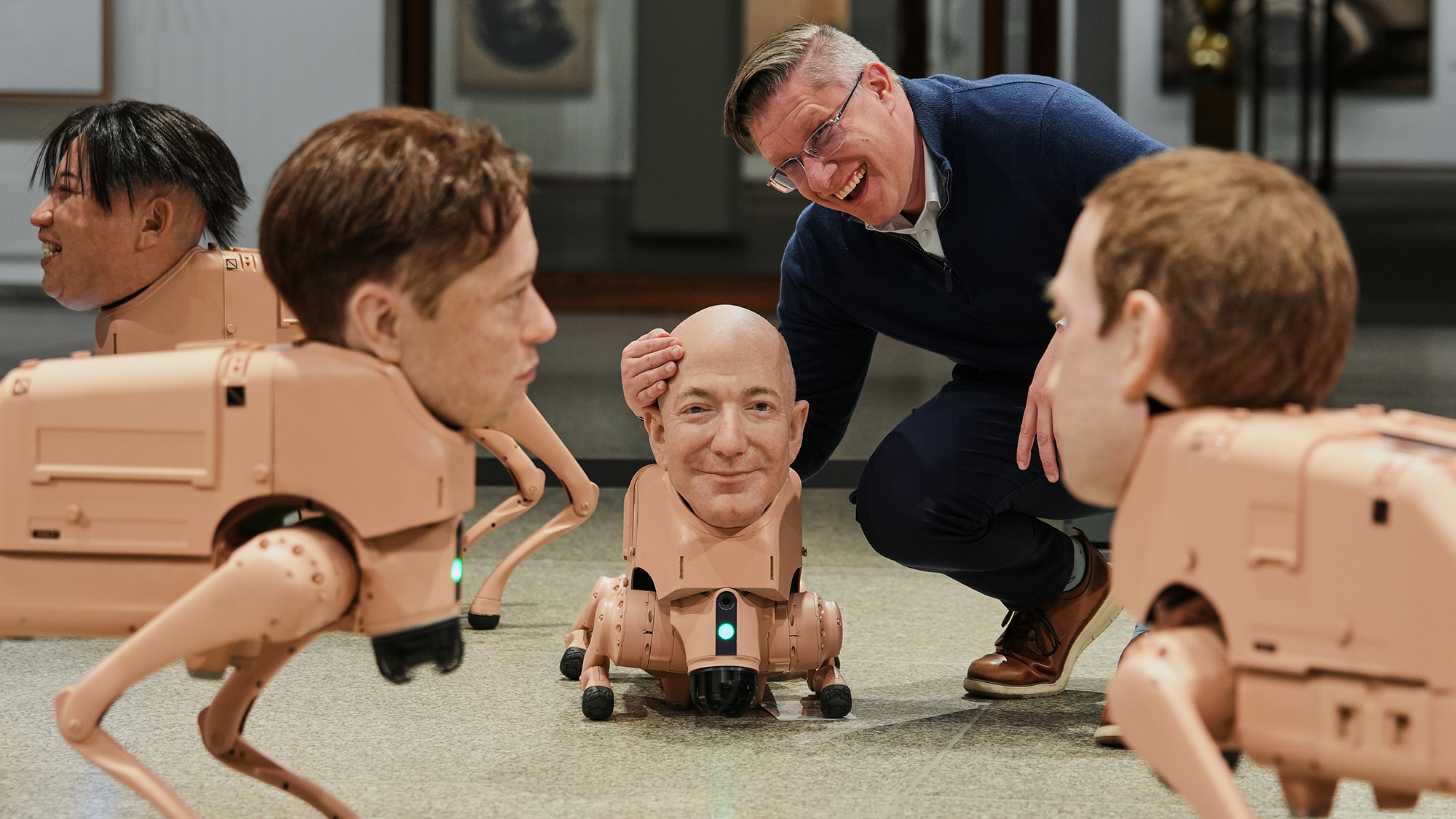
    Billionaire bots

    American artist Mike Winkelmann, better known as Beeple, poses alongside his installation titled “Regular Animals,” of robots with the likeness of Kim Jong Un, Elon Musk, Jeff Bezos and Mark Zuckerberg, at the Neue Nationalgalerie in Berlin, Germany.
    Markus Schreiber / AP Photo


    Puzzles

    Daily sudoku

    Challenge yourself with The Week’s daily sudoku, part of our puzzles section, which also includes guess the number

    Play here


    The Week recommends

    The best and most important movies of the 1970s

    The 1970s, when the post-WWII consensus finally fell apart in the U.S., are remembered as a decade of groundbreaking movies with breathtakingly disillusioned themes. The ideas were embodied in the “New Hollywood” movement and the birth of the summer blockbuster. There are more classics than could be named here, but these masterpieces epitomize the decade’s social and political trajectory like no others.

    ‘The Last Picture Show’ (1971)
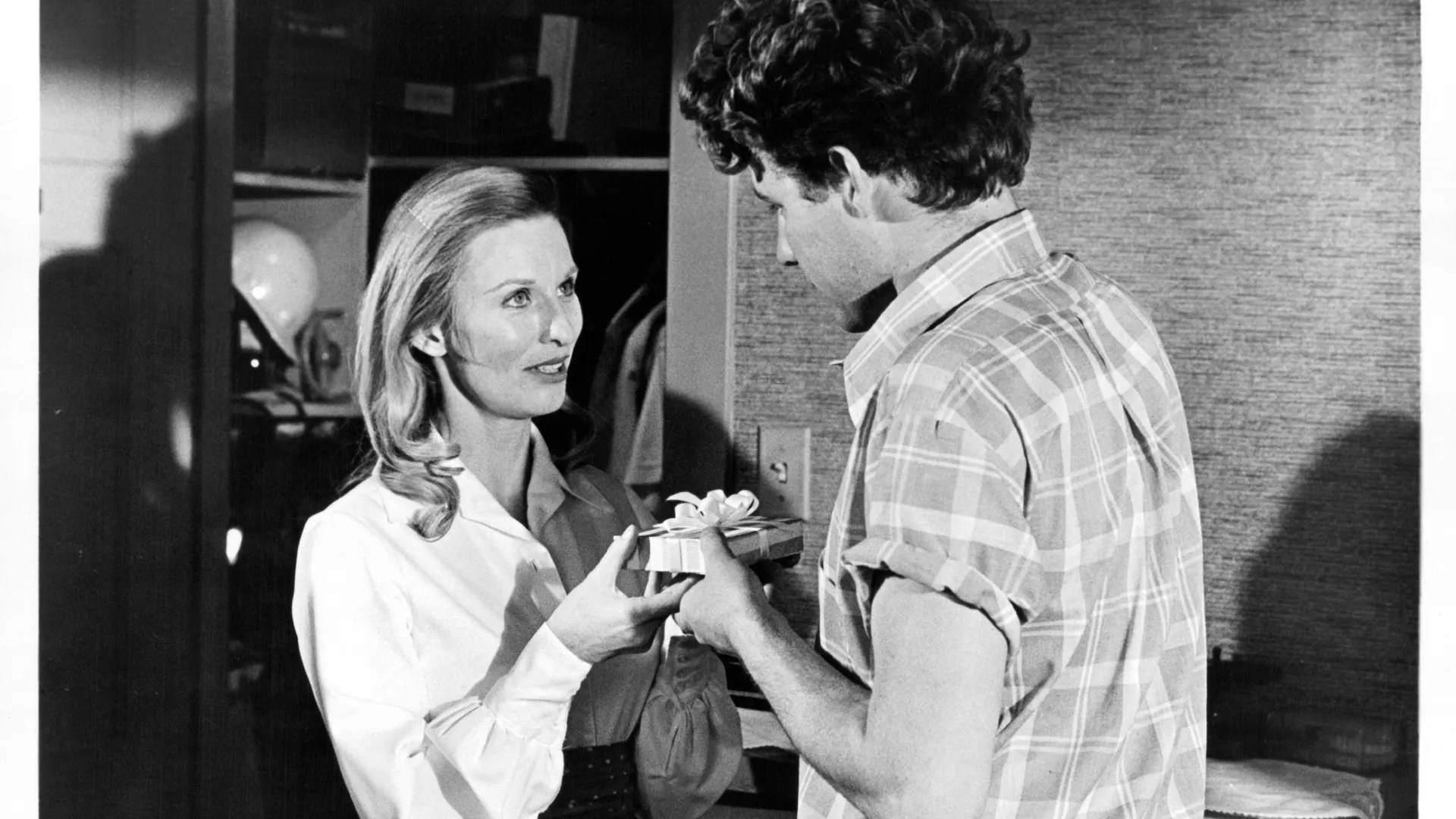
    A quiet and devastating character study, “The Last Picture Show” (pictured above) is set in a dying North Texas town in 1951. The “beauty and brilliance” of director Peter Bogdanovich’s second feature is “found in its attentiveness to the lived detail of the recent past,” said Adrian Danks at Sense of Cinema. (Prime Video)

    ‘Jaws’ (1975)
    Director Steven Spielberg’s first massive box-office hit, “Jaws” maintains its ability to shock and terrify audiences and turn shark attacks into widespread fear. The film remains, “simply put, one of the absolute masterpieces of populist cinema.” Its “vivid character details” are one of the reasons it’s “still better than any other monster movie or summer blockbuster ever made,” said Tim Brayton at Alternate Ending. (Netflix)

    ‘Network’ (1976)
    Network anchor Howard Beale (Peter Finch) unravels on air after he’s fired, promising to kill himself on live television, and turns himself into a kind of prophet of capitalist anomie and populist frustration. This “terrifically well-made, well-written” film begins as a “five-seconds-into-the-future satire” and eventually “becomes an anatomy of American discontent,” said Peter Bradshaw at The Guardian. (Prime Video)

    Read more


    Poll watch

    Girls who have stopped playing sports experienced more negative parental behavior before quitting compared to boys who quit, according to a survey of 4,000 American children from the Aspen Institute’s Project Play initiative. Girls’ parents (25%) were almost three times as likely as boys’ (9%) to compare them to teammates, while 24% of girls’ parents pressured them to play compared to 16% of boys’. 


    INSTANT OPINION

    Today’s best commentary

    ‘The US right used to fear psychedelics. Now it wants to sell them.’
    Kojo Koram at The Guardian
    Trump “signed a new presidential executive order to accelerate mainstream access to medical treatment based on psychedelic drugs,” but this executive order has “not come out of the blue,” says Kojo Koram. “Long caricatured as a marker of countercultural decadence,” psychedelics have been “rebranded by recent clinical research as potentially transformative mental health treatments.” It’s a “worldview that has found a comfortable new home” in an administration that is, “against all odds, transforming America’s relationship with drugs.”

    ‘How Putin and Zelenskyy view the war in Iran’
    Sudarsan Raghavan at The New Yorker
    “Nearly two months into Iran’s war, its ripple effects are being felt around the world,” says Sudarsan Raghavan. The war is “also having a less visible, yet potentially more consequential, impact on some of the world’s other conflicts and crises.” The war in Ukraine is “increasingly connected to the Middle East conflict.” It’s in Russia’s “favor to prolong” the war in Iran because the “longer it lasts, the longer Washington’s attention is not on Ukraine.”

    ‘Could Ozempic save families from addiction and foster care?’
    Naomi Schaefer Riley at The Boston Globe
    GLP-1 drugs like Ozempic and Wegovy are “often called miraculous for their ability to promote weight loss, reduce the risk of diabetes and even lower the likelihood of dementia,” says Naomi Schaefer Riley. But what if they can “help combat drug and alcohol addiction by tempering cravings and ultimately prevent parents from losing their children to foster care”? This class of drugs has “wide-ranging health benefits and few side effects compared to other medically assisted treatments.” 


    WORD OF THE DAY

    infrasound

    Acoustic vibrations with frequencies below 20 Hz that are too low to be audible to most humans. But even if it can’t be heard, infrasound may still make people feel uneasy, according to research from Canada’s MacEwan University. Subsonic waves like those created by aging pipes in supposedly haunted old buildings can raise levels of the stress hormone cortisol.


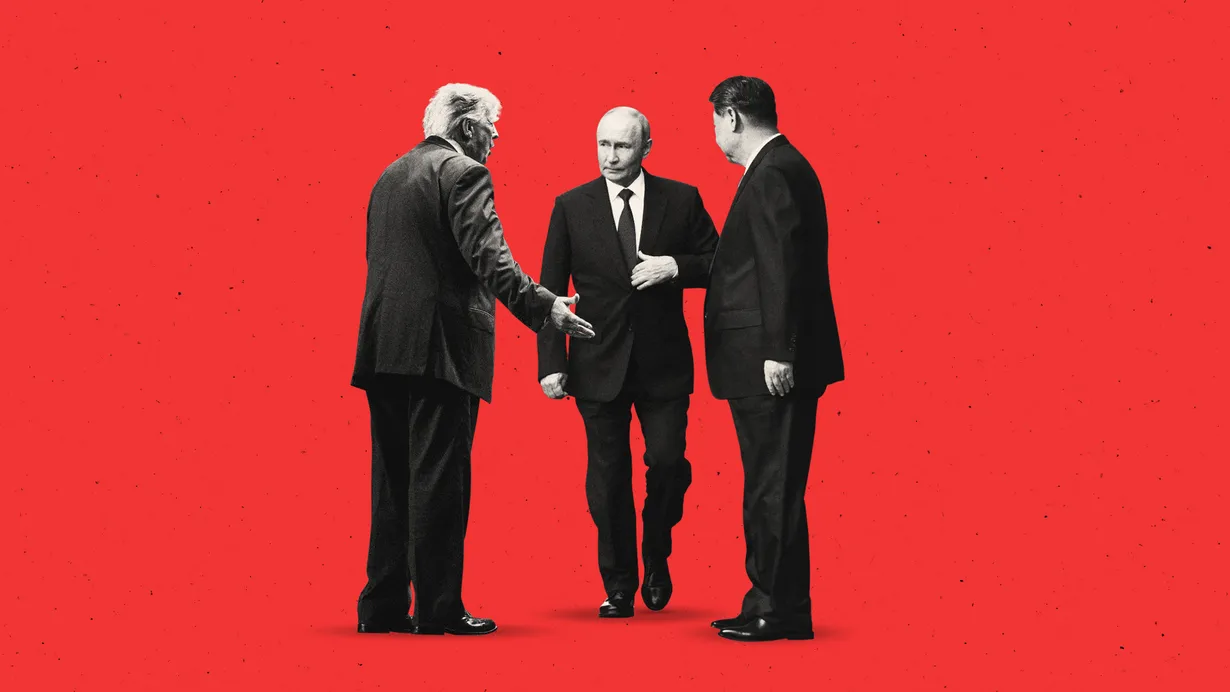
    Evening Review was written and edited by Theara Coleman, Nadia Croes, David Faris, Scott Hocker, Anya Jaremko-Greenwold, Justin Klawans and Joel Mathis, with illustrations by Stephen Kelly.

    Image credits, from top: Illustration by Stephen P. Kelly / Getty Images; Costfoto / NurPhoto / Getty Images; Maria Stavreva / Getty Images; Michael Ochs Archives / Columbia Pictures / Getty Images
     

    Recent editions

    • Morning Report

      The king's speech

    • Evening Review

      Japan pivots from pacifism

    • Morning Report

      Trump mulls Iran’s latest offer

    VIEW ALL
    TheWeek
    • About Us
    • Contact Future's experts
    • Terms and Conditions
    • Privacy Policy
    • Cookie Policy
    • Advertise With Us
    • FAQ
    Add as a preferred source on Google Add as a preferred source on Google

    The Week is part of Future US Inc, an international media group and leading digital publisher. Visit our corporate site.

    © Future US, Inc. Full 7th Floor, 130 West 42nd Street, New York, NY 10036.