The U.S.-Israeli war in Iran has had a tangible effect on the economy in the Middle East, and the conflict is also making things more expensive for Americans at home. Increasing oil prices resulting from the war have cascading consequences, and while things like gasoline are most obviously affected, other products are also getting pricier.
Clothes
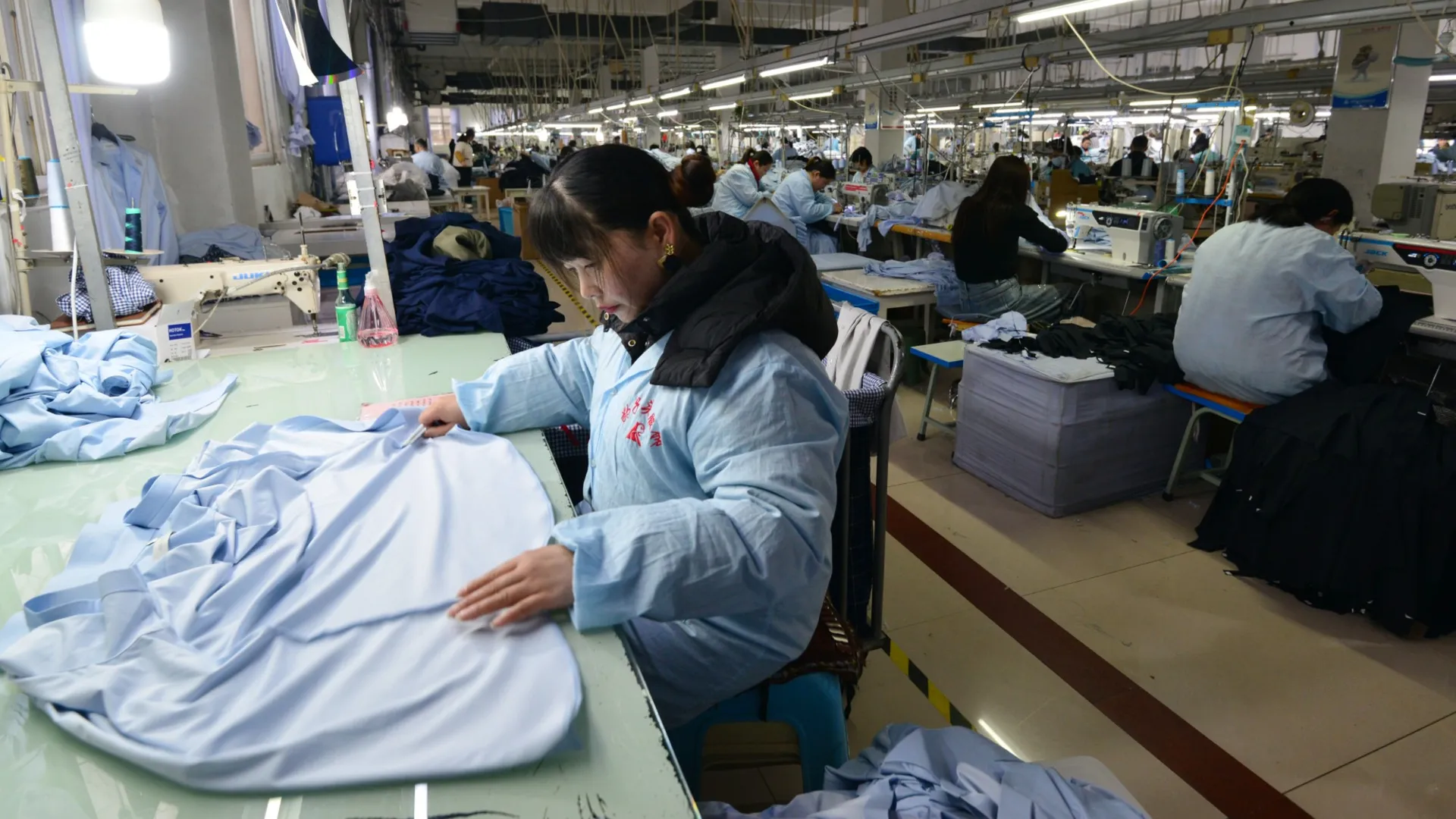
Supply chain issues with crude oil are raising the cost of the oil’s building blocks, called petrochemicals. Six of these petrochemicals are the “major foundations of plastics and synthetic materials like nylon and polyesters,” said The Associated Press. When petrochemicals become more expensive, it is often accompanied by a spike in clothing prices.
To make a button-down shirt, for example, the “materials account for 27%-30% of the cost a manufacturer incurs,” Andrew Walberer, a partner at the global strategy and management consultancy Kearney, told the AP. Experts are “warning consumers to budget for price increases of 10 to 15%” in clothing if the petrochemicals’ costs continue to rise, said the South China Morning Post.
The Week
Escape your echo chamber. Get the facts behind the news, plus analysis from multiple perspectives.
SUBSCRIBE & SAVE
Sign up for The Week's Free Newsletters
Join more than 350,000 subscribers and keep yourself informed with a selection of The Week’s most interesting, enlightening and entertaining stories - plus daily puzzles.
Join more than 350,000 subscribers and keep yourself informed with a selection of The Week’s most interesting, enlightening and entertaining stories - plus daily puzzles.
Latest Videos FromThe Week US
Condoms
People may not assume safe sex would be impacted by the war, but the world’s largest condom manufacturer, Karex, is planning to “raise prices by 20% to 30% and possibly further if supply chain disruptions drag on due to the Iran war,” said The Guardian. Karex, a Malaysian company, supplies more than 5 billion condoms annually to global manufacturers, including major brands sold in the U.S. like Trojan and Durex.
Karex is being forced to raise its prices because the company “has seen a cost increase for synthetic rubber, nitrile, aluminum foil and silicone oil,” said Inc. magazine. While still seeing high demand, the company is “currently faced with rising freight costs and shipping delays, leading to its customers carrying lower stockpiles” of Karex’s products.
Cosmetics
The war in Iran is even “seeping into the cosmetics supply chain, pushing up the cost of everything from plastic jars and lipstick tubes to transport, and reminding the beauty industry that even a tub of face cream depends on fragile global trade routes,” said Reuters. The most notable sector being affected is the Korean beauty industry, which has a large following in the United States.
Due to the unstable cost and raw material prices of petrochemicals, the “unit prices of most products will inevitably be increased,” cosmetics company Luxepack Korea said in a press release, per The Washington Post. Many similar cosmetic brands “aren’t sure how much longer they can absorb rising production costs.”
Gasoline
This one is probably the most obvious: spiking oil prices are causing costs at the pump to skyrocket. On April 29, gas prices “hit a fresh record since the start of the war with Iran, rising to an average nationwide of $4.23 per gallon,” said NBC News, citing data from AAA. The price of Brent crude, the benchmark for international petroleum, also “stands at $114.60, up nearly 25% from the recent low seen April 17.”
It may be unlikely that gas prices will come down anytime soon. President Donald Trump has “told aides to prepare for a long blockade to throttle Iran’s economy by blocking Iranian oil shipments,” said The Guardian. The number of ships moving through the Strait of Hormuz is “now at its lowest level since the start of the war.”
Toys
Like clothes, many stuffed plush toys are “made with polyester and acrylic, synthetic fibers derived from petroleum,” said the AP, so rising prices could similarly impact the toy industry. Suppliers in China have notified Aleni Brands, the company behind popular plush lines like Bizzikins, that “getting the materials already was costing them 10% to 15% more.”
Notable production hurdles are also being experienced by a “cluster of manufacturers in Shantou, a city located 190 miles northeast of Hong Kong, which produces a third of the world’s toys,” said The New York Times. Other child-adjacent products, including crayons, are additionally facing shortages due to petrochemical supply chain issues.



 talking pointsAfter Pike disaster, is it time to rethink death penalty?
 QUOTE OF THE DAY‘What it actually means in the American context is you want to replace American workers with foreign workers and you want boys to play in girls’ sports.’
 the explainerJustice Dept. launches largest-ever effort to strip citizenship