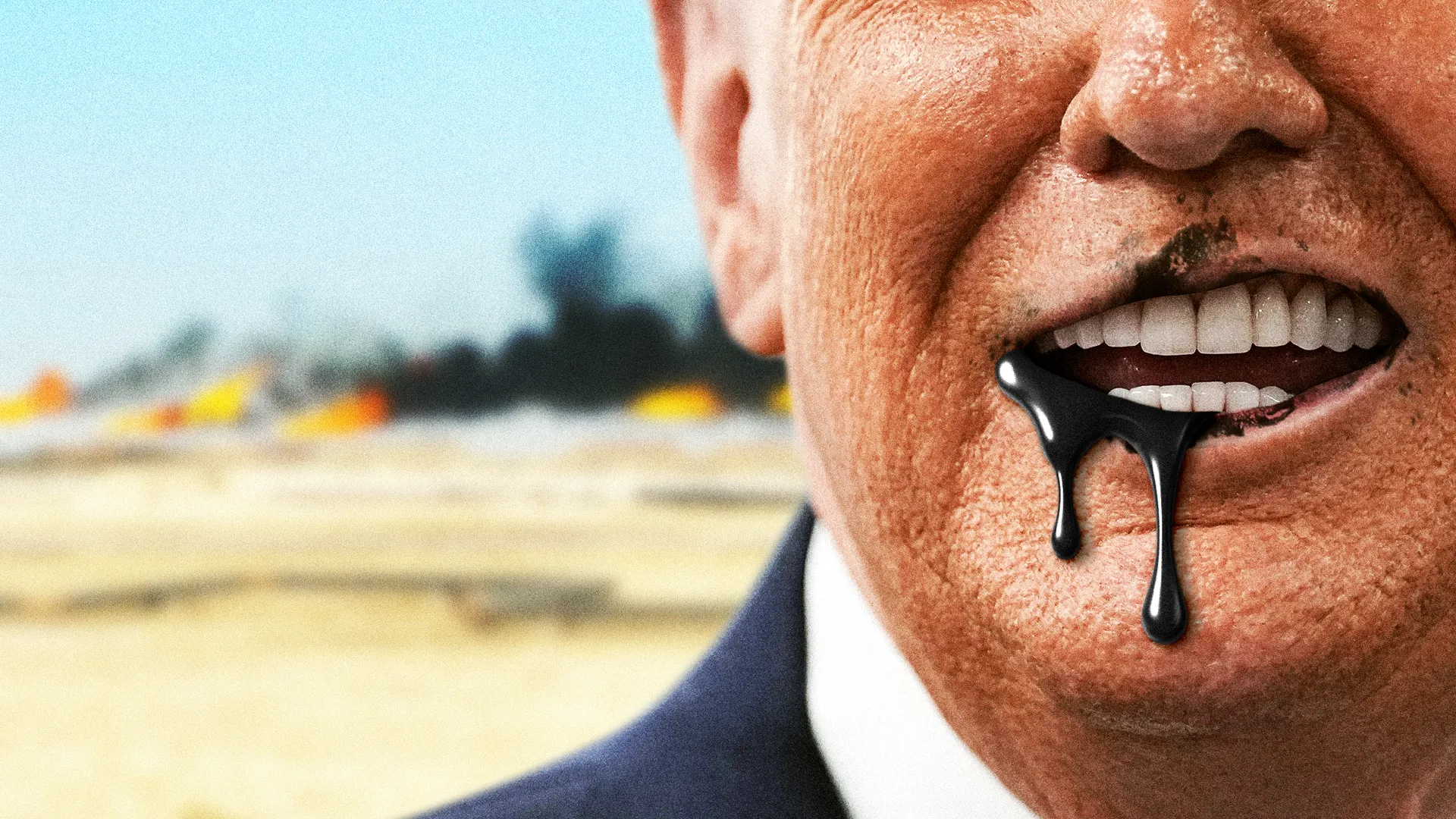
Oil prices jumped last night after Donald Trump said the Iran conflict was “nearing completion”. Despite the US president saying the attacks on Tehran would end in “two to three weeks” and America doesn’t “need their oil”, the markets were not soothed.
“A word – or social media post” – from Trump “used to spark big moves in prices”, said the BBC. Investors would leap on “signs” that things “could escalate or come to an end”. But now traders seem “to be growing more sceptical about the value of his comments”.
What did the commentators say?
The Week
Escape your echo chamber. Get the facts behind the news, plus analysis from multiple perspectives.

Sign up for The Week's Free Newsletters
Join more than 350,000 subscribers and keep yourself informed with a selection of The Week’s most interesting, enlightening and entertaining stories - plus daily puzzles.
Join more than 350,000 subscribers and keep yourself informed with a selection of The Week’s most interesting, enlightening and entertaining stories - plus daily puzzles.
What’s next?
-
-
 talking pointsAfter Pike disaster, is it time to rethink death penalty?
 -
 QUOTE OF THE DAY‘What it actually means in the American context is you want to replace American workers with foreign workers and you want boys to play in girls’ sports.’
 -
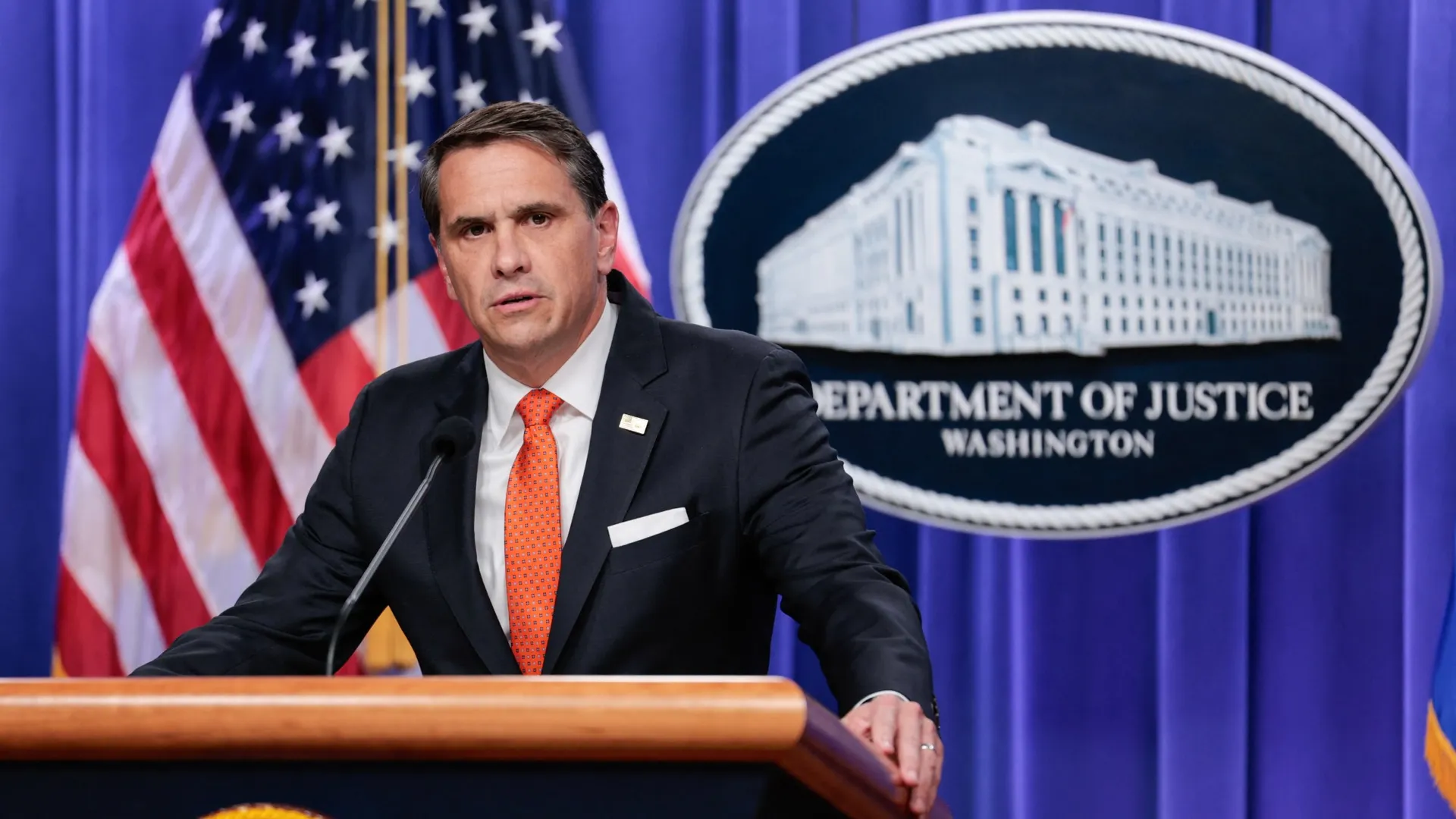 the explainerJustice Dept. launches largest-ever effort to strip citizenship
-
-
-
talking pointsAfter Pike disaster, is it time to rethink death penalty?
-
QUOTE OF THE DAY‘What it actually means in the American context is you want to replace American workers with foreign workers and you want boys to play in girls’ sports.’
-
the explainerJustice Dept. launches largest-ever effort to strip citizenship
-