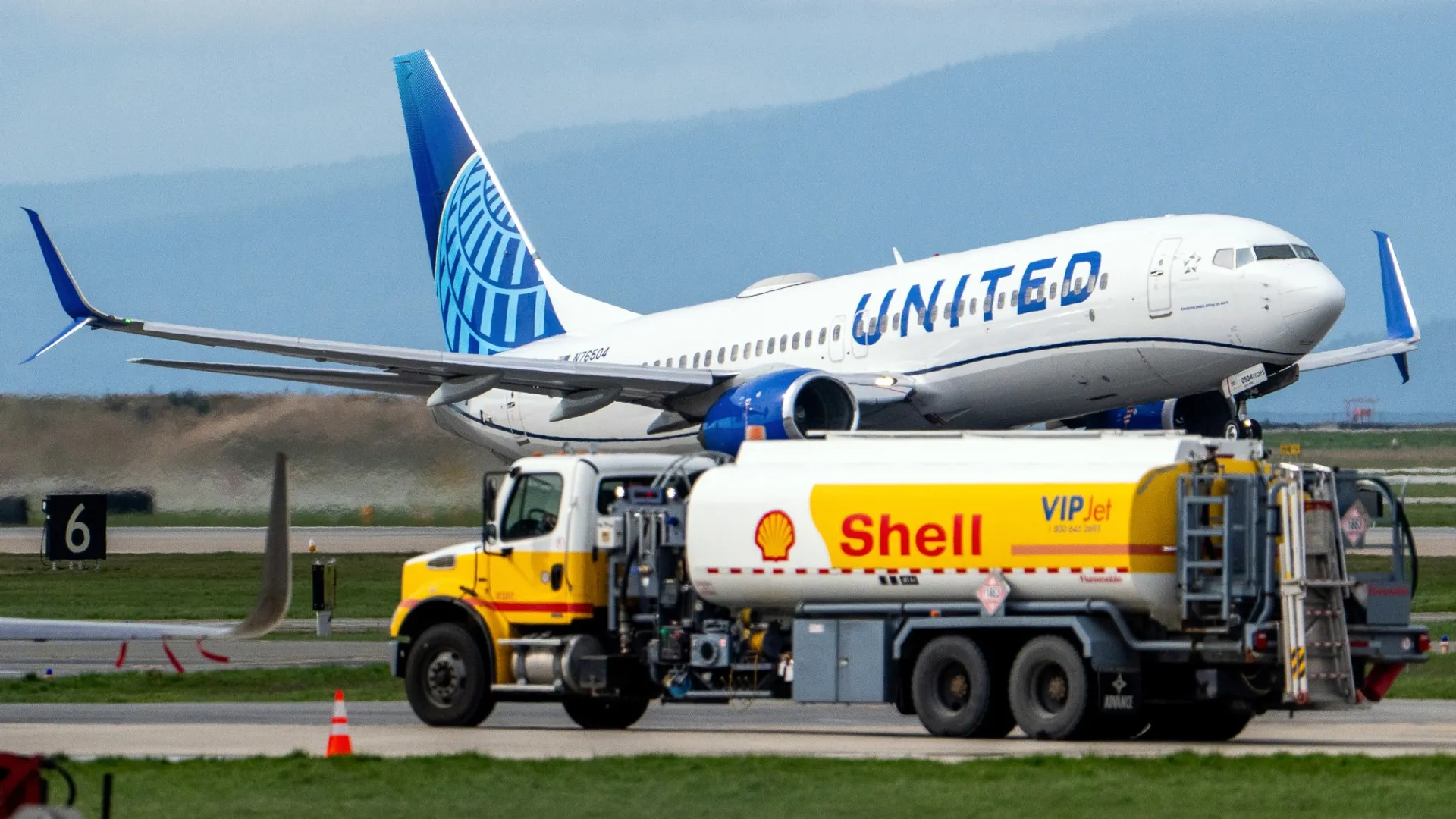
Airlines are feeling the strain of swelling oil prices resulting from the Iran war and closure of the Strait of Hormuz. To deal with higher operating costs, many companies are making changes that shift the burden to consumers, including higher baggage fees, more fuel surcharges and canceled routes.
How are higher gas costs affecting airlines?
Airlines and their customers across the U.S. are being impacted but especially those based in four major hubs: Chicago, Houston, Los Angeles and New York City. In these locations, the average price for a gallon of jet fuel is currently $4.25, according to the aviation trade association Airlines for America. On Feb. 27, the day before the war in Iran started, the average price was only $2.50. Airlines are also “facing an increase in the amount of fuel their aircraft use because of extra miles required to avoid flying over the conflict zone,” said The Guardian.
Fuel is already an expensive cost for aviators and is “generally airlines’ largest expense after labor,” said Quartz. Airlines are feeling the pressure as a result. If prices were to stay at their current level, it would mean an “extra $11 billion in annual expense just for jet fuel,” said United CEO Scott Kirby in a memo to employees. For “perspective, in United’s best year ever, we made less than $5 billion.”
The Week
Escape your echo chamber. Get the facts behind the news, plus analysis from multiple perspectives.
SUBSCRIBE & SAVE
Sign up for The Week's Free Newsletters
Join more than 350,000 subscribers and keep yourself informed with a selection of The Week’s most interesting, enlightening and entertaining stories - plus daily puzzles.
Join more than 350,000 subscribers and keep yourself informed with a selection of The Week’s most interesting, enlightening and entertaining stories - plus daily puzzles.
Latest Videos FromThe Week US
How are airlines adapting?
Many are adding “extra fees and surcharges onto already rising ticket prices” to “recoup costs as the war in Iran causes fuel costs to surge,” said The New York Times. Luggage is one common area where airlines are bumping up the price. Delta and Southwest announced they would “start charging $10 more to check a bag on U.S. domestic flights,” days after United and JetBlue said the same.
The company with the most notable baggage changes may be American. The airline said it would “raise the fee by $10 each for the first and the second checked bag for travelers booking domestic and short-haul international flights,” said The Detroit News. The company also “increased the cost of a third checked bag by $50 to $200” for fliers and additionally announced an upcoming $5 increase on checked bags for passengers flying economy.
Some airlines are also including pricing for the fuel itself. Canada’s second-largest airline, WestJet, announced it would “add fuel surcharges of up to 60 Canadian dollars, or about $43, to some flights,” said the Times. Air Canada unveiled surcharges of 50 Canadian dollars to certain warm-weather destinations. For passengers, the decisions from airlines resulted in “rising fares and fees, fewer flight options and difficult decisions about whether a trip is worth the cost,” said The Associated Press.
Airlines are also cutting the number of places they go. Several Asian airlines have stated they would “cut flights to mitigate fuel shortages and mounting costs,” said Business Insider. Ryanair, Europe’s largest carrier, is also “considering reducing routes,” while Lufthansa could ground up to 40 planes. Air New Zealand will “cut about 5% of its flights, or about 1,100, at the start of May,” and in the U.S., United and Delta are both cutting routes.
As the world creeps toward peak travel season, industry leaders are taking notice of the fuel shortages. ACI Europe, an association representing airports in the European Union, notes these shortages could “hit within three weeks, disrupting summer travel and ‘significantly’ harming the European economy,” said CNBC. For people who still want to fly, experts say “flexibility and careful planning can help offset these costs,” said the AP, and “fare-tracking sites can alert travelers to price changes.”