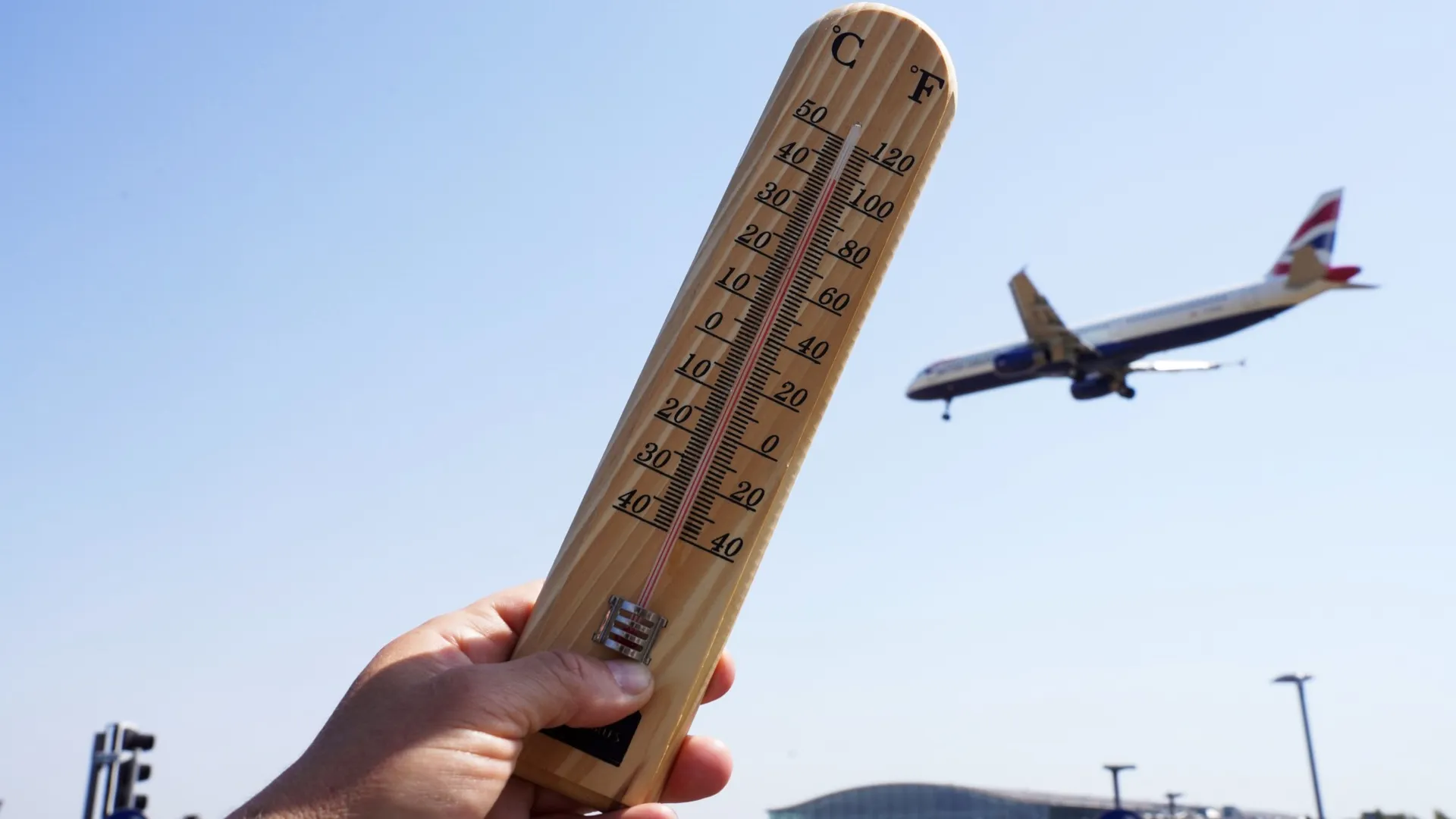
The heat wave that has broken records across Europe could change travel in what seems to be the new normal of sizzling temperatures. And the impact of this extreme weather on “tourism-reliant” countries could be “huge,” said Alejandro Saez Reale, of the World Meteorological Organization, to National Geographic.
‘Coolcation’ trend
Travel could become trickier during the hottest months as heat waves, storms, flooding and wildfires cause more delays and cancellations for flights, trains, ferries and even road travel. So travelers will seek more comfortable temperatures and place greater value on destinations where the weather is steadier and therefore less likely to disrupt their holiday.
And avoiding the peak summer months might not be enough, because heat waves are “spreading across the calendar,” said National Geographic. In May 2022, Spain endured a heat wave of “extraordinary intensity,” and the following year in France, “severe heat” extended into September.
There's an increasing desire for “coolcations.” Eighty-one percent of Europeans are adjusting their travel habits due to the changing climate, with 15% actively seeking cooler climates and 14% avoiding locations prone to extreme heat, said a 2025 study from the European Travel Commission. Finland, Iceland, Norway and Poland are already recording double-digit growth in inbound visitors.
Numbers ‘not dropping’ yet
Despite these changes, France and Spain remain the most visited countries in the world, with 102 million and 96.8 million visitors, respectively, according to U.N. Tourism. So, while the “growth rate may have slowed,” the number of visitors to these warmer countries is “not dropping” yet.
For now, people are still “enjoying Mediterranean destinations during the summer months,” said the Association of British Travel Agents. There’s “increased interest in slightly cooler destinations,” but it “remains the exception rather than the norm.” |