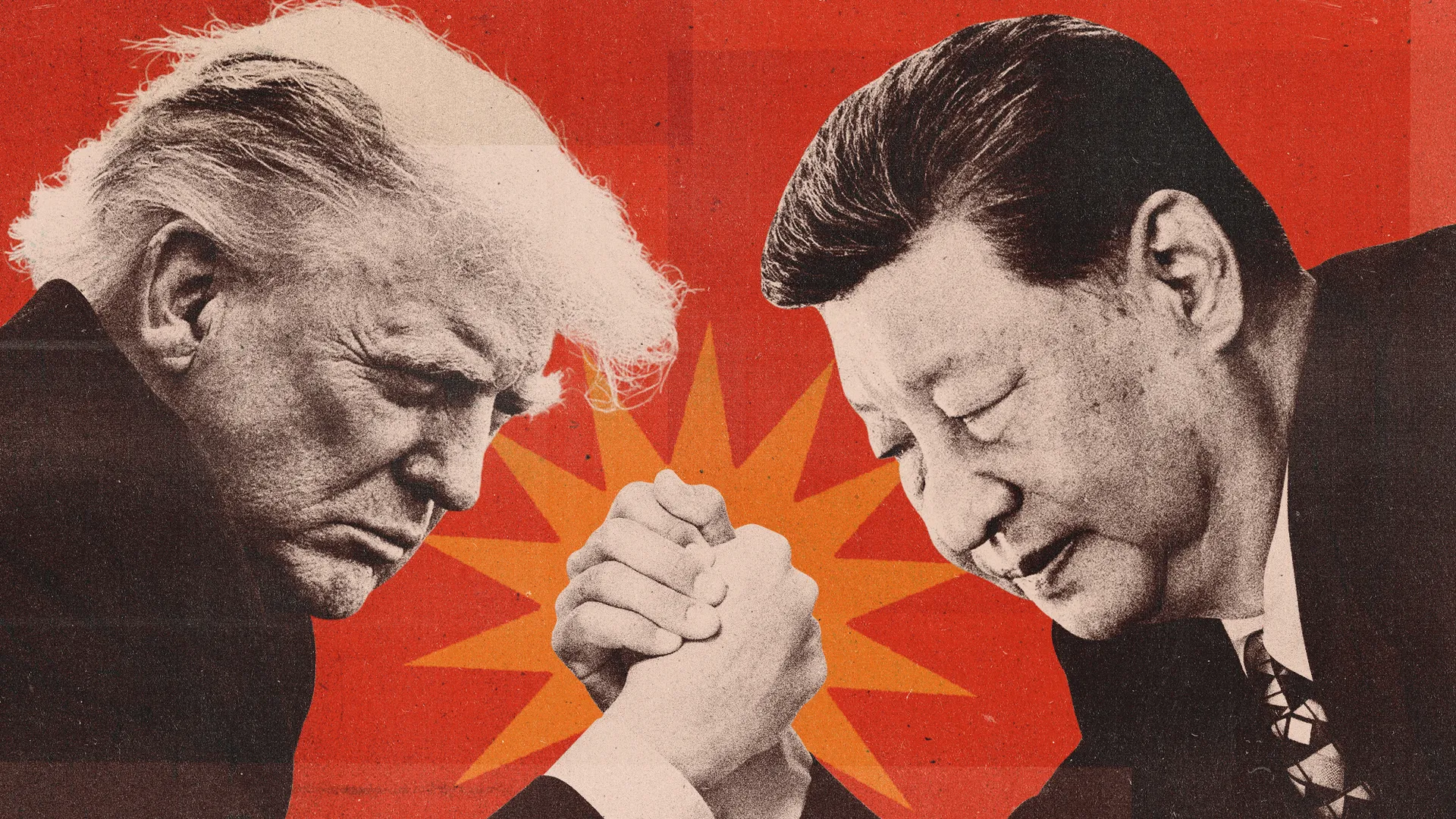
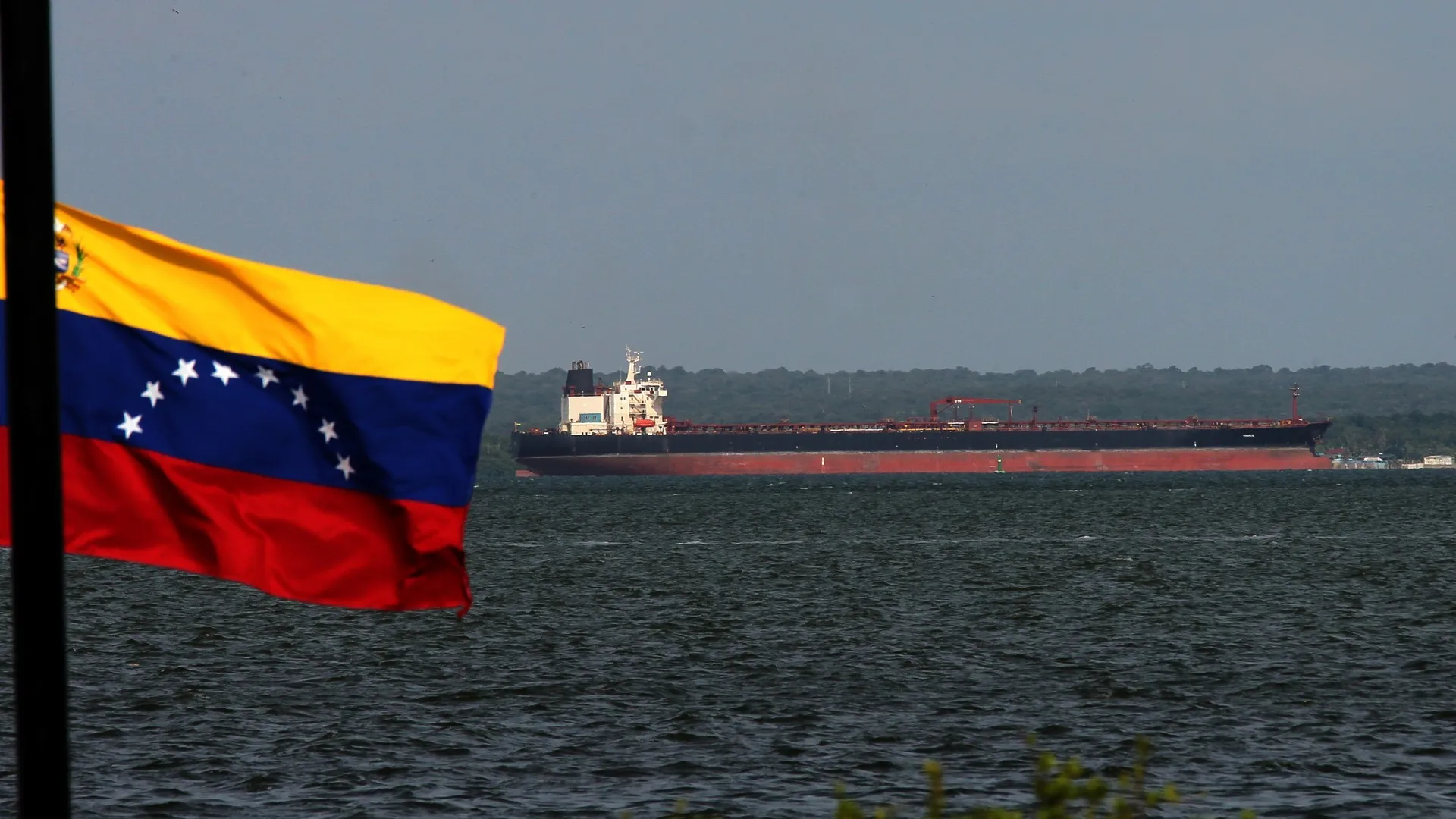
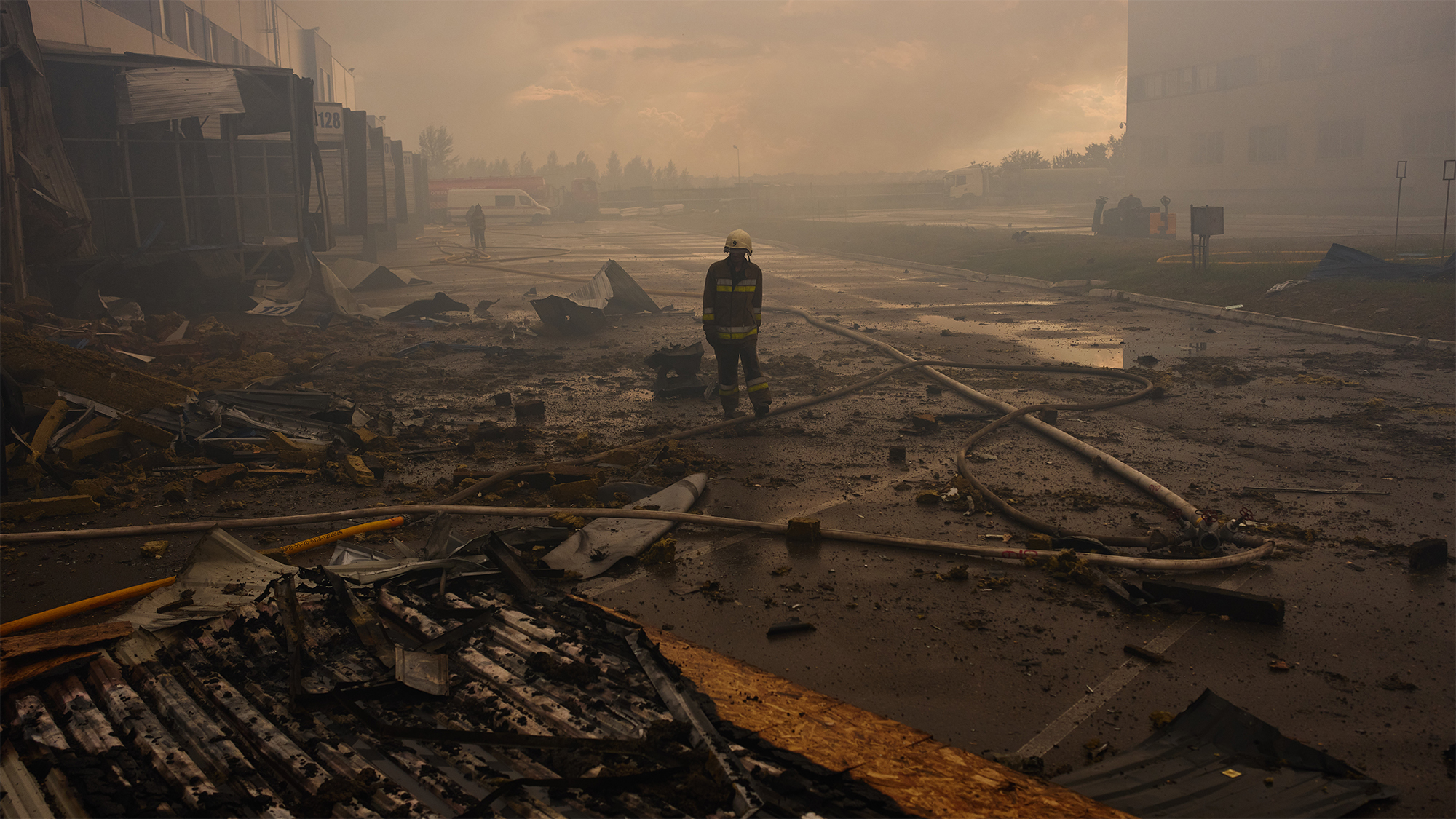
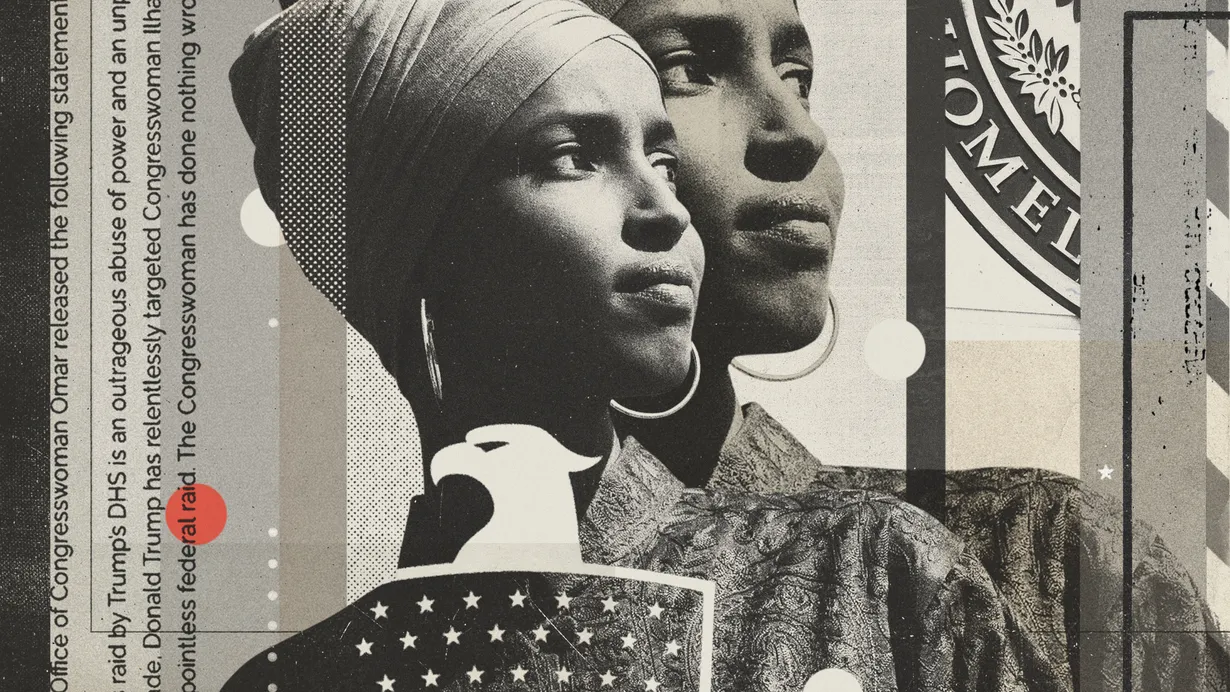
Two top-level summits staged simultaneously this week offered contrasting visions for the world and who will lead it in the coming years. China’s Xi Jinping welcomed Russia’s Vladimir Putin, India’s Narendra Modi and Iran’s Masoud Pezeshkian in Kyrgyzstan’s capital, Bishkek, where Beijing was presented as a driver of stability and champion of an “orderly multipolar world.” While at a G20 meeting in Asheville, North Carolina, Western finance ministers expressed anger at the Trump administration’s decision to invite Russia, its ongoing trade spat with Canada, its decision to punish South Korea, and the continuing economic fallout from the war against Iran.
What did the commentators say?
If the Bishkek summit was “designed to project solidarity,” the G20 gathering “offered an image of fracture,” said David Pierson at The New York Times. China is using ever-closer ties with Russia and Iran, both at war with the West, to “project its influence.” At the same time, the U.S. is “straining the alliances and economic relationships that have underpinned decades of global leadership.”
The “emerging global order is not simply dividing into two fixed camps,” said Business Insider Africa. Countries like India are “maintaining relationships with competing powers while pursuing their own strategic interests.” And Xi has also sought to build bridges with the West, separately hosting the leaders of Germany, Britain and Canada this year, as long-standing allies turn away from the U.S. under President Donald Trump.
The world’s two leading economies are “uneasily preoccupied with their trajectory these days,” said Evan Osnos at The New Yorker. China is “eager to restore its historical eminence,” and having long “looked West for visions of the future,” nowadays “it favors its own.”
What next?
China put on a show of strength not only in Bishkek but also in Asheville, where it blocked a G20 joint statement. And later this month, Xi and Trump will meet in Washington, D.C. |