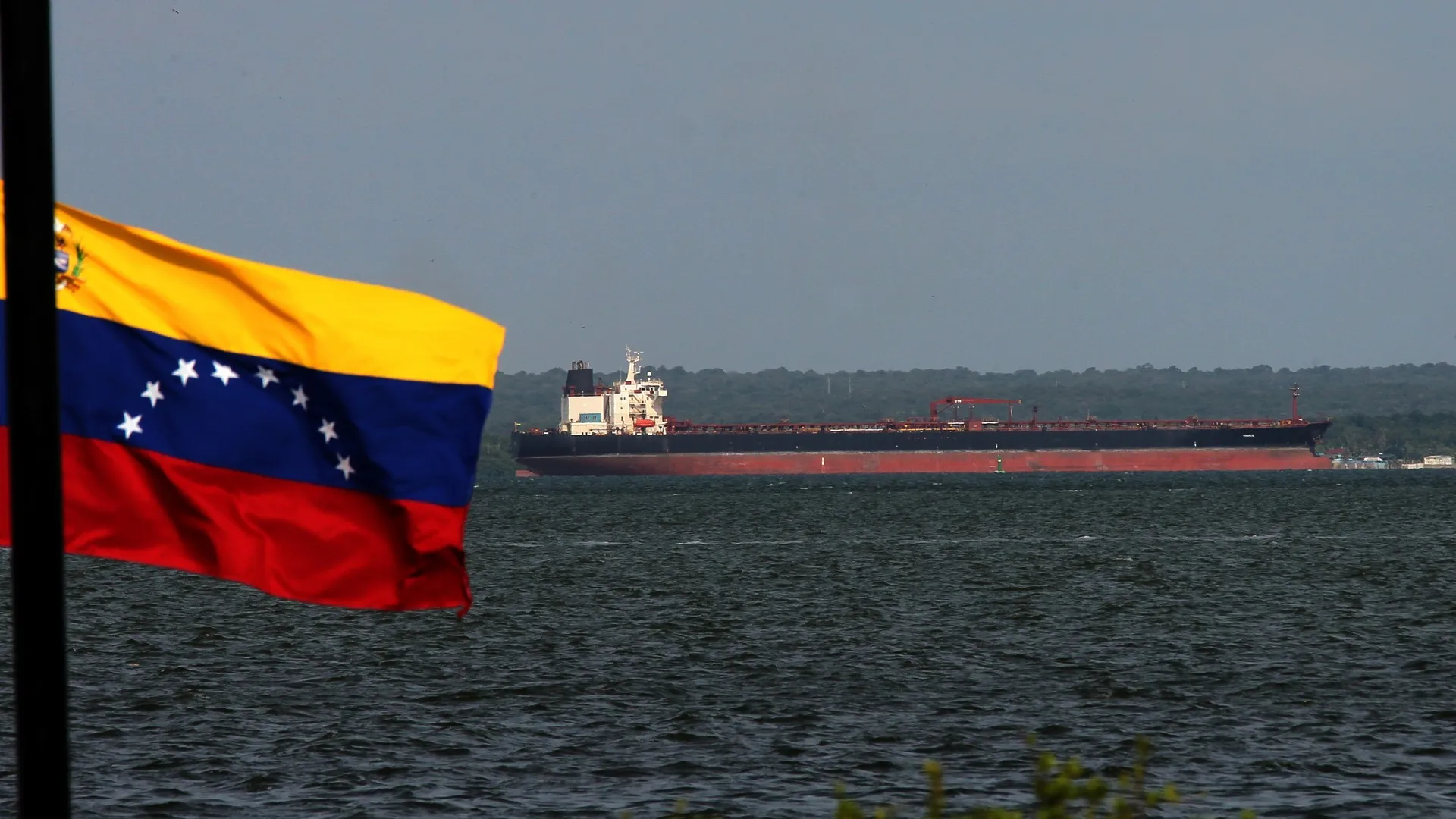
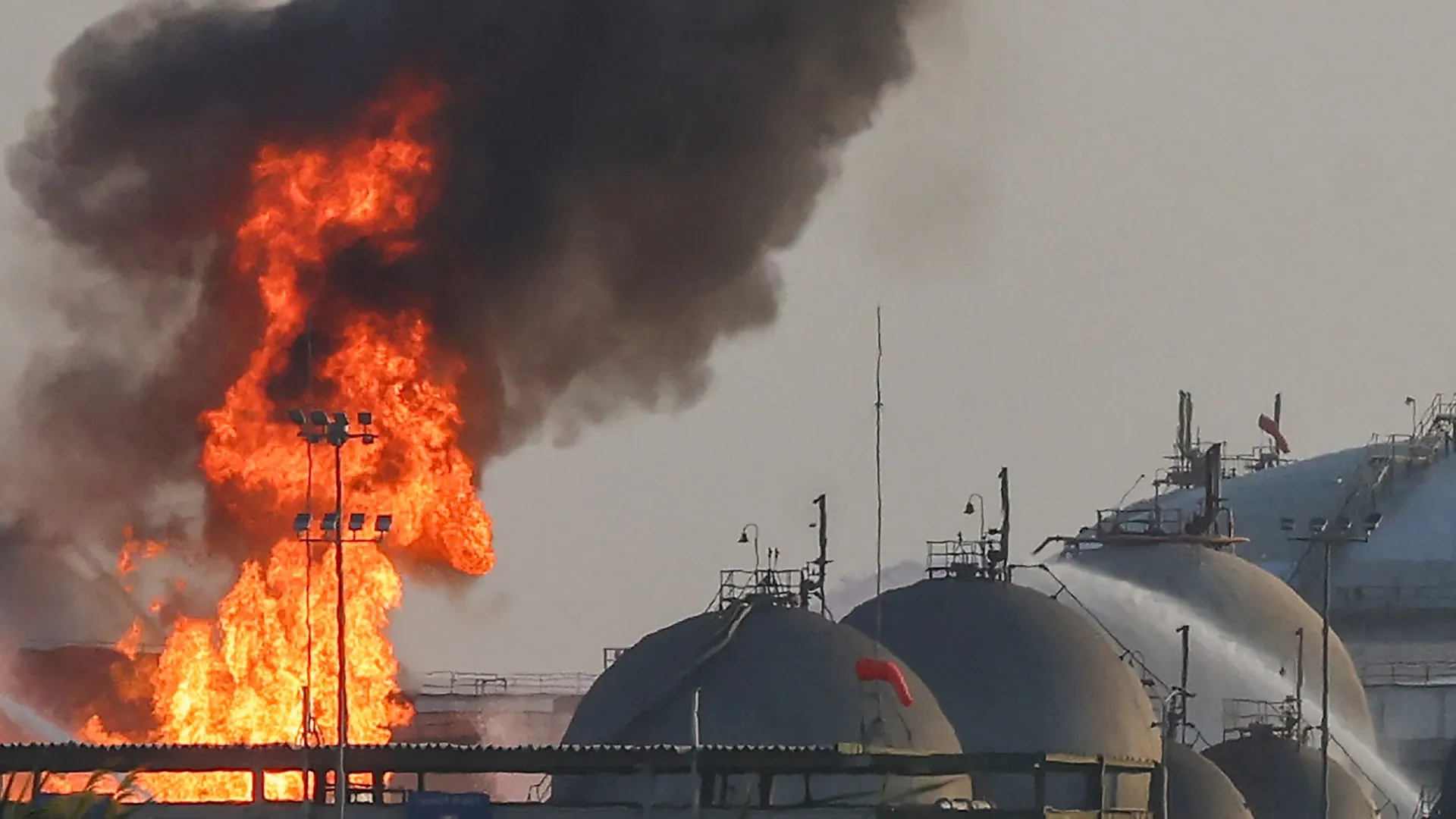
President Donald Trump last week announced the United States is obtaining rights to 65 million barrels of Venezuelan oil reserves. The agreement was made under the auspices of unelected President Delcy Rodríguez, who owes her position to the January U.S. military operation that snatched her predecessor out of the country. It is the “biggest oil deal in world history,” Trump said in a statement. Critics say the pact is illegal and exploitative.
‘Almost certainly unconstitutional’
Venezuela is “becoming the 51st state in all but name,” Joseph Zeballos-Roig said at MS NOW. Trump’s deal would give the U.S. “privileged access” to the country’s oil production and allow the United States to replenish its “dwindling stockpiles” of petroleum depleted by the war with Iran. The agreement will also “temporarily shore up” Rodríguez’s government thanks to an influx of tax revenues. But it looks like “gilded imperialism” and will likely “deepen a disconnect between Venezuelans and hopes for a new government” after the downfall of dictator Nicolás Maduro.
The agreement is “almost certainly unconstitutional” under Venezuelan codes, Elliott Abrams said at The Washington Post. The country’s laws say petroleum resources “are the property of the Republic” and “not transferable” to outside entities. Trump’s deal “hardly meets that criteria.” The scheme also relies on a private company led by Alejandro Betancourt, who has been accused of money laundering and made his fortune “under the corrupt Hugo Chávez and Maduro regimes.” What seems certain: “The deal will fail if democracy ever returns to Venezuela.”
The Week
Escape your echo chamber. Get the facts behind the news, plus analysis from multiple perspectives.
SUBSCRIBE & SAVE
Sign up for The Week's Free Newsletters
Join more than 350,000 subscribers and keep yourself informed with a selection of The Week’s most interesting, enlightening and entertaining stories - plus daily puzzles.
Join more than 350,000 subscribers and keep yourself informed with a selection of The Week’s most interesting, enlightening and entertaining stories - plus daily puzzles.
Latest Videos FromThe Week US
The Venezuela deal has given the U.S. a “strategic victory” over its rivals, Arturo McFields said at The Hill. The country’s oil fields were previously controlled by Russian and Chinese companies, and revenues flowed also to Maduro’s allies in Cuba and Iran. No more. The U.S. is obtaining “energy security” and lower gas prices, while the government in Caracas gets an agreement that “revitalizes its oil industry, creates jobs and fosters prosperity.”
‘Old-school colonialism’
The agreement could be remembered as the “moment Venezuela shut the door on communism,” Yuri Perez said at Fox News. Critics who say the government “lacks legitimacy for long contracts” are right that legitimacy “must be completed at the ballot box.” But the alternative should not be “idle oil fields and an open door to Cuba, China and Russia.” A “future democratic congress” can and should ratify the deal on behalf of Venezuelans.
“The deal smacks of old-school colonialism,” Liam Denning at Bloomberg. And it is unlikely to draw major oil companies back to Venezuela. (Chevron, the only outside oil company that remained, said this week it will double its production there.) The “opaque settlement” possibly puts new elections “further out of reach” and will thus be “inherently brittle.” Rebuilding Venezuela’s oil production and its democracy will be the “work of many years of intense effort.” Trump has instead opted for a “shortcut” that relies on “raw U.S. power.”