The Week The Week
flag of US
US
flag of UK
UK
https://cdn.mos.cms.futurecdn.net/flexiimages/jacafc5zvs1692883516.jpg

SUBSCRIBE & SAVE

Less than $3 per week

Sign in
  • View Profile
  • Sign out
  • The Explainer
  • The Week Recommends
  • Newsletters
  • Cartoons
  • From the Magazine
  • The Week Junior
  • More
    • Politics
    • World News
    • Business
    • Health
    • Science
    • Food & Drink
    • Travel
    • Culture
    • History
    • Personal Finance
    • Puzzles
    • Photos
    • The Blend
    • All Categories
  • Newsletter sign up Newsletter
  • The Week Evening Review
    The GOP’s risky rally, Ukraine’s air travel threat, and college sports’ pro players

     
    TODAY’S BIG QUESTION

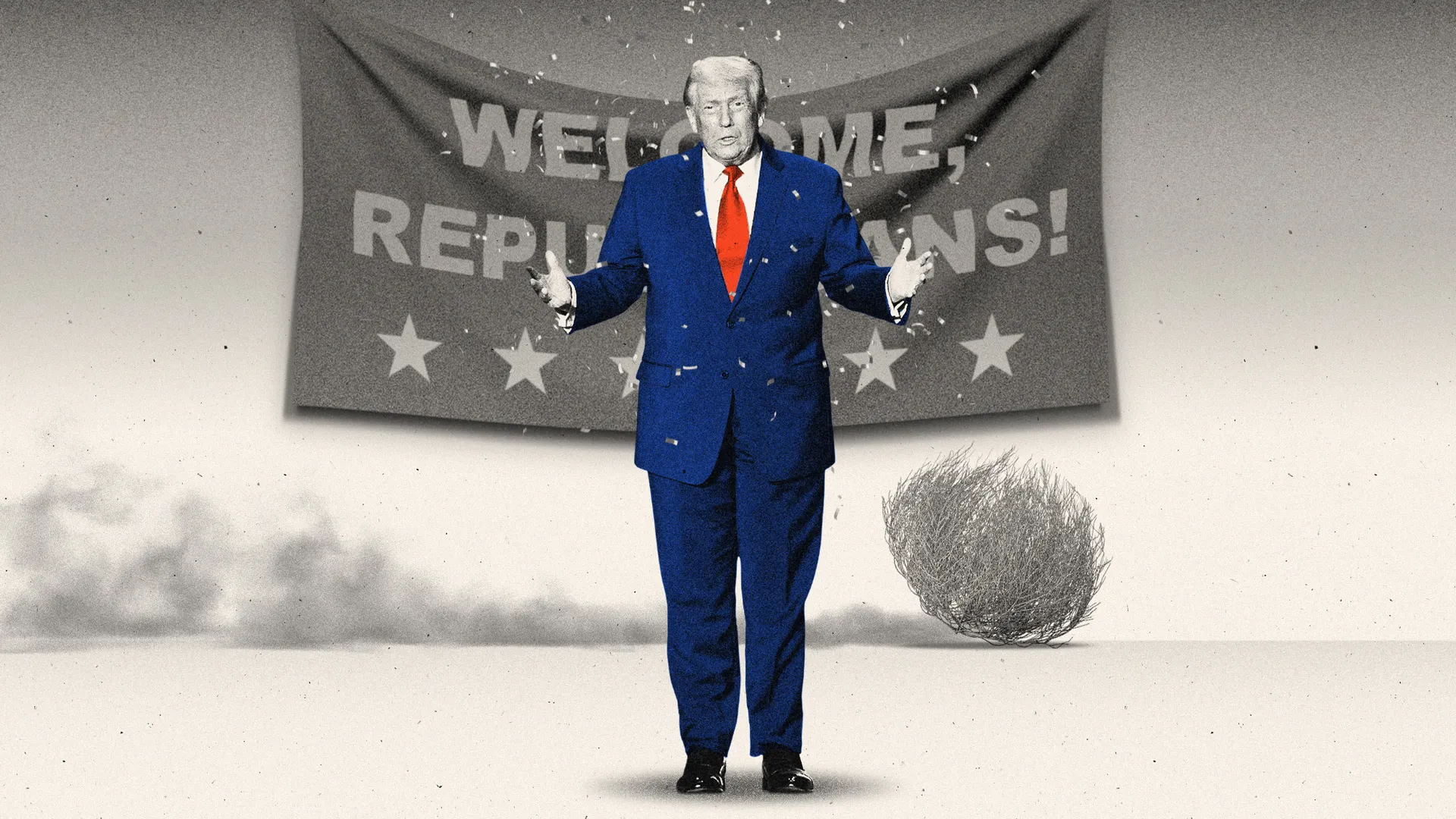
    Is Trump’s midterm convention already a flop?

    This week’s midterm GOP convention in Dallas will be a “rally like none other” and a “truly historic event,” said President Donald Trump on Truth Social in June, when he first announced his plans for an off-season conservative confab. But despite his enthusiasm, not everyone in the GOP is sold on making the trek to Texas, especially during a brutal campaign cycle that has pushed many battleground Republicans into an electoral crouch. 

    What did the commentators say?
    Republicans are “privately questioning” whether Trump’s convention “strikes the right tone amid the electorate’s tightening budgets,” all while “diverting candidates from their districts just weeks out from Election Day,” said CNN. The “overarching fear,” though, is that an event “once dubbed ‘Trumpapalooza’” will end up being “far more about promoting the president than the candidates who are actually on the ballot.”

    Republicans are staring down a “bleak political environment” in which Trump’s approval is at a “record low,” said The New York Times. GOP candidates in battleground races may therefore be “keeping their distance” from the rally, “choosing to stay home and campaign instead.” 

    Republicans face “growing hesitation” about associating themselves with the “polarizing president,” said Politico. “More than 70 GOP candidates and members” polled by the outlet revealed that “most either do not plan to attend or are still weighing whether to go.”

    Although traditionally “major party conventions” orient themselves around a “specific item of business” such as “formally nominating” candidates, the Dallas convention has “no such line items,” said The New Republic. Steep attendance costs reflect that the event has been “billed as a big Republican party.”

    Then there are the “optics” of an event scheduled days after the anniversary of the 9/11 attacks, said Puck. It’s “imperfect timing, perhaps,” for officials to be “photographed carousing in elephant hats with the party’s wealthy elite.”

    What next?
    The convention is scheduled to last two days, said Texas Republican consultant Brendan Steinhauser to The Hill. “Not two weeks.” The short time frame won’t be “taking away from anything else,” and so long as the event is a “net positive financially” and makes use of the time to “deliver a message,” then “it’s a good thing.”


    QUOTE OF THE DAY

    ‘Culture and art is part of what France is, but it’s part as well of our soft power outside.’

    French President Emmanuel Macron, to Variety at the Lumière Summit in Saint-Paul-de-Vence, on France’s cultural policy, which recirculates levies on cinema admissions into local productions. Recognizing that “art is an exception” that requires both government investment and a “diversity of people, players, authors” is crucial for multilateralism, he added. 


    the explainer

    Ukraine’s threat against Russian commercial air travel

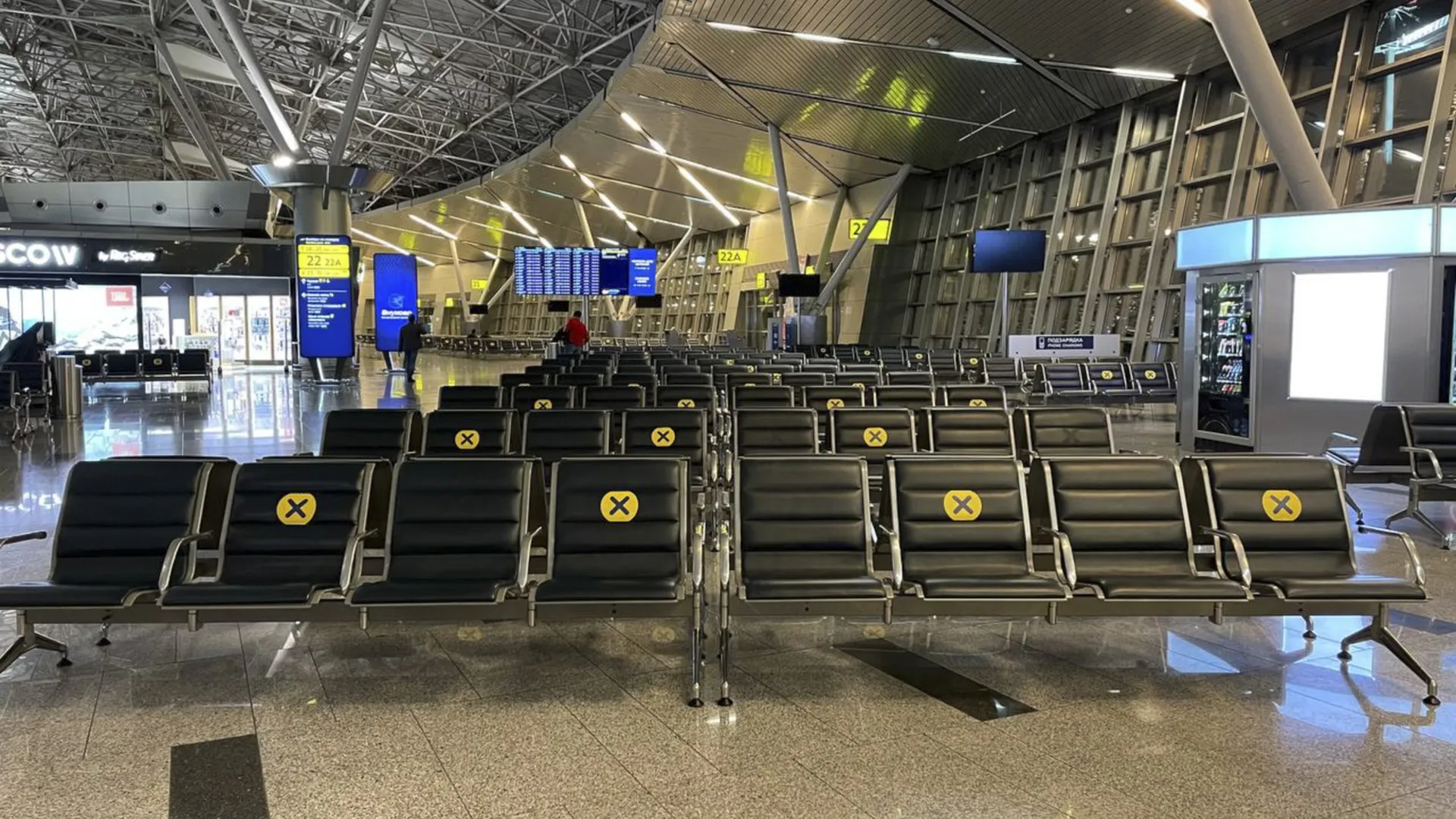
    Ukraine has spent years using its drone arsenal to great effect, both in its wartime front with Russian forces and in penetrating deep into Russian territory for daring aerial attacks on fuel and commercial infrastructure. Now, Ukraine has a new target: Russian airports and Moscow’s commercial air travel industry. “Russian airspace is becoming completely unsafe,” said President Volodymyr Zelenskyy in a statement last week. 

    Why focus on commercial air travel?
    Zelenskyy’s threat to commercial air routes comes as part of Ukraine’s “effort to disrupt Russia’s economy” and “pressure Moscow to end the war,” said The Wall Street Journal. Ukraine has “vowed to avoid targeting airliners and civilian deaths.” Instead, it intends to circulate drones “near Russian airports, forcing air-traffic control to pause takeoffs and landings.” 

    The strategy is “no longer simply a repetition of isolated, sporadic emergency alerts” that have shuttered Russian airways in the past, said Serhiy Bratchuk, a spokesman for the Ukrainian Armed Forces’ Southern Command, to the Journal. Ukraine intends to “transition to constant pressure aimed at paralyzing civilian air traffic.”

    The problem for Russia is “not that Ukraine has to shoot down an airliner,” said industry news site Live and Let’s Fly. “Quite the opposite.” Ukrainian drones merely need to “create enough uncertainty” for authorities to close airports or until “airlines or insurers decide the risk is no longer worthwhile.” The tactic is a “useful tool of war.” 

    But trying to shutter an airport permanently “would be difficult,” said The Guardian. A “sustained attack would become predictable and easier for air-defense systems to halt.”

    What are Russia’s options?
    Russian President Vladimir Putin “vowed that Russia would keep pummeling” Ukraine, at a press conference last week where he “dismissed” Zelenskyy’s threat to Russian airspace, said The Washington Post. “One does not negotiate with terrorists,” said Putin.

    Russia’s military is “focusing on striking manufacturing and storage sites around Kyiv and energy and port operations in Odessa,” said former Deputy Under Secretary of Defense Stephen Bryen on Substack. While it’s “uncertain whether Zelenskyy’s warning will change the current pattern of attacks and retaliations,” it’s also “hard to see” how Ukraine can “keep launching hundreds of drones” nightly into Russia.


    Statistic of the day

    153 million: The number of American and Canadian driver’s licenses being sold by an identity theft service on the dark web. The site appears to be “siphoning images” collected by a “widely used identity verification company based in Louisiana,” said KrebsOnSecurity. The New Orleans field office of the Federal Bureau of Investigation has launched an official investigation.


    in the spotlight

    Why pro athletes are trying to return to college teams

    College sports were once a bastion of amateur athletics. Now, players get paid openly, going to teams that can offer them the biggest paycheck. The lines between college and professional sports have grown fuzzy, and some marginal pro players are even attempting to return to class to keep their careers alive. But a fierce backlash has ensued.

    LSU: ‘Enraged every stakeholder’
    It was once a settled fact that players who had “moved on to pro sports from college could not return to college,” said The Associated Press. Louisiana State University (LSU) is testing that notion, enrolling two athletes, Dae’Quan Wright and Zxavian Harris, who “spent time in NFL training camps this summer.”

    A judge ruled the duo should be allowed to play under brand-new NCAA rules that allow a fifth year of college eligibility, and the league is appealing. The players are currently in limbo, said the AP. 

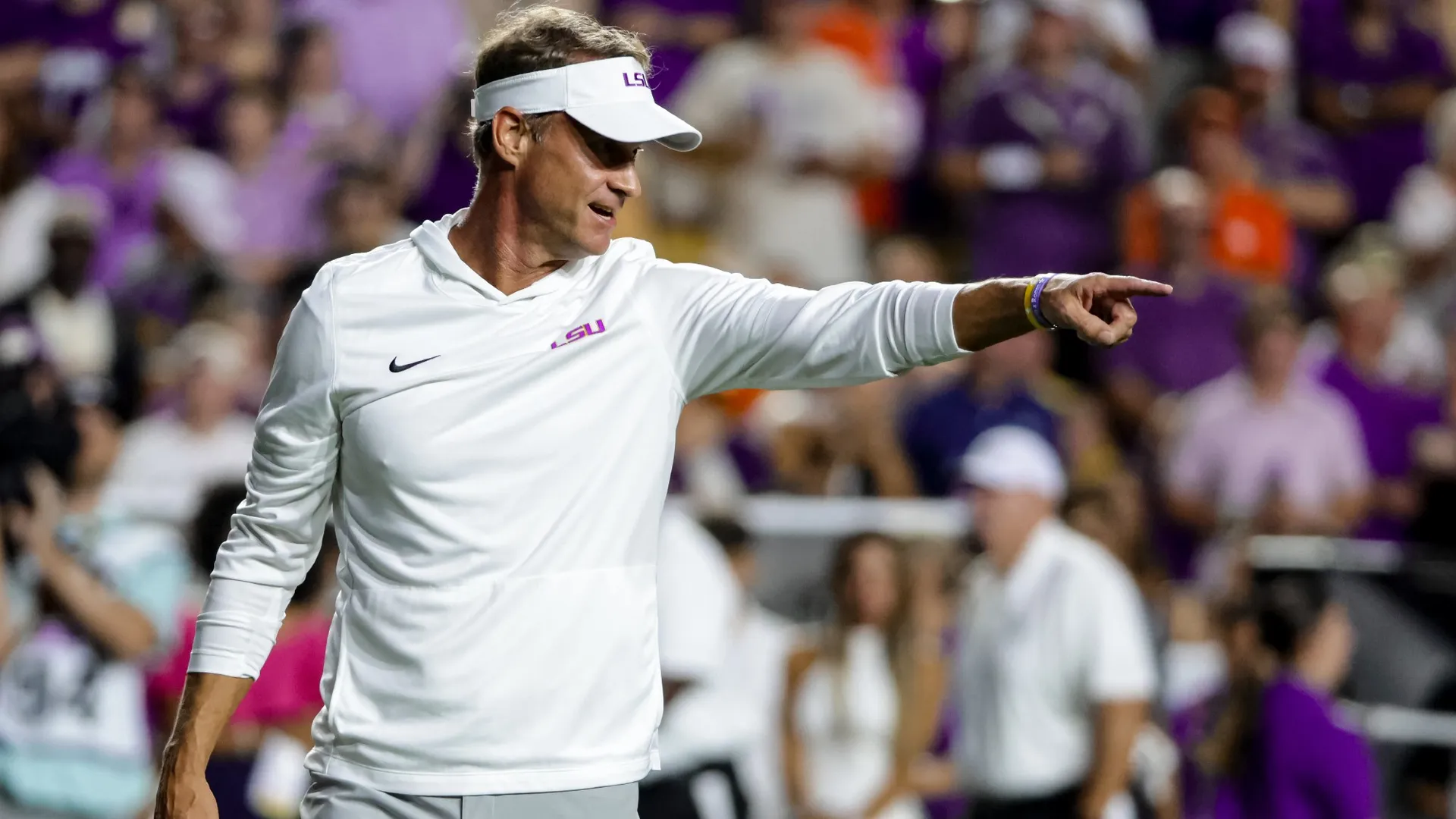
    First-year LSU Coach Lane Kiffin (pictured above) has “enraged nearly every stakeholder in the sport” with his attempt to bring the pros back to college, said The Wall Street Journal. Athletes who “sign professional contracts” should not be “permitted to return to college competition,” said the Southeastern Conference in a statement, per the Journal.

    Amateurism: ‘Fundamentally dishonest’
    The LSU saga is highlighting “college sports’ identity crisis,” said Jason Lloyd at The Athletic. University athletes “weren’t paid, they weren’t represented by agents, they couldn’t profit from endorsements” until the last few years. Such amateurism was “fundamentally dishonest” given the billions of dollars generated by college sports. 

    In a recent change, direct payments and endorsements are now allowed. But colleges refuse to call the newly paid athletes “employees,” said Lloyd. So the question that must be answered is: “What, exactly, is a college athlete in 2026?”

    While the legal battle proceeds, LSU is playing without Wright and Harris and playing well. Kiffin’s football team led Clemson 31-3 at halftime of Saturday’s game. “Imagine if we had pro players,” said Kiffin at halftime to ESPN. 

    The SEC is not amused. Today, the league scheduled a vote of its college presidents to decide “whether to expel the Tigers from the league,” said ESPN.


    Good day 🪎

    … for Viking culture. An anonymous man based in the northern Danish municipality of Rebild has discovered what turned out to be Denmark’s largest known hoard of Viking Age silver, according to Danish cultural organization Nordjyske Museer. The man was prepping his backyard for a construction project when he came across the treasure trove of about 700 silver pieces.


    Bad day 🌲

    … for environmental research. The U.S. Forest Service is closing 23 research and development stations in over a dozen states amid an “organizational overhaul” under Trump intended to “trim costs and concentrate the agency’s resources in Western states,” said officials, per The Associated Press. The work being done at the research stations will be delegated to other sites.


    Picture of the day

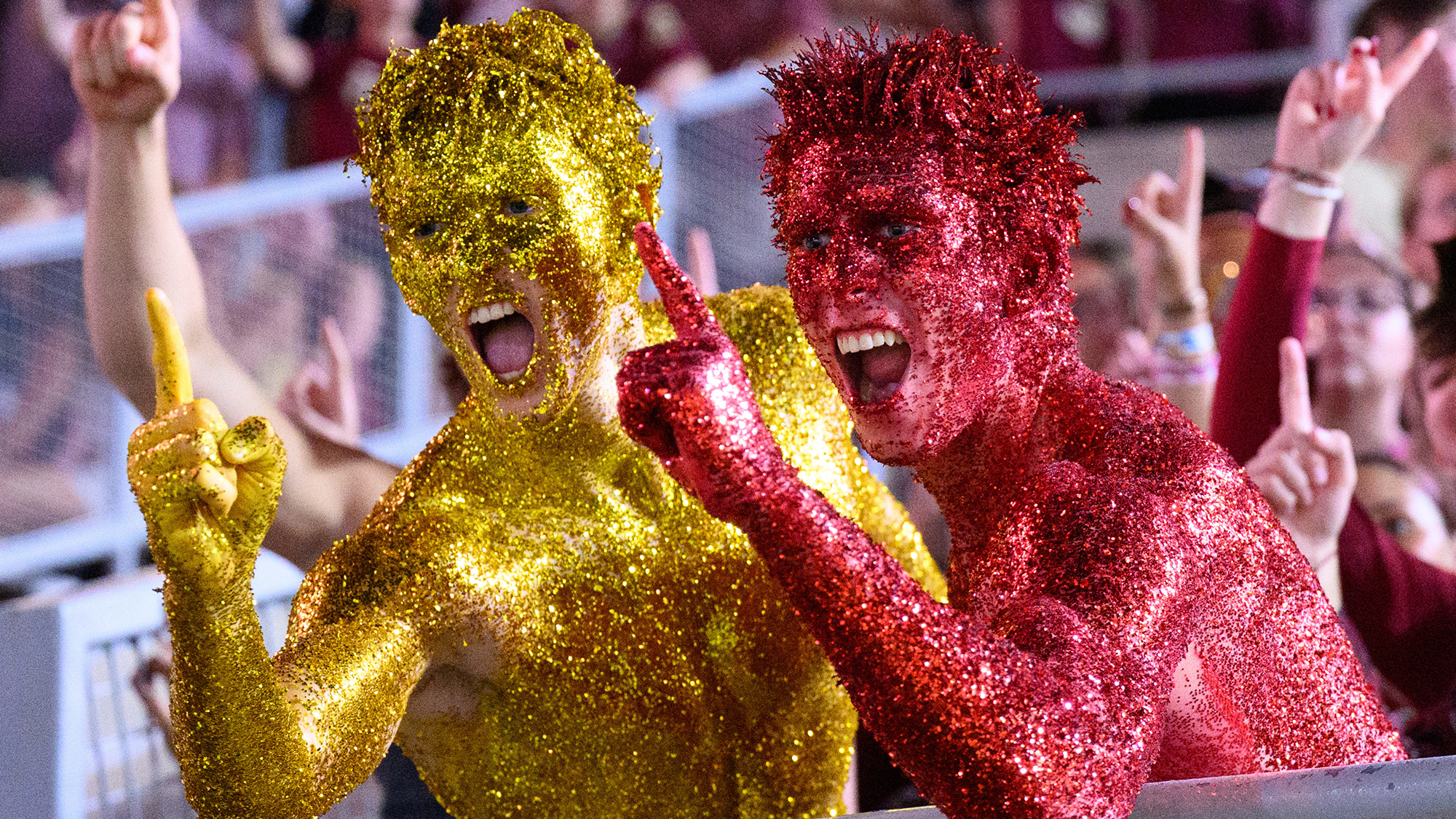
    Game-day glitterati

    FSU students react during a stadium-wide power outage at an NCAA college football game against SMU in Tallahassee, Florida. Power went out at Doak Campbell Stadium minutes before the scheduled kickoff, and the delay lasted almost two hours.
    Noah Lantor / AP Photo


    Puzzles

    Daily sudoku

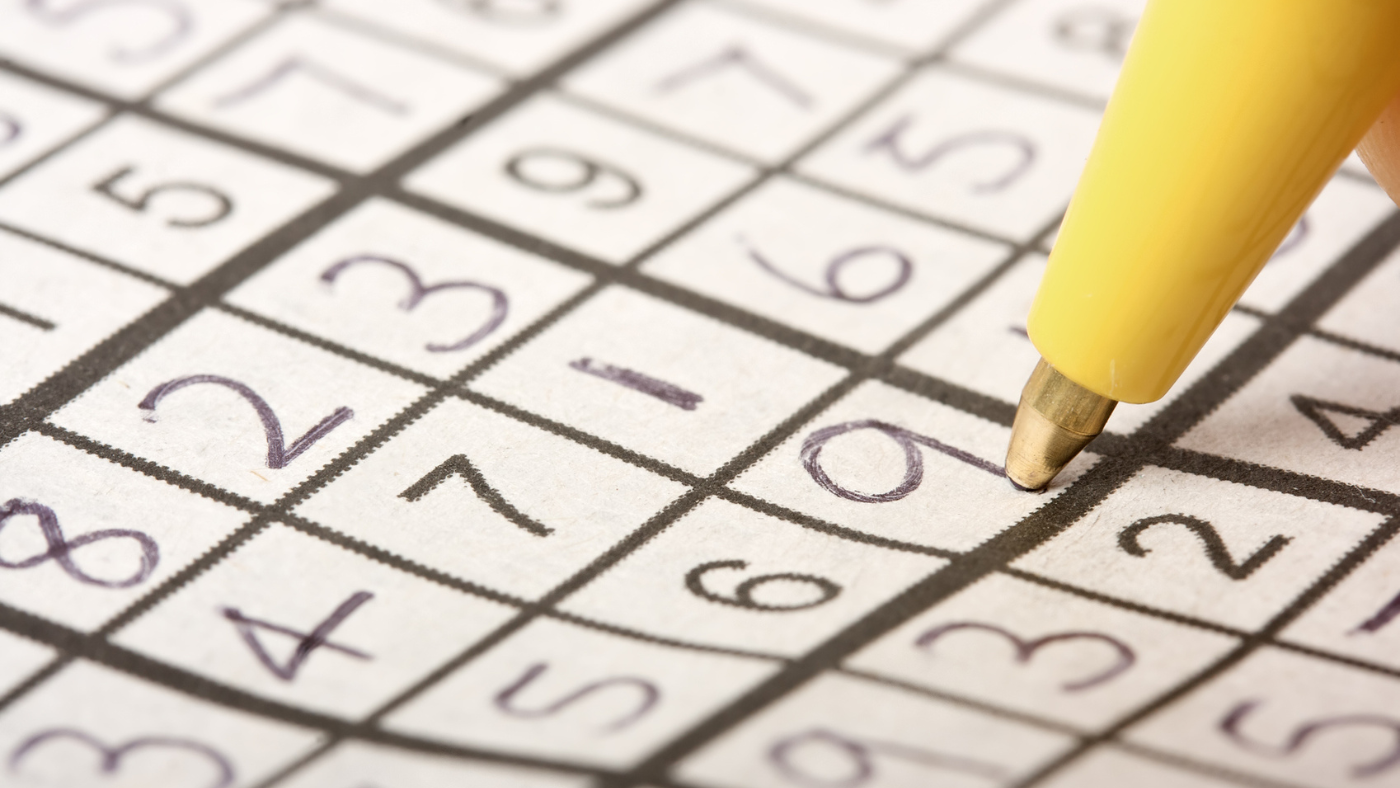
    Challenge yourself with The Week’s daily sudoku, part of our puzzles section, which also includes guess the number

    Play here


    The Week recommends

    Get full-bodied: the ideal gifts for coffee lovers

    Help realize your favorite coffee lover’s barista dreams with a gift that will elevate their at-home java game. Each one of these items can be used for making a cup of coffee in the morning or entertaining a crowd ready to get caffeinated.

    Fellow Atmos electric vacuum coffee canister
    Using fresh coffee beans is one of the “most important parts of making a good cup,” said Wired. Storing them in a vacuum-sealed canister keeps the beans at their peak, preserving the “delicate and rich flavors you get from fresh-roast coffee.” The electric version of Atmos’ coffee canister is easy to use — just push a button — and can also hold spices, nuts and loose-leaf tea. ($80, Amazon)

    Lardera Wilfa Uniform grinder
    This grinder’s 58 mm steel flat burrs ensure precision and uniformity, with 41 settings to choose from for cold brew, pour-over, drip, French press, AeroPress and espresso. The stylish grinder is easy to use and “sits discreetly” on a countertop “without getting in the way,” said The Verge. ($299, Lardera)

    SugarBean Coffee Bean Brulée
    Think crunchy, crackly and like nothing else. Coffee Bean Brulée is a candy made of Arabica coffee beans enveloped in caramelized sugar, which shatters when chewed or crumbled up as an ice cream topping or coffee garnish. There are three caffeine strengths to choose from — single, double and triple shot — and several different flavors, like cardamom, cacao nib and coconut. ($8.50, SugarBean)

    Read more


    Poll watch

    A majority of Americans (89%) believe government corruption is widespread — the highest percentage in “20 years,” according to a Gallup survey of 1,000 adults. The percentage of Democrats who have this belief has risen most sharply since 2024, from 57% to 91%.


    INSTANT OPINION

    Today’s best commentary

    ‘America’s 911 system is dangerously out of date’
    Rebecca Neusteter at Time
    Many Americans “may be surprised to learn a sobering truth: The 911 professionals who answer the phone are often unable to automatically pinpoint a caller’s precise location and cannot always rely on callers themselves,” says Rebecca Neusteter. The U.S. has “let our 911 emergency response system languish for decades, failing to make the necessary investments to bring it into the digital age.” Updating 911 “technology should be a national priority,” and Congress “must provide sufficient funding.”

    ‘The Trump administration is claiming success in drug strikes. Not so fast.’
    Daniel DePetris at the Chicago Tribune
    “Cartels in Mexico and gangs in Ecuador are now considered to be in the same league as al-Qaida and the Islamic State” group, “despite the fact that cartels have no political ideology and are predominantly concerned with making money,” says Daniel DePetris. But “boat strikes don’t seem to be doing much of anything to reduce the flow of drugs.” By “waging an actual war on drugs, the powers that be in Washington are confusing tactical accomplishments with strategic ones.”

    ‘Sexual strangulation is derailing a generation of girls’
    Debra Soh at The Globe and Mail
    What was “once considered aggravated assault is now an accepted part of modern dating,” says Debra Soh. Sexual choking has “become so normalized” that “both sexes believe the practice is benign, which is a myth that pornography, social media and sex educators promote.” But there’s “no safe way to partake in choking, because it doesn’t require much pressure on a person’s neck for unwanted side effects to happen, including memory loss, headaches, stroke and brain damage.”


    WORD OF THE DAY

    techlash

    Mounting backlash against the technology industry. Despite tech companies having “mostly been given a free pass to do what they want” in the U.S., it’s “increasingly clear” that “public opinion, the U.S. courts and Congress are turning against Big Tech,” said the Financial Times. The techlash is “for real.”


    Evening Review was written and edited by Theara Coleman, Nadia Croes, Catherine Garcia, Scott Hocker, Anya Jaremko-Greenwold, Justin Klawans, Joel Mathis and Rafi Schwartz, with illustrations by Stephen Kelly and Julia Wytrazek.

    Image credits, from top: Illustration by Stephen P. Kelly / Getty Images / Shutterstock; Nuran Erkul Kaya / Anadolu Agency / Getty Images; Derick Hingle / Icon Sportswire / Getty Images; Illustration by Julia Wytrazek / Getty Images
     

    Recent editions

    • Morning Report

      US-Canada trade war ramps up

    • Sunday Shortlist

      A B movie with A-movie polish?

    • Saturday Wrap

      Dolly Parton’s unifying talent

    VIEW ALL
    TheWeek
    • About Us
    • Contact Future's experts
    • Terms and Conditions
    • Privacy Policy
    • Cookie Policy
    • Advertise With Us
    • FAQ
    Add as a preferred source on Google Add as a preferred source on Google

    The Week is part of Future US Inc, an international media group and leading digital publisher. Visit our corporate site.

    © Future US, Inc. Full 7th Floor, 130 West 42nd Street, New York, NY 10036.