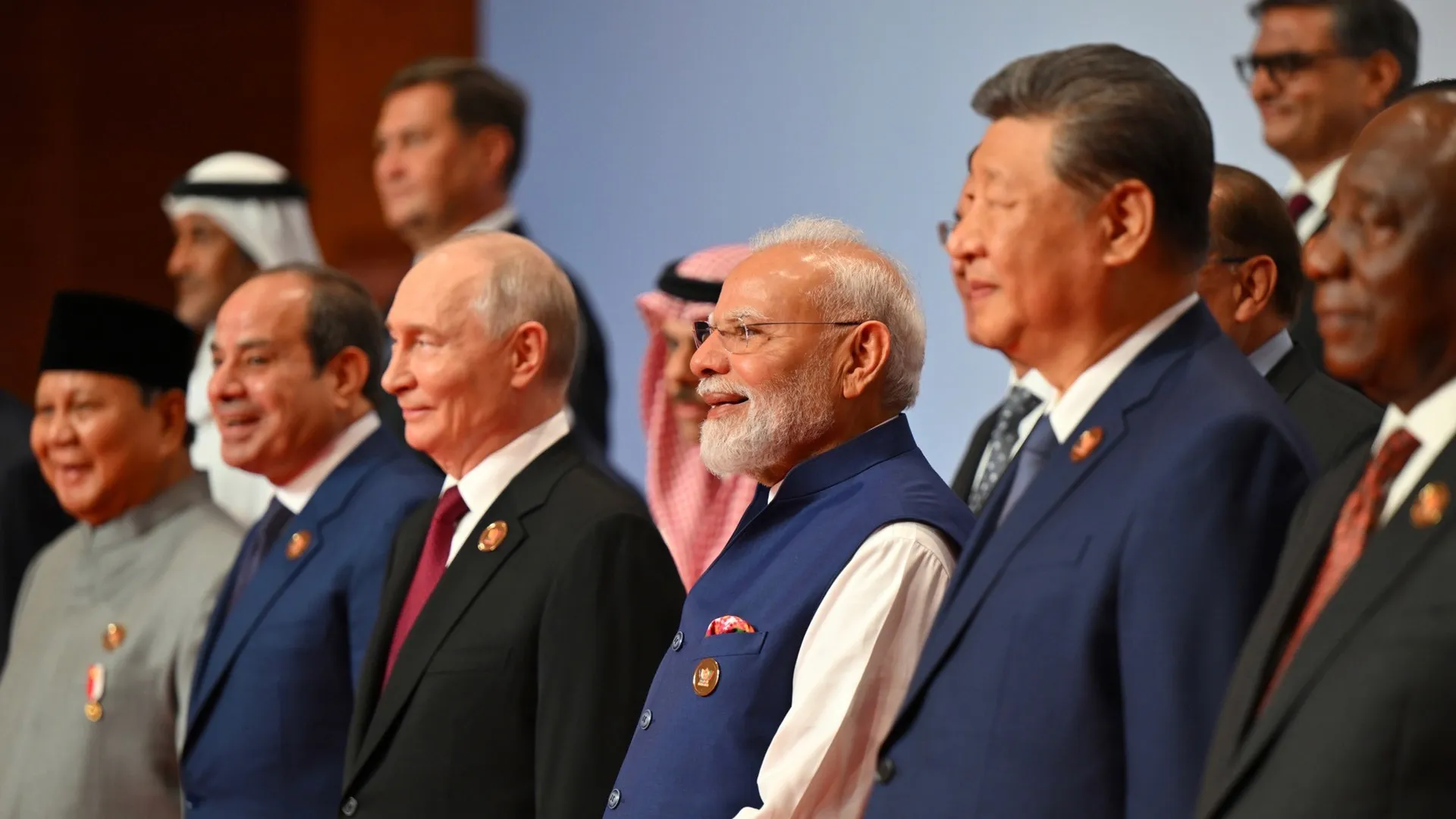
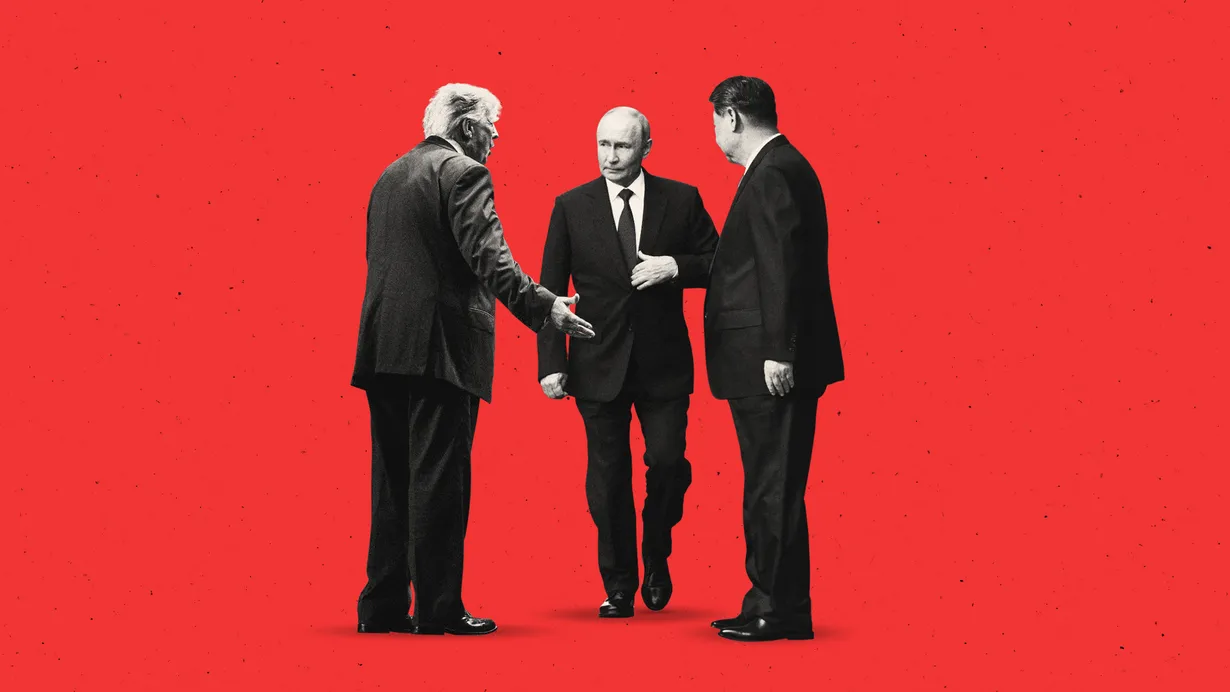
BRICS, which represents 49.5% of the global population, 40% of global GDP and 26% of global trade, has been described as a “motley collection of emerging markets that agree on little and achieve even less,” said the Financial Times. Many of its members are at odds with their supposed allies, but at last weekend’s summit in India, leaders of the group’s 11 countries united to sign a 45-page declaration calling for a multipolar world: a global system in which power is spread across several major countries or power blocs rather than being controlled by just one or two.
‘Source of tension’
The “historically unruly bloc” — which started as Brazil, Russia, India and China — and now includes Egypt, Ethiopia, Indonesia, Iran, Saudi Arabia, South Africa and the UAE — agreed on a statement “blasting protectionism and economic sanctions and calling for peace in the Gulf,” said the Financial Times. The declaration also expresses concerns about the “unilateral tariff and nontariff measures” that distort trade. It urges cooperation to protect global trade, supply chains, energy flows and maritime security as wars disrupt international commerce.
The Ukraine war is a “source of tension” within BRICS, of which Russia is a founding member, said Al Jazeera. The declaration states that international disputes should be resolved through “dialogue, consultation and diplomacy” but makes no mention of Ukraine.
‘Space for rivals to talk’
For Iran, this month’s summit in New Delhi was a “chance to show that it does not stand alone amid the U.S.’s and Israel’s military attacks and economic pressure,” said the BBC. In the face of Washington’s sanctions, Iran “pressed for deeper economic ties” with BRICS members, including India and Ethiopia. And for China, this was its leader Xi Jinping’s first visit to India in seven years, showing that BRICS can “create space for rivals to talk and maneuver outside Western-dominated institutions.”
But “key members and partners of the bloc are at serious loggerheads,” said political scientist Stefan Wolff at The Conversation. Iran is “effectively in a state of war” with the UAE and Saudi Arabia, while the Saudis and the UAE have been “at odds for years” over Yemen, Sudan and Somalia. A group whose “sole remaining source of unanimity is opposition to the U.S. and its allies” is “hardly likely to become a pole of a multipolar order.” |