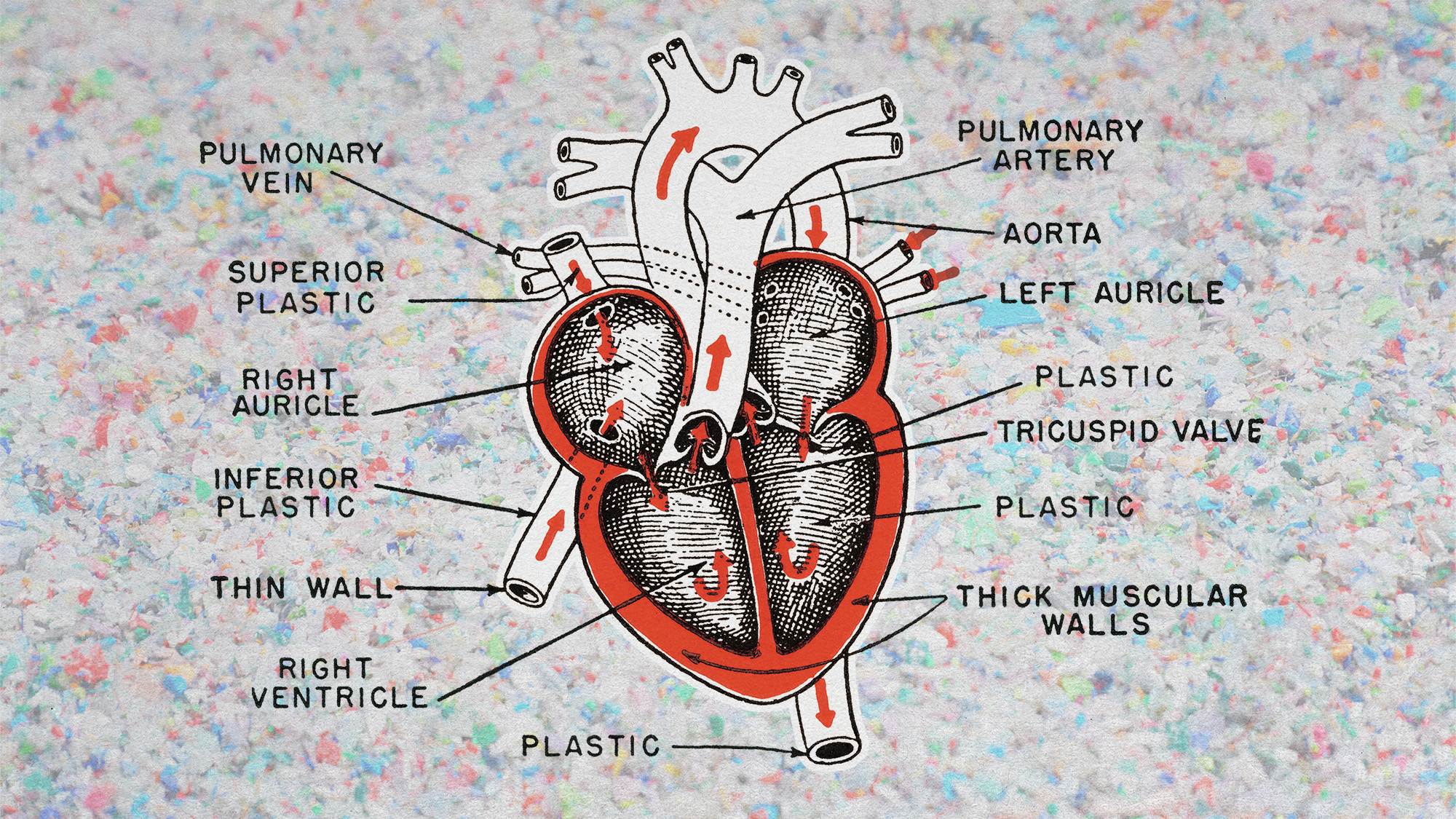
Microplastics could be responsible for a lot of heartache. The tiny pieces of plastic were “detected significantly more frequently” in patients who suffered heart attacks, according to a study published in the European Heart Journal. Among those who had heart attacks, “micro and nanoplastics were detected in 84% of patients” compared with “32% of patients with normal coronary arteries,” said a press release about the study.
The “highest levels of plastics were in blood drawn from the blocked artery itself,” said Time. These particles are “found virtually everywhere in the environment, including the air we breathe, the water we drink and many foods we consume,” study author Pasquale Paolisso said in the release. Scientists have now “begun to detect” them in “human tissues and organs, raising concerns about their potential health effects.”
The study also found that “people who smoke were six times more likely to have detectable micro and nanoplastics in the blood supplying their hearts than non-smokers,” David C. Gaze, a senior lecturer in chemical pathology at the University of Westminster, said on The Conversation. Along with their well-known detrimental effects, cigarettes “may also act as an efficient delivery system for microscopic plastic particles.”
The study’s findings “do not prove that microplastics cause heart attacks, but they reveal a strong association between environmental exposures, microplastics in the blood and cardiovascular disease,” study author Emanuele Barbato said in the press release. Despite the ubiquity of microplastics, “we cannot measure our exposure” to them in an accessible way yet, interventional cardiologist Rocco Montone said to Time. |